
Effective Yard and Garden Maintenance to Deter Rodents
Have you noticed tiny chew marks on your plants or heard rustling in the bushes after dark, leaving you worried about unwelcome visitors?
Drawing from my own journey caring for mice, I’ve compiled a straightforward plan to help you reclaim your outdoor space. This article walks you through smart landscaping choices, safe waste-handling habits, and simple barrier methods that make your yard less inviting to rodents.
Why Wild Rodents Near Your Home Are a Risk to Pet Mice
Seeing a wild mouse scurry across the patio might seem harmless, but for your indoor companions, it represents a significant health threat. Wild rodents can carry diseases and parasites that are devastating for our domesticated pets, even without direct contact. Their droppings and urine can contaminate surfaces, and parasites like mites can hitch a ride on your clothes or other items into your home.
Beyond invisible germs, the presence of wild mice creates a constant, low-level stress for your pets. Mice are incredibly sensitive to the pheromones and scents left by outsiders. This perceived territorial invasion can lead to behavioral changes like increased hiding, barbering (over-grooming), or even unexpected aggression between previously peaceful cage mates. My mouse, Jeffery, becomes visibly more jumpy and spends more time in his hide if he catches a strange scent, a clear sign of his discomfort. Recognizing these behaviors is crucial; the following visual behavioral guide outlines common signs of stress in mice so you can spot problems early. Use it to learn what to look for and when to intervene.
The risk isn’t just about what they bring in, but also the conflict they can inspire. A wild rodent’s scent can trigger your pet mice’s natural instincts to defend their territory, leading to a more anxious and less enriching life. Keeping the wild population away is a fundamental act of care, creating a safe and serene environment where your mice can truly thrive without this external pressure. If you spot signs of wild rodents, expect to involve pest control to assess and secure your home. Be sure to tell them you have pet mice so they can recommend pet‑safe, targeted measures.
Remove Food Sources That Attract Wild Rodents
The most effective way to discourage wild rodents is to make your property an unappealing restaurant. They are opportunistic feeders, and a consistent, easy meal will keep them coming back. Eliminating their access to food is the single most powerful step you can take to protect your indoor pets. These steps are especially important for pest control of mice, which are attracted to crumbs, pet food, and garbage. Securing trash bins and storing food in airtight containers can greatly reduce the chance of a mouse infestation.
Start with a thorough audit of your outdoor space. Look for these common attractants:
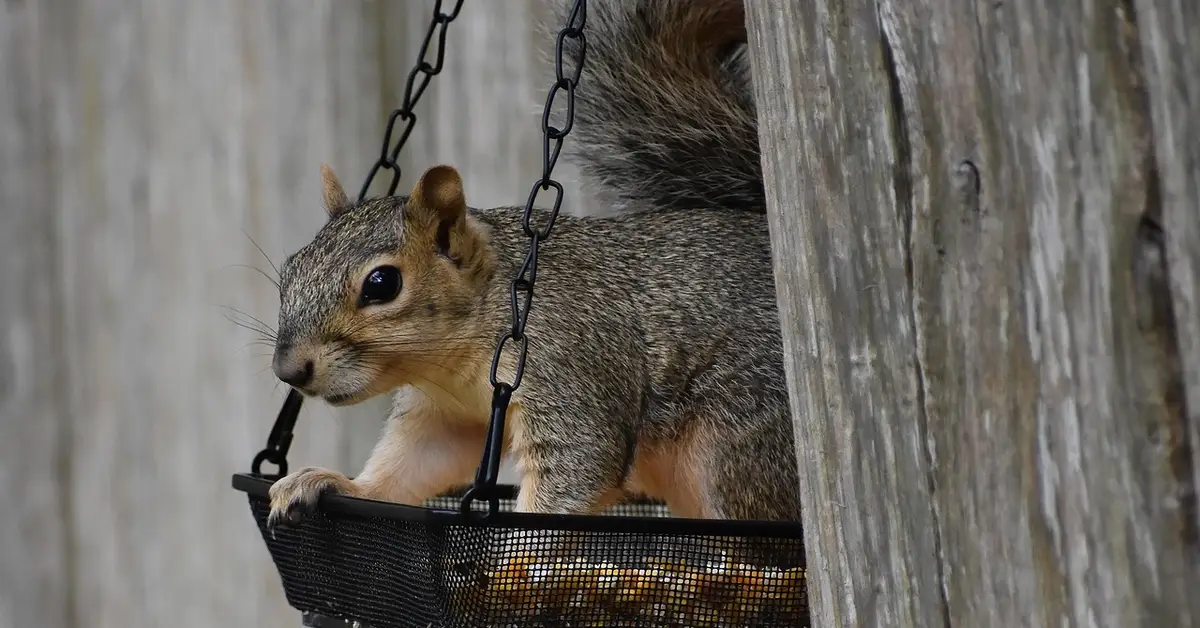
- Bird Feeders: Spilled seed is a gourmet feast. Use tray attachments to catch falling seeds, place feeders on poles with baffles far from the house, or consider switching to suet cakes that create less mess.
- Pet Food: Never leave dog or cat food bowls outside. Feed pets indoors and promptly remove any uneaten food. Store all pet food, including bags for your indoor mice, in thick, sealed plastic or metal containers.
- Compost Bins: An open compost pile is a rodent paradise. Use a enclosed, tumbler-style bin instead of an open pile. Avoid composting meat, dairy, or oily foods, which are especially attractive.
- Fallen Fruit and Nuts: Regularly rake and dispose of fruit from trees and bushes. Overripe fruit on the ground is an irresistible signal.
- Barbecue Grills and Outdoor Dining Areas: Crumbs and grease drippings are a major draw. Clean your grill thoroughly after each use and sweep patios and decks meticulously.
Adopt a clean-up routine immediately after any outdoor activity. A nightly sweep of patios and the area around trash cans can remove the day’s crumbs and signals before nocturnal rodents begin their foraging. I make it a habit to do a quick “rodent patrol” each evening, ensuring there’s nothing left out that would tempt a wild visitor and, by extension, risk the well-being of Kenny, Gregory, and Jeffery inside.
Finally, manage your trash with vigilance. Use trash cans with tight-fitting, locking lids and avoid overfilling them. If bags rip or lids don’t close, you’re broadcasting a dinner invitation. Rinse recyclable containers before placing them in the bin to remove residual food scents.
Eliminate Shelter and Hiding Spots in Your Yard

Clear Brush Piles and Yard Debris
That inviting pile of fallen branches and leaves is a five-star hotel for wild rodents. I make it a weekly ritual to walk my property and clear away any accumulated clutter, as these spots provide perfect cover for mice to nest and travel unseen. A clean perimeter around your home is your first and most powerful line of defense. Think of it as tidying up a guest room so thoroughly that no one is tempted to stay over, just like you wouldn’t want to host unwanted mice in your home’s walls or attic.
Trim Shrubs and Prune Ground Cover
Overgrown shrubs and dense ivy create a shadowy highway right to your foundation. Keep all vegetation, especially foundation plantings, trimmed back at least a foot from your home’s exterior walls. This eliminates a hidden route and forces any curious creatures into the open, where they feel much less secure. I’ve noticed my own bold mouse, Kenny, is far less adventurous when his usual cover is removed.
Mow Lawn Regularly and Maintain Short Grass
Tall grass is more than just an eyesore; it’s a secure blanket for small wildlife. A well-mowed lawn removes the protective cover that allows mice to forage and move about with confidence. I aim to keep my grass at a height of three inches or less, which dramatically reduces the appeal of my yard as a rodent dining and living area.
Remove Wood Piles and Stack Properly
Firewood stacks are notorious rodent condominiums. If you must store wood, keep it elevated on racks and positioned as far from your house as is practical for you. Never stack it directly against your siding or on the ground, as the dark, damp spaces between logs are irresistible nesting sites. A neatly organized, elevated stack is far less hospitable.
Seal Entry Points and Create Physical Barriers
Foundation Inspection and Gap Sealing
Mice can fit through a hole the size of a dime, so a meticulous inspection is non-negotiable. Walk the entire foundation of your home and garage, sealing any cracks or gaps with a durable material like copper mesh, hardware cloth, or expanding foam sealant. Pay close attention to areas where utility lines enter the house, as these are common, overlooked gateways.
Rodent-Proof Garden Fencing
A standard garden fence won’t stop a determined mouse. For true protection, bury the bottom of your fence at least six inches deep and bend it outward into an “L” shape to prevent burrowing. This creates a physical barrier that is very difficult for them to bypass. It’s a bit more work initially, but it provides peace of mind for seasons to come. Apply the same exclusion thinking to areas where you store vehicles; mice often invade cars, RVs, and boats from nearby vegetation and burrows. Seal entry points and use vehicle-specific deterrents in addition to perimeter barriers to keep mice out.
Protect Garden Beds with Wire Mesh
Your vegetable garden is a gourmet buffet. Lay hardware cloth with a quarter-inch grid just underneath the soil surface of your garden beds before planting. This allows your plants to grow through but stops rodents from digging up bulbs or roots from below. It’s an invisible shield for your precious crops.
Secure Garden Sheds and Storage
Don’t forget outbuildings! Sheds and storage boxes often have gaps under doors and warped siding. Install weather stripping on shed doors and use metal kick plates to seal the bottom gap, transforming your shed from a rodent refuge into a secure storage space. Store all bird seed, grass seed, and pet food in sturdy, sealed metal containers, not bags.
Design Your Garden to Discourage Rodents
Use Raised Garden Beds
Elevating your garden is a simple yet profoundly effective strategy. Raised beds present a more challenging vertical obstacle for mice and make the soil within less accessible for burrowing. The defined structure also makes it easier to spot any attempts at digging and to add protective mesh if needed.
Choose Gravel Mulch Over Organic Materials
While wood chip mulch looks lovely, it provides ideal nesting material and cover. I’ve switched to using a three-inch layer of sharp, coarse gravel or crushed rock in areas close to my home, as it’s uncomfortable for rodents to traverse and doesn’t hold moisture for nesting. Save the softer mulches for ornamental beds farther away from the house.
Plant Rodent-Resistant Plants
Not all plants are equally tempting. Incorporate strongly-scented herbs like mint, lavender, and rosemary, as well as daffodils and marigolds, which rodents tend to avoid. These plants act as a natural, aromatic deterrent, creating a less palatable landscape. My anxious mouse, Jeffery, gives my potted rosemary a very wide berth.
Protect Garden Hoses and Netting
Mice are notorious for chewing on things to keep their teeth filed down. They commonly chew soft plastics, rubber, foam, fabric, and cardboard. These materials serve both as gnawing targets and nesting material. Coil garden hoses neatly on a hanger instead of leaving them on the ground, and store soft plastic netting and irrigation tubing in a sealed bin when not in use. This removes potential nesting materials and prevents costly damage from their constant gnawing.
Manage Water Sources
Rodents, including wild mice, are drawn to yards that provide easy access to water. Eliminating these water sources is one of the most effective ways to make your property less inviting to them. Think of it like this: you wouldn’t leave a full water bowl out for uninvited guests, and the same logic applies to your yard. Be especially careful around your chicken coop—spilled water, leaky drinkers, or puddles under the coop will attract mice. Fix leaks and keep mice out of the coop to help prevent these unwanted visitors.
Start by walking your property after a rain shower to identify problem areas. Look for these common culprits:
- Clogged gutters and downspouts that create overflowing water and damp siding.
- Low-lying spots in the lawn where puddles form and linger.
- Leaky outdoor faucets or garden hoses that create a constant drip.
- Uncovered rain barrels, buckets, or watering cans that collect standing water.
- Pet water bowls left outside overnight.
- Children’s toys and other yard decorations that can hold rainwater.
My own yard had a persistent puddle near the shed that I ignored for too long. After fixing the grading and filling the depression, I noticed a significant drop in the scurrying sounds I’d hear at dusk. It’s a simple fix with a major payoff for deterring unwanted wildlife from settling in.
Create a Seasonal Yard Maintenance Routine
A beautiful yard and a rodent-resistant yard are not mutually exclusive goals. Staying ahead of the seasons with a proactive maintenance schedule is your best defense. This consistent effort creates an environment that is simply too exposed and resource-poor for rodents to feel safe.
Spring Tasks
Spring is a time of renewal, and for rodents, it’s a prime time for seeking new nesting sites. Your job is to make that search difficult.
- Rake thoroughly to remove matted leaves and winter debris where mice can hide.
- Cut back any dead growth from perennials and ornamental grasses.
- Inspect your shed, garage, and foundation for new cracks or gaps, sealing them promptly.
- Turn your compost pile to disrupt any potential nesting and ensure it heats up properly.
- Trim back tree branches and shrubs to at least 18 inches from your home’s exterior walls.
This seasonal cleanup removes the cozy, hidden spots that mice desperately seek for raising their young. A tidy spring yard sets a strong precedent for the rest of the year.
Summer Tasks
Lush summer growth can provide perfect cover. Your focus should be on managing this vegetation and keeping things dry.
- Mow your lawn regularly; tall grass is a superhighway for mice.
- Keep garden beds weeded and avoid letting plants become overgrown and dense.
- Harvest fruits and vegetables promptly; do not let ripe produce fall and rot on the ground.
- Empty kiddie pools and bird baths frequently, or refill them daily with fresh water.
- Store bags of soil, mulch, and fertilizer in sealed, rodent-proof containers off the ground.
A well-maintained summer garden denies rodents the dense cover and easy food sources they rely on during warmer months. It’s about being vigilant with the abundance that summer brings.
Fall Tasks
As temperatures drop, rodents look for warm places to overwinter, often targeting homes. Fall cleanup is your most critical line of defense. Mice are especially likely to invade because they can squeeze through tiny gaps and reproduce rapidly. They’re drawn to stored food and cozy nesting spots in walls, attics, and basements.
- Rake and remove all fallen leaves; do not use them as winter mulch in flower beds.
- Clean up all fallen fruit from trees and any remaining vegetables from the garden.
- Store firewood on a raised rack at least 20 feet away from your house.
- Remove and store patio furniture, or stack it neatly to eliminate hiding places underneath.
- Drain and shut off outdoor water lines to prevent leaks and ice dams that can create entry points.
A thorough fall cleanup is like taking away the welcome mat just as mice are looking for a winter rental. This is the season I am most diligent, knowing my mice, Kenny and Jeffery, are safe inside while I work to keep their wild cousins outside.
Winter Tasks
Your winter role is primarily one of monitoring and maintenance, even when the yard is dormant.
- After heavy snowfalls, gently knock snow away from your home’s foundation to prevent ice melt from seeping in.
- Continue to monitor for rodent droppings or tracks in the snow, especially near the garage or shed.
- Check stored items in outdoor buildings for signs of nesting material like shredded paper or insulation.
- Keep bird feeding areas exceptionally clean, sweeping up spilled seed daily.
Vigilance during the quiet winter months can reveal rodent activity you might otherwise miss, allowing for early intervention. A little effort now prevents a much bigger problem in the spring.
Use Deterrents and Monitoring Strategies
Keeping your outdoor space uninviting to wild rodents is a constant, gentle battle. Think of it not as a war, but as a consistent reinforcement of boundaries that keeps both your pets and the local wildlife safer. A multi-layered approach always works best. House mice can and do survive outside by using sheltered nooks, nearby food and warm nesting spots, so it’s important to remove those attractants. Understanding their habits helps you tailor your reinforcements to block access and reduce encounters.
Motion-Activated Lights
Wild mice are creatures of shadow and stealth, and sudden light is a powerful psychological disruptor. Installing motion-activated lights around the perimeter of your home, shed, and compost area creates an unpredictable environment that foraging rodents deeply dislike. They prefer to move under the cover of darkness, and a bright, unexpected spotlight makes them feel exposed and vulnerable to predators.
I’ve found that placing these lights about six to eight feet off the ground provides the best coverage. The goal is to startle and discourage, not to create a permanent, glaring landscape that disturbs you or your neighbors.
Ultrasonic Deterrents
These devices emit a high-frequency sound that is inaudible to most humans and pets but is reportedly irritating to rodents. While their effectiveness can be debated, I view them as a useful tool in a broader strategy, not a standalone solution. They work best in contained, semi-enclosed areas like a garage or a covered patio.
- Place them away from areas where your pet mice are housed, as a precaution.
- Remember that sound waves can be blocked by furniture and solid objects, so positioning is key.
- Look for models with a frequency that shifts periodically to prevent rodents from becoming accustomed to the noise.
It’s a set-and-forget option that adds an invisible layer of discomfort for wild visitors without using any chemicals.
Encourage Natural Predators Safely
Nature has its own pest control system, and you can gently tip the scales in your favor. Welcoming certain predator species into your yard creates a living, breathing deterrent that works 24/7. The key is to do this in a way that doesn’t create new problems.
- Install owl boxes: A single owl can control a significant rodent population. Place the box on a tall pole at the edge of your property.
- Create a welcoming habitat for snakes: Non-venomous species like garter snakes are excellent mousers. A simple rock pile in a sunny spot can provide them a home.
- Don’t shoo away birds of prey: Hawks and falcons are your allies. Their presence alone makes rodents think twice.
This method fosters a balanced ecosystem where nature manages itself, reducing your need for constant intervention.
Inspect for Signs of Rodent Activity
Vigilance is your greatest weapon. Regular, thorough inspections allow you to catch a potential problem before it becomes an infestation. I make a habit of doing a quick walk-around my yard and shed every weekend.
Look for these specific clues:
- Small, dark droppings near woodpiles, along foundations, or in the garage.
- Evidence of gnawing on garden hoses, plastic bins, or the corners of wooden structures.
- Small, shallow burrow holes in quiet, sheltered areas of the garden or under debris.
- Greasy, smudgy rub marks along walls where rodents repeatedly travel the same path.
Finding these signs early means you can immediately ramp up your deterrent strategies and protect your home.
When to Call Professional Pest Control
There comes a point when a situation escalates beyond what humane, DIY methods can handle. Knowing when to call a professional is a sign of a responsible pet owner, not a failure. Your primary concern is the health and safety of your own mice.
You should pick up the phone immediately if you notice any of the following:
- You see wild rodents during the daytime, consistently. This often indicates a large, established population.
- You find gnaw marks on electrical wiring inside your home or garage. This is a serious fire hazard.
- You hear persistent scratching or scurrying noises inside your walls or ceiling.
- Your deterrents have had no effect for several weeks, and signs of activity are increasing.
When you contact a service, be very clear that you are a pet mouse owner. A reputable pest control company will use targeted, strategic methods that eliminate the wild rodent problem without posing a risk to your caged pets. Ask them about their approach and the products they use to ensure your little friends, like my curious Kenny or calm Gregory, remain completely safe.
Frequently Asked Questions
How do I rodent-proof a garden box?
To protect a garden box from rodents, opt for boxes made of durable, chew-resistant materials like metal or thick plastic instead of wood, which can be easily gnawed. If using a wooden box, line the interior with hardware cloth before adding soil to create a barrier that prevents rodents from burrowing in from below. Elevating the box on legs or a stand can further reduce accessibility and make it less appealing as a nesting site.
How do I rodent-proof a garden storage box?
Ensure your garden storage box has a tight-sealing lid and is constructed from sturdy materials like metal or heavy-duty plastic to resist chewing. Store it elevated on a rack or shelf to minimize ground contact, and avoid leaving gaps where rodents could enter. Regularly inspect the box for damage, such as cracks or holes, and repair them with metal patches or sealant to maintain a secure environment for tools and supplies.
How do I rodent-proof garden netting?
When not in use, store garden netting in a sealed, rodent-proof container to prevent it from being chewed or used as nesting material. During use, keep the netting taut and securely fastened to poles or frames, ensuring it doesn’t sag or touch the ground where rodents could climb it. Choosing netting with a fine mesh and periodically checking for signs of gnawing can help maintain its integrity and effectiveness.
Your Path Forward
Maintaining your yard is a continuous act of care that protects both your home’s integrity and the sanctuary you’ve built for your small companions indoors. By managing clutter, securing food sources like compost and bird feeders, and creating tidy perimeters, you build a peaceful coexistence with the natural world outside your walls.
This proactive approach gives you peace of mind, knowing your curious pets are safe from the unpredictable dangers wild rodents can introduce. A well-kept garden becomes a beautiful, functional space for you to enjoy, while the gentle rustling from your indoor habitat remains the only welcome rodent sounds in your life.
Further Reading & Sources
- How to Keep Rodents Out of Your Garden or Yard | Ehrlich
- 7 expert ways to keep rats out of your yard and enjoy a rodent-free garden this fall – but hurry, you’ll need to act fast
- How to Keep Rodents Out of a Garden – Prevention Tips
Isabella is a passionate small pet enthusiast with over 8 years of experience in caring for mice. She loves sharing practical tips and heartfelt stories to help fellow mouse owners provide the best care for their tiny companions.
Mouse-Proofing & Prevention