
How to Outsmart Mice That Avoid Traps
Are you constantly finding your mouse traps empty while signs of rodents linger in your home? Dealing with clever mice that sidestep every trap can feel like a never-ending battle, but understanding their behavior is the first step to success. Based on my years of caring for pet mice and observing their habits, I can guide you through practical, effective methods that address why traps fail and how to make them work.
This article will equip you with a clear plan to tackle even the most trap-wary mice. You’ll learn how to choose the right bait, position traps strategically, and implement preventive measures that stop infestations before they start.
What Makes Wild Mice Trap Shy
Wild mice that evade capture aren’t just lucky; they possess a sophisticated survival instinct that makes them incredibly cautious of new objects in their environment. This behavior, known as neophobia, is a primary reason why an intelligent mouse population can seem untouchable. They treat anything unfamiliar-including that brand-new trap you just set-as a potential threat until proven otherwise.
Signs You’re Dealing With Trap-Avoidant Mice
Recognizing the patterns of trap-shy mice is the first step toward outsmarting them. Look for these specific clues that indicate you’re dealing with particularly clever rodents or mice smart enough to learn and avoid traps.
- Disturbed but unsprung traps where the bait has been expertly stolen.
- A noticeable increase in droppings and gnaw marks, yet traps remain empty day after day.
- Seeing mice actively skirt the perimeter of a room, giving traps a wide berth.
- Hearing more scratching and scurrying at night, but finding no results from your efforts in the morning.
- Noticing that bait disappears only from un-baited areas or from traps you haven’t yet armed.
Why Standard Trapping Methods Fail Smart Mice
The classic snap trap placed in the middle of a room often fails because it ignores the fundamental nature of mouse behavior. Mice are creatures of habit that prefer to travel along walls and edges, using their whiskers to navigate in what’s known as thigmotaxis. Placing a trap in the open violates their ingrained sense of safety. To find where mice hide, inspect along baseboards, behind appliances, in cluttered storage, and inside wall voids. Common entry points include gaps around pipes, vents, and foundation cracks, and nesting spots are often insulation, stored boxes, attics, and crawlspaces.
Beyond placement, the sensory intelligence of mice is often underestimated. Their highly developed sense of smell allows them to detect the scent of human hands, previous captures, or even fear pheromones from other mice on a trap. I’ve learned from my own pets, like my observant mouse Jeffery, that they can detect the subtlest changes in their surroundings, making decontamination of traps a non-negotiable step. Mice also use scent marking through urine and glandular secretions to leave olfactory signals that communicate territory, reproductive status, or alarm. These persistent chemical cues can attract or warn other mice, so removing them is key to preventing trap avoidance or re‑attraction.
Bait selection presents another common stumbling block. Using the same bait repeatedly teaches mice to associate that specific food smell with danger, creating a learned aversion. I rotate through a variety of high-aroma options like peanut butter, nuts, and even a bit of pet-safe jerky to keep the offerings unpredictable and irresistible.
- Standard traps are often too conspicuous, placed directly in a mouse’s path without any attempt at concealment.
- Mice can associate the metal or wood of a trap with the danger mechanism itself, not just the snapping bar.
- A single negative experience-like a trap snapping shut nearby-can educate an entire colony to avoid similar devices.
- Human scent left on traps during setup acts as a powerful warning signal to cautious rodents.
Step-by-Step: Catching Mice That Refuse Traps
Step 1: Stop Setting Traps Temporarily
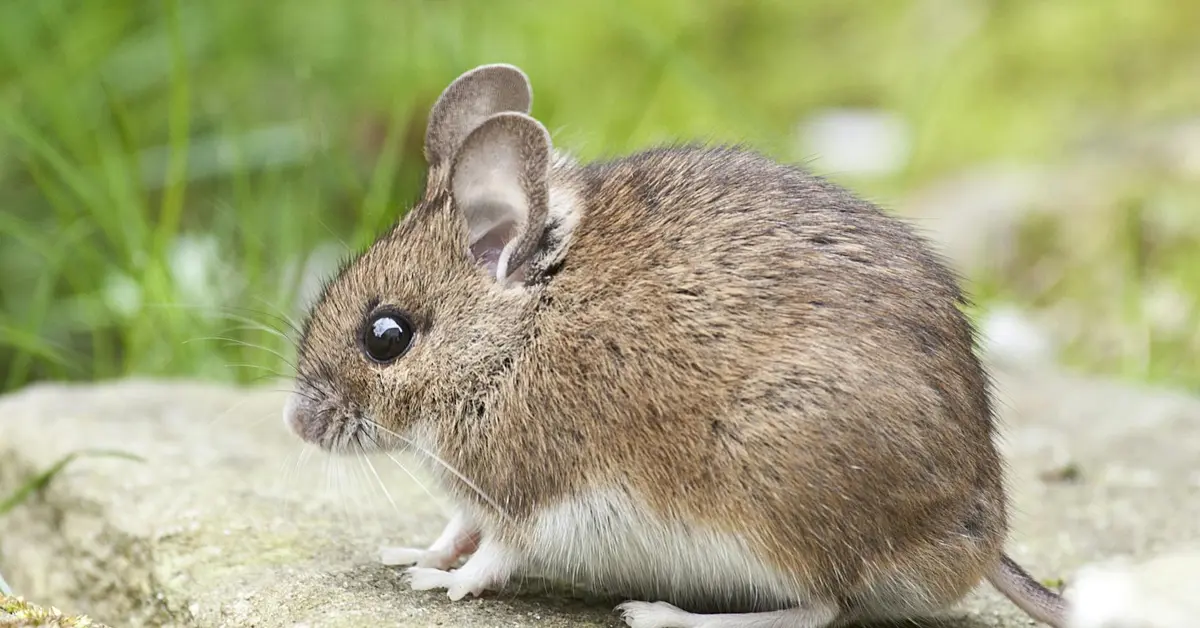
When mice keep outsmarting your attempts, the most powerful move is often to do nothing at all. Pausing all trapping activity for three to five days resets the mouse’s caution and makes them feel secure again. I’ve watched my own bold mouse, Kenny, become suspicious of any new object in his space for days, only to eventually let his curiosity win once he decided it was safe. This waiting period breaks the cycle of fear and allows their natural foraging instincts to take over.
Step 2: Master Scent-Free Trap Handling
Your scent is a giant, flashing “danger” sign to a wary mouse. Before you even think about setting a trap again, you must become scent-invisible. Wearing disposable gloves while handling traps and bait is non-negotiable for success with clever mice. I use nitrile gloves and sometimes even rub the traps with a bit of soil or leaves from outside to further mask any lingering human scent. Every surface you touch, from the trap mechanism to the bait itself, must be treated as evidence you need to erase. That’s exactly why mice often avoid traps—they can detect human scent and learn to steer clear. Making yourself scent-invisible greatly improves your chances of catching those wary mice.
Step 3: Strategic Multiple Trap Placement
Setting a single trap is like hoping a fish will jump into your boat. You need to think in terms of a net. Place traps in pairs or trios, positioned perpendicular to walls with the trigger facing the wall, as mice prefer to run along edges. Do not just put them in the middle of a room. Focus on these high-activity corridors:
- Along the kickboards under your kitchen cabinets
- Behind large appliances like refrigerators and ovens
- In dark, quiet corners of pantries or closets
- Near any gaps around pipes or utility lines
This multi-trap approach significantly increases your chances of an intercept.
Step 4: Advanced Baiting Strategies That Work
Forget cheese. Smart mice need smarter bait. The goal is to use something so enticing they must stop and work at it, not just grab and run.
Secure a tiny amount of a strong-smelling, high-value food like peanut butter or chocolate spread by tying it with an unflavored dental floss to the trigger. This forces them to linger and tug, almost guaranteeing a trigger. Another tactic I’ve had great success with is using nesting material-a small ball of cotton or a fluffy feather-which taps into their instinct to gather soft materials for a nest.
Step 5: Try Different Trap Types for Smart Mice
If snap traps are failing, it’s time to change your tools. A mouse that has learned to avoid one mechanism may be completely fooled by another.
- Electronic Traps: Deliver a quick, humane shock. Their enclosed design and different triggering mechanism often bypass a mouse’s learned caution.
- Live-Catch Traps: These are excellent for the truly trap-shy, as they don’t have a scary snap mechanism. Bait them with seeds and a bit of nesting material.
- Glue Traps (with extreme caution): I mention these only to advise against them for general use. They are inhumane and cause immense suffering. If you must use one, you have a moral obligation to check it constantly and be prepared to humanely dispatch any caught animal.
Rotating through two different trap types can confuse a clever mouse that has become an expert at avoiding just one kind. For recommendations, see our Humane no-kill mouse traps — it evaluates top electronic and live-catch models for effectiveness and animal welfare. Those findings make it easy to pick a reliable, humane option.
Humane Mouse Removal Options
When dealing with wild mice, your goal should always be removal, not extermination. Humane live traps allow you to capture the mouse without harm so you can release it far from your home. Check these traps at least twice a day—a trapped mouse is a terrified mouse. When you release it, choose a location at least a mile away, preferably in a wooded or field area with a water source. Carry the trap calmly and open it facing shelter, giving the mouse a clear path to safety. This compassionate approach respects the life of the animal while solving your problem.
DIY Mouse Control Beyond Trapping
Sealing Entry Points That Matter Most
Trapping removes the current mice, but sealing keeps the next ones out. Mice can squeeze through holes the size of a dime. Your most effective long-term strategy is a thorough inspection and sealing of every possible entry point with materials mice cannot gnaw through, following a mouse-proofing protocol. I make a habit of doing a “mouse audit” of my home every season, looking for new gaps. Focus your efforts on:
Natural Mouse Repellents Worth Trying
While not a standalone solution, certain natural smells can discourage mice from settling in. Peppermint oil is a well-known deterrent; soak cotton balls in 100% pure oil and place them in areas of activity. The strong scent overwhelms their sensitive noses. Other smells they tend to avoid include cloves and cayenne pepper. Remember, these are deterrents, not eliminators. They work best as part of your overall strategy, especially when used near newly sealed entry points to encourage mice to look elsewhere. Reapply the oils every few days as the scent fades.
When to Call Professional Pest Control for Mice
Sometimes, despite your best efforts, a mouse situation can escalate beyond a simple DIY fix. Recognizing when you’re outmatched is a sign of a responsible pet owner, not a failure. I’ve learned through experience that stubborn, trap-savvy mice can require a level of expertise that goes beyond what we can provide at home.
Signs You Need Professional Help
- You continue to see or hear mice after two weeks of consistent, varied trapping efforts.
- You find gnaw marks on structural elements like wiring, pipes, or support beams.
- You notice a persistent, musky odor, which can indicate a larger, established nest.
- Droppings appear in multiple, widespread areas of your home, suggesting a significant population.
A professional brings targeted tools and knowledge of mouse behavior that can resolve an infestation efficiently. They can identify and seal entry points you might miss and use methods that are less about brute force and more about strategic elimination. When my own attempts were repeatedly foiled by a particularly clever mouse, calling in a pro was the decision that finally brought peace back to our home.
Protecting Your Pet Mice During Wild Mouse Control
This is the part that requires the most care and attention. Your beloved pets are incredibly sensitive, and the measures taken against wild rodents must never put them at risk. The absolute priority is creating a secure, impenetrable environment for your captive companions. My trio-Kenny, Gregory, and Jeffery-are always my first concern when any pest control is in the air.
Creating a Safe Zone for Your Pets
- Relocate the Cage: Move your mice’s enclosure to a different, well-ventilated room where no control measures are being used. A bedroom or office is ideal.
- Reinforce Security: Double-check that all cage latches are secure and that the bar spacing is too narrow for a wild mouse to enter. A determined wild mouse is a master escape artist.
- Maintain a Strict Hygiene Protocol: Wash your hands thoroughly before and after handling your pets, their food, or anything in their cage. This prevents cross-contamination.
Managing Food and Bedding
- Store all open bags of mouse food, seed mixes, and bedding in sealed, airtight plastic or metal containers. Do not use easily chewed-through bags.
- Clean up any spilled food or water around the cage immediately. Do not leave your pet mice’s food bowl full overnight, as the scent can attract visitors.
- Be vigilant when introducing new toys or items to the cage. Inspect them carefully before placing them inside.
Your vigilance is the primary shield that protects your pets from the stressors and dangers of pest control. By isolating their living space and managing scents, you create a sanctuary for them. I always take a moment to observe my mice after any changes; a calm Jeffery and a peacefully napping Gregory are my signals that their world remains safe and undisturbed.
Frequently Asked Questions
What does trap shy mean?
Trap shy refers to a behavior in rodents where they actively avoid traps due to learned caution or an innate wariness of new objects in their environment. This can develop from negative past experiences, such as a trap snapping nearby, or simply from neophobia, which is a fear of unfamiliar items that could pose a threat.
Are mice trap shy?
Yes, mice can be trap shy, especially wild ones, as they have strong survival instincts that make them cautious of changes in their surroundings. This behavior helps them avoid potential dangers, but it can make trapping challenging if not addressed with tailored strategies that account for their intelligence and sensitivity.
How do I catch trap-shy mice?
To catch trap-shy mice, focus on consistency and variety in your approach. Use multiple trap types, such as electronic or live-catch options, and rotate baits frequently to prevent mice from associating specific smells with danger. Place traps in discreet, high-activity areas and handle them with gloves to minimize human scent, increasing the likelihood of success.
Wrapping Up
Dealing with clever mice that outsmart traps is less about a battle of wits and more about a shift in strategy. The goal isn’t to win a war, but to gently encourage your uninvited guests that your home is no longer a welcoming hotel. By focusing on making your space less attractive through impeccable cleaning and strategic sealing, you address the root of the problem. Start by checking walls, attics, and crawl spaces for gaps, droppings, or nesting signs. Seal those entry points and block access to keep mice from returning.
Remember, patience and persistence are your most valuable tools in this process. Combining these exclusion methods with the less intimidating monitoring tools, like non-lethal traps or cameras, allows you to manage the situation humanely and effectively. You can reclaim your space while still honoring your fondness for these clever little creatures from a respectful distance.
Further Reading & Sources
- How To Catch A Mouse When Traps Don’t Work | My Pest Pros
- Mice Too Smart for Mouse Traps? How to Catch & Get Rid of Intelligent Rodents in Hermitage, PA | Stewart Termite & Pest Control
- Mice Avoiding Traps? How to Outsmart Them – Precise Termite & Pest Control
Isabella is a passionate small pet enthusiast with over 8 years of experience in caring for mice. She loves sharing practical tips and heartfelt stories to help fellow mouse owners provide the best care for their tiny companions.
Humane Removal & Trapping