
What Happens When Mice Eat Irish Spring Soap?
Has your curious pet mouse ever taken an unexpected bite of Irish Spring soap, leaving you worried about their health and safety?
As an experienced mouse caretaker, I’ll help you understand the risks and provide clear, actionable advice. This article will explain the immediate symptoms of ingestion, potential long-term health concerns, and safe, effective alternatives for managing your mouse’s environment.
Do Mice Actually Eat Irish Spring Soap?
While mice are naturally curious and will nibble on many novel objects, a full-blown meal of Irish Spring soap is quite rare. Their primary motivation is investigation, not consumption, driven by an instinct to test new items in their environment. The potent fragrance and unusual texture often deter them from taking more than an initial, tentative bite. I have watched my own mouse, Kenny, approach a sliver with intense curiosity, only to quickly turn away after a single sniff, his whiskers twitching in clear disapproval.
Their keen sense of smell, which is far superior to ours, typically identifies the soap as inedible and unappealing. Think of it like a child tasting a lemon for the first time; the initial curiosity is rapidly replaced by a strong aversion to the sour flavor. A mouse’s world is explored through its mouth, so a quick nibble is their version of a hands-on inspection. The real danger lies not in them devouring a whole bar, but in that one small, accidental ingestion during exploration.
Why Irish Spring Soap Is Dangerous for Pet Mice
Even a tiny amount of this soap can pose a significant threat to your small companion. The concentrated chemicals designed for human skin are far too harsh for a mouse’s delicate biological systems. Their small body size means toxins become concentrated much faster, leading to severe health consequences from a seemingly minor exposure. Immediate veterinary care is absolutely critical if you suspect your mouse has ingested any soap. When cleaning a mouse cage to prevent disease transmission, use pet-safe cleaners or a very dilute, unscented soap and rinse thoroughly. Allow all items to dry completely before returning your mouse.
Toxic Ingredients in Irish Spring Soap
The very components that make this soap effective for people render it hazardous for pets. Let’s break down the key offenders.
- Sodium Tallowate and Sodium Cocoate: These are saponified fats, the actual soap components. In a mouse’s stomach, they don’t break down properly and can create a sludgy, indigestible mass.
- Fragrances and Parfum: This is a catch-all term for a complex mixture of synthetic chemicals. These compounds can be direct neurotoxins or severe irritants to a mouse’s respiratory tract and internal organs.
- Tetrasodium EDTA and Tetrasodium Etidronate: These preservatives and stabilizers are used to enhance lather and shelf-life. They can bind to essential minerals in the body, preventing your mouse from absorbing vital nutrients like calcium and zinc.
- Dyes and Colorants: Ingredients like CI 42090 and CI 19140 give the soap its distinctive green and white color. These artificial dyes offer no nutritional value and can be difficult for their liver to process.
How Soap Affects a Mouse’s Digestive System
Imagine pouring a powerful, sudsy cleaning agent into a tiny, delicate pouch—that’s essentially what happens inside your mouse. Mice spend a lot of time grooming—licking and combing their fur—to spread saliva and oils that act like a natural cleanser. Those self-cleaning behaviors affect how quickly substances on their skin or fur are removed or redistributed.
- Initial Irritation: The soap immediately begins to irritate the sensitive lining of the mouth, esophagus, and stomach. This can cause drooling, pawing at the mouth, and obvious discomfort.
- Chemical Disruption: Soap is designed to break down oils. Inside the gut, it strips away the protective mucosal layer, leaving the intestinal walls vulnerable to ulcers and inflammation.
- Digestive Shutdown: The saponified fats are not recognized as food. This can lead to a condition called ileus, where the normal muscular contractions of the intestines stop, causing a painful blockage.
- Systemic Absorption: The toxic chemicals are small enough to pass through the damaged gut lining into the bloodstream, potentially leading to liver and kidney failure.
The resulting symptoms are heartbreaking to witness: lethargy, a hunched posture indicating abdominal pain, diarrhea, or a complete lack of droppings. My older mouse Gregory once got a minuscule amount of a milder soap on his fur and spent an entire day looking miserable and off his food, a clear sign of how sensitive they are. Their bodies are simply not equipped to handle these synthetic compounds, making prevention the only safe option.
What Happens After a Mouse Eats Irish Spring Soap
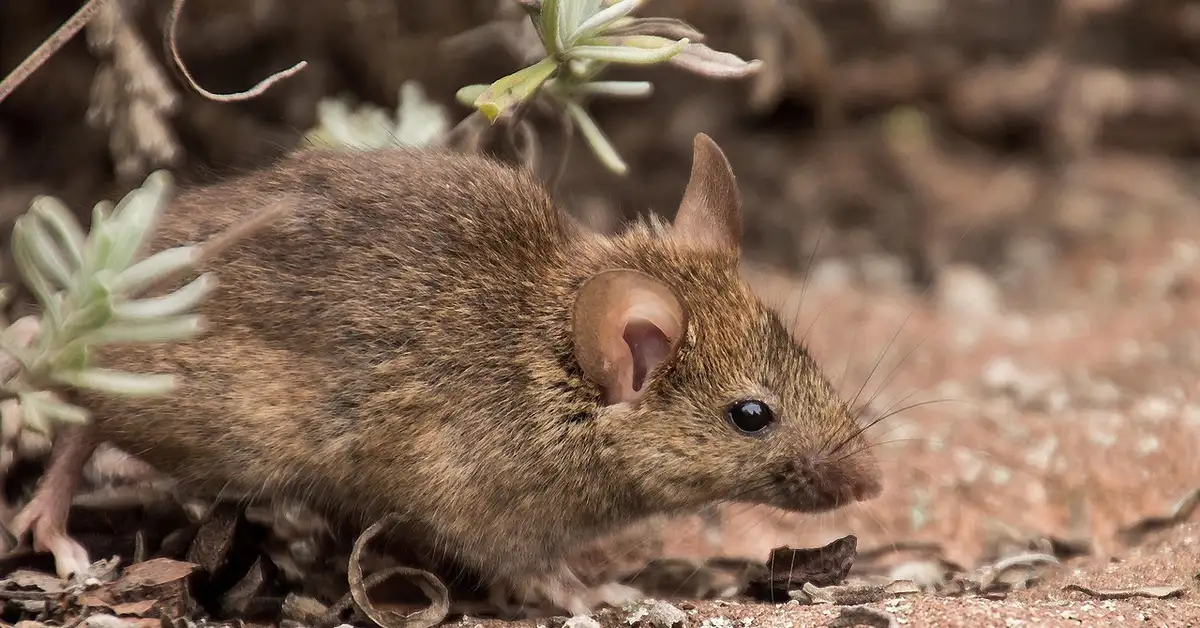
Immediate Symptoms of Soap Poisoning in Mice
You might notice your mouse acting strangely within minutes of encountering the soap. Watch for sudden changes in behavior like excessive drooling or repeated pawing at the mouth, as these are classic signs of oral irritation from the harsh chemicals.
- Excessive drooling or wetness around the chin and chest
- Pawing persistently at the mouth and face
- Lethargy and a sudden lack of interest in surroundings
- Unusual squeaking or vocalizations that sound distressed
- Loss of appetite and refusal of favorite treats
Digestive Problems and Gastrointestinal Distress
The detergents and synthetic fragrances are incredibly harsh on a mouse’s delicate digestive system. Soap doesn’t just pass through harmlessly; it strips the natural lining of the gut, leading to painful cramping and poor nutrient absorption. From my experience, even a tiny nibble can upset their stomach for days.
- Diarrhea or unusually soft, watery droppings
- A visibly bloated or tense abdomen indicating gas and cramping
- Dehydration from fluid loss, which you can check by gently pinching the skin on their scruff
- Straining or appearing to be in pain when defecating
Serious Complications from Soap Ingestion
While many mice recover with support, the risk of severe illness is very real. Chemical pneumonia is a dangerous possibility if soap particles are inhaled during the encounter, which requires immediate veterinary intervention. The long-term effects can include lasting damage to the kidneys and liver as their small bodies work to filter out the toxins.
- Chemical aspiration pneumonia leading to labored breathing
- Kidney or liver damage from processing the synthetic compounds
- Severe dehydration and electrolyte imbalance from persistent diarrhea
- Neurological symptoms like tremors or seizures in extreme cases
Recognizing Soap Poisoning in Your Pet Mouse
Trust your instincts—you know your mouse’s normal behavior better than anyone. A healthy mouse is a creature of habit, so any deviation from their usual routine, especially after a potential exposure, should be taken seriously. I once noticed my mouse, Kenny, was uncharacteristically quiet and hiding, which was my first clue something was wrong. Use a short Tell if your Mouse is Happy behavior checklist to track signs like activity level, eating, grooming, and social interaction. Regularly checking these items makes it easier to notice when something’s off.
- Monitor their energy levels; a playful mouse becoming listless is a major red flag.
- Check their food and water consumption overnight; a full dish in the morning is concerning.
- Observe their posture; a mouse hunched in a ball is often a mouse in pain.
- Listen for any wheezing, clicking, or other new sounds from their breathing.
What to Do If Your Mouse Eats Irish Spring Soap
Immediate First Aid Steps
Stay calm—your mouse will pick up on your anxiety. Your first priority is to gently remove any soap residue from their fur and mouth using a soft, damp cloth with warm water. Do not induce vomiting, as this can cause further irritation or aspiration. When cleaning the area, use mild, pet-safe cleaners and avoid bleach, ammonia, or other strong chemicals that can harm small animals. Rinse surfaces thoroughly and keep your mouse away until everything is dry and free of fumes.
- Confine your mouse to a safe, familiar carrier or small enclosure to limit their movement and allow for close observation.
- Provide a fresh, shallow dish of water to encourage drinking and help flush their system.
- Offer a simple, familiar food like a plain cooked oat or a piece of their regular lab block.
- Keep them in a warm, quiet, and dimly lit space to reduce stress while you assess the situation.
When to Contact a Veterinarian
Do not wait to see if symptoms develop. If you know or strongly suspect your mouse has ingested soap, contacting a veterinarian who sees small animals is the safest course of action. Be ready to describe the type of soap and approximately how much you think they consumed.
- Contact a vet immediately if you observe any breathing difficulties, seizures, or extreme lethargy.
- Schedule a visit if symptoms like diarrhea or loss of appetite persist for more than a few hours.
- Even with mild symptoms, a call for professional advice is always warranted for such a small animal.
Veterinary Treatment for Soap Ingestion
A vet will provide targeted care that you cannot replicate at home. Treatment often involves subcutaneous fluids to combat dehydration and medications to protect the stomach lining and control nausea. In more severe cases, they may administer activated charcoal to bind any remaining toxins.
- Subcutaneous or intravenous fluid therapy to support hydration and organ function.
- Prescription gastro-protectant medications to soothe the irritated digestive tract.
- Pain management to keep your pet comfortable during recovery.
- Nutritional support with critical care formulas if your mouse is not eating on its own.
Preventing Accidental Soap Exposure in Pet Mice
Keeping your curious companions safe from household hazards requires a bit of foresight. Mice are natural explorers and will investigate anything new with their mouths, making proactive prevention your most powerful tool. A moment of oversight can lead to a nibble on something dangerous. When children handle pet mice, adult supervision and brief, gentle handling sessions help prevent stress and accidental bites. Teach kids to cup mice softly, avoid sudden movements or squeezing, and always wash hands after handling.
Secure Storage Solutions
Think like a mouse for a moment. They are excellent climbers and can squeeze through surprisingly small gaps. Storing soap on a high, open shelf isn’t enough.
- Use sealed plastic containers with secure lids for all soaps and cleaning supplies.
- Designate a specific cabinet for these items, and consider using a child-proof latch if your mouse is a particularly clever escape artist.
- Never store soap near your mouse’s food, treats, or cage supplies to avoid any cross-contamination or mistaken identity.
Strategic Cage and Play Area Placement
Where you place your mouse’s home and their free-roam space is critical. Selecting the right location for your mouse’s cage is just as important. Bathrooms and laundry rooms are high-risk areas.
- Position the cage in a room where soaps and detergents are not used or stored.
- During out-of-cage playtime, thoroughly inspect the area beforehand for any dropped soap slivers or air freshener bars.
- I always do a quick visual sweep of the floor before letting my mice, like the ever-inquisitive Kenny, out for a run. It takes seconds and offers immense peace of mind.
The Irish Spring Soap Repellent Myth and Your Pet Mice
You may have heard the old gardening tip that Irish Spring soap repels pests like mice and deer. While this might be a folk remedy for wild rodents, it is a dangerous misconception to apply to pet mice. People sometimes place bars of Irish Spring in cages or nesting areas hoping the scent will keep rodents away. However, the strong fragrances and chemicals in the soap can irritate or harm small pets, so never use it around pet mice.
The strong scent and taste that supposedly deter wild animals are the very things that can cause severe internal distress for a captive-bred pet. Your domestic mouse lives in a very different world from a wild one, with a sensitive digestive system adapted to a controlled diet.
Why This “Solution” is a Problem
Irish Spring soap is not food. Its formula includes detergents, synthetic fragrances, and other chemicals never intended for ingestion.
- Digestive System Damage: Soap is designed to break down oils and can cause significant irritation, inflammation, or even ulcers in a mouse’s delicate stomach and intestines.
- Toxic Ingredients: The specific fragrance compounds and preservatives can be toxic, overwhelming a tiny mouse’s liver and kidneys.
- Respiratory Irritation: The potent smell isn’t just strong to us; it can irritate your mouse’s sensitive respiratory system, potentially leading to breathing issues.
A Personal Perspective on “Natural” Deterrents
In my years of caring for mice, I’ve learned that what works in a field does not translate to a living room habitat. My mouse Gregory, who is usually very calm, becomes visibly agitated and sneezes when exposed to strong artificial scents. Trust the safe, proven methods of mouse-proofing your home instead of relying on products that pose a direct health risk to your pet. Their well-being is far too precious for such a gamble. When tackling mouse odor at home, opt for gentle, pet-safe approaches like frequent cage cleaning, good ventilation, and unscented, absorbent bedding. These simple steps help control smells without exposing your pet to irritating fragrances.
Frequently Asked Questions
Do mice like to eat Irish Spring soap?
Mice do not typically like to eat Irish Spring soap due to its strong fragrance and unnatural texture, which they find unappealing. Their initial nibble is often driven by curiosity rather than a desire to consume it, and they usually avoid further ingestion after a quick taste. However, mice commonly gnaw on many objects because their incisors grow continuously, and chewing helps wear the teeth down. This need to file their teeth explains why they may bite unfamiliar items like soap even if they won’t actually eat them.
Does Irish Spring soap attract mice?
No, Irish Spring soap does not attract mice; in fact, the potent synthetic scents and chemicals tend to repel them. While some people use it as a folk remedy to deter wild rodents, it is not an effective or safe method for pet mice, as exposure can lead to health risks without providing any benefit. Similarly, strong-smelling products like Vicks VapoRub are sometimes suggested as DIY rodent deterrents, but there’s little reliable evidence that Vicks repels or kills mice, and its ingredients can be harmful to pets if misused.
What are the immediate effects if a mouse eats Irish Spring soap at home?
If a pet mouse eats Irish Spring soap in a home environment, immediate effects can include oral irritation, excessive drooling, and signs of distress like pawing at the mouth. These symptoms arise from the soap’s harsh ingredients irritating their digestive tract, and quick action is needed to prevent further issues such as dehydration or gastrointestinal blockages.
Your Path Forward
While a tiny nibble of Irish Spring soap is unlikely to cause a major crisis, it is unequivocally not a safe or recommended treat for your curious companion. The detergents and artificial fragrances can irritate their delicate digestive systems, making it a risk that simply isn’t worth taking for a moment of rodent curiosity.
Your awareness and proactive care are the greatest tools you have to keep your tiny friend healthy and happy. By focusing on a proper diet, providing plenty of safe enrichment, and mouse-proofing their play areas, you can confidently steer them away from household hazards and toward a long, vibrant life.
Further Reading & Sources
- Two Men and a Little Farm: IRISH SPRING SOAP FOR MICE
- | Irish Spring Soap to Repel RodentsMy Useful Ideas.com
- How to Repel Mice with Irish Spring Soap – The Homespun Hydrangea
Isabella is a passionate small pet enthusiast with over 8 years of experience in caring for mice. She loves sharing practical tips and heartfelt stories to help fellow mouse owners provide the best care for their tiny companions.
Household Hazards