
Where Should Your Pet Mouse Journey Begin?
Staring at the possibilities, do you feel a little overwhelmed deciding where to find your new tiny friend?
This guide will walk you through the distinct paths of breeders, rescues, and pet stores, giving you the clarity to make a choice you feel good about. We’ll cover the key differences in ethics, health considerations, and long-term costs for each option.
Understanding Your Options for Bringing Home a Pet Mouse
Each path to mouse ownership offers a different experience. Your choice will shape your first weeks together and the long-term relationship you build.
Pet Stores
Walking into a large chain pet store is the most common way people find their first mouse. The appeal is immediate availability and convenience. You can often bring your new friend home the same day.
You’ll typically find young, healthy-looking mice that are easy to handle right away. Many of my first mice came from pet stores, and they were wonderful companions. But there are significant trade-offs to consider.
- Unknown genetic history and potential for inherited health issues
- Limited information about their early socialization
- Often housed in single-sex groups, but mistakes can happen
- Support for new owners varies dramatically by store
Breeders
Mouse breeders represent the premium end of the acquisition spectrum. These are enthusiasts dedicated to specific lineages, colors, and temperaments. If you want to understand fancy mouse breeds, breeders are an invaluable resource for learning about breed standards, genetics, and care. Visiting shows or talking with breeders provides practical insight into the differences between varieties.
I’ve visited breeders whose mice live in elaborate, enriched setups far beyond standard cages. A quality breeder knows each mouse’s personality and can help you select the perfect match for your home. An ethical breeder also prioritizes health, temperament and humane husbandry, and will be transparent about lineage and care. You’re not just buying a pet; you’re gaining a resource.
- Predictable size, temperament, and health profile
- Extensive knowledge about the mouse’s lineage and care
- Often handle babies from a young age for superior socialization
- Rarer colors and varieties not found elsewhere
Rescues and Shelters
Rescue mice are the hidden gems of the rodent world. These are animals surrendered by owners or saved from less-than-ideal situations.
My mouse Gregory came from a rescue, and his grateful, gentle nature is something special. Adopting a rescue mouse directly saves a life and opens a cage space for another animal in need. The process requires more patience but offers immense rewards.
- Typically lower adoption fees that include initial vet care
- The profound satisfaction of providing a second chance
- Rescue staff often have deep knowledge of each mouse’s true personality
- Adult mice have established behaviors, so what you see is what you get
What to Consider Before You Choose Where to Get Your Mouse
Your Goals for Mouse Ownership
Be honest with yourself about what you want from this relationship. Your intentions should guide your source.
If you dream of a handleable, outgoing mouse that interacts with you daily, a breeder or a well-socialized pet store mouse might be your best fit. You’re prioritizing predictable temperament and early human contact.
For those who find joy in observation-watching natural behaviors in a complex habitat-a rescue mouse can be perfect. Many are slightly older and less skittish, content to be the stars of their own enclosure-based ecosystem.
If your primary goal is companionship for a current lone mouse, temperament matters most. Some rescues will even facilitate “mouse dates” to ensure a good match, a service I wish was more widely available. Whether you keep a solitary mouse or add companions depends on that individual’s social needs and on careful introductions. The single mouse vs group social needs guide can help you decide and walk you through safe introduction steps.
Location and Availability Near You
Your geographic reality plays a huge role in this decision. Your ideal source might not be nearby.
Major chain pet stores exist nearly everywhere, but their mouse quality varies by location. I’ve visited stores with vibrant, healthy mice and others where the animals seemed stressed. Always assess the conditions in your local store. Watch for red flags like lethargy, runny eyes or nose, patchy fur, labored breathing, or dirty, overcrowded cages. If you see any of these, ask staff about the mouse’s health or choose a different store.
Mouse breeders can be scarce. You might need to drive a few hours, which adds stress for both you and the mouse on the journey home. Check regional rodent enthusiast groups online to find reputable breeders near you.
Small animal rescues are more common in metropolitan areas. While not every shelter has mice, many work with foster networks that can connect you with adoptable animals. Rural areas might require more digging to find rescue options.
Your local ecosystem matters. In some regions, pet stores are the only realistic option. In others, you’ll have the luxury of choice between all three sources. Wherever you land, your commitment to proper care matters most.
Getting Your Pet Mouse from a Breeder

What You Get from a Reputable Mouse Breeder
Choosing a breeder means you often receive mice with detailed health histories and predictable temperaments. Breeders typically focus on specific lineages, which can reduce surprises in behavior or lifespan. You gain a mouse bred for robust health and a friendly disposition, often hand-raised for socialization. Many provide pedigrees, showing generations of careful selection. I’ve found that mice from breeders, like my own Kenny, tend to adapt quickly to handling because they’re accustomed to human interaction from a young age.
- Known genetic background reducing hereditary issues
- Early socialization leading to tameness
- Ongoing support and advice from the breeder
- Access to rare colors or varieties not found elsewhere
Potential Drawbacks of Breeders
Breeders can be pricey and may have long waiting lists for popular types. Some operate on a small scale, making it hard to find one nearby. You might face higher initial costs and limited availability compared to other sources. There’s also the risk of supporting irresponsible breeding if you don’t vet carefully, though I always emphasize checking for ethical practices.
- Higher purchase price than rescues or pet stores
- Possible travel distances to visit the breeder
- Limited selection if breeding cycles are infrequent
How to Find and Vet a Mouse Breeder
Start by searching online forums or rodent enthusiast groups for recommendations. Look for breeders who openly share their practices and invite questions. Ask to see their facility or photos of living conditions to ensure cleanliness and space. Inquire about health screening and how they handle sick animals. I always check for transparency-good breeders welcome your curiosity.
- Research online reviews and rodent-specific websites
- Contact local veterinary offices for referrals
- Visit in person or request a video tour of the environment
- Ask about diet, socialization, and health guarantees
Breeder Costs and What’s Included
Prices range from $15 to $50 per mouse, depending on rarity and breeder reputation. This often covers a health check, initial vaccinations if applicable, and a starter care guide. Many breeders include a small bag of the food the mouse is used to, easing the transition to your home. Some may offer a short-term health guarantee, which provides peace of mind. In my experience, the extra cost can mean fewer vet visits down the line. For a better understanding of ongoing costs, be sure to check out the true cost of owning a pet mouse, including both initial setup and ongoing expenses.
- Average cost: $20-$40 per mouse
- Includes health documentation and care advice
- Possible extras like carrier or familiar bedding
Adopting Your Pet Mouse from a Rescue
Benefits of Choosing Mouse Rescue
Rescue adoption saves lives and gives a second chance to animals in need. These mice are often already socialized and may come with some training. You provide a home to a mouse that might otherwise be overlooked, and many rescues offer low-cost spay/neuter services. I’ve adopted mice like Gregory, who turned out to be incredibly affectionate after a rough start. It’s rewarding to see them thrive in a caring environment. Sometimes rescues bring in orphaned pups who need extra care, so knowing how to raise orphaned mouse pups can make a big difference. Proper hand‑rearing helps them stay healthy and become well‑adjusted pets.
- Lower adoption fees, usually $5-$20
- Mice are often vet-checked and treated for common issues
- Support from rescue staff on integration and care
Challenges with Rescue Adoption
Rescue mice might have unknown backgrounds, leading to potential health or behavioral surprises. Some require extra patience to build trust if they’ve had negative experiences. You may need to invest more time in socialization and health monitoring initially. Availability can vary, and you might not find specific breeds or ages easily.
- Possible hidden health problems from past neglect
- Longer adjustment period for shy or traumatized mice
- Limited choice in colors or types
What to Expect from the Rescue Adoption Process
The process usually involves an application, interview, and sometimes a home check to ensure a safe environment. Rescues prioritize matching mice with suitable homes, so be prepared to discuss your experience and setup. You’ll likely receive guidance on diet, housing, and introductions to other pets. I’ve found it helpful to be honest about your lifestyle-it ensures a better fit for both you and the mouse.
- Fill out an adoption application with personal details
- Participate in a phone or in-person interview
- Allow a home visit if requested by the rescue
- Pay the adoption fee and receive care instructions
Finding Mouse Rescues in Your Area
Search online using terms like “small animal rescue” or “rodent sanctuary” along with your city name. Check social media groups dedicated to pet adoption. Local veterinary clinics often have lists of reputable rescues they work with. Don’t forget to look at general animal shelters, as they sometimes have mice needing homes. In my area, I’ve connected with rescues through community boards and word-of-mouth.
- Use Petfinder or similar adoption websites
- Contact humane societies and SPCA chapters
- Join online forums for rodent enthusiasts
Buying Your Pet Mouse from a Pet Store
Advantages of Pet Store Mice
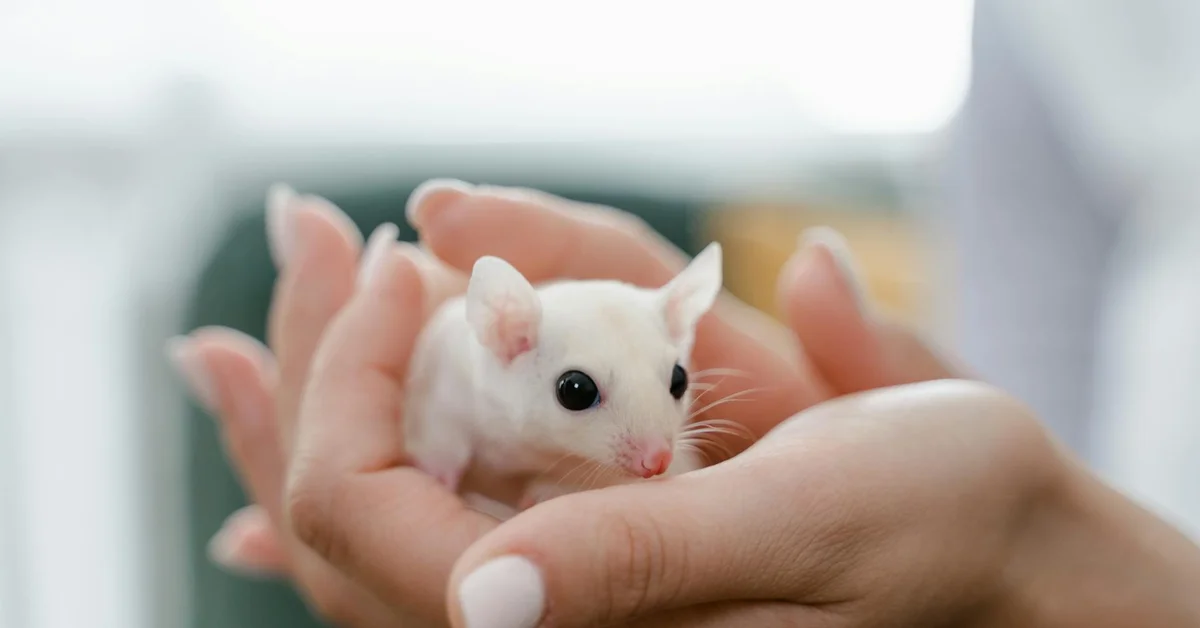
Pet stores offer convenience and immediate availability, often with a wide selection of young mice. You can bring a mouse home the same day, which is ideal if you’re eager to start your pet journey. Many stores provide basic supplies nearby, making setup straightforward. I’ve picked up mice like Jeffery from stores when I needed a quick addition to my group, and he settled in well with proper care.
- Easy access and multiple locations
- Variety of ages and colors to choose from
- One-stop shopping for cages and food
Downsides of Pet Store Purchases
Mice from pet stores may come from large-scale breeders with less focus on health and socialization. You risk bringing home a mouse with underlying illnesses or stress-related behaviors. Lack of individual attention can lead to skittishness or difficulty bonding. I always advise a thorough health check soon after purchase to catch issues early. These factors should be weighed when considering the pros and cons of pet mice. While mice can be affectionate and low-maintenance, health and socialization concerns are common drawbacks.
- Higher likelihood of respiratory infections or mites
- Limited information on genetics or background
- Potential support for poor breeding practices
How Much Mice Cost at Pet Stores
Prices are generally low, ranging from $5 to $15 per mouse. This typically includes the animal only, without extras like health checks or supplies. Budget for additional expenses like a proper cage, bedding, and vet visits, as store-bought mice often need more initial care. In my experience, the low upfront cost can be misleading if health problems arise, especially when factoring in veterinary expenses for pet mice.
- Average price: $8-$12 per mouse
- No included health guarantees or support
- Extra costs for essentials not bundled in
Making the Best Pet Store Purchase
Observe the mice closely for signs of health, such as bright eyes and clean fur. Ask staff about their source and care routines. Choose a mouse that appears active and curious, avoiding any that seem lethargic or have discharge around the nose. Quarantine new arrivals from existing pets for at least two weeks to prevent disease spread. I always handle the mouse gently in the store to gauge its temperament before deciding. This is just one step in how to check mouse health at home.
- Check for clear eyes, clean ears, and smooth breathing
- Inquire about the store’s supplier and return policy
- Select during quieter hours to reduce stress on the mouse
- Plan for a vet visit within the first week
Comparing Your Three Options Side by Side
Which Source Is Right for Your Situation
Choosing where your mouse comes from is a deeply personal decision. There isn’t one perfect answer for everyone; it depends on your goals, your experience level, and what you hope to gain from the relationship.
This quick-reference table can help you weigh the core differences.
| Factor | Breeder | Rescue/Adoption | Pet Store |
|---|---|---|---|
| Health History | Mostly known; lineage often tracked. | Varies; may have unknown background or health issues. | Largely unknown; high risk of respiratory illness. |
| Average Cost | Highest ($15-$40 per mouse). | Lowest (often a small donation fee). | Low ($5-$15 per mouse). |
| Socialization | Usually well-handled from birth. | Varies from very shy to very friendly. | Minimal handling; often fearful. |
| Support & Knowledge | High; breeder is a dedicated resource. | High; rescue staff know the individual mouse. | Low; general pet care advice only. |
| Availability | Low; may require being on a waitlist. | Moderate; depends on local intakes. | High; almost always available. |
So, which path should you take?
- Choose a Breeder if: You have your heart set on a specific color, coat type, or fancy variety. You want the most predictable health and temperament outcome, and you value having an expert on call.
- Choose a Rescue if: Your primary goal is to provide a loving home to a mouse in need. You’re prepared for potential behavioral or health challenges and find deep reward in offering a second chance.
- Choose a Pet Store if: This is your only local option and you have done your research to provide excellent care. You are ready for a quarantine period and potential vet visits right away.
Preparing for Your New Mouse Regardless of Source
Essential Supplies for Your Pet Mouse Starter Kit
No matter where your new friend comes from, their basic needs are the same. Having everything ready before they arrive turns a stressful transition into a calm settling-in period.
- A Spacious Tank or Cage: Aim for a minimum of 10 gallons per mouse, but more is always better. My trio, Kenny, Gregory, and Jeffery, thrive in a large 20-gallon tank. Bar spacing must be 1/4 inch or less to prevent escapes.
- Safe Bedding: Paper-based or aspen wood shavings are my top choices. Avoid cedar and pine, as the phenols in the wood can cause serious respiratory problems.
- Hideouts & Enrichment: Mice feel secure with multiple places to hide. Provide small cardboard boxes, coconut huts, and commercial hides. Add a solid-surface exercise wheel (8+ inches), tunnels, and climbing ropes.
- Food & Water: A high-quality lab block or seed mix formulated for mice provides balanced nutrition. Use a shallow, tip-proof ceramic dish for food and a water bottle with a metal spout.
- Chew Toys: Their teeth never stop growing! Untreated wood blocks, loofahs, and Whimzees dental chews are favorites in my cage.
Setting Up Before Bringing Your Mouse Home
Setting up the habitat a day or two in advance lets you perfect the layout without pressure.
- Deep Clean the Enclosure: Wash the tank or cage with a mild, pet-safe soap and water. Rinse thoroughly and let it dry completely.
- Create a Deep Bedding Layer: Spread 2-3 inches of bedding across the entire floor. This allows for natural burrowing behavior, which is a huge source of mental stimulation.
- Arrange the Furniture Strategically: Place hideouts and the food dish on one end. Put the water bottle and wheel on the opposite end. This encourages exploration and creates distinct activity zones.
- Do a Safety Check: Look for any sharp plastic edges, gaps in the lid, or unstable structures that could collapse. A secure home is a safe home.
- Place the Habitat: Position the cage in a quiet area away from direct sunlight, drafts, and loud noises like televisions. A calm environment helps a new mouse feel at ease.
Bringing Your Mouse Home: First Days and Beyond
Watching for Health Issues in Your New Mouse
The first week is a critical observation period. Stress from moving can make underlying conditions apparent. Keep interactions minimal and just watch.
- Listen to Their Breathing: A healthy mouse is a quiet mouse. Any audible clicking, wheezing, or labored breathing is a red flag for a respiratory infection, the most common mouse ailment.
- Check Their Eyes and Nose: Eyes should be bright, clear, and fully open. Crusty or red eyes, or a red discharge around the nose and eyes (called porphyrin), signal illness.
- Observe Their Energy and Posture: A healthy mouse will explore, groom, and eat. A hunched posture, puffed-up fur, or extreme lethargy are signs something is wrong.
- Monitor Their Eating and Drinking: You might not see them eat at first, but check if food is disappearing from the dish. Ensure the water bottle is working by testing it with your finger.
Trust your instincts-you know a healthy, active animal when you see one. Any deviation from normal, curious behavior warrants a call to your veterinarian. Having a vet lined up who sees “pocket pets” is one of the most important preparations you can make.
Frequently Asked Questions
Are breeders cheaper than pet stores?
No, breeders are generally not cheaper than pet stores. Breeders typically charge between $15 and $50 per mouse due to the costs of ethical breeding, health screening, and socialization. In contrast, pet store mice often range from $5 to $15, but this lower upfront cost may not include health guarantees or support, potentially leading to higher vet expenses later.
How to find mice breeders?
Start by searching online rodent enthusiast forums, social media groups, or websites dedicated to small animal breeding for recommendations. You can also ask local veterinary clinics that treat exotic pets for referrals, as they often know reputable breeders in your area. Always vet breeders by requesting facility tours or photos to ensure clean, humane conditions and ask about their health and socialization practices.
Why are breeders better than pet stores?
Breeders often provide mice with known genetic backgrounds, reducing the risk of hereditary health issues and offering predictable temperaments. They also typically handle mice from a young age, resulting in better socialization and easier bonding, along with ongoing care advice that pet stores rarely match. This focus on quality and support can lead to a healthier, more well-adjusted pet compared to the unknown origins and potential stress-related problems in pet store mice.
Your Mouse Awaits
Choosing where to get your mouse is a personal decision that balances your hopes with practical realities. Rescues offer a profound chance to give a second home, breeders provide predictability and support, and pet stores deliver immediate access. There is no single correct path, only the one that feels right for your situation.
The most critical factor isn’t where your mouse comes from, but the loving home you provide next. Your thoughtful choice is the first step in a wonderful journey. Get your cage ready, pick out some fun treats, and prepare for the tiny, delightful personality that is about to enter your life.
Further Reading & Sources
- Mouse care | Animal Humane Society
- Pet Mouse Care Sheet: Habitat, Diet, and Behavior | PetMD
- How to Care for a Pet Mouse
Isabella is a passionate small pet enthusiast with over 8 years of experience in caring for mice. She loves sharing practical tips and heartfelt stories to help fellow mouse owners provide the best care for their tiny companions.
Pet Mice 101