
Bathtub Bonding: A Gentle Method for Taming Your Pet Mice
Do your pet mice dart away or freeze up when you try to interact, making you wish for a calmer connection? As someone who’s shared my home with many mice over the years, I understand that feeling of wanting a trusting bond. This guide will walk you through the bathtub bonding technique, a method I rely on to help mice feel secure and build a positive relationship with their human.
You’ll find clear, practical advice on setting up a safe and neutral bathtub environment to reduce stress, executing gradual, patient bonding sessions that respect your mouse’s pace, and recognizing and responding to your mouse’s unique personality cues for better results.
What Is Bathtub Bonding for Mice?
Bathtub bonding is a hands-off taming technique where you interact with your mice in a large, empty, and enclosed space like a dry bathtub. The core idea is to let the mice approach you on their own terms, building trust without the pressure of being held. You become a safe, interesting part of their environment rather than a giant hand descending from the sky.
Why the Bathroom Works as a Calm Environment
The bathroom offers a unique combination of features that make it ideal for nervous rodents. The enclosed walls prevent frantic escapes and make the area feel secure. Unlike a living room, there are no dark gaps under sofas or behind bookshelves for a frightened mouse to vanish into. The smooth, hard surfaces are easy to clean and don’t hold distracting food smells from previous sessions. I’ve found the simple, neutral space helps my more anxious mouse, Jeffery, focus entirely on me instead of potential hiding spots. This approach is especially helpful when dealing with fear and anxiety in mice, as it minimizes environmental stressors.
What Bathtub Bonding Kits and Tape Actually Are
Don’t be intimidated by the term “kit”-it’s not something you buy. A bathtub bonding kit is simply a collection of items you bring into the tub to facilitate positive interactions.
- A thick towel or small blanket to cover the hard tub bottom, providing comfort and traction.
- A variety of high-value treats, like a tiny piece of scrambled egg or a sunflower seed.
- Your own “tools”: your empty hands, and perhaps a toilet paper tube for the mice to investigate.
- Masking tape or painter’s tape is sometimes used to create a temporary, shallow barrier or a simple maze on the tub floor. The tape is only a visual guide and is never sticky-side-up; it peels off easily without leaving residue.
When to Use Bathtub Bonding for Your Mice
This method is incredibly versatile, but it shines brightest in specific situations. It’s my go-to strategy for building a foundation of trust with any new or skittish mouse. In the complete guide to taming a scared, skittish mouse, you’ll find step-by-step instructions and timelines to apply this approach safely. It also covers pacing, reading body language, and using gentle rewards to reinforce progress.
- For brand new mice: Start with bathtub sessions during their first week home. It allows them to learn your scent and voice in a neutral territory away from their cage.
- For naturally shy or anxious individuals: If you have a mouse like my Jeffery, who startles easily, the controlled bathtub environment prevents panic and builds confidence gradually.
- After a long break in handling: If you or your mice have been sick, or life got busy, a few bathtub sessions can gently re-establish your bond.
- To deepen an existing bond: Even my bold explorer, Kenny, enjoys the undivided attention and novel treats that a tub session provides.
This method is less about forcing interaction and more about creating an invitation for trust to grow. You are not the pursuer; you are the patient, interesting landmark in their new world. This slow approach helps shape positive social behavior and can influence mate choice. Over time it supports healthier group dynamics and reproductive outcomes. Avoid using this method if your mice are actively ill or showing signs of severe, unrelenting stress, as they need quiet and stability first.
Gathering Your Bathtub Bonding Supplies
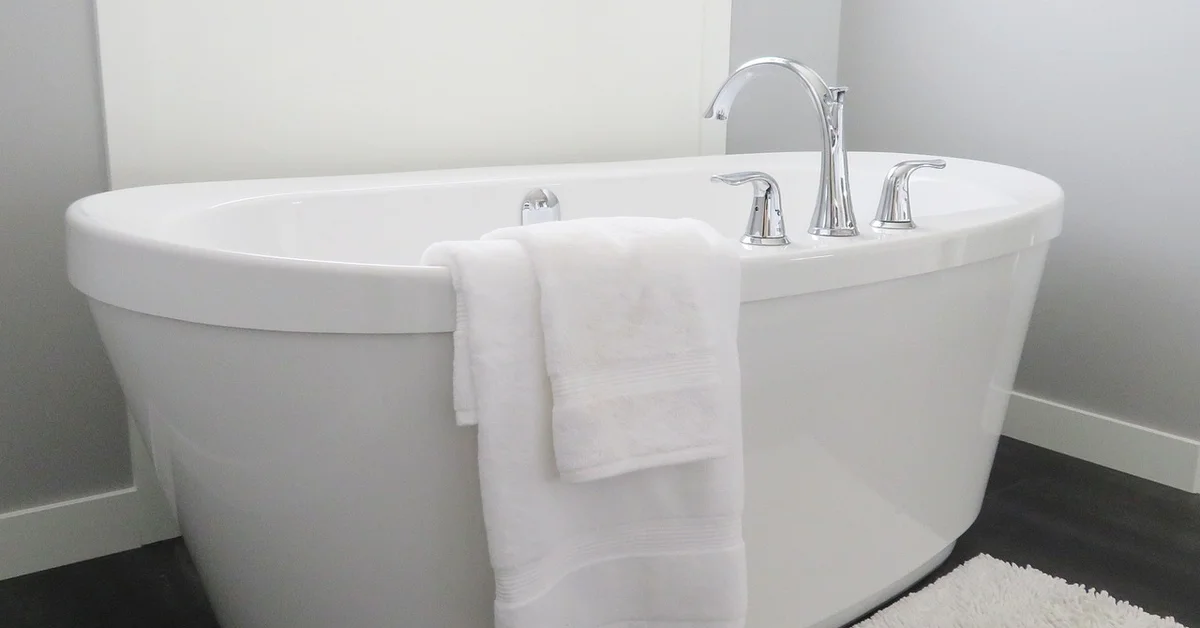
Before you begin, having the right tools within arm’s reach transforms a potentially stressful event into a smooth, positive experience for you and your mouse. Preparation is the silent partner to successful bonding, creating a calm environment where trust can flourish.
- A clean, dry bathtub or a large, shallow plastic storage bin.
- A soft, old towel or a small fleece blanket to cover the hard, slippery surface.
- A generous supply of high-value treats. I swear by sunflower seeds for my bold Kenny and tiny berry pieces for my more timid Jeffery.
- A small cardboard tube or a little hideout, like a tissue box, to provide a safe retreat.
- A quiet, dimly lit room where you won’t be interrupted for at least 20-30 minutes.
Setting Up Your Bonding Space Safely
The bathtub itself is just a container; your job is to turn it into a sanctuary. A properly prepared space tells your mouse they are secure, allowing their natural curiosity to override their fear. Safety is not just about preventing escapes; it’s about crafting an atmosphere where a tiny creature feels bold enough to explore.
- Ensure the bathtub or bin is completely dry and the drain is securely plugged.
- Lay down the towel or fleece blanket to create a warm, non-slip floor. This provides crucial traction for their tiny feet.
- Place the cardboard tube or hideout in one corner, giving them an obvious “safe zone.”
- Double-check the room is free from loud noises, other pets, and strong drafts.
- Sit on the floor beside the tub to make yourself less intimidating, and have your treat container open and ready.
How to Conduct Bathtub Bonding Sessions
Bathtub bonding is a gentle progression, a story you write together one chapter at a time. Rushing the process can shatter the fragile trust you’re trying to build. Patience is your most valuable tool, more than any treat or toy you can offer.
Session 1: Introduction and Scent Familiarization
The goal of this first meeting is simple: let your mouse discover you are not a threat. Your presence is the main event. In this initial session, your only job is to be a calm, non-reactive statue that occasionally produces wonderful smells and sounds.
- Gently place your mouse in the center of the prepared tub.
- Sit quietly and let them explore. Do not move your hands toward them.
- Speak to them in a soft, steady voice, using their name frequently.
- After a few minutes, gently place a few treats near them, but not so close as to startle them.
- End the session after 10-15 minutes, regardless of their behavior.
Session 2-4: Hand Presence and Treat Offering
Now we introduce your hand as a neutral, and eventually positive, object. My mouse Gregory, who is naturally cautious, needed all four of these sessions before he would even consider approaching my fingers. Your motionless hand becomes a landmark in their new world, a place they learn is associated with good things.
- Begin by resting your open hand, palm down, flat on the towel far from the mouse.
- Place treats progressively closer to your hand with each session.
- Eventually, place a treat directly on your open palm. Do not flinch when they take it.
- Resist the urge to pet them. Let them investigate you on their terms.
Session 5+: Gentle Handling and Trust Building
This is where the real connection happens. Your mouse now knows your hand brings treats; now they must learn it also brings safety. The first time a mouse willingly steps onto your hand is a moment of pure magic, a silent agreement of mutual trust. Mice can learn to recognize their owners by scent, voice and regular handling. Those gentle hops and calm visits are not just trust—they often mean your mouse knows you.
- Lure them onto your open palm with a treat. Let them sit there and eat it.
- Once they are comfortable, try slowly lifting your hand an inch off the ground for a second.
- Progress to gently scooping them up with two hands, forming a “mouse cup.”
- You can attempt short, gentle pets on their back while they are distracted with a treat.
Reading Your Mouse’s Body Language During Sessions
Your mouse is communicating constantly. Learning their unique language prevents setbacks and deepens your bond. Jeffery, for instance, has a specific, quick grooming motion when he’s feeling overwhelmed. Observing these subtle cues is like learning to listen with your eyes, allowing you to respond to their needs before fear sets in. Yes — mice do communicate, not only with squeaks but with scent, posture and tiny behaviors like grooming. Recognizing these signals answers the common question “do mice communicate” and helps you respond more effectively.
- Relaxed and Curious: Ears up, whiskers twitching, moving with slow, investigative hops. This is your green light to continue the session.
- Nervous or Stressed: Freezing in place, rapid grooming, or puffing up their fur. This is a sign to pause, speak softly, and maybe offer a distant treat.
- Fearful or Defensive: Loud, repeated squeaking, attempting to hide, or showing a hunched back. This is a clear red light to end the session gently and try again later.
How Long Does Bathtub Bonding Take?
Patience is your most vital tool. The timeline for bathtub bonding is as unique as each mouse’s personality, spanning from a few days to several weeks of consistent sessions. My young, impulsive Kenny was confidently climbing onto my hand within three sessions, while my more cautious, older mouse Gregory required nearly three weeks of gentle, daily encouragement. A general rule is that younger mice often adapt faster, but their skittish nature can also mean more setbacks. Plan for short, daily sessions of 10-15 minutes. You are building a foundation of trust, and that cannot be rushed. The goal is not a single “tamed” moment, but a gradual shift from fear to curiosity.
Troubleshooting Stressed or Fearful Mice

When Bathtub Bonding Isn’t Working
Sometimes, despite your best efforts, a mouse remains visibly stressed. Recognizing the signs is the first step to helping them. Look for rapid, frantic running with no exploration, constant freezing in one spot, or excessive, high-pitched squeaking. If you see these, your mouse is telling you they are overwhelmed. Refer to the “Signs of Stress in Mice” visual behavioral guide for photos and clear steps to help a distressed mouse.
My mouse Jeffery, who is naturally anxious, taught me the importance of scaling back. Here is what you can do:
- Shorten the sessions dramatically. Even five minutes is enough.
- Sit perfectly still and avoid making direct eye contact, which can feel predatory.
- Speak in a very soft, low, and steady voice-I found a calming monologue about my day worked wonders.
- Place a small cardboard hide or empty toilet paper tube in the tub. This gives them a safe retreat while still being in your presence.
The most critical thing is to never force an interaction; let the mouse’s comfort level dictate the pace of your progress. If they spend the entire session hiding, that’s okay. Their simple act of being in the same space as you is a form of bonding. For a particularly fearful mouse, you might simply sit with them in the tub for a week without expecting them to approach your hand. Consistency and a peaceful environment are your greatest allies in building a timid mouse’s confidence. It’s essential to understand whether your mouse is solitary or social, as this will influence their behavior and bonding process.
Making Bathtub Bonding More Effective
Bathtub bonding works best when you create a predictable and gentle routine that respects your mouse’s pace. Consistency in your approach helps build a foundation of trust that makes each session more productive. I’ve noticed with my own mice, like Kenny, that starting with brief, five-minute sessions prevents overwhelm and keeps their curiosity piqued.
- Schedule sessions at the same time daily to establish a reliable rhythm.
- Use high-value treats, such as sunflower seeds or small fruit bits, to reward calm behavior.
- Keep your movements slow and deliberate to mimic the steady demeanor of a calm mouse like Gregory.
- Introduce a small, familiar item from their cage, like a hideout, to provide a sense of security.
Observing your mouse’s body language tells you when to advance or pause. A relaxed mouse with ears forward and gentle sniffing is ready for more interaction, while one that freezes or tries to hide needs a break. Over time, this attentive tuning makes bonding feel like a shared adventure rather than a chore.
Health and Safety Considerations
Your mouse’s well-being is the top priority during bathtub bonding, so always check the environment for hazards. Ensure the bathtub is completely dry, free of soap residue, and has a non-slip surface to prevent slips or stress. I learned this the hard way when Jeffery, who’s naturally jumpy, once slid and became wary of sessions for days. Before a session, prepare your mouse by handling it gently and doing light grooming so it learns to expect calm, positive interactions. These steps—preparation, regular grooming and patient taming—help your mouse stay relaxed and perform its best.
- Wash your hands before handling to avoid transferring scents or germs.
- Maintain a quiet room to reduce startling noises that could spike anxiety.
- Avoid bonding if your mouse shows signs of illness, like lethargy or ruffled fur.
- Keep the water faucet off and any cleaning supplies out of reach to eliminate risks.
Monitor for signs of distress, such as rapid breathing or attempts to escape, and end the session gently if needed. Creating a safe space not only protects your mouse’s health but also deepens the trust between you. Knowing how to tell if your mouse is in pain is crucial for responsible pet care.
Moving Beyond Bathtub Bonding
Once your mouse is comfortable with bathtub interactions, gradually expand their experiences to other safe areas. Transitioning to a playpen or your lap helps generalize the trust you’ve built, making handling feel natural anywhere. Start by placing familiar items from the bathtub into the new space to ease the change.
- Begin with short explorations in a enclosed play area, using treats to encourage curiosity.
- Practice gentle handling outside the bathtub, like letting them climb on your hand while seated.
- Incorporate interactive toys or tunnels to keep sessions engaging and positive.
- Observe how each mouse adapts; for example, Gregory might prefer slower transitions, while Kenny dives in eagerly.
This progression reinforces the bond without relying on a single method. Your patience in these steps turns initial trust into a lasting companionship that enriches both your lives.
Frequently Asked Questions
What is bathtub bonding taming kit?
A bathtub bonding taming kit refers to a simple, DIY collection of items used to create a safe and engaging environment for taming sessions with your pet mice in a bathtub. It typically includes essentials like a soft towel for comfort, high-value treats to encourage positive associations, and small props like cardboard tubes to reduce stress. This kit isn’t something you purchase but rather assemble yourself to support gradual trust-building without overwhelming your mice.
What is bathtub bonding taming tape?
Bathtub bonding taming tape is a tool made from non-sticky masking or painter’s tape, used to create temporary visual barriers or simple mazes on the bathtub floor during taming sessions. It helps guide your mice’s exploration in a controlled way, encouraging curiosity and interaction without the risk of sticking or causing harm. Always ensure the tape is placed sticky-side down and removed easily after use to maintain a safe, residue-free space.
What is bathtub bonding taming method?
The bathtub bonding taming method is a gentle, hands-off approach where you interact with your mice in a neutral, enclosed space like a dry bathtub to build trust at their own pace. It involves gradual steps, starting with scent familiarization and progressing to hand presence and gentle handling, all while observing your mouse’s body language to avoid stress. This method emphasizes patience and consistency, helping shy or new mice feel secure enough to approach you voluntarily.
Your Journey with Bathtub Bonding
This method transforms a simple plastic tub into a sanctuary for building trust, where every quiet minute you spend together builds a bridge of friendship. You are not just taming a pet; you are learning their unique personality and communication style, creating a bond that goes beyond simple handling.
Remember that progress with mice is measured in small, precious moments, not in days or weeks. Some days will feel like a breakthrough, while others may seem quiet, but each session contributes to a foundation of mutual respect and affection that makes every effort worthwhile. Over time you’ll notice telltale signs of a strong bond—gentle grooming, snuggling, and eager approaches during handling. These small behaviors show the trust you’ve built.
Further Reading & Sources
- r/PetMice on Reddit: Best way to bond with mice?
- How To Bond Mice
- 12 Steps to Bond with Your Pet Mice – LittleGrabbies
Isabella is a passionate small pet enthusiast with over 8 years of experience in caring for mice. She loves sharing practical tips and heartfelt stories to help fellow mouse owners provide the best care for their tiny companions.
Training Techniques