
Socializing Your Puppy for a Friendly Temperament
Have you ever felt a pang of worry that your puppy’s early days might lead to a fearful or reactive adult dog? This guide walks you through proven, gentle methods to socialize your pup, turning uncertainty into confidence and fostering a lifelong bond built on trust and joy.
You’ll explore safe ways to introduce new people, places, and sounds, recognize the prime socialization period for maximum impact, and build a routine that nurtures curiosity over caution.
Understanding Early Socialization and Mouse Pup Development
The most influential period in your mouse pup’s life is surprisingly short, typically spanning from two to eight weeks of age. This brief window is when their brains are most receptive to new experiences, permanently shaping their future confidence and friendliness. I’ve observed this with my own mice; a pup like Jeffery, who received calm, consistent handling during this phase, grew into his cheerful nature far more easily than he would have otherwise.
Developmental Milestones and Socialization Timing
Pups develop with remarkable speed, and aligning your interactions with their natural growth makes all the difference.
- Eyes and Ears Open (Around 2 Weeks): Their world suddenly expands from darkness and touch to sight and sound. This is your cue to begin gentle, non-intrusive presence.
- Initial Exploration (2.5 – 3 Weeks): You’ll see the bolder ones, like a young Kenny, start wobbling away from the nest. This curiosity is your green light for positive exposure.
- Ready for Handling (3 – 4 Weeks): Once they are actively exploring and nibbling on solid food, they are physically robust enough for brief, supervised handling sessions.
How Positive Exposure Shapes Adult Mice
Every gentle touch and pleasant encounter during this period is like a deposit into your mouse’s lifelong temperament bank. Pups that associate human scent, voice, and touch with safety are far more likely to become curious, handleable adults who see you as part of their world, not a threat. A well-socialized mouse is less prone to chronic stress, which directly supports a longer, healthier life.
Reading Your Pup’s Behavioral Signs
Learning to interpret their tiny signals ensures you are helping, not hindering, their development.
- Signs of Healthy Development:
- Curious sniffing towards your hand.
- Relaxed body posture while exploring near you.
- Soft, content squeaking during interactions.
- Signs of Stress (Time to Stop):
- Loud, sharp squeaks or frantic struggling.
- Freezing completely in place for extended periods.
- Attempting to hide or burrow desperately.
Preparing to Handle Mouse Pups: Hygiene and Setup Basics
Before you ever reach into the cage, your preparation sets the stage for a successful and safe socialization experience. Proper hygiene isn’t just about your health; it protects the vulnerable immune systems of the pups and prevents the mother from rejecting them due to foreign scents. Keeping the cage clean reduces bacteria, parasites, and other pathogens that cause common ailments like diarrhea, respiratory infections, and skin issues. Regular cleaning and simple disinfection routines help ensure both the pups and the mother stay healthy.
Essential Hygiene Protocols
- Hand Washing: Use unscented soap and warm water immediately before any interaction. Avoid strong-smelling lotions or sanitizers that leave a chemical residue.
- Scent Transfer: Gently rub your clean hands on the clean bedding in the main part of the cage before approaching the nest. This helps your scent become a familiar, non-threatening part of their environment.
Creating a Safe Handling Environment
Mice feel most secure in small, enclosed spaces, especially when they are young.
- The “Cuddle Cup” Method: I always place a small, fabric-lined hide or a deep cup inside a secure, escape-proof play area. I encourage the pup to walk into it, then lift the entire cup for handling. This feels much safer to them than being scooped from above.
- Low and Soft Surfaces: Always handle pups close to a soft surface, like a bed or a couch, so any small, accidental jump is a short, safe one.
Approaching the Cage and Timing
Your approach can either build trust or create fear. Move slowly and speak in a soft, calm voice as you near the habitat. For the first 48 hours after birth, avoid any interaction beyond quiet observation to allow the mother to bond with her litter without disruption. After that, choose times when the mother is awake and eating, not when she is actively nursing or sleeping curled around the pups. You can gently check the pups without disturbing the mother once she seems comfortable with your presence.
Pre-Socialization Health Check
Before you begin regular handling, do a quick visual assessment. Look for pups that are plump, warm, and wriggling actively with their siblings, a sure sign of good health and vigor. Postpone handling any pup that appears significantly smaller, cooler to the touch, or isolated from the rest of the litter.
Week-by-Week Socialization Steps for Mouse Pups
Socializing mouse pups is a delicate dance of patience and observation. You are building a foundation of trust that will define your relationship for their entire lives, so moving at their pace is non-negotiable. This gradual process prevents fear and builds positive associations with you and their world. Whether a mouse is naturally solitary or more social, learning to read their cues lets you tailor interactions appropriately. This guide will help you balance respect for solitude with gentle opportunities for socialization.
Starting Gentle Handling (Weeks 2-3)
Around two weeks old, pups become more mobile and their eyes begin to open. This is your window to begin the most delicate phase of interaction. The goal here is not to play, but to simply introduce the concept that your presence is safe and rewarding.
- Begin by resting your hand, palm up, inside the cage for five-minute sessions, allowing them to investigate your scent.
- For the first actual touch, use one finger to gently stroke the pup’s back while they are distracted with a tiny treat.
- Always scoop a pup from below, cupping your hands to fully support its body; never grab from above as you mimic a predator.
- Keep initial handling sessions incredibly short-just 30 to 60 seconds-and always end on a positive note with a reward.
- I’ve found that a crumb of a dry oat cereal works perfectly for these brief, positive encounters.
Building Confidence Through Supervised Playtime (Weeks 4-6)
By week four, pups are energetic explorers. This is the time to introduce a secure, puppy-proofed area outside the cage. Supervised play is less about directing their activity and more about providing a safe stage for their natural curiosity to shine.
- Use a small, enclosed playpen or a empty, dry bathtub lined with a towel as your first exploration zone.
- Scatter enrichment items like empty toilet paper tubes, a small cardboard box, and a shallow dish with bedding for digging.
- Sit quietly within the space and let the pups approach you. Have a treat ready to offer when they do.
- It is critical to provide a “safe retreat” like a small hideout in the play area so a nervous pup, much like my Jeffery, always has an escape if feeling overwhelmed.
- Limit these sessions to 10-15 minutes to prevent exhaustion and keep the experience fun.
Introducing Consistent Routines and Human Interactions (Weeks 6-8)
As pups near adulthood, consistency becomes your most powerful tool. Establishing predictable daily handling sessions builds a framework of security for your growing mice. This is when you carefully expand their world.
- Incorporate a 5-10 minute daily handling session into your routine, perhaps in the evening when they are most active.
- Gradually expose them to different, gentle stimuli: speak to them in a soft voice, slowly wave a hand near the cage, or play quiet music in the room.
- For desensitization to household sounds, you can record a vacuum cleaner or doorbell at a low volume and play it from a distance during treat time.
- If introducing them to a new person, have that person sit calmly and offer a high-value treat, like a piece of a sunflower seed, allowing the mouse to initiate contact.
Using Positive Reinforcement and Treat Rewards
Food is the universal language of trust for mice. The strategic use of tiny, high-value treats transforms you from a potential threat into a welcome friend. The timing and type of reward are everything.
- Sunflower seeds (shelled), tiny pieces of unsweetened cereal, and dry oatmeal are my top training treats.
- Reward the behavior you want to see the instant it happens: a pup sniffing your hand, calmly being held, or approaching a new object.
- To avoid creating food aggression, never pull a treat away once offered. Let the mouse take it and retreat if it wishes.
- Hand-feeding is one of the fastest ways to build a bond. I make a point to hand-feed each of my boys, even the grumpy Gregory, at least one special treat per day to maintain that personal connection.
Introducing Mouse Pups to Other Mice
Mice are deeply social, but introductions must be managed with care to ensure harmony. The goal is a slow, neutral-territory introduction that allows relationships to form naturally. Rushing this process is the most common cause of failed introductions. If you’re adding a new mouse to an established group, proceed gradually and in neutral territory to reduce territorial aggression. The steps below outline how to safely integrate a newcomer while monitoring for stress or fighting.
- Supervised introductions can begin around 4-5 weeks of age, once pups are fully weaned and robust.
- Always use a neutral area that none of the mice consider their territory, like the bathtub playpen.
- Watch their social cues closely: gentle sniffing, following, and grooming are positive signs.
- Allow for natural play, which can look like chasing and gentle wrestling, but be ready to separate with a cup if you see true bullying, puffed-up fur, or loud squeaking.
- For introducing pups to an established adult, the process is even slower. Start with a day of swapping cage bedding so they become accustomed to each other’s scent before any face-to-face meeting.
- Gradual integration over several days, with increasing supervised time together, is the safest path to a peaceful, multi-generational mischief.
Troubleshooting Fearful, Anxious, or Aggressive Pups
Recognizing Stress Signals and Adjusting Your Approach
Your mouse pup’s body speaks volumes long before they make a sound. Learning this silent language is your first and most powerful tool for building a trusting relationship. A frozen, statue-like posture isn’t calmness-it’s sheer terror. Watch for flattened ears, tightly shut eyes, and frantic, high-pitched squeaks that sound more like distress calls than conversation.
My young mouse, Jeffery, used to emit a constant, soft squeak during our first encounters, a clear sign I was overwhelming him. When you notice these signals, your immediate job is to slow everything down. Shorten your handling sessions to mere minutes, or even just seconds of positive presence. If a pup freezes, stop moving your hand and let them process your scent and stillness before you retreat. These gentle steps directly address fear and anxiety and help a scared pet mouse learn you aren’t a threat. With patience and consistency, Jeffery will slowly build confidence and become more curious.
- Freezing in place or trying to become invisible
- Excessive, sharp squeaking or chattering
- Flattening their body against a surface
- Sudden, frantic grooming (displacement behavior)
- Refusing high-value treats, a major red flag
Fear Prevention and Rebuilding Confidence
A single bad experience, like a loud noise or a clumsy grab, can shatter a pup’s fragile confidence. The path back to trust is paved with tiny, predictable victories and irresistible bribes. After a scare, the next several interactions should be exclusively positive. I’ll sit by the cage and simply read a book aloud, letting them get used to my voice without any pressure to interact.
Use enrichment as a stealthy confidence booster. Scattering their food or hiding treats in cardboard tubes encourages natural foraging behavior, which directly counteracts anxiety. For a shy pup like Jeffery, I started by placing a single sunflower seed just inside a paper towel roll. Mastering that simple challenge gave him the courage to explore further.
- Hand-feed a special treat like a crumb of aged cheese or a berry at the same time each day.
- Introduce new objects away from the main living area first, allowing investigation without pressure.
- Never force an interaction; let the mouse always have the option to retreat to a safe hide.
- Speak in a low, steady tone during all interactions to provide an auditory anchor.
Patience is not passive; it is an active strategy. For a traumatized pup, progress is measured not in steps taken toward you, but in the reduction of steps taken away.
Socializing Pups at Home: Practical Tips for Beginners
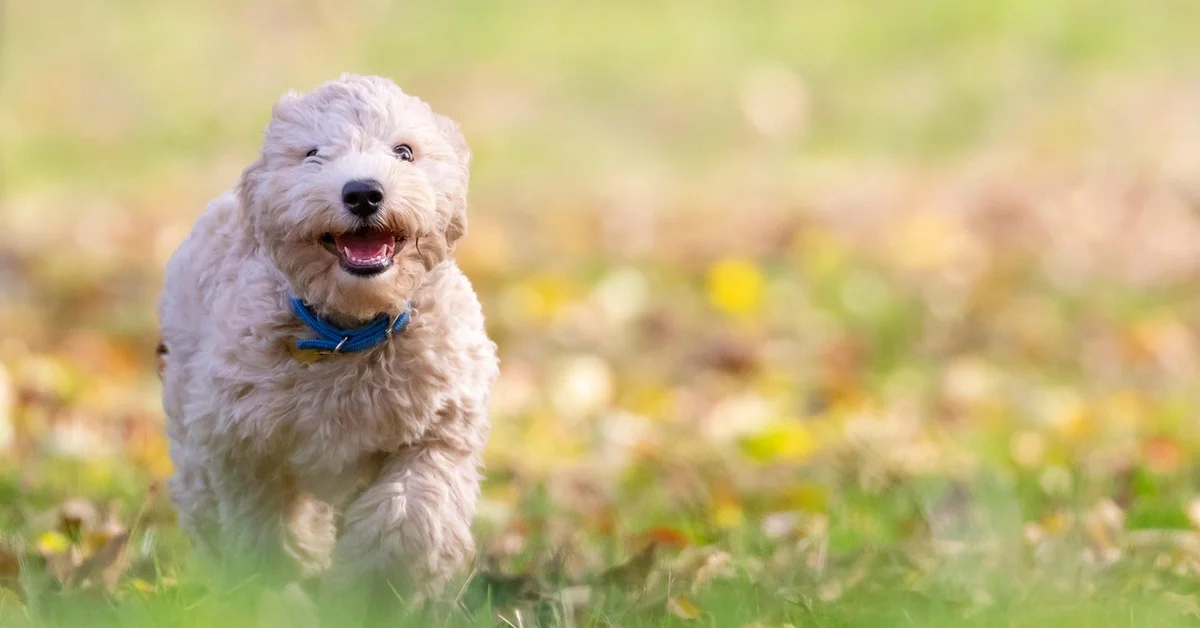
You don’t need a fancy setup or expensive tools to raise a well-socialized mouse. Your lap, a secure couch, or a dry bathtub with a towel are perfect training grounds. Begin socialization in a small, enclosed space where the pup cannot get lost or hide somewhere inaccessible. This controlled environment makes them feel more secure and makes positive interactions more likely. These simple, close-contact spaces are especially helpful when you’re raising orphaned mouse pups, who need gentle handling and extra warmth. They let you more easily monitor feeding and behavior while building trust.
Consistency matters far more than duration. Even five minutes of calm, predictable handling each day builds more trust than one long, unpredictable session per week. For busy owners, integrate this into your existing routine. Handle your mice right before you feed them their dinner, so the positive association is reinforced daily.
- Always wash your hands before and after handling to remove startling food smells.
- Let the pup climb onto your hand voluntarily; don’t scoop them up from above.
- Work in a quiet room away from the fast movements of other pets or young children initially.
- Wear the same type of hand lotion or use a consistent, mild-scented soap to create a familiar smell.
A common beginner mistake is moving too quickly from one milestone to the next. Just because a pup is comfortable being handled in their cage doesn’t mean they’re ready for a journey across the living room. Master each small step completely before introducing the next new challenge.
Maintaining Social Skills and Friendly Temperament Long-Term
Socialization is not a one-time project you complete in their youth. A friendly temperament is a living thing that requires regular nourishment through interaction and novelty. My older mouse, Gregory, maintains his calm demeanor because our daily check-ins are a non-negotiable part of his routine. He expects my hand and his small piece of cheese, and this predictability grounds him.
Prevent regression in adult mice by ensuring their environment continues to engage their brains. Rotate their toys and rearrange cage furniture monthly to simulate a mildly challenging, ever-changing world. Think beyond the wheel: introduce foraging toys, tunnels, hiding places, and chew-safe items to encourage exploration and problem-solving. A bored mouse can become a skittish or less interactive mouse. Simple ongoing enrichment can be as easy as offering a new type of nesting material or a puzzle feeder made from a folded index card.
- Continue handling your mice at least 3-4 times per week, even into adulthood.
- Introduce new, mouse-safe foods regularly to make hand-feeding an exciting event.
- Practice “recall” by encouraging them to climb onto your hand from different surfaces.
- If you notice a mouse becoming avoidant, return to the basics of short, treat-heavy sessions to rebuild the connection.
The goal is to weave these interactions seamlessly into the fabric of your and your mouse’s life. A consistent, gentle routine provides a foundation of security that allows a mouse’s naturally curious and friendly personality to shine for their entire life. This complete guide to taming a scared, skittish mouse outlines gradual steps and gentle handling techniques to build trust. With patience and consistent positive reinforcement, even a nervous mouse can learn to feel safe and bond with you.
Frequently Asked Questions
What mouse training tips can I use at home?
Focus on creating a safe, controlled environment using everyday items. A dry bathtub or a small playpen lined with towels can serve as an ideal space for supervised exploration, allowing mouse pups to build confidence without the risk of escape. Incorporate short, daily sessions where you sit quietly nearby, offering tiny treats like oat crumbs to reinforce positive interactions and gradually accustom them to your presence.
What mouse training tips are best for beginners?
Start with patience and consistency, as rushing can lead to fear. Begin by simply resting your hand in the cage for brief periods to let pups investigate your scent, and always scoop them from below to avoid mimicking a predator. Keep initial handling sessions under a minute, ending with a reward, and prioritize a calm, predictable routine to build trust without overwhelming them.
What mouse training tips can help stop biting?
Biting often stems from fear or curiosity, so redirect this behavior with positive reinforcement. If a pup nips, avoid pulling away suddenly; instead, offer a chew-safe toy or a treat to shift their focus, and reward gentle interactions immediately. Ensure handling is always gentle and predictable, as consistent, stress-free experiences reduce the likelihood of defensive biting over time.
Your Path to a Confident Mouse
Building a friendly, well-adjusted mouse is a journey of patience and gentle, consistent interaction. The effort you put into positive introductions, respectful handling, and providing a stable environment directly shapes your pet’s lifelong personality and happiness. Using a mouse quality of life framework helps you assess and prioritize their physical health, social needs, and environmental enrichment. It provides simple checkpoints to ensure your care supports their long-term well-being.
Trust isn’t built in a day, but through a thousand tiny, positive moments that show your mouse you are a source of safety and good things. Watching a once-timid mouse like Jeffery learn to take a treat from your hand, or seeing a bold explorer like Kenny confidently climb onto your arm, is the ultimate reward for your dedication.
Further Reading & Sources
- Puppy Socialization: How to Socialize a Puppy
- Creativity & Critical Timing Are Key to Puppy Socialization
- Puppy parties and beyond: the role of early age socialization practices on adult dog behavior – PMC
Isabella is a passionate small pet enthusiast with over 8 years of experience in caring for mice. She loves sharing practical tips and heartfelt stories to help fellow mouse owners provide the best care for their tiny companions.
Socialization Tips