
What Are Baby Mice Called? A Friendly Guide to “Pups” and “Pinkies”
Have you ever peeked into a mouse nest and been unsure what to call those tiny, wriggling newborns? As a mouse care enthusiast with years of experience, I know how confusing rodent terminology can be, and I’m here to give you a straightforward answer that clears up any doubt.
This article will walk you through the common names for baby mice and when to use them. You’ll find out why “pups” is the general term, when “pinkies” applies, and how to recognize key developmental stages in young mice.
The Basic Answer: Pups vs. Pinkies
You’ll hear two main terms for baby mice, and they refer to different, specific stages of development. The general, all-encompassing term for a baby mouse is a “pup,” which covers them from birth until they are fully weaned and independent. This is the safest and most common word to use.
The term “pinky” is much more specific. It describes a newborn mouse in its earliest days of life. This phase is characterized by a few key features:
- They are completely hairless, revealing their bright pink skin.
- Their eyes and ears are sealed shut.
- They are entirely dependent on their mother for warmth and milk.
Think of it this way: all pinkies are pups, but not all pups are pinkies. Using “pinky” is like specifying “newborn,” while “pup” is like saying “baby” or “infant.”
Why “Pinkies”? The Newborn Stage Explained
The name “pinky” comes directly from their most obvious physical trait. For the first few days of life, these tiny creatures have no fur at all. Their skin is so thin and translucent it appears a vivid, glowing pink, making them look incredibly delicate. I always find this stage both fascinating and a clear signal to provide the mother with absolute peace and quiet.
This lack of fur serves a vital purpose. Newborn mice are not yet able to regulate their own body temperature. Their hairless state allows them to absorb their mother’s body heat directly and efficiently when she curls around them in the nest. Because their skin is exposed and delicate, it is more prone to drying and irritation. Maintaining moisture and providing gentle protective care helps keep hairless mouse skin healthy.
Beyond their color, pinkies are in a state of rapid, almost unbelievable development. Here is what is happening during this critical window:
- Their eyes and ear canals are completely closed, leaving them blind and deaf to the outside world.
- They navigate purely by scent and touch, instinctively huddling with their siblings for warmth.
- Their primary activities are sleeping and nursing, gathering the energy needed for their first growth spurt.
Around four to six days old, you’ll notice the first signs of change. A fine, light fuzz begins to appear on their backs, marking the official transition from a “pinky” to a furred pup. It’s a subtle but wonderful milestone to observe, a sure sign that your little colony is thriving.
When Pinkies Become “Fuzzies” and Other Stage Names
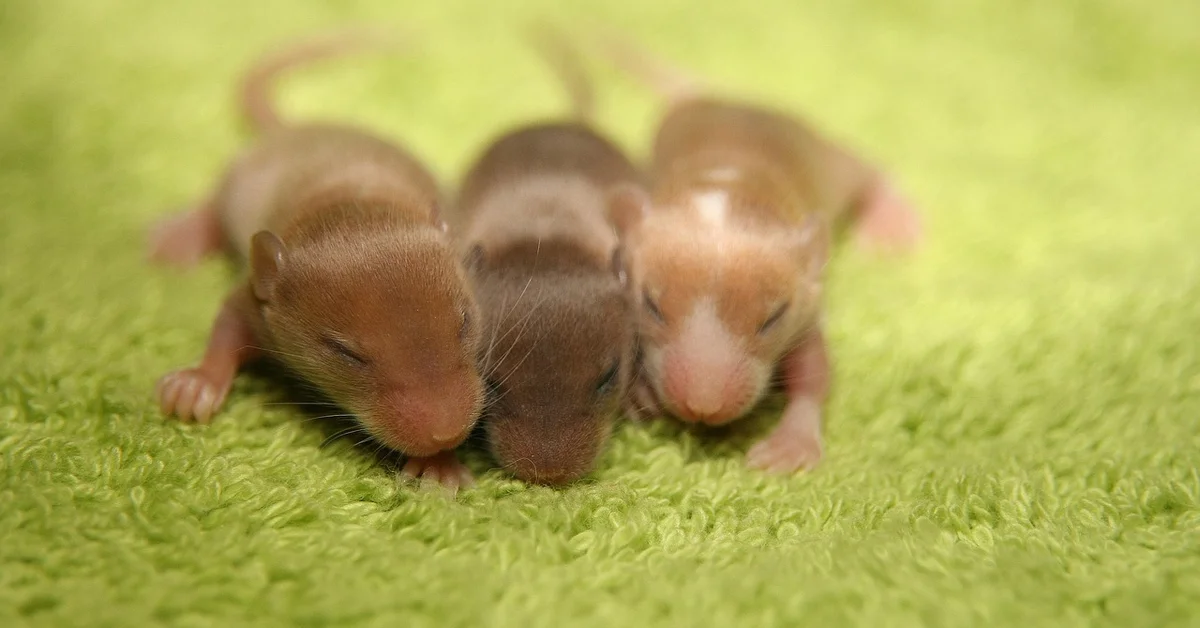
Mouse pups go through several distinct phases as they grow, each with its own charming name and characteristics that help pet owners track their development. Recognizing these stages allows you to better understand your mouse’s needs and celebrate each milestone, especially as you introduce training techniques.
Visual Signs That Mark Each Stage
Watch for these key changes to identify where your baby mice are in their growth journey.
- Pinkies (Days 1-7): Newborns appear hairless with bright pink skin, closed eyes, and tiny, underdeveloped ears that lie flat.
- Fuzzies (Days 8-13): A soft, fine coat begins to cover their bodies, giving them a fuzzy look while their eyes remain sealed shut.
- Hoppers (Days 14-20): Eyes open wide, revealing dark, curious pupils, and they start to wobble around and explore with clumsy hops.
- Weanlings (Days 21-28): Fully furred and active, these youngsters begin nibbling solid food but may still nurse occasionally for comfort.
Each stage brings rapid physical changes that signal your pups are thriving under your care.
What Newborn Mouse Pups Look Like and Act Like
Newborn mouse pups are incredibly delicate, resembling tiny, pink beans no bigger than your thumbnail. Their bodies feel warm and slightly translucent, with minute paws and tails that curl naturally. They spend nearly all their time huddled together, emitting faint, high-pitched squeaks to communicate hunger or distress. You might notice them wriggling constantly to stay close to their mother’s warmth, as they cannot regulate their own body heat yet. Despite their helpless appearance, these little ones have a strong instinct to nuzzle and root for milk. In my time with mice like Jeffery, I’ve seen how even the smallest pups show a surprising will to squirm toward comfort, reminding us of their fragile yet determined nature. If you find orphaned pups, their vulnerability means raising them is a delicate responsibility that requires patience and care. Knowing what they need and when to seek help can make all the difference.
Where Baby Mice Live: Nesting Behavior
Mother mice instinctively create cozy, hidden nests to protect their pups from drafts and disturbances. They gather soft materials like shredded paper, cloth, or hay to build a dense, cup-shaped nest in a quiet corner of the habitat. You will often find the nest tucked away in a hideout or under bedding, where the mother can easily access food and water without straying far. She lines it with fur plucked from her own belly to insulate the babies, keeping them snug and secure. A well-constructed nest helps maintain the pups’ body temperature and reduces stress on the nursing mother. Observing this behavior, such as with Gregory’s calm nesting habits, shows how dedicated mouse mothers are to providing a safe start for their young. For more insights into their nesting techniques, visit Nest-Building 101: Understanding Mouse Architecture.
Understanding the Mouse Litter: From Birth to Independence
How Long Pups Stay With Their Mother
Mouse pups, often referred to as pinkies in their earliest days because of their delicate, hairless appearance, depend completely on their mother for nourishment and warmth. Newborn mice typically remain with their mother for three to four weeks, transitioning from nursing to nibbling solid food around day 14. This period is vital for learning social cues and gaining strength—I’ve watched pups in my care start to mimic the curious antics of my mouse Kenny by week three, though they still rely on their mother’s presence for security. They usually leave the nest at about three to four weeks of age, once they’re weaned and mobile. Timing can vary with species, litter size, and environmental conditions—stress or overcrowding may prompt earlier dispersal.
Weaning is a gradual process where pups begin eating softened pellets or small seeds. By the end of week four, most young mice are fully independent and ready to explore their surroundings without constant maternal supervision. It’s a joy to see them gain confidence, much like how my older mouse Gregory mentors the younger ones in a calm, steady manner.
If You Find Baby Mice: What to Do
Can You Keep a Found Baby Mouse as a Pet?
Discovering baby mice outside their nest can stir a desire to rescue them, but hand-rearing wild pups is fraught with difficulties. Keeping a found baby mouse as a pet is not advisable because they often have undetected health issues and require round-the-clock care that is hard to provide. Wild mice may carry parasites or infections that could spread to other pets, and their survival rates without a mother are low even with expert intervention. If you want to help, contact a licensed wildlife rehabilitator or local animal rescue to ethically rehome the pups. They can assess the pups’ health and ensure they receive appropriate care or placement that prioritizes their welfare and public safety.
If you encounter orphaned pups, the best step is to contact a local wildlife rehabilitator for guidance. Attempting to raise them yourself can lead to stress for both you and the mouse, and it’s a responsibility I’ve avoided after seeing how delicate even my cheerful Jeffery was as a youngling. If you find a nest of baby mice, observe from a distance or avoid handling them—mothers often return if not disturbed. If they truly appear abandoned or injured, note the location and contact a rehabilitator for next steps.
Caring for Newborn Mouse Pups: The Essentials
Temperature and Warmth Requirements
Infant mice cannot generate their own body heat, making external warmth non-negotiable. Keep the environment consistently between 85°F and 90°F (29°C to 32°C) using a heating pad set on low or a snug nesting material like fleece. Always provide a zone where pups can move away from the heat source to avoid overheating-I check the setup multiple times a day to ensure it feels cozy but not hot to the touch.
- Use a digital thermometer to monitor temperature accurately.
- Avoid direct heat sources like lamps that can cause burns.
- Replace bedding regularly to maintain cleanliness and insulation.
Feeding Infant Mice Without a Mother
Orphaned pups need frequent, gentle feedings to thrive. Offer a kitten milk replacer warmed to roughly 100°F (38°C) every two to three hours using a small syringe or dropper. Go slowly to prevent choking, and never force-feed-observe for a full belly and content behavior after each session.
- Sterilize all feeding tools before use to prevent contamination.
- Hold the pup upright and allow it to suckle naturally.
- Clean any milk residue from its face to avoid skin irritation.
As pups grow, introduce a slurry of crushed pellets and milk replacer around day 10. I’ve found that patience and consistency are key, as even a slight deviation in routine can upset their delicate systems.
Handling Young Mice Safely
Limit handling to essential care until pups are at least two weeks old and have developed a fur coat. When you do handle them, cup your hands gently to support their entire body and avoid sudden movements that could cause injury or stress. When you’re ready to safely pick up, hold, and handle a pet mouse, use gentle scooping motions with cupped hands or let them climb onto your open palm. Avoid grabbing the tail and move slowly to keep them calm and prevent injury. Young mice are fragile, and excessive handling can interfere with bonding or cause the mother to reject them if she is present.
- Wash your hands thoroughly before and after contact.
- Keep sessions short-under five minutes-to minimize anxiety.
- Observe the pups for signs of distress, like frantic squeaking, and return them to the nest promptly.
In my experience, building trust takes time; I recall how my mouse Jeffrey would tremble initially but gradually grew calmer with careful, reassuring touches. Respecting their vulnerability helps foster a healthy start to life. That’s why it’s important to use a behavioral approach to gain trust when dealing with any animal.
Developmental Milestones: How to Tell Pup Age
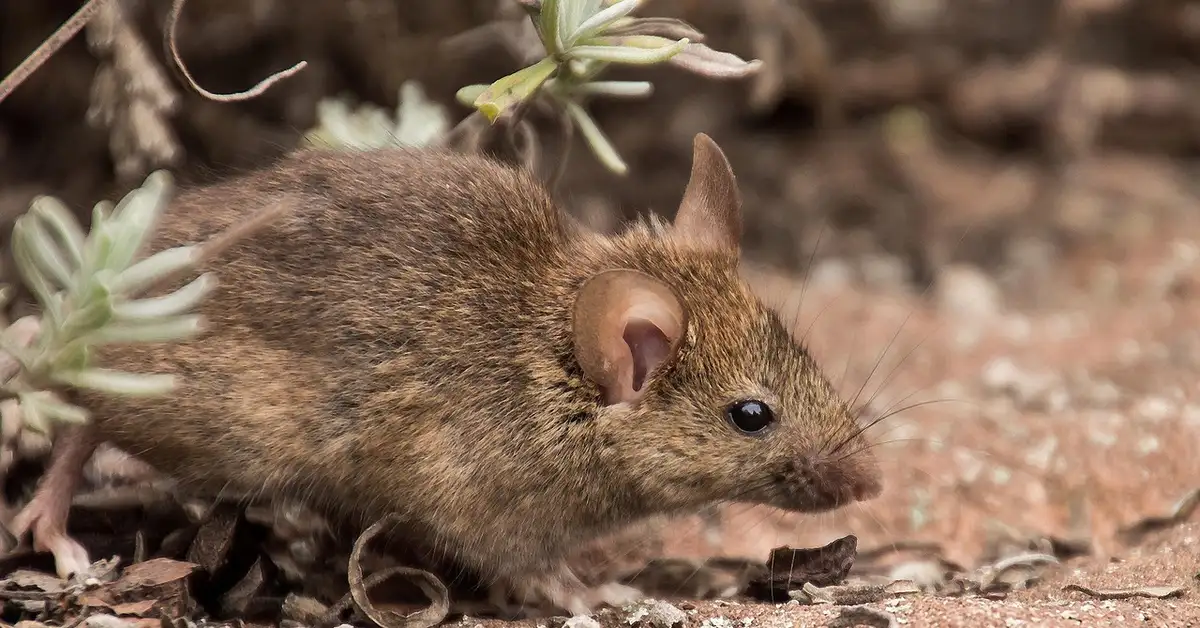
Watching a mouse pup grow is one of the most rewarding parts of being an owner. Their development is astonishingly rapid, and you can pinpoint their age with surprising accuracy by observing a few key physical changes. I’ve charted the growth of my own mice, like the ever-inquisitive Kenny, from tiny pinkies to adventurous juveniles.
The First Week: The “Pinky” Stage (Days 1-7)
- Days 1-3: Newborns are called “pinkies” for a reason. They are completely hairless, their skin is bright pink, and their eyes and ears are sealed shut. They will do little more than wiggle and nurse.
- Days 4-7: You’ll notice the first signs of fuzz! A very fine, light coat begins to appear, giving their pink skin a slightly opaque look. Their bodies become less translucent.
Becoming a Fuzzy Pup (Days 8-14)
- Days 8-10: A proper coat of fur starts to grow in, and you can begin to see their eventual color pattern. They become much more active in the nest, crawling over their siblings.
- Days 11-14: Their ears will begin to detach from their heads and become more prominent. This is a sure sign they are approaching the two-week mark.
Eyes Open and Weaning Begins (Days 13-21)
- Days 13-16: This is the big one-their eyes open! It doesn’t happen all at once; you might see one eye partially open before the other. The world is suddenly a much bigger place.
- Days 17-21: With their vision clear, curiosity explodes. You’ll see them start to nibble on solid food, mimicking their mother, though they will still nurse frequently. This is the start of the weaning process.
Weaned and Independent (Days 21-28)
- Days 21-28: By three weeks old, pups are typically fully weaned and no longer dependent on their mother’s milk. They are miniature, hyper-active versions of adult mice, exploring every inch of their habitat.
Health Concerns for Mouse Pups and Pinkies
Caring for such tiny, developing creatures requires a watchful eye. Pups are incredibly vulnerable, and early intervention can make all the difference in their survival and long-term health. Their immune systems are still building, and even minor issues can escalate quickly.
Signs Your Pups Need Help
- Coolness to the touch: Pups cannot regulate their own body temperature well. If a pup feels cool or is away from the warmth of the nest and mother, it needs immediate warmth.
- Lethargy or lack of movement: Healthy pups, even sleepy ones, will squirm when handled. A limp, non-responsive pup is a major red flag.
- A visibly distended or sunken belly: A bloated belly can indicate failure to thrive or digestive issues, while a sunken one suggests dehydration or lack of feeding.
- Neglect by the mother: If you consistently see a pup alone on the opposite side of the cage from the nest, the mother may have rejected it.
- Audible clicking or wheezing: Any respiratory noise is a serious concern for such small lungs and requires a veterinarian’s attention.
The Reality of Breeding and Rehoming Mouse Pups
While the arrival of a new litter is exciting, it comes with immense responsibility that extends far beyond the initial care. Finding appropriate, lifelong homes for an entire litter is often the most challenging part of the process. Many well-intentioned owners are unprepared for the sheer number of babies and the difficulty of ensuring their welfare.
- Litter Size Surprise: A single litter can easily have 8 to 12 pups. You must be prepared to house, feed, and socialize all of them for several weeks until they are weaned and ready to be separated.
- The Sex-Separation Deadline: Mice reach sexual maturity incredibly fast, around 5-6 weeks of age. You must accurately sex every single pup and separate males from females before this happens to prevent immediate back-to-back litters.
- The Search for Quality Homes: Pet stores are often not a humane option. Your duty is to vet potential adopters thoroughly, ensuring they understand mouse care, have a proper setup, and plan for veterinary needs.
- Long-Term Commitment: Mice can live for 1.5 to 2.5 years. You are ultimately responsible for the lives you’ve brought into the world, which may mean caring for any pups you cannot rehome.
Frequently Asked Questions
Are baby mice for sale?
Yes, baby mice are often available for sale through reputable breeders, pet stores, and adoption agencies specializing in small animals. It’s important to choose ethical sources that prioritize the health and socialization of the pups to ensure they adapt well to a new home.
Does Petco sell baby mice?
Petco may carry baby mice in some locations, but availability varies by store and region. Before visiting, check with your local Petco or their website to confirm if they have pups in stock, as inventory can change frequently.
Can baby mice be pets?
Baby mice from domesticated backgrounds can be wonderful pets when provided with proper care, including a safe habitat, balanced diet, and social companionship. Always obtain them from responsible breeders or rescues to support their well-being and avoid the risks associated with wild mice.
Your Journey with Mice
Now you know that a baby mouse is properly called a ‘pup’ and that the term ‘pinky’ refers to a very specific, newborn stage. This simple knowledge helps you better understand the fascinating life cycle of these small companions and communicate clearly with other enthusiasts or a veterinarian.
Every piece of information, from terminology to care techniques, builds your confidence as a responsible and attentive mouse owner. Enjoy the process of learning and the unique bond you’ll form with your intelligent, curious pets. A common question is whether mice can recognize their owners and how they interact with people. Understanding their cues and responses will help you strengthen that bond.
Further Reading & Sources
- Regular Pinky Mice (50/Pack)
- What’s a Baby Mouse Called + 4 More Amazing Facts! – A-Z Animals
- r/PetMice on Reddit: help baby pinkies
Isabella is a passionate small pet enthusiast with over 8 years of experience in caring for mice. She loves sharing practical tips and heartfelt stories to help fellow mouse owners provide the best care for their tiny companions.
Mouse Biology & Anatomy