
Abscesses in Pet Mice: Causes, Treatment, and Aftercare Guide
Has your mouse developed a swollen, painful lump that’s making you anxious about their comfort and health? As someone who has cared for mice like my curious Kenny and calm Gregory through similar scares, I know how unsettling it can be to see your pet in distress-this guide offers clear, practical advice to help you manage the situation confidently.
You’ll find a straightforward path from recognizing why abscesses form to handling recovery with care. We’ll explore the typical causes behind these infections, review reliable treatment methods, and share aftercare strategies to support your mouse’s healing and well-being.
What Does an Abscess Look Like in Pet Mice?
An abscess in your mouse often starts as a small, firm lump beneath the skin that you might notice during gentle handling or playtime. Over days, this lump can grow rapidly, becoming a warm, swollen area that feels tense or squishy to the touch. You may see redness or inflammation around the site, and if it ruptures, a thick, white or yellowish pus might drain out, sometimes with an unpleasant odor. I’ve seen this with my own mice-like when Kenny developed one after a minor scrape-and it’s crucial to recognize these changes early.
Watch for behavioral clues too, as your mouse might groom the spot excessively or seem lethargic and less interested in food. Mice are masters at hiding discomfort, so any new lump or change in activity deserves a closer look. The abscess can appear anywhere on the body, but common spots include the face, neck, or limbs, depending on the cause.
What Causes Abscesses in Mice?
Abscesses form when bacteria enter through a break in the skin or mucous membranes, leading to a painful infection that the body walls off with pus. Understanding the root causes helps you prevent these issues and keep your furry friends healthy and happy. Let’s explore the most common triggers based on my years of caring for mice like Gregory and Jeffery.
Fighting and Bite Wounds Between Cagemates
Mice are social, but disagreements can happen, especially in groups with mixed personalities. Bite wounds from squabbles introduce bacteria deep into tissues, where they can fester into abscesses if not cleaned promptly. In my experience, bold mice like Kenny sometimes provoke scuffles, leading to nicks that I’ve had to monitor closely. To reduce risks, ensure your mice have enough space, hiding spots, and are introduced properly to minimize tension.
- Social hierarchies can lead to nipping or full fights, particularly if new mice are added without a gradual introduction.
- Watch for signs of aggression, such as chasing or puffed-up fur, and separate mice if injuries occur to prevent infection.
- Regularly check for small wounds after interactions, as even minor bites can become problematic if overlooked.
Scratches and Cuts from Cage Materials
Your mouse’s home should be a safe haven, but sharp edges on toys, wheels, or wire flooring can cause accidental injuries. Even a tiny scratch from rough plastic or metal can let in bacteria, setting the stage for an abscess to develop. I once had to replace a wheel after Jeffery got a small cut that turned into a bothersome lump. Opt for smooth, chew-safe materials and inspect the cage routinely for wear and tear. It’s important to monitor your mouse for any signs of pain or discomfort after such injuries.
- Choose accessories made of untreated wood, sturdy plastic, or other mouse-safe options without jagged parts.
- File down any rough spots on new items before adding them to the cage to prevent mishaps.
- Provide soft bedding like paper-based products to cushion falls and reduce abrasion risks during play.
Dental Problems and Mouth Injuries
Mice have continuously growing teeth, and if they become overgrown or misaligned, they can cause ulcers or punctures inside the mouth. These dental issues often lead to abscesses around the jaw or cheeks, as bacteria from the mouth invade damaged tissues. Gregory, with his older age, once had a minor dental concern that required monitoring to avoid complications. Offer chew toys to help wear down teeth naturally and schedule vet check-ups if you notice drooling or difficulty eating.
- Malocclusion, where teeth don’t align properly, is a common cause of mouth injuries that can infect easily.
- Signs include weight loss, pawing at the face, or visible swelling under the chin-act quickly if you see these.
- Include hard foods like rodent blocks in their diet to promote dental health and reduce injury risks.
Contaminated Bedding and Poor Cage Hygiene
A dirty cage is a breeding ground for bacteria, mold, and parasites that can enter through your mouse’s skin or respiratory system. Soiled bedding, especially if damp or soiled with urine, increases the chance of small cuts becoming infected and forming abscesses. I make it a habit to clean my mice’s enclosure weekly, as I’ve seen how fast grime can lead to health woes. Use absorbent, low-dust bedding and spot-clean daily to maintain a fresh environment. If you’re unsure about the best cleaning practices, check out this guide on how to safely clean mouse cages to prevent disease transmission.
- Replace bedding completely every 1-2 weeks, and remove wet patches immediately to prevent bacterial growth.
- Avoid cedar or pine shavings, which can irritate skin and lungs, opting for safer alternatives like aspen or paper.
- Wash food dishes and water bottles regularly to minimize contamination that could spread to wounds.
Compromised Immune System from Poor Nutrition
Just like us, mice need a balanced diet to fight off infections effectively. Poor nutrition weakens their immune response, making them more susceptible to abscesses from even minor injuries. I’ve noticed that when Jeffery doesn’t get his variety of veggies and proteins, he seems more prone to little health issues. Feed a mix of high-quality pellets, fresh vegetables, and occasional treats to support overall vitality.
- Diets lacking in essential vitamins, like vitamin C or protein, can slow healing and increase infection risks.
- Include diverse foods such as leafy greens, small amounts of fruit, and insects for a nutrient-rich menu.
- Monitor your mouse’s weight and energy levels; sudden changes might signal dietary gaps that need addressing.
How Do Veterinarians Diagnose Abscesses in Mice?
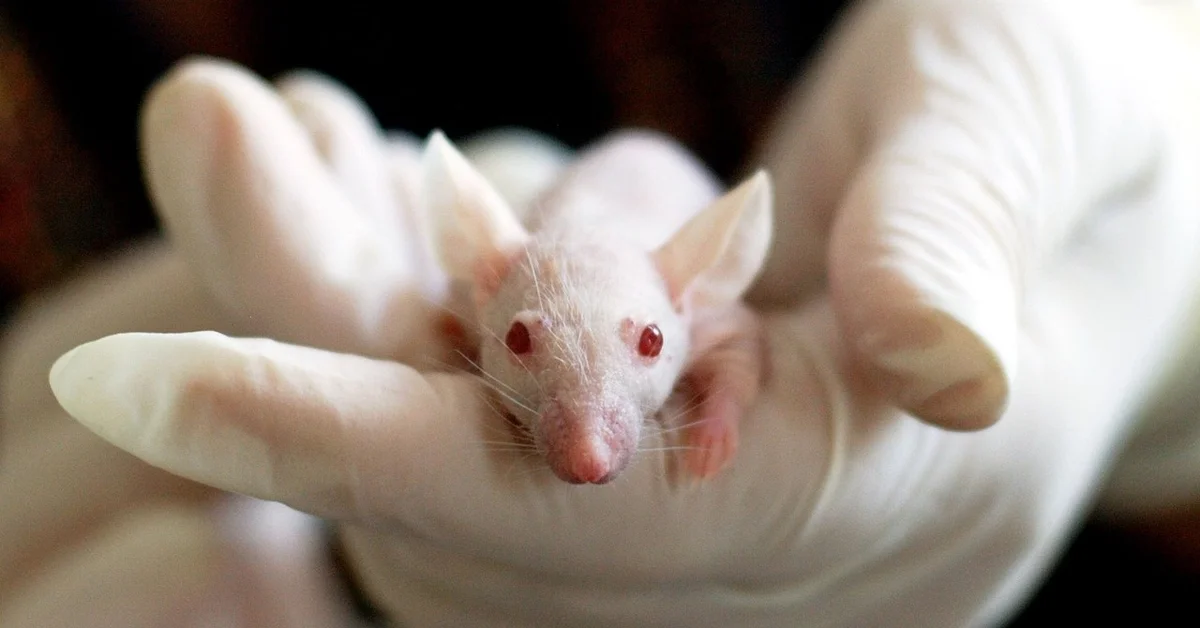
When you bring your mouse to the vet with a suspicious lump, the diagnostic process is very methodical. Your veterinarian will start with a thorough physical examination, gently palpating the lump to assess its size, firmness, and whether it feels fluid-filled. They will check your mouse’s overall health, looking for signs of pain, lethargy, or weight loss that might indicate a more systemic issue. At your mouse’s first vet visit you can expect the vet to ask about its medical history and recent behavior. They may also perform simple diagnostic tests—such as fine-needle aspiration, imaging, or basic bloodwork—to help determine the lump’s cause.
The most definitive diagnostic step is often a fine needle aspirate. Using a very small needle, the vet will extract a tiny sample of the material inside the swelling. Examining this sample under a microscope allows them to confirm the presence of pus, which is the hallmark of an abscess, and rule out other possibilities like tumors or cysts. In some cases, especially if the abscess is deep or the diagnosis is unclear, your vet might recommend a small biopsy or even an ultrasound to get a clearer picture of what’s happening beneath the skin.
What Treatment Options Exist for Mouse Abscesses?
Incision and Drainage by a Veterinarian
The primary and most effective treatment for a mature abscess is a minor surgical procedure to open and drain it. Your vet will administer a safe, light anesthetic or a local numbing agent to ensure your mouse feels no pain. They will then make a small, precise incision over the abscess, allowing all the pus and infectious material to be completely flushed out. The cavity is often flushed with a sterile saline or a mild antiseptic solution to clean it thoroughly. Sometimes, the vet will leave a tiny opening or place a drain to prevent the abscess from sealing up and reforming too quickly.
When Antibiotics Are Necessary
Antibiotics are not always required for a simple abscess that has been fully drained. Systemic antibiotics become crucial if the infection has spread beyond the localized abscess or if your mouse shows signs of being generally unwell. Your vet will prescribe a mouse-safe antibiotic, which is typically administered orally via a tiny syringe. It is vital to complete the entire course of medication, even if your mouse appears perfectly healthy after a few days, to prevent the infection from recurring with a vengeance.
Can You Treat a Mouse Abscess at Home?
I strongly advise against attempting to treat an abscess at home without a veterinary diagnosis. Squeezing or trying to lance an abscess yourself can push the infection deeper, cause immense pain, and lead to dangerous complications like septicemia. While you can apply a warm compress to a very new, small swelling to see if it encourages natural drainage, this is not a substitute for professional care. If the lump persists for more than a day, a vet visit is non-negotiable. From my own experience, what looks like a simple pimple can quickly become a deep, painful pocket of infection.
Abscess Drainage Aftercare: What to Expect
Daily Wound Care After Drainage
Post-surgery care is straightforward but demands consistency. Your vet will likely provide you with a saline solution or a specific antiseptic wash. Your daily routine will involve gently flushing the wound opening to keep it clean and free of debris. You may notice a small amount of clear or slightly bloody discharge for a day or two; this is normal. Watch for thick, smelly pus returning, as this signals the abscess is reforming and requires immediate veterinary attention.
Pain Management for Your Mouse
Your mouse will be sore after the procedure. Your veterinarian will likely prescribe a pain relief medication suitable for such a small creature. Administering this medication as directed is one of the most compassionate things you can do to ensure a comfortable and swift recovery. You will notice your mouse becoming more active and returning to its normal behaviors as the pain subsides. My mouse Gregory was always exceptionally grateful for his post-procedure comfort, becoming much more relaxed and willing to take his medicine after the first dose eased his discomfort.
Does Your Mouse Need a Bandage?
Typically, no. Mice are masters of contortion and will almost certainly remove any bandage you apply. The best approach is to maintain a meticulously clean habitat to prevent bedding or waste from contaminating the healing wound. Use a simple, dust-free paper-based bedding and spot-clean the cage more frequently than usual. The goal is to let the wound breathe and heal from the inside out without any foreign material getting trapped inside.
Administering Antibiotics at Home
Giving oral medication to a mouse requires a gentle and patient technique. You will be using a very small syringe without a needle. Sometimes, even with careful handling, it can be challenging to administer the medicine.
How Long Does It Take for an Abscess to Heal After Being Drained?
The healing timeline for a drained abscess in a mouse is not a single, fixed number. Generally, you can expect the external wound to close over within 5 to 10 days, but complete internal healing takes longer, often two to three weeks. This timeframe depends heavily on the abscess’s size, location, and your mouse’s overall health and age.
My young mouse, Kenny, once had a small abscess on his flank that closed up beautifully in under a week. In contrast, an older mouse I cared for needed nearly a full month for a larger, deeper abscess to resolve completely. You will notice the most dramatic improvement in the first few days post-drainage as the swelling goes down and the redness fades. The key is consistent, gentle care during this entire period.
- Initial Scab Formation (Days 1-3): The open wound will begin to form a scab. It’s vital not to disturb this natural bandage.
- Wound Contraction (Days 4-10): The skin edges pull together, and the scab may darken before eventually falling off on its own.
- Underlying Tissue Repair (Weeks 2-3+): The cavity left behind fills with new, healthy tissue. The fur will slowly start to grow back.
When Should You Call the Vet After Abscess Treatment?
While most treated abscesses heal without issue, you are your mouse’s first line of defense against complications. Trust your instincts-if something seems wrong, it’s always better to call your veterinarian for guidance. A quick phone call can provide immense peace of mind or catch a problem early.
You should contact your vet immediately if you observe any of the following red flags after treatment:
- The original swelling returns or gets larger, indicating the abscess has refilled.
- The incision site reopens or continues to ooze pus after the first 48 hours.
- You notice a foul smell coming from the wound, a classic sign of infection.
- Your mouse becomes lethargic, stops eating, or shows signs of pain like hunching or teeth grinding.
- The area around the wound becomes hot, intensely red, or develops new sores.
- Your mouse is picking incessantly at the site, risking self-trauma and re-infection.
Preventing Abscesses in Your Mouse Colony
An ounce of prevention is truly worth a pound of cure, especially with small pets where medical interventions are stressful. Creating a safe, clean, and low-stress environment is the most powerful tool you have for preventing abscesses. A proactive approach saves your mice discomfort and saves you worry.
Reducing Fight-Related Injuries
Puncture wounds from squabbles are a prime cause of abscesses. Carefully managing group dynamics prevents the small nicks and bites that let bacteria in. I watch my trio constantly; Kenny’s bold nature sometimes needs gentle management to keep the peace.
- Introduce New Mice Slowly: Use a split-cage method for introductions over a period of days or weeks to allow gradual acclimation.
- Provide Multiple Resources: Ensure there are multiple food bowls, water bottles, and hideouts to minimize competition.
- Observe Hierarchy Changes: An established hierarchy is normal, but intense, persistent bullying requires you to separate the aggressor.
- Avoid Overcrowding: Provide a spacious cage with plenty of vertical space and enrichment to prevent territorial stress.
Improving Cage Setup and Hygiene
A clean habitat is a healthy habitat. Sharp edges on toys, platforms, or wire mesh can cause tiny cuts that become infected. Regularly run your fingers over every surface in the cage to check for splinters or rough spots. Keep bedding, food, and waste cleaned out regularly — good hygiene helps prevent infections and other common ailments.
- Choose Safe Bedding: Use a low-dust, absorbent paper-based or aspen bedding. Avoid cedar or pine shavings, as the phenols can irritate the skin and respiratory system.
- Perform Spot-Cleaning Daily: Remove soiled bedding and uneaten fresh food from corners every day to reduce bacterial load.
- Deep-Clean Weekly: Once a week, replace all bedding and wash the cage base, toys, and accessories with a pet-safe disinfectant.
- Inspect All Accessories: Sand down any chewed wood that has developed sharp points and replace any plastic items that have been gnawed into dangerous shapes.
Regular Health Checks and Early Detection
Getting to know your mice’s normal bodies makes it easy to spot the abnormal. I make it a habit to give each of my boys a gentle once-over every few days during a calm, handling session. Jeffery, being a bit jumpy, gets his checks in short, reassuring bursts. I keep a simple daily checklist of five quick tips to guide those inspections. It helps me stay consistent and catch small issues before they become big problems.
- Establish a Routine: Incorporate a quick health check into your regular interaction. Offer a tasty treat to make it a positive experience.
- The “Feel-Good” Check: Gently feel along their body for any lumps, bumps, or scabs. Part the fur to look at the skin underneath.
- Check High-Risk Areas: Pay special attention to the face, neck, rump, and feet, which are common sites for injuries and abscesses.
- Monitor Behavior: A mouse that is suddenly less active, scratching one spot repeatedly, or eating less may be trying to tell you something is wrong.
Proper Nutrition for Strong Immune Function
A robust immune system is your mouse’s best defense against infection. Feeding a balanced, high-quality diet provides the building blocks their bodies need to fight off bacteria effectively. Think of good nutrition as internal armor for your tiny companions.
- Start with a Quality Lab Block: A nutritionally complete lab block should be the staple of their diet, ensuring they get all necessary vitamins and minerals.
- Supplement with Healthy Variety: Offer small amounts of fresh vegetables, a tiny bit of cooked egg, or a single piece of a berry as occasional supplements.
- Ensure Constant Hydration: Always provide fresh, clean water. Dehydration can quickly weaken a mouse and make them susceptible to illness.
- Limit High-Fat Seeds: While my Kenny adores his sunflower seeds, I use them only as rare training treats. A diet too high in fat can suppress immune function.
What Is the Outlook for Mice with Abscesses?
The prognosis for a mouse with an abscess is overwhelmingly positive when treatment is prompt and thorough. With proper veterinary care and diligent home nursing, most mice make a full recovery and return to their playful, curious selves. I’ve seen this firsthand with my own mice, like Kenny, who bounced back remarkably fast after a minor wound was cleaned and treated before it could escalate. Their small bodies have an incredible capacity to heal when given the right support.
Recovery time typically depends on the abscess’s size and location. A small, superficial abscess that is lanced and flushed may show dramatic improvement within a few days. A larger or deeper infection might require a longer course of antibiotics and careful monitoring for a week or two. The key to a good outlook is catching the problem early before the infection has a chance to spread or weaken your mouse systemically.
Factors That Influence Recovery
- Early Intervention: The sooner you get veterinary help, the better the outcome and the shorter the recovery period.
- Your Mouse’s Overall Health: A younger, stronger mouse like Kenny will often heal faster than an older, more fragile one. My older mouse, Gregory, needs a bit more TLC and a quieter recovery space.
- Location of the Abscess: An abscess on a limb is often easier to manage than one on the face or near vital organs.
- Your Aftercare Commitment: Consistent cleaning, medication administration, and habitat management are the most significant factors you control.
How Much Does Abscess Treatment Cost?
As a pet owner, it’s wise to be prepared for potential veterinary expenses. The cost for treating a mouse abscess can vary based on your location and the veterinary clinic, but I’ll break down the typical costs from my own experiences to give you a realistic expectation. Knowing these possible medical costs helps when comparing the initial setup expenses (cage, bedding, supplies) to ongoing costs like food, bedding, and routine or emergency vet care. I’ll use this vet example to show how one-off and recurring expenses combine to reveal the true cost of owning a pet mouse.
The total cost for a standard abscess treatment typically falls between $75 and $200. This might seem like a lot for such a small creature, but it covers the essential services needed to get your companion healthy again.
Breakdown of Common Costs
- Veterinary Examination Fee: This is the initial cost for the vet to assess your mouse, usually ranging from $50 to $80.
- Lancing and Flushing the Abscess: This minor procedure can cost between $30 and $60. It often includes a local anesthetic to keep your mouse comfortable.
- Antibiotics: A course of liquid or injectable antibiotics is crucial. This typically costs $15 to $30.
- Pain Medication: Vets will often prescribe a mild pain reliever, adding another $10 to $25 to the bill.
Potential Additional Costs
- Culture and Sensitivity Test: If the abscess is recurrent or doesn’t respond to initial treatment, your vet may recommend a lab test to identify the specific bacteria. This can add $50 to $100.
- Follow-up Visits: Some cases require a quick re-check, which may incur another examination fee.
- Critical Care Food: If your mouse isn’t eating well, you might need to purchase a powdered recovery food, which is around $15 to $20.
While the cost is a real consideration, many owners find that the peace of mind and the return of their mouse’s health are worth the investment. I always recommend calling a few local exotic vets to get estimates, as prices can differ. Some clinics also offer payment plans for unexpected pet care costs. Veterinary costs for pet mice can vary: routine exams and basic treatments are often affordable, but diagnostics, dental work, or surgery can raise the total. Ask clinics for typical price ranges for mice so you can budget accordingly.
Frequently Asked Questions
How should I care for my mouse after an abscess has been drained?
After drainage, focus on keeping the wound clean by gently flushing it daily with a saline or antiseptic solution as directed by your vet. Provide any prescribed pain medication to ensure your mouse stays comfortable, and maintain a clean, dust-free cage environment to prevent contamination and support healing. Watch for signs of re-infection, such as renewed swelling or pus, and contact your vet if these occur.
What is involved in treating an abscess after surgery?
Post-surgery treatment typically includes administering prescribed antibiotics to combat any lingering infection and pain relievers to manage discomfort. Follow your vet’s instructions closely for medication dosage and schedule, and keep the surgical site clean through gentle care. Regular monitoring for complications, like refilling of the abscess or behavioral changes, is essential for a smooth recovery.
How long does it typically take for a drained abscess to heal in mice?
Healing time varies but generally spans one to three weeks, with external closure often occurring within 5-10 days and internal tissue repair taking longer. Factors like the abscess’s size, location, and your mouse’s age and health can influence this timeline. Consistent aftercare, including proper wound management and a stress-free habitat, helps promote faster and more complete healing.
Your Path Forward
Treating an abscess is a clear, manageable process when you act quickly and follow the steps for cleaning and medication. Your attentive care makes all the difference in your mouse’s comfort and recovery.
Remember that your watchful eyes and consistent aftercare are your most powerful tools for keeping your small friend healthy. You are not just an owner, but a dedicated partner in your pet’s wellbeing.
Further Reading & Sources
- Lumps and Bumps in Mice and Rats – Should You Visit a Vet?
- Rat & Mouse Gazette: Medical Corner: Skin Abscesses in Small Rodents
- Abscess – Rat Guide
Isabella is a passionate small pet enthusiast with over 8 years of experience in caring for mice. She loves sharing practical tips and heartfelt stories to help fellow mouse owners provide the best care for their tiny companions.
Common Diseases