
African Spiny Mouse Care: Your Complete Guide
Thinking about bringing home an African Spiny Mouse but feeling unsure where to start with their unique needs? This guide is crafted from years of personal experience to give you a clear, confident path forward, covering everything from their specialized habitat to their fascinating behaviors. We will walk through their specific dietary needs, ideal enclosure setup, and health monitoring so you can provide exceptional care.
You will find detailed sections on creating a secure and enriching environment, understanding their social dynamics, and recognizing signs of a happy, healthy pet. This article covers essential topics like proper handling techniques, common health considerations, and the daily routine that keeps these remarkable creatures thriving.
What Makes African Spiny Mice Different from Other Pet Mice?
African Spiny Mice stand out immediately with their coarse, bristly fur that feels surprisingly rough compared to the soft coats of common fancy mice. Their unique spines aren’t just for show-they help protect them in the wild and give them a distinctive texture you won’t find in other species. I’ve noticed my own mice, like Kenny with his smooth gray fur, feel entirely different when I handle them versus the spiny variety.
These mice thrive in social groups and often display more complex interactions than solitary pet mice. Living in colonies helps reduce stress and encourages natural behaviors like grooming and playing together. While my mouse Gregory prefers a calm solo space, African Spiny Mice genuinely enjoy company and can become lonely if kept alone. If you’re deciding whether to keep a mouse alone or in a group, consult a mouse social behavior guide to match care to each species’ needs. It explains when solitary housing is appropriate and how to create safe, enriching social groups.
- Skin regeneration ability: They can shed and regrow skin when threatened, a rare trait in small mammals.
- Larger size and longer tails: They often grow bigger than typical pet mice, with tails that aid in balance.
- Adaptation to arid environments: Originating from dry regions, they have specific needs for warmth and low humidity.
- Vocalizations and activity patterns: They tend to be more vocal and active during dawn and dusk, unlike some nocturnal species.
Their dietary preferences also differ slightly, often favoring seeds and insects that mimic their natural foraging habits. Providing a varied diet with protein-rich treats keeps them healthy and engaged, much like how Jeffery enjoys his berry crumbs. Understanding these differences ensures you can meet their needs without applying general mouse care rules that might not fit.
Setting Up Your African Spiny Mouse Enclosure
Choosing the Right Substrate and Bedding
Select a substrate that mimics their native dry habitats, such as aspen shavings or paper-based bedding, which control odor and allow digging. Avoid cedar or pine shavings, as the oils can irritate their sensitive respiratory systems and spiny skin. I’ve found that a deep layer encourages natural burrowing, which reduces boredom and supports their instinct to explore.
- Aspen shavings: Dust-free and safe for chewing and nesting.
- Paper pellets: Highly absorbent and excellent for moisture control.
- Sand mixes: Optional for small areas to replicate arid ground textures.
- Spot-cleaning frequency: Remove soiled bedding every few days to maintain freshness.
Layer the bedding at least two inches deep to let them create tunnels and hide food. Mice are natural burrowers, so deeper bedding lets them dig, nest, and feel secure. Regular substrate changes prevent mold and keep your mouse’s environment clean and comfortable. Watching my mice like Kenny dart through fresh bedding reminds me how crucial this simple step is for their happiness.
Temperature and Humidity Requirements
Maintain a warm enclosure between 75°F and 85°F, using a thermostat-controlled heat mat placed on one side for gradient options. Consistent warmth is vital because sudden chills can lead to health issues, especially for species adapted to hot climates. I always check temperatures daily, as even a few degrees drop can make them sluggish.
Keep humidity low, around 30-50%, to prevent skin and respiratory problems. Using a hygrometer helps you monitor levels and avoid dampness that could harm their unique spiny coat. In drier rooms, a small water dish can add minimal moisture without raising humidity too much.
- Heat sources: Ceramic heat emitters or under-tank heaters for steady warmth.
- Ventilation: Ensure good airflow to reduce humidity buildup.
- Seasonal adjustments: Increase heating in winter and provide cooler zones in summer.
Essential Hiding Spots and Nesting Areas
Offer multiple hideouts like small wooden houses, cork tubes, or PVC pipes to make them feel secure. African Spiny Mice need plenty of covered spaces to retreat and sleep, reducing stress from loud noises or bright lights. I’ve seen how my mouse Jeffrey seeks out cozy corners, and providing varied hides encourages this natural behavior, especially when they’re housed with other pets that might be a bit noisy.
Include nesting materials such as unscented tissue paper or hay for them to build soft beds. Changing nesting materials weekly prevents dirt accumulation and supports their need for a clean, personal space. Rotate hide locations occasionally to stimulate exploration and prevent territorial disputes in groups.
- Ideal hide types: Enclosed boxes, half-logs, or fabric pouches.
- Placement tips: Distribute hides throughout the enclosure to create safe pathways.
- Nesting refills: Add fresh materials during routine cleanings to encourage rebuilding.
Enrichment and Exercise Setup
Install a solid-surface exercise wheel, at least 8 inches in diameter, to prevent tail and foot injuries during nightly runs. Regular wheel use supports cardiovascular health and mimics their natural high activity levels in the wild. My mice, like Kenny, spend hours on theirs, and it’s a joy to see them stay fit and entertained. For more on choosing and maintaining the safest options, see the definitive guide to safe mouse exercise wheels. It covers sizing, materials, mounting, and cleaning to help you pick the best wheel for your pets.
Add climbing structures like ropes, branches, and ledges to engage their agile nature. Varied vertical spaces challenge their coordination and provide mental stimulation that flat setups lack. Include chew toys made of safe wood or cardboard to maintain dental health and satisfy gnawing instincts.
- Foraging toys: Hide treats in puzzle feeders to encourage problem-solving.
- Tunnels and tubes: Connect multiple sections for a mini obstacle course.
- Rotation schedule: Switch out toys every week to keep the environment novel and exciting.
- Supervised play: Allow time in a secure, mouse-proofed area outside the enclosure for extra exercise.
Monitor their interactions with new items to ensure safety and adjust based on preferences. Enrichment isn’t just about toys-it’s about creating a dynamic home that supports their physical and emotional well-being every day. Observing behaviors, like how Gregory methodically explores new layouts, helps tailor setups to their unique personalities.
Feeding Your African Spiny Mouse: Diet and Nutrition
Daily Feeding Schedule and Fresh Water
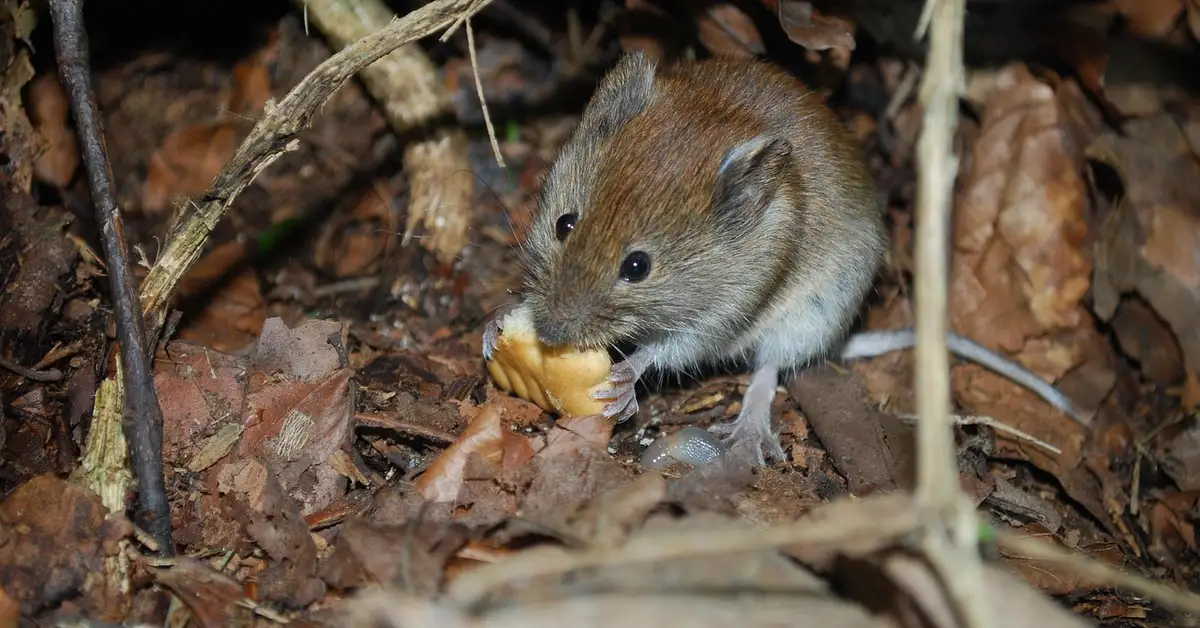
Providing the right fuel for your African Spiny Mouse is one of the most rewarding parts of their care. Their unique metabolism requires a diet rich in insects and high-quality protein to truly thrive. I’ve found that a simple rodent block forms a fantastic nutritional base, preventing them from picking out only their favorite, less healthy bits. I’ll review the Mazuri Rat & Mouse Diet to see how well it serves as that base for spiny mice. I’ll cover its ingredient profile, protein levels, and palatability so you can decide if it’s a good fit.
Your daily routine should focus on variety and timing. Offer fresh food in the evening, as these little friends are most active at night.
- Evening Main Meal: A tablespoon of high-protein rodent pellets or lab blocks.
- Protein Boost: Offer live or dried insects like mealworms, crickets, or small dubia roaches 3-4 times per week.
- Fresh Veggies: A tiny amount of chopped dark leafy greens, broccoli, or squash. Remove any uneaten fresh food by morning.
- Occasional Treats: A sliver of apple, a blueberry, or a pinch of cooked egg white can be offered sparingly.
Hydration is absolutely critical for this species. Spiny mice are notoriously prone to dehydration, so a clean, always-full water source is non-negotiable. I use a heavy, tip-proof ceramic water bowl rather than a bottle, as I’ve noticed my own mice, like the ever-curious Kenny, drink more readily from it. When weighing water bottles vs. bowls, bottles can stay cleaner and reduce spills, but bowls often encourage more natural drinking and better intake in spiny mice. Change the water completely every single day without fail.
Understanding African Spiny Mouse Social Behavior
Handling and Taming Your Spiny Mice
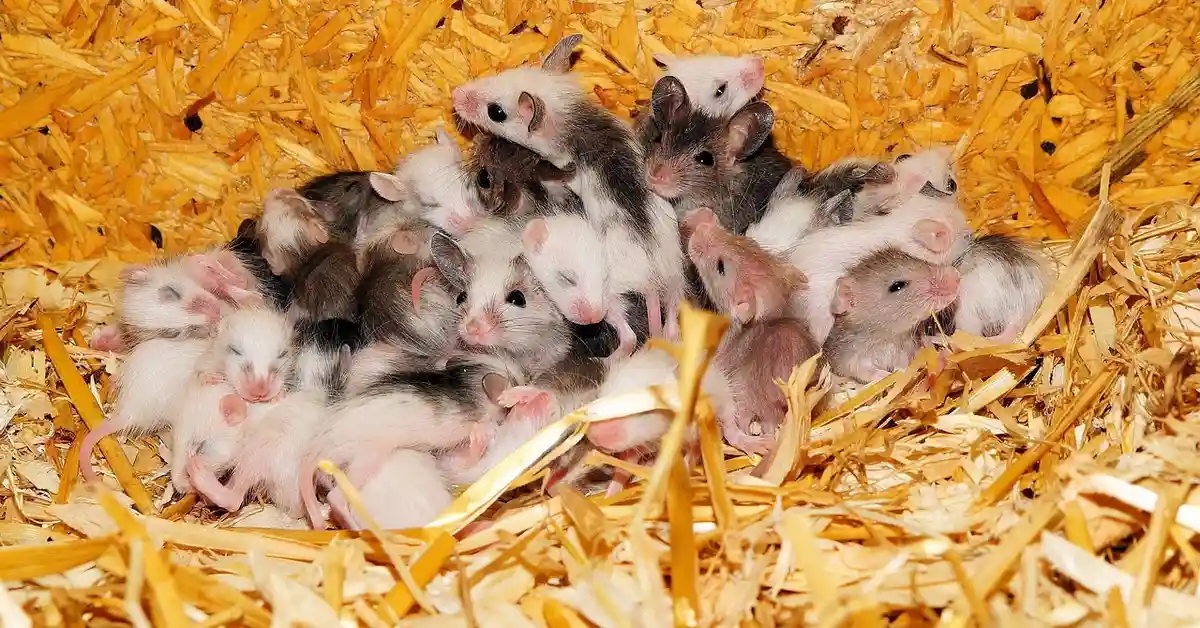
Observing a group of spiny mice is like watching a tiny, complex society. They are intensely social creatures and must be kept in small, stable groups of their own kind to be truly happy. Like other mice, spiny mice are social animals that rely on group bonds for safety and emotional well‑being. You’ll see them groom each other, sleep in a furry pile, and communicate with a series of soft chirps and squeaks.
Their most famous behavior, autonomy (tail-shedding), is a last-ditch defense mechanism. A calm, predictable environment drastically reduces the chance they’ll feel the need to use this startling ability. If a tail is lost, do not attempt to reattach it; simply ensure the habitat is extra clean to prevent infection as it heals.
Taming requires immense patience and a surrender of expectations. These are not typically “cuddly” pets, but you can build a wonderful bond of trust.
- Start by simply sitting near their enclosure daily, allowing them to grow accustomed to your presence and scent.
- Offer high-value treats, like a mealworm, from your open palm inside the cage. Let them come to you.
- Once they readily take food, you can attempt to gently scoop them up with two cupped hands, never by the tail.
- Always handle them over a soft, secure surface like a bed or playpen, as they are incredibly quick and can jump.
My mouse Jeffery, who is naturally quite anxious, has taught me that some individuals may never enjoy being held, and that’s perfectly okay. The goal is a stress-free coexistence, not forced interaction. Respect their boundaries, and you’ll be rewarded with their fascinating natural behaviors.
Daily and Weekly Care Routines
Consistency is the golden rule for keeping your African Spiny Mouse healthy and content. A straightforward routine prevents stress and helps you spot any subtle changes in their behavior or health.
Daily Tasks
- Refresh food and water, removing any old perishables.
- Do a visual health check – are all mice active, breathing normally, and eating well?
- Spot-clean any visibly soiled bedding or waste.
- Spend 10-15 minutes near their cage, talking softly to habituate them to you.
Weekly Tasks
- Perform a full cage clean. Replace all bedding and thoroughly wash the enclosure and accessories with a pet-safe disinfectant.
- Inspect the habitat for any wear, tear, or potential escape routes.
- Weigh each mouse using a small digital scale to monitor for any sudden weight loss or gain.
- Check their supply of chew toys and replace any that are worn down to support dental health.
Establishing this rhythm makes care feel less like a chore and more like a mindful ritual of connection with your unique pets. I find my weekly deep-clean with Gregory, Jeffery, and Kenny is a peaceful time to ensure their world is safe, clean, and enriching.
Recognizing Health Problems in African Spiny Mice
Keeping a watchful eye on your African Spiny Mouse is one of the most caring things you can do. Their unique physiology means they can go from seemingly fine to critically ill in a surprisingly short amount of time. I’ve learned to pay close attention to the smallest behavioral shifts in my own mice, as they are often the first and only warning sign you will get. This preventative mouse health guide will walk you through simple daily checks and care steps to spot issues early. Small changes often make a big difference in keeping them healthy.
When to Seek Veterinary Care
You are your mouse’s first and most important advocate. Never hesitate to contact an exotic veterinarian if your gut tells you something is wrong. It is always better to be safe and get a professional opinion than to wait and hope a problem resolves on its own.
Here are specific situations that warrant an immediate call to your vet:
- Lethargy or Hiding: A spiny mouse that is consistently hunched, inactive, or hiding when it is normally active and curious is a major red flag.
- Changes in Eating or Drinking: A complete loss of appetite or a sudden, dramatic increase in thirst can signal several serious internal issues.
- Weight Loss: Even a small amount of weight loss is significant for such a tiny creature. Weigh your mouse weekly with a gram scale to track this.
- Respiratory Distress: Listen for wheezing, clicking, or labored breathing. Watch for discharge from the nose or eyes.
- Skin and Fur Issues: Look for hair loss, flaky skin, redness, swelling, or any open wounds. Their famous tail-shedding defense mechanism can sometimes lead to infections if the skin is broken.
- Diarrhea or Soft Stools: Wetness around the tail or consistently soft droppings indicate digestive upset that can quickly lead to dehydration.
Before your appointment, gather as much information as you can. Note when symptoms started, any changes in diet or environment, and try to collect a fresh stool sample. This will help your vet make a faster, more accurate diagnosis.
Cost and Time Commitment of African Spiny Mouse Care
Welcoming these unique animals into your home is a joyful experience, but it is also a tangible responsibility. Providing a proper habitat and consistent care requires a thoughtful investment of both money and daily attention. Planning for these commitments from the start ensures a happy, healthy life for your pet.
Initial Setup and Ongoing Costs
The initial investment is the largest, as you are creating their entire world from scratch. Here is a breakdown of what to expect financially.
- The Habitat: A large tank or terrarium (20-gallon minimum for a pair), a secure lid, and proper bedding will be your most significant upfront cost.
- Essential Equipment: This includes a high-quality exercise wheel, multiple hideouts, water bottles, heavy ceramic food dishes, and climbing structures.
- Heating and Lighting: African Spiny Mice need warmth. A reptile heat mat with a thermostat is a non-negotiable for maintaining a safe temperature gradient.
- Monthly Expenses: Budget for a consistent supply of high-quality seed mixes, insect feeders, fresh vegetables, bedding, and occasional toy replacements.
- Veterinary Care: Always have an emergency fund for vet visits. Exotic pet care can be costly, and having savings set aside prevents impossible choices later.
Your Daily and Weekly Time Investment
Caring for these mice is not overly time-consuming, but it is a ritual that requires daily engagement. The consistency of your care directly impacts their well-being and tameness. Many people keep harvest mice as pets, and daily handling helps them become more trusting and sociable. Regular interaction not only maintains their health but also encourages tame, friendly behavior.
A typical care schedule looks like this:
- Daily (5-10 minutes): Provide fresh food and water. Spot-clean any visibly soiled bedding. Spend a few minutes interacting with your mice to build trust.
- Weekly (20-30 minutes): Perform a full cage cleaning. Replace all bedding, scrub the enclosure and accessories with pet-safe cleaner, and restock hides and toys.
- Ongoing: Time for observation is crucial. Simply watching your mice each day helps you learn their normal behavior and quickly spot any potential health issues.
This routine becomes a peaceful part of your day. The reward for this commitment is witnessing their fascinating natural behaviors and the unique bond you will form with these extraordinary little creatures.
Frequently Asked Questions
What is an African spiny mouse?
The African spiny mouse is a small rodent species belonging to the genus Acomys, native to various parts of Africa and the Middle East. It is easily identified by its coarse, bristly fur that feels spiny to the touch, distinguishing it from other common pet mice with softer coats.
What is the habitat of the African spiny mouse?
In the wild, African spiny mice inhabit arid and semi-arid environments, such as savannas, rocky outcrops, and dry scrublands across Africa. These areas typically feature low humidity, sparse vegetation, and warm temperatures, which influence their need for a similarly dry and warm enclosure in captivity.
What are the predators of the African spiny mouse?
African spiny mice face threats from various predators in their natural habitat, including birds of prey like owls and hawks, as well as reptiles such as snakes. Small carnivores like mongooses and wild cats also prey on them, which is why they rely on adaptations like quick burrowing and tail autonomy for defense.
Your Journey Begins
Welcoming an African Spiny Mouse into your home is the start of a truly unique relationship built on attentive care and mutual trust. These special creatures, with their remarkable adaptations, will thrive when you provide the right habitat, diet, and gentle handling outlined in this guide. If you’re exploring other exotic pet mouse species, this guide also compares their temperaments and care requirements. Use it to find the species that best matches your experience and lifestyle.
Trust that with patience and observation, you will learn to read your pet’s subtle cues and become a confident, caring owner. Your dedication to understanding their specific needs is the single most important factor for a long, happy, and healthy life together.
Further Reading & Sources
- The Biology and Husbandry of the African Spiny Mouse (Acomys cahirinus)and the Research Uses of a Laboratory Colony – PMC
- Spiny mouse – Wikipedia
- Spiny Mice Care – Bacchus Residents
Isabella is a passionate small pet enthusiast with over 8 years of experience in caring for mice. She loves sharing practical tips and heartfelt stories to help fellow mouse owners provide the best care for their tiny companions.
Mice Breeds & Varieties