
The Amazing Sensory System: Vision, Hearing, and Smell
Have you ever paused to consider how your senses of sight, sound, and scent work together to create your unique experience of the world, from recognizing a friend’s face to enjoying your favorite meal?
This guide will demystify the biology behind these sensory powers, offering clear, relatable explanations that make the complex simple. We will explore how vision transforms light into images, how hearing interprets vibrations as sound, and how smell connects scents to memories and emotions.
How Do Pet Mice See the World?
What Colors Can Mice Actually See?
Many people assume mice live in a black-and-white world, but their color perception is more nuanced, just limited. Mice are essentially red-green colorblind, perceiving the world primarily in shades of blue, yellow, and gray. The vibrant red hut or green pea you offer isn’t seen in its true hue by them. I’ve noticed my light-gray mouse, Kenny, shows equal excitement for a blue Lego brick and a yellow one, but seems less interested in identical items in red tones. Their vision is tuned to detect contrasts and movements far more than a rich color palette, which makes perfect sense for a small creature that needs to spot predators and navigate complex burrows.
Do Mice Have Good Vision in the Dark?
While they are most active during dawn and dusk, mice do not have the crystal-clear night vision of a cat or an owl. Their eyes contain a high number of rod cells, which are excellent for detecting light and movement in low-light conditions, but their overall visual acuity is quite poor. Think of it as seeing the world in a blurry, grainy photograph. They compensate for this lack of sharp focus with their other phenomenal senses. In a dim room, my mice navigate their multi-level cage with flawless precision, not because they see every detail, but because they’ve memorized the layout and use their whiskers as high-tech guidance systems.
Why Mice Have Poor Depth Perception
If you’ve ever seen a mouse hesitate at the edge of a table, you’ve witnessed their limited depth perception firsthand. This is because their eyes are positioned on the sides of their head, giving them a wide field of view to spot danger, but offering poor overlapping visual fields for judging distances. They can’t triangulate an object’s location as well as predators with forward-facing eyes can. To help your mice, avoid placing essential items like food and water on precarious ledges. I always make sure ramps have sides and platforms are easily accessible to prevent any missteps, especially for my impulsive explorer, Kenny.
How Do Pet Mice Hear and Process Sound?
The Ultrasonic World of Mouse Communication
A vast portion of mouse conversation happens in a frequency range completely inaudible to human ears. Mice use ultrasonic vocalizations, far beyond our hearing range, to communicate everything from joyful squeaks during play to complex social cues and even distress calls. This is why your mouse enclosure might look silent but is actually a hub of chattering you simply can’t hear—squeaks and sounds that carry meaning for them. My older mouse, Gregory, often emits low, steady chirps when the younger ones are being too rambunctious, a subtle scolding I can only witness through their resulting behavior. This hidden language is a fundamental part of their social structure.
How Noise and Sound Affect Your Mice
Your mouse’s hearing is incredibly sensitive, making them susceptible to stress from our noisy human environment. Loud, sudden noises like vacuum cleaners, blaring televisions, or slamming doors can be terrifying for a mouse, triggering a freeze or flight response. Consistent, low-frequency hums from appliances are usually tolerated better than unpredictable crashes and bangs. I’ve observed my smallest, Jeffery, startle at the crinkle of a chip bag, showing just how jumpy they can be.
To create a sound-safe space for your pets:
- Place their cage in a room away from the home’s main traffic and noise sources.
- Avoid positioning them directly next to speakers, TVs, or whirring refrigerators.
- Warn guests, especially children, to use “indoor voices” near the mouse habitat.
- Be mindful of volume when playing music or watching movies in their room.
A calm sonic environment helps your mice feel secure, allowing their natural, curious personalities to shine through without constant anxiety.
How Do Mice Use Their Powerful Sense of Smell?
Understanding Mouse Olfactory Anatomy and Function
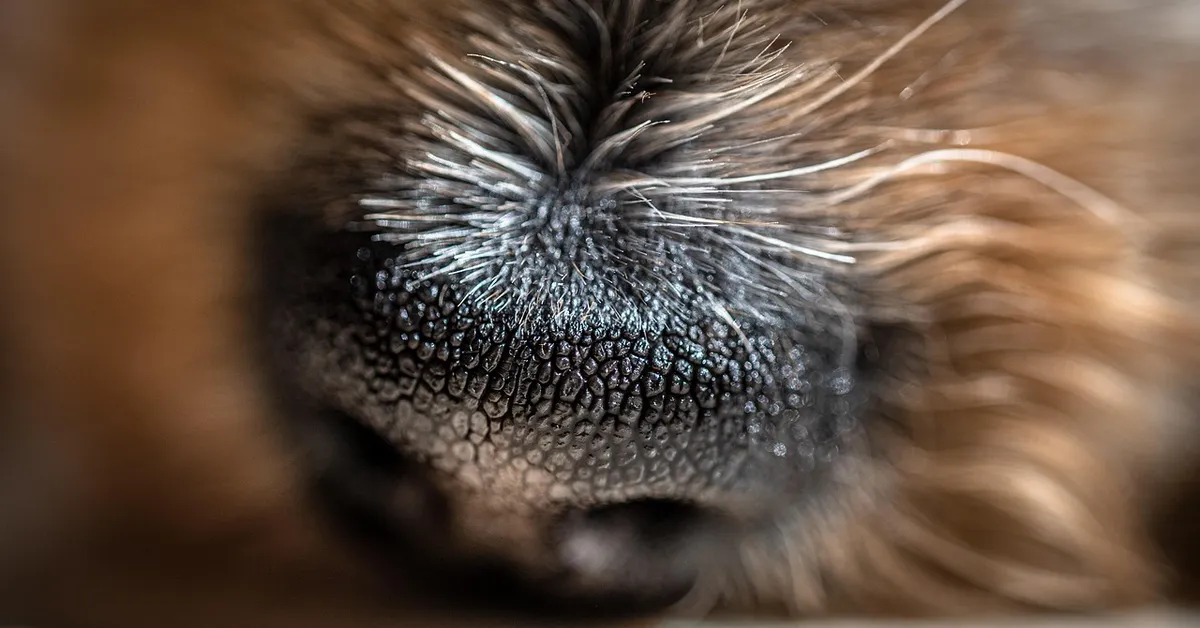
A mouse’s nose is a biological supercomputer, processing scent information with incredible speed and precision. Their long snouts house a complex nasal cavity lined with millions of olfactory receptors, far outnumbering what humans possess. This allows them to detect and differentiate between an astonishing array of odors, from a tiny crumb of food to the subtle scent marks of another mouse. Mice both leave and read these scent marks—chemical olfactory signals that encode identity, sex, reproductive status, and territory. Such marking is central to their social communication and behavior.
Beyond the primary scent receptors, mice have a special organ called the vomeronasal organ, or Jacobson’s organ, located in the roof of their mouth. This organ is dedicated to detecting pheromones, the chemical messages that convey social and reproductive information.
How Mice Use Scent for Communication and Memory
For mice, smell is their primary language. They use scent to paint a detailed picture of their world and their place within it. Cats can also use scent to locate mice, and mice in turn detect cat odors and other chemical cues to sense and avoid these predators.
- Social Bonding: Mice that live together develop a shared “group scent” through constant contact, which reinforces their social bonds and reduces aggression.
- Territory Marking: They deposit tiny scent marks from glands on their bodies to define their territory. This tells other mice, “I was here,” and can signal everything from dominance to readiness to mate.
- Memory Mapping: Mice create intricate mental maps of their environment using scent. A familiar smell in a particular corner means “safe spot,” while a new, unfamiliar odor triggers immediate caution.
- Identifying Individuals: Every mouse has a unique scent signature. My mouse, Gregory, can instantly tell if Kenny has been investigating his favorite hideout, a fact he often registers with a mildly grumpy twitch of his nose.
Mice Sense of Smell vs Human Olfaction
The difference between a mouse’s sense of smell and our own is not just a matter of degree; it’s a fundamentally different way of experiencing the world. Where we primarily use sight to navigate, a mouse constructs its reality almost entirely through scent. They can detect odors at concentrations nearly 10,000 times lower than what a human can perceive. But smell isn’t their only dominant sense — mice also rely heavily on sound and touch; their ultrasonic hearing and sensitive whiskers help them map their surroundings and detect danger. Together, smell, sound and touch create a rich, multisensory world quite unlike our sight-driven experience.
Imagine trying to read a book with your nose; that’s the level of detail a mouse gets from simply sniffing the air in its cage. Scents we find mild, like a freshly cleaned room or a spritz of air freshener, can be an overwhelming, confusing cacophony to their sensitive noses. This is why sudden, strong smells can be so stressful for them. A cat’s scent is especially potent to a mouse — it’s not just unpleasant, it’s a clear predator warning. So when mice detect that smell, they’ll often flee or avoid the area.
How Mouse Senses Work Together
Normal Sensory-Driven Behaviors You’ll See
Watching your mice is like observing a perfectly synchronized sensory orchestra. Their vision, hearing, and smell do not work in isolation but are in constant, fluid conversation. This coordinated interplay is how mice communicate, exchanging information through scent marks, ultrasonic calls, body postures and touch.
- The Investigative Sniff-and-Look: Your mouse hears a rustle (hearing), turns its head to locate the source (vision), and then dashes over to sniff the area thoroughly (smell) to identify what it was.
- Freezing and Listening: A sudden movement or shadow (vision) might cause them to freeze instantly, their bodies tense as their ears swivel like tiny satellite dishes to gather more auditory information.
- Scent-Trail Following: My adventurous mouse, Kenny, will often follow a scent trail with his nose to the ground, his whiskers twitching to feel his way, and his eyes glancing up periodically to check for obstacles.
How Mice Navigate Using Multiple Senses
Navigation for a mouse is a multisensory masterpiece. They use their poor long-distance vision to detect large shapes and movements, their exceptional hearing to monitor the environment for threats, and their supreme sense of smell to confirm their location and find resources.
Their whiskers, or vibrissae, are a crucial part of this system, providing constant tactile feedback about their immediate surroundings. This combined sensory input allows them to memorize complex routes through their habitat, even in near-total darkness. A mouse doesn’t just remember where its nest is; it remembers the sequence of smells, the feel of the tunnel walls, and the specific sounds that echo from that corner of the cage.
Creating a Sensory-Friendly Environment for Your Mice
Lighting That Works for Mouse Vision
Since mice are most active at dawn and dusk, replicating this low-light cycle in their environment makes them feel secure and natural.
- Avoid placing their cage in direct, bright sunlight or under harsh, overhead room lights.
- Use indirect, ambient lighting in the room. A small, dim lamp on a timer can simulate a gentle dusk and dawn.
- Provide plenty of deep, enclosed hides and tunnels where they can retreat to full darkness for rest.
Providing shaded areas and deep bedding allows them to regulate their light exposure just as they would in the wild. I’ve noticed my white mouse, Jeffery, who has more light-sensitive eyes, particularly appreciates a canopy of paper leaves over part of his cage.
Managing Household Sounds and Noise
A mouse’s world is one of ultrasonic conversations and subtle vibrations that we are mostly deaf to. Loud, sudden noises like blaring televisions, slamming doors, or vacuum cleaners can be terrifying for them.
- Place their cage in a quiet part of your home, away from speakers and high-traffic areas.
- Be mindful of high-frequency sounds from electronics, which can be particularly irritating.
- Conversely, soft, consistent background noise like gentle music or a quiet fan can help mask jarring sudden sounds.
A calm soundscape helps prevent chronic stress, allowing your mice to engage in their natural, quiet behaviors like foraging and nesting.
Safe Scents and Smell Enrichment
You can use your mouse’s incredible nose to provide mental stimulation and create a comforting atmosphere. The key is to introduce scents gently and safely.
- Foraging Fun: Hide their regular food or healthy treats like pumpkin seeds and oats in cardboard tubes or under a layer of bedding to encourage natural foraging behavior.
- Herbal Enrichment: Offer small, dried sprigs of rodent-safe herbs like cilantro, basil, or dill. They will enjoy nibbling and investigating the new smells.
- Scent Soakers: Provide clean, chemical-free materials like untreated wooden sticks, hay, or seagrass mats. These will absorb the colony’s scent and make the environment feel familiar and safe.
Avoid any artificial air fresheners, perfumes, or cleaning products with strong fumes near their cage, as these can damage their delicate respiratory systems and overwhelm their senses. A simple, clean, and naturally scented environment is the ultimate olfactory gift you can give your pet mice. Be cautious and choose cleaning products safe around mice to maintain a healthy habitat.
Enrichment Activities That Engage Mouse Senses
Scent-Based Enrichment and Foraging Games
Your mouse’s world is painted with smells, a rich tapestry you can weave into their daily play. I rotate different dried herbs like mint, chamomile, and dandelion root in small fabric pouches, watching my curious Kenny spend hours investigating the new aromas. This simple change provides mental stimulation that lasts for days.
Foraging games that rely on scent are incredibly rewarding for them. Try these simple ideas:
- Hide their favorite treats, like a piece of walnut or a sunflower seed, underneath a layer of safe, scented bedding like aspen or hemp.
- Create a “sniffle mat” by tying strips of fleece onto a small rubber mat and tucking crumbs and berries into the folds, encouraging your mouse to use its nose to find every morsel.
- Rub a tiny amount of unsweetened fruit juice, like apple or banana, on a clean toy or climbing structure to create an enticing, lickable landmark.
Visual and Auditory Enrichment Options
While their eyesight is not their primary sense, mice do notice changes in their environment. Providing visual variety doesn’t require fancy gadgets; sometimes, just a simple paper towel tube placed in a new position can captivate their attention. My little Jeffery will often pause and stare at a newly hung hammock before cautiously approaching.
Consider these gentle visual and sound-based enrichments:
- Use different colored construction papers to create temporary tunnels or hideaways, changing the “scenery” every few days.
- Place their cage in a room where they can safely observe mild activity, like a quietly flickering fireplace screen or fish tank, from a comfortable distance.
- Play soft, classical music or nature sounds at a very low volume for short periods; the calm, predictable rhythms seem to soothe my older mouse, Gregory.
- Avoid sudden, loud noises and flashing lights, as these can be stressful rather than enriching for their sensitive hearing and vision.
Recognizing Sensory Health Issues in Pet Mice

Signs Your Mouse May Have Vision Problems
Mice are masters of adaptation, so vision loss can be subtle at first. You might notice your mouse becoming more hesitant, relying heavily on its whiskers to navigate familiar spaces. They may start “wall surfing,” constantly keeping one side against the cage wall for guidance and security.
Watch for these specific behavioral changes:
- Bumping into objects that haven’t been moved.
- Startling easily when you approach, even from the front.
- Difficulty locating food dishes or water bottles that are in their usual spots.
- An increase in cautious, slow-motion movements, especially in open areas of the cage.
When Hearing or Smell Seems Affected
A decline in hearing or smell can profoundly impact your mouse’s confidence and social interactions. If your mouse no longer twitches its ears or turns its head toward familiar sounds, like your voice or a treat bag rustling, it could be a sign of hearing difficulty. My Jeffrey, who is normally quite jumpy, once had a temporary issue and his lack of reaction to his cage-mates’ squeaks was my first clue.
Problems with their legendary sense of smell are often linked to appetite and social cues.
- A mouse that seems disinterested in food, especially high-value treats, might be struggling to smell them.
- They may have trouble recognizing their cage mates, leading to increased tension or squabbles.
- You might see them sniffing the air or objects repeatedly and appearing confused, as if the “map” of their world has gone blank.
- In older mice like Gregory, a gradual lessening of these senses is not uncommon, requiring a little extra patience from us to ensure they find their food and feel safe.
Frequently Asked Questions
How can I safely introduce new mice to each other to avoid stress?
To minimize stress during introductions, leverage their powerful sense of smell by swapping bedding or toys between cages for several days before allowing physical contact. This allows the mice to become familiar with each other’s scents, reducing the likelihood of aggression and helping them form a shared group odor, which is key to social bonding in mice.
What are the ideal hiding spots for mice with vision impairments?
Choose hides with wide, unobstructed entrances and a single chamber to prevent navigation issues, such as simple cardboard boxes or plastic igloos without complex tunnels. Place these in consistent, easily reachable locations and pair them with scent-soaked materials like untreated wood to help mice use smell and memory to find their way, compensating for poor vision.
Can certain sounds help reduce anxiety in pet mice?
Soft, predictable background noises, like gentle classical music or nature sounds played at low volume, can mask startling household sounds and promote a sense of security. Monitor your mice for relaxed behaviors, such as grooming or exploring, to ensure the sounds are comforting rather than stressful, especially since mice are prone to fear and anxiety due to their sensitive hearing.
Your Path Forward
You now hold the keys to a richer, more nuanced relationship with your mice, all through appreciating their unique sensory world. By seeing their environment from their perspective-dimly lit, richly scented, and filled with ultrasonic chatter-you can transform simple care into a profound connection.
Let this new awareness guide your daily interactions, from how you arrange their cage to the gentle way you speak to them. Your mindful attention to their sensory needs is the very foundation of a happy, confident, and thriving mouse. Use the ultimate guide to mouse cages to translate that awareness into practical choices. It covers cage layout, bedding, hiding spots, and enrichment to support their wellbeing.
Further Reading & Sources
Isabella is a passionate small pet enthusiast with over 8 years of experience in caring for mice. She loves sharing practical tips and heartfelt stories to help fellow mouse owners provide the best care for their tiny companions.
Mouse Biology & Anatomy