
The Ancient Origins of the House Mouse
Have you ever gazed at your pet mouse and felt a spark of curiosity about the ancient world that shaped its very existence? As a dedicated mouse enthusiast who has cared for companions like the bold Kenny and serene Gregory, I’ve uncovered the remarkable journey that connects your tiny friend to its wild roots.
This guide will walk you through the captivating timeline of how house mice became our neighbors, highlighting their self-domestication alongside human civilization, the archaeological evidence tracing their global travels, and the ways this history influences their behavior in your care today.
The Deep Past: Where House Mice First Appeared
Long before they were nibbling on lab blocks in your custom habitat, house mice were wild pioneers of a very different world. Their story begins not in our homes, but in the vast, open steppes and agricultural lands of the Indian subcontinent, where the species Mus musculus first evolved. These early mice were not the plump, curious creatures we know today, but rugged survivors perfectly adapted to a life of foraging and evasion.
Imagine a landscape of tall grasses and scattered human settlements, a world rich with seeds and insects but also full of predators. This environment sculpted the mouse’s incredible agility, its rapid breeding cycle, and its cautious yet opportunistic nature. They learned to be masters of the small spaces, using their flexible skeletons to slip into cracks and their sharp senses to detect the slightest hint of danger or food.
From Wild Rodent to Household Companion: The Commensal Pathway
The relationship between humans and mice is one of ancient, unintentional partnership. Scientists call this “commensalism,” which essentially means “eating from the same table.” Mice didn’t need to be invited into our lives; they simply followed the trail of our prosperity, moving in as silent, furry roommates. This was a brilliant survival strategy, trading the uncertainties of the wild for the relative safety and abundant crumbs of human habitations. That close association raises a natural question: do mice interact with the people they live alongside — can they learn to recognize their owners? Researchers have begun studying whether mice form social bonds with humans or simply see them as moving sources of food.
I see echoes of this wild past in my own mice every single day. Kenny’s bold, impulsive dashes across the cage are not just random energy; they are the ghost of a wild rodent exploring new territory for resources and threats. That deep-seated instinct to explore, hoard, and nest is a direct link to their ancestors who first dared to live alongside us.
When Agriculture Changed Everything for Mice
The single most important event in the history of the house mouse was the dawn of agriculture. When humans began to settle down, farm grains, and store surpluses, we unknowingly rolled out a red carpet for every mouse in the vicinity. Over thousands of years, mice adapted to this new niche—evolving traits that made them better at exploiting human food stores and nesting in our buildings. In turn, human farming practices shaped which mouse traits thrived, creating a co-evolutionary relationship between the species.
This shift created the perfect conditions for mouse populations to explode. Consider what we offered them:
- A Permanent Buffet: Our stored grains, seeds, and food waste provided a reliable, year-round food source that didn’t require braving the elements.
- Ready-Made Real Estate: Our homes, barns, and storage pits offered shelter from predators and harsh weather, something much safer than a burrow in an open field.
- A Travel Network: As humans began to trade and migrate, mice came along for the ride, hidden in carts, boats, and supplies, spreading from Asia to Europe and eventually across the entire globe.
This transition from a nomadic, wild existence to a settled, commensal one fundamentally changed them. Life with us allowed for less time spent on pure survival and more energy for social structures and the complex behaviors we now enjoy observing in our pets. The cheerful, anxious chirps of a mouse like my Jeffery are the sounds of an animal that has, for thousands of years, learned to communicate and thrive within the walls we build.
The Three Main Subspecies and Their Genetic Stories
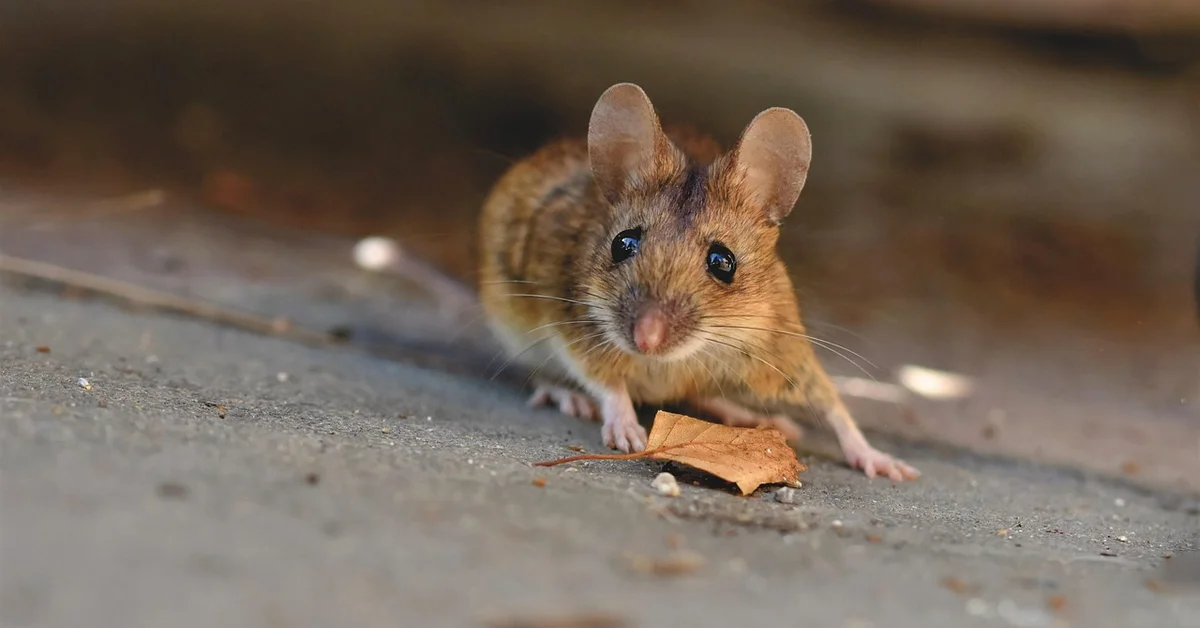
When you look at your own pet mice, you might see tiny individuals with unique personalities, but their ancestry traces back to three primary subspecies that have shaped their genetics. Each subspecies carries a distinct genetic signature that influences everything from coat color to behavior, which can help you better understand your own mice’s traits. I’ve noticed subtle differences in my mice—Kenny’s adventurous spirit and Gregory’s calm demeanor—that echo their wild relatives’ adaptations. So, do mice have individual personalities? Yes — both scientific studies and everyday observations show consistent, repeatable behavioral differences among individual mice, shaped by genetics and experience.
How Ancient DNA Reveals Mouse Migration Patterns
Ancient DNA studies have unlocked fascinating tales of mouse migration, showing how these rodents moved alongside humans for thousands of years. By analyzing genetic markers from fossilized remains, scientists can map how mice populations expanded from their origins in South Asia to Europe, Africa, and beyond. This research reveals that mice didn’t just hitch rides on ships; they adapted to local environments, leading to the diversity we see today. Because mice frequently accompanied sailors and settled in ports, their genetics provide clues to maritime trade and exploration routes. In this way, tiny stowaways help reconstruct the history of seafaring and human contact across oceans.
- Mus musculus domesticus: Often found in Western Europe and the Americas, this subspecies thrives in human settlements, with genetics favoring boldness and adaptability.
- Mus musculus musculus: Common in Eastern Europe and Asia, these mice show traits like caution and resilience, shaped by colder climates and seasonal changes.
- Mus musculus castaneus: Native to South and Southeast Asia, this group exhibits high genetic diversity, influencing traits like agility and social behavior in pet mice.
Understanding these patterns can help you appreciate why some mice, like my Jeffery, might be more anxious or observant-it’s a legacy of their ancestors’ journeys. Genetic studies show that mice populations mixed over time, creating the blended traits we cherish in our pets today.
Following Human Footsteps: How Mice Spread Across the World
Mice are master stowaways, and their global spread is a story woven into human history. From ancient agricultural societies to seafaring explorers, mice hitched rides on grain shipments, carts, and ships, settling wherever humans did. I often think about how my mice’s ancestors might have traveled from far-off lands to end up in my home, bringing with them a rich genetic tapestry.
Their migration wasn’t random; it followed predictable routes tied to trade and colonization. For example, mice reached the Americas with European settlers, adapting quickly to new foods and climates, which is why pet mice today can thrive in varied environments with proper care. This adaptability is something I see in Kenny, who fearlessly explores every nook of his habitat.
- Early human settlements: Mice first spread from wild grasslands into villages, feeding on stored grains and forming commensal relationships.
- Maritime expansion: During the Age of Exploration, mice boarded ships, leading to populations establishing on islands and continents worldwide.
- Modern urbanization: Today, mice continue to spread through global trade, emphasizing the need for responsible pet ownership to prevent unintended releases.
By recognizing this shared history, you can create a home that honors their natural instincts, like providing hiding spots and foraging opportunities. Mice have been our silent companions for millennia, and their resilience is a testament to their ability to adapt alongside us. However, when kept in barren environments without stimulation, mice can develop learned helplessness, showing reduced activity and exploratory behavior. Providing enrichment helps prevent this and supports their natural resilience.
Why “Mouse” Becomes “Mice” But “House” Stays “House”
If you’ve ever wondered why the plural of “mouse” is “mice” while “house” stays the same, it’s a quirk of English language evolution rooted in Old English. This irregular plural form dates back to a time when English had more complex noun declensions, and “mouse” followed a pattern that changed the vowel sound in pluralization. As a mouse owner, I find it charming how language reflects the uniqueness of these creatures, much like their individual personalities.
Words like “mouse” come from Germanic origins, where internal vowel changes were common for plurals, whereas “house” derives from a different linguistic path that kept its form. Understanding these nuances can make talking about your pets more engaging, whether you’re describing one mouse or a group of mischievous mice.
- Historical roots: In Old English, “mūs” became “mȳs” in the plural, a pattern seen in other words like “louse” to “lice.”
- Language simplification: Over time, English lost many irregular forms, but “mice” persisted due to its frequent use, while “house” stabilized as a regular noun.
- Practical takeaway: When caring for multiple mice, using the correct plural adds a touch of historical awareness to your pet interactions.
Next time you refer to your mice, remember that this linguistic oddity connects you to centuries of human-mouse coexistence. Embracing these details enriches the bond with your pets, turning everyday care into a lesson in history and language.
What Your Pet Mouse Inherited from Ancient Ancestors
Your pet mouse carries a rich genetic legacy from wild ancestors who thrived alongside humans for thousands of years. These tiny companions retain instincts honed in ancient fields and granaries, which explains many of their quirky habits today. I’ve observed this firsthand with my own mice, like Kenny, whose bold curiosity seems straight out of a survival playbook. Their physical traits—like slender bodies for squeezing into tight spaces and whiskers that map their surroundings—are direct heirlooms from mice that navigated complex, human-altered landscapes. That long association with people is the heart of their domestication story, a gradual shift from pest to pet. Tracing that history shows how close contact with humans and subtle selection shaped the behaviors and appearance of the mice we keep today.
Modern house mice descend from populations that spread globally by stowing away on ships and wagons. This history of adaptation means your mouse is wired to explore new environments rapidly, just as their ancestors did when encountering unfamiliar territories. You might notice your pet’s relentless chewing isn’t mischief; it’s an ancient strategy to manage ever-growing teeth, vital for processing diverse wild foods. Their social nature, too, stems from ancestral colonies that relied on cooperation to detect predators and share resources.
Ancient Survival Behaviors You’ll See in Your Cage Today
Watch closely, and you’ll spot behaviors that once ensured survival in the wild. Your mouse’s habit of hoarding food in hidden corners mirrors how ancient mice cached seeds to endure lean seasons. I see this with Jeffery, who tucks berry crumbs beneath his bedding, just as his forebears might have. These actions aren’t random; they’re deeply ingrained routines that provided security in unpredictable environments. (It’s understandable why they do it).
- Burrowing and nesting: Mice instinctively create elaborate hideaways, much like wild ancestors digging burrows to evade predators and regulate temperature.
- Vigilant grooming: Frequent self-cleaning isn’t just for hygiene; it removed scents that could attract threats in ancient settings.
- Social vocalizations: Soft chirps and squeaks, like those from Gregory, echo communication used to maintain group cohesion and warn of danger.
- Nocturnal activity: Your mouse’s nighttime energy peaks align with ancestral patterns of foraging under cover of darkness to avoid diurnal predators.
Even play-fighting or gentle nibbling among cage mates reflects ancient social bonding and hierarchy establishment. These behaviors are not just cute; they’re functional echoes of a past where every action had purpose. Recognizing this can deepen your appreciation for your pet’s natural intelligence and resilience. That said, it’s important to distinguish normal dominance from bullying. Persistent chasing, repeated biting, or one mouse constantly hiding are signs of an unhealthy relationship that need intervention.
How This Ancient History Shapes Modern Mouse Care
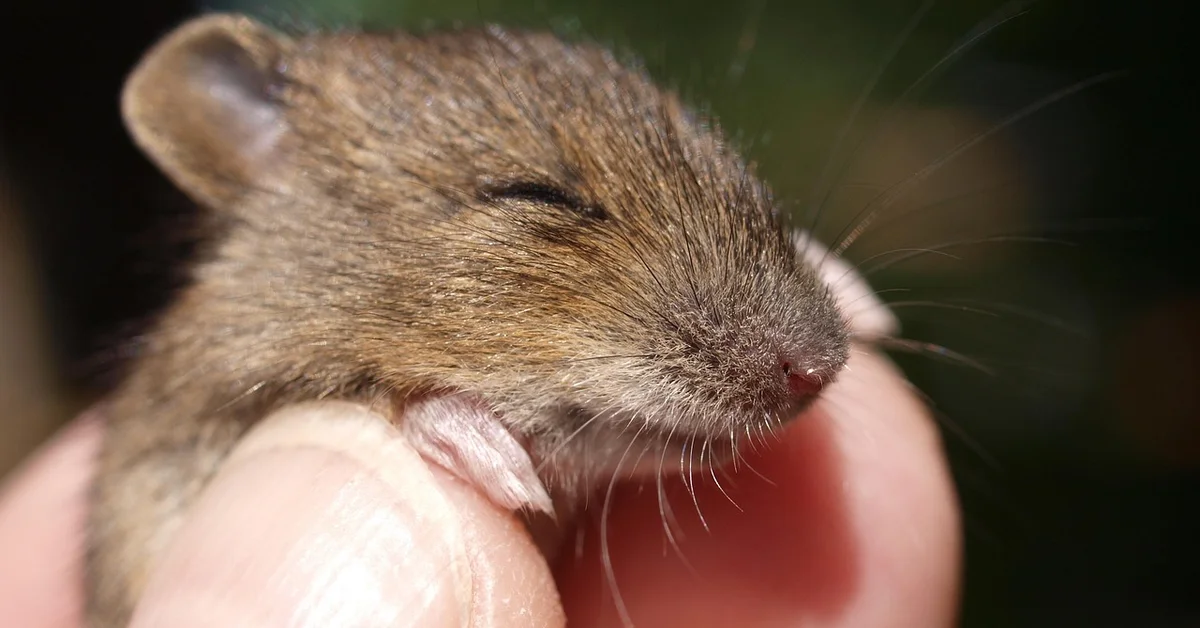
Understanding your mouse’s ancestral roots transforms how you approach their daily needs. By catering to inherited instincts, you create a habitat that reduces stress and promotes natural behaviors. For example, providing tunnels and hiding spots satisfies their burrowing drive, which I’ve seen keep Kenny content during his exploratory phases. This historical perspective turns routine care into an opportunity to honor their biological heritage.
Diet choices should reflect the varied foraging of ancient mice. Offering a mix of seeds, grains, and occasional proteins mimics the diverse diet that sustained their wild relatives. Avoid over-relying on single food types; instead, scatter feed to encourage natural hunting and hoarding. I’ve found that Gregory enjoys searching for aged cheese bits, much like his ancestors would have scrounged for scattered grains.
- Enrichment through complexity: Add climbing structures and puzzle feeders to stimulate problem-solving skills rooted in navigating ancient environments.
- Social housing: House mice in compatible groups to support their innate need for companionship, reducing loneliness that could stem from solitary ancestral risks.
- Safe nesting materials: Provide paper or fabric scraps for building nests, honoring their instinct to create secure, insulated homes.
- Consistent routines: Maintain regular feeding and cleaning schedules to offer predictability, countering the uncertainty their ancestors faced.
Your mouse’s health and happiness are intertwined with these ancient patterns. Observing and adapting to these inherited traits helps you build a nurturing environment that feels instinctively right to your pet. It’s a gentle way to bridge millennia of evolution right in your own home.
Frequently Asked Questions
How did house mice first get into human houses?
House mice originally entered human dwellings through a process called commensalism, where they followed the food and shelter provided by early human settlements. As humans began storing grains and building permanent structures, mice seized the opportunity to live in safer, resource-rich environments, hitching rides on trade goods and vehicles to spread globally. For pet mouse owners, this history highlights their innate need for secure, enriched habitats that mimic these ancestral conditions, reducing stress by offering hiding spots and foraging opportunities.
Where do house mice originally come from?
House mice evolved in the open steppes and agricultural regions of the Indian subcontinent, where the species Mus musculus first developed its survival traits. From there, they spread worldwide by accompanying human migrations and trade routes, adapting to various climates and diets. Knowing this origin helps pet owners appreciate their mouse’s natural behaviors, such as agility and curiosity, and tailor care to include activities that reflect this wild heritage, like exploration and social interaction.
What is the taxonomic order of the house mouse?
The house mouse belongs to the order Rodentia, which includes all rodents, and the family Muridae, encompassing mice and rats. This classification underscores their shared traits with other rodents, such as continuously growing incisors and a diet centered on grains and seeds. Understanding this taxonomy can guide pet care, as it explains behaviors like gnawing and social hierarchy, allowing owners to provide appropriate chew toys and group housing to support their well-being.
Your Path Forward
Realizing your tiny companion shares a lineage with ancient survivors can transform how you view their curious behaviors and resilient nature. Every time you watch them explore, you are witnessing a legacy of incredible adaptation that has thrived alongside humanity for millennia.
This deep, shared history makes the bond you are building with your mouse today part of a much larger, wonderful story. Caring for them with this perspective allows you to appreciate their instincts and provide an environment where their natural intelligence can truly shine.
Further Reading & Sources
- House mouse – Wikipedia
- Origins of house mice in ecological niches created by settled hunter-gatherers in the Levant 15,000 y ago | PNAS
- Tracking the Near Eastern origins and European dispersal of the western house mouse | Scientific Reports
Isabella is a passionate small pet enthusiast with over 8 years of experience in caring for mice. She loves sharing practical tips and heartfelt stories to help fellow mouse owners provide the best care for their tiny companions.
Mice in Science & History