
Barbering in Mice: Why Your Mouse is Chewing Fur Off Itself or Others
Have you spotted your mouse gnawing patches of fur from itself or its companions, leaving you puzzled and concerned? I’ve been there with my own mischief of mice, and this guide will demystify that baffling behavior, offering you a clear path to understanding and addressing it.
We’ll break down the underlying causes of barbering, from stress to social dynamics, and then move into practical strategies you can use to help your furry friend feel better.
What Is Mouse Barbering and What Does It Look Like?
Mouse barbering is a compulsive behavior where a mouse excessively chews or grooms its own fur or the fur of its cage mates, leading to hair loss. This isn’t the gentle, mutual grooming you often see; it’s a focused, persistent action that removes hair right down to the skin. The result isn’t a neat trim but rather patchy, irregular bald spots.
You might notice these bare patches most commonly on the head, face, and along the back. The skin underneath typically looks perfectly normal-no redness, flakiness, or sores-which is a primary clue that you’re dealing with barbering and not a standard skin infection. In my own colony, I once observed one mouse creating a perfectly bald “monk’s spot” on the head of another, a clear sign of this specific behavior.
- Patchy, uneven fur loss, often in accessible areas.
- Skin in the bald areas appears normal and healthy.
- Whiskers may be chewed down short or be completely missing.
- You may witness one mouse relentlessly pursuing and nibbling another.
Why Do Mice Barber? Understanding the Root Causes
Pinpointing the exact reason a mouse starts barbering can feel like detective work. The motivation behind the chewing is the single most important factor in determining how to address it. The causes generally fall into two main categories: behavioral and medical.
Behavioral Causes: Social Hierarchy and Stress
This is the most common driver of barbering, especially when one mouse is barbering others. In a mouse colony, barbering can be a display of social dominance, a way for a higher-ranking mouse to assert control over its subordinates. The mouse being barbered usually accepts this without a fight, which can make the behavior seem deceptively peaceful.
Stress, however, is a huge and often overlooked factor. A chaotic environment, lack of hiding places, or even a sudden change in routine can trigger a mouse to over-groom itself or its friends as a coping mechanism. I’ve seen this with my own bold mouse, Kenny; when his environment wasn’t quite right, his restless energy sometimes turned into nibbling his cagemates. Recognizing these behaviors is important. A visual behavioral guide to signs of stress in mice can help you spot trouble early and take corrective action.
- Dominance: A higher-ranking mouse grooms subordinates to reinforce its status.
- Boredom: An under-stimulated mouse with nothing else to do may turn to barbering.
- Overcrowding: Too many mice in too small a space creates constant social pressure.
- Insufficient Habitat Enrichment: A lack of toys, tunnels, and things to explore leads to frustration.
Medical Causes: When Barbering Signals Health Problems
Sometimes, the urge to chew is a cry for help from the body. It is absolutely vital to rule out medical issues before assuming the problem is purely behavioral. What looks like barbering could be a mouse desperately trying to relieve an intense itch or pain.
Parasites like mites or lice are a frequent culprit, causing extreme irritation. If you see any scabbing, redness, or inflammation accompanying the hair loss, a veterinary visit is non-negotiable. These issues commonly produce intense itching, scabs, and patchy hair loss in mice. If you notice persistent scratching or open sores, act quickly — they can worsen fast. Allergies to new bedding or food can also trigger a sudden onset of over-grooming as the mouse tries to soothe its itchy skin.
- Parasites: Mites and lice cause intense itching that leads to chewing.
- Fungal Infections: Ringworm can cause circular patches of hair loss.
- Skin Allergies: A reaction to bedding, detergent, or a new food ingredient.
- Pain: A mouse may chew at a specific area if it is experiencing localized pain from an injury or arthritis.
How to Tell If Your Mouse Has Barbering or a Skin Condition
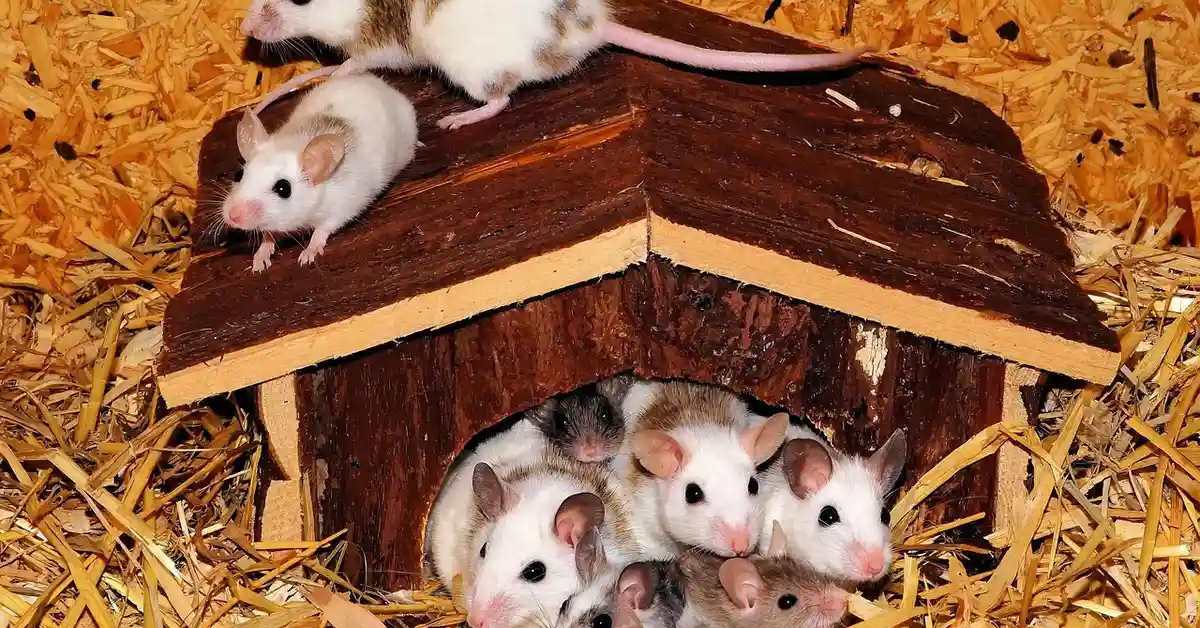
Distinguishing between barbering and a medical skin issue is your first critical step. I’ve spent many evenings with a small flashlight, carefully examining my mice to understand the root of their discomfort. The pattern of hair loss is often the most revealing clue. Barbering—an overgrooming behavior by cage-mates—tends to produce clean, well-demarcated patches with intact hair roots, while medical causes often show inflammation, crusting, or broken hairs. Recognizing these differences helps decide whether to address social housing and behavior or to pursue veterinary diagnostics.
Barbering typically leaves behind very short, stubby, and uneven hairs that feel rough to the touch, as if someone took tiny scissors to them. The skin underneath usually looks perfectly normal—no redness, flakiness, or scabs. In contrast, a skin condition from mites or a fungal infection often results in patchy, complete baldness where you can see inflamed, red, or crusty skin. Barbering is often accompanied by ruffled fur, hunched posture, and generally poor grooming—signs of stress or social conflict rather than a primary skin disease. Noting these behaviors alongside the stubby hairs helps distinguish barbering from medical causes.
- Location is a major indicator: Barbering often occurs in hard-to-reach spots like the middle of the back, the rump, or around the face and whiskers if a cage mate is the culprit.
- Observe the behavior: Do you see one mouse actively chasing and nibbling on another? That’s a clear sign of social barbering. A mouse chewing on its own front legs or chest is likely self-barbering.
- Check for other symptoms: Skin conditions frequently come with intense itching, causing the mouse to scratch incessantly. You might also notice weight loss or a change in energy levels, which are not typical with straightforward barbering.
Treating Mouse Barbering: Practical Steps That Work
Once you suspect barbering, a calm and methodical approach yields the best results. I’ve navigated this with my own group, and patience truly is the most important tool in your kit. That patience also helps you avoid common grooming mistakes—rushing, overtrimming, or using the wrong tools often makes things worse. Here are the key grooming “don’ts” to avoid.
Rule Out Medical Problems First
Your very first action should be a visit to an exotics veterinarian. A professional diagnosis ensures you aren’t mistaking a painful medical condition for a behavioral one. The vet can perform a skin scraping to check for parasites. I’ve found this step brings immense peace of mind, even if it just confirms your suspicions. Treating for mites when you don’t need to can add stress, and ignoring a real infection will only make your mouse suffer.
Adjust Social Dynamics and Cage Mates
If another mouse is the barber, you need to assess their living situation. Sometimes, the solution is as simple as providing more resources.
- Multiply Everything: Ensure there are multiple food bowls, water bottles, and hideouts. Competition over a single prized sleeping spot can trigger this behavior.
- Consider a Temporary Separation: In persistent cases, using a clean, divided cage or a separate temporary enclosure for a few days can break the cycle. It allows the barber’s fur to grow back and gives both mice a reset.
- Re-introduce with Care: If you separate them, a full, neutral-territory reintroduction process is often necessary before they can live together peacefully again.
Enrich Your Mouse’s Environment
Boredom and stress are powerful drivers of barbering. Transforming their cage into a stimulating playground can work wonders.
- Rotate novel toys frequently: I keep a box of cardboard tubes, untreated wooden blocks, and ping-pong balls to swap into the cage every few days. The novelty keeps their minds occupied.
- Create a foraging paradise: Instead of a food bowl, scatter their daily ration throughout the bedding. Hide treats inside puzzle balls or crumpled paper. This encourages natural hunting and gathering instincts.
- Build a complex habitat: Use platforms, ropes, and tunnels to create a multi-level world. A busy mouse climbing and exploring is a mouse not focused on chewing fur.
Monitor Progress and Adjust Your Approach
Healing takes time, and fur regrowth is a slow process. Keep a simple log noting which mouse is affected, the appearance of the skin, and any changes in their behavior. Take a photo once a week to track progress visually. If you see no improvement after a few weeks of environmental and social changes, it’s time to revisit your vet. There might be an underlying issue like chronic pain or a nutritional deficiency that needs a different kind of intervention.
Preventing Barbering Before It Starts
Dealing with barbering after it begins can be stressful for both you and your mice. The most effective strategy is to build a lifestyle that makes the behavior unnecessary. Prevention centers on creating an environment that supports their natural instincts and keeps their minds peacefully occupied.
Environmental Enrichment is Your Best Tool
A busy mouse is a happy mouse, and a happy mouse is far less likely to over-groom itself or its cage mates. I’ve found that a rotation of toys and activities keeps my trio, especially the energetic Kenny, from inventing their own troublesome games. Choosing the right toys—puzzle feeders, chewable hideaways, tunnels, and climbing structures—keeps their minds as well as their bodies active. Below are some of the best enrichment toys that stimulate a mouse’s mind.
- Foraging Fun: Never put all their food in a bowl. Scatter their daily ration throughout the cage, buried in deep paper-based bedding or tucked inside puzzle toys. This turns mealtime into a hours-long treasure hunt.
- Texture Variety: Offer a wide range of safe materials to chew and shred. Cardboard tubes, untreated softwood blocks, hay cubes, and crinkled paper balls provide an outlet for chewing urges that might otherwise be directed at fur.
- Cage Complexity: Use every inch of vertical space. Hammocks, ropes, platforms, and branches encourage climbing and exploration. A complex habitat reduces boredom-induced stress significantly.
Dietary Considerations for Calm Nerves
What your mice eat directly impacts their overall well-being. A balanced diet supports healthy skin and a calm demeanor. Over time, nutritional choices influence their long-term health, affecting lifespan and the risk of chronic issues like obesity and dental disease. Choosing the right diet now helps prevent problems later.
- Provide a high-quality, nutritionally complete lab block as their main food source. This ensures they aren’t missing any vital nutrients that could cause skin irritation or anxiety.
- Limit high-fat treats like sunflower seeds, which can be overstimulating. I offer them sparingly as a special reward for Kenny after a particularly adventurous play session.
- Ensure a constant supply of fresh, clean water. Dehydration can lead to dry, itchy skin that a mouse might try to soothe by chewing.
Social Harmony in the Group
Mice are deeply social, but their relationships need careful management. Observe your group’s dynamic daily.
- Ensure the cage is large enough to allow for personal space. A good rule is a minimum of two square feet of floor space for a trio, but more is always better.
- Provide multiple hideouts, food stations, and water bottles. This prevents competition over resources, which is a common source of tension.
- Introduce new mice using the proper, slow split-cage method to build positive associations and prevent bullying from the start.
When to Get Veterinary Help for Barbering
While many cases of barbering can be managed at home, some situations absolutely require a professional opinion. Your veterinarian is a crucial partner in your mouse’s health, especially when home interventions aren’t enough.
Clear Signs You Need to Call the Vet
Do not hesitate to seek help if you notice any of the following. Early intervention can prevent a minor issue from becoming a major health crisis.
- Visible Skin Damage: Look for open sores, bleeding, scabs, or significant redness and inflammation on the barbered areas. This indicates the chewing has passed a harmless threshold.
- Signs of Pain or Infection: If the mouse is flinching when touched, seems lethargic, has a hunched posture, or you see pus, a veterinary visit is urgent.
- Rapid Hair Loss: When fur disappears in large patches over just a day or two, it’s more likely a medical condition like mites or a fungal infection than behavioral barbering.
- No Improvement: If you’ve enriched the environment, checked the social dynamics, and ensured a proper diet for two full weeks with no reduction in barbering, it’s time for a professional assessment.
What to Expect at the Vet
Knowing what might happen can make the visit less stressful for you. An exotic vet will perform a thorough examination to rule out underlying causes.
- The vet will ask detailed questions about your mice’s diet, habitat, and social structure.
- They will likely perform a skin scrape to check for microscopic parasites like mites.
- They may examine the fur under a microscope; barbered hairs have a characteristically blunt, cut end, while hairs lost from disease often have a root bulb attached.
- Based on their findings, they might prescribe medication for parasites, pain relief for sore skin, or even discuss short-term anti-anxiety solutions to break the barbering cycle.
Watching Jeffrey, my most anxious mouse, I’ve learned that his occasional nervous nibbling is a signal. It tells me I need to check his world for stressors I might have missed. Whether the solution is a new cardboard castle or a trip to the vet, your attentive care is their greatest comfort. If your mouse seems fearful or anxious, small predictable changes and calm handling can help. Helping a scared pet takes patience and consistency.
Frequently Asked Questions
How should I treat my mouse if it’s scratching excessively but not barbering?
If your mouse is scratching excessively without signs of barbering, it could indicate an underlying issue like parasites, allergies, or dry skin. First, consult an exotics veterinarian for a proper diagnosis, as they may recommend treatments such as anti-parasitic medications for mites or lice, or suggest changes in bedding or diet to address potential allergens.
Additionally, ensure your mouse’s environment is clean and humidified to prevent dry skin, and avoid using harsh cleaning products. Providing a balanced diet and reducing stress through habitat enrichment can also help alleviate scratching, but always follow veterinary guidance to address the root cause effectively.
Are certain types of pet mice more likely to develop barbering behavior?
Barbering behavior is not specific to any particular breed or type of pet mouse, as it primarily stems from environmental and social factors rather than genetics. However, individual personality traits, such as higher anxiety or dominance tendencies, can make some mice more prone to barbering themselves or others.
Factors like early life stress, lack of socialization, or living in an under-stimulating environment can increase susceptibility. Focusing on providing a enriched, low-stress habitat and monitoring social interactions is key to reducing barbering risks across all mice.
Can barbering behavior in mice stop on its own?
Barbering behavior rarely resolves on its own without intervention, as it often persists due to ongoing stressors, boredom, or social dynamics. Addressing the root causes through environmental enrichment, social adjustments, and veterinary care is usually necessary to break the cycle and promote fur regrowth.
If left unaddressed, barbering can worsen or lead to secondary issues like skin infections. Consistent monitoring and proactive changes, such as adding toys or separating aggressive cage mates, are essential to encourage cessation of the behavior over time.
Your Path Forward
Seeing your mouse lose fur can be unsettling, but you now know this behavior often stems from stress, boredom, or social dynamics rather than a dire emergency. Your first and most powerful step is simply to observe your mice’s environment and interactions with a calm, knowing eye.
By enriching their habitat, providing ample distractions, and monitoring their social structure, you are giving them the best chance for a peaceful, furry life. With patience and these adjustments, you are fully equipped to guide your little companions toward happier, healthier days.
Further Reading & Sources
- Risk factors for barbering in laboratory mice | Scientific Reports
- Oh no, my mice are balding!
- Environmental Enrichment Reduces the Likelihood of Alopecia in Adult C57BL/6J Mice – PMC
Isabella is a passionate small pet enthusiast with over 8 years of experience in caring for mice. She loves sharing practical tips and heartfelt stories to help fellow mouse owners provide the best care for their tiny companions.
Mice Grooming