
The Best Enrichment Toys to Keep Your Pet Mouse Happy and Engaged
Have you ever watched your mouse go through the same routine in their cage and wondered if they might be a little bored? I’ve spent many evenings observing my own mice, and that question is what led me on a deep exploration into the world of mouse enrichment.
This guide cuts through the clutter to bring you a curated review of toys that truly work, based on my years of experience. We will cover everything from budget-friendly DIY options to the best commercial puzzles, ensuring you find the perfect tools to challenge and delight your clever companion.
Why Mental Stimulation Matters for Your Mouse
A mouse without mental engagement is like a brilliant student with no books. Providing consistent mental stimulation is the single most effective way to prevent the lethargy and repetitive behaviors that stem from simple boredom. In my own experience, I’ve seen a dramatic shift in my mouse Kenny’s demeanor; his impulsive curiosity is channeled into solving puzzles rather than trying to chew through his habitat walls.
Their minds are constantly active, wired to solve problems and explore their surroundings. When you meet this innate need for cognitive challenges, you are actively supporting their emotional well-being and overall zest for life. A stimulated mouse is a happier, more vibrant companion, and you’ll notice a delightful increase in their playful antics and overall engagement with you and their world.
Types of Enrichment Every Mouse Needs
Cognitive and Puzzle-Based Enrichment
These activities are like mini-gymnasiums for your mouse’s brain. Puzzle-based toys directly challenge your mouse’s problem-solving skills, rewarding them with a tasty treat for their intellectual effort. I often use a simple puzzle ball with my group; watching Gregory, the patient elder, methodically work it open is a masterclass in rodent intelligence. If you want to make playtime even more stimulating, picking the best enrichment puzzle toys for mice will help target different skills and keep them engaged. Below are some top options to consider.
- Treat Balls & Puzzle Balls: Hollow balls with openings that dispense crumbs or seeds as the mouse rolls them. This turns a simple snack into a rewarding game.
- Lift-and-Slide Lids: Create your own puzzles by hiding treats under lightweight cork coasters or cardboard squares they must move.
- Multi-Step Mazes: Construct small, rearrangeable mazes from cardboard or safe wood blocks. This encourages memory and spatial reasoning as they learn the layout.
Physical and Exercise Enrichment
Physical activity is intrinsically linked to mental health for these energetic little athletes. A well-designed habitat offers more than just floor space; it provides a three-dimensional jungle gym for climbing, balancing, and exploring. My mouse Jeffery, though naturally hesitant, gains immense confidence from navigating a series of rope bridges and platforms.
- Silent Safety Wheels: A solid-surface running wheel is non-negotiable. It allows for natural running behavior without the risk of foot injuries from wire mesh.
- Climbing Nets & Ropes: Secure bird ropes or hemp nets to the cage walls to satisfy their instinct to climb and improve coordination.
- Cork Tubes & Branches: Natural materials like cork bark and apple wood branches create a complex landscape perfect for scrambling over and through.
Sensory and Foraging Enrichment
This category engages your mouse’s most vital senses: smell, touch, and taste. Foraging enrichment taps into their most fundamental instinct-the thrilling hunt for food. Scatter-feeding their daily seed mix amongst bedding or in a dig box mimics the wild behavior of searching for meals, which is far more engaging than eating from a bowl.
- Dig Boxes: Fill a shallow container with child-safe, chemical-free soil, coconut fiber, or crinkled paper strips. Bury their favorite treats, like sunflower seeds for Kenny, to encourage natural digging.
- Herb Gardens: Grow small pots of mouse-safe herbs like basil, cilantro, or wheatgrass right in their enclosure. They can nibble, hide in, and smell the fresh plants.
- Texture Trays: Offer a variety of substrates in different areas-soft fleece, crinkly paper, smooth flat stones. This provides novel tactile experiences under their paws.
Environmental and Social Enrichment
This is about crafting a dynamic living space that feels secure and interesting. Regularly rotating and rearranging toys and hideouts prevents your mouse’s environment from becoming stale and predictable. I switch my boys’ setup every weekend, and they spend hours excitedly re-exploring their “new” home.
- Multi-Chamber Hideouts: Offer hides with more than one entrance or connecting tunnels. This mimics the complex burrow systems they would create in the wild and provides choice.
- Safe Chew Variety: Provide a rotating selection of chews-whimsical, apple sticks, seagrass toys, and crunchy dog biscuits. This keeps their teeth healthy and gives them a constructive outlet for chewing.
- Companionship: For most mice, living with compatible cage mates is the ultimate enrichment. Observing their intricate social interactions, from gentle grooming to playful chasing, is a constant source of mental engagement you simply cannot replicate with a toy.
Best Store-Bought Enrichment Toys for Mice
Foraging and Treat Dispenser Toys
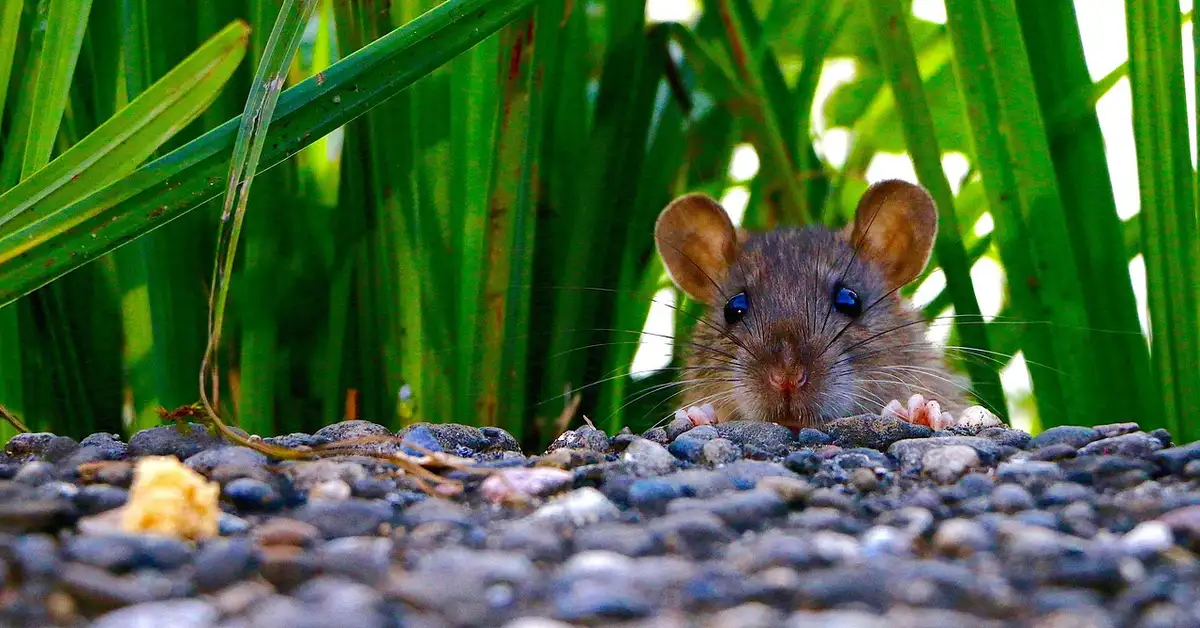
These clever gadgets turn snack time into a brain-teasing adventure. Puzzle balls that mice must roll to release tiny treats are fantastic for encouraging natural foraging instincts. I’ve found that models with adjustable difficulty settings work best, allowing you to start easy and increase the challenge as your mouse gets smarter. My curious Kenny mastered a simple puzzle ball in just two days, which meant I needed to upgrade to a more complex design to keep him engaged. If you enjoy DIY, try 10 easy foraging puzzles you can make at home to make your mouse think and stay mentally stimulated. They range from beginner-friendly to brain-bending, so you can keep increasing the challenge as your pet improves.
- Timber treat puzzles with sliding lids and hidden compartments
- Interactive snuffle mats where food is buried in fabric folds
- Transparent maze towers with multiple treat-release levels
- Rotating puzzle wheels that require precise paw manipulation
Tunnel Systems and Climbing Structures
Mice are natural explorers who love to navigate complex three-dimensional spaces. A high-quality multi-level tunnel system provides both physical exercise and mental mapping challenges that satisfy their need for exploration. Look for connectors that allow you to redesign the layout weekly, creating an ever-changing environment that prevents boredom. The constant reconfiguration keeps my trio guessing and exploring their territory with fresh enthusiasm every time I change it.
- Modular plastic tubing with clear and opaque sections
- Natural woven grass tunnels that double as chew toys
- Vertical climbing nets made from safe, chew-proof materials
- Ladder systems connecting different habitat levels
Chew Toys and Gnawing Blocks
A mouse’s teeth never stop growing, making chewing an essential activity. This is why mice gnaw everything: constant chewing wears down their incisors and prevents painful overgrowth. It also satisfies natural exploratory and instinctive needs. Providing a variety of textures and flavors in chew toys helps maintain dental health while offering sensory stimulation. I always keep at least three different types available—my mice show clear preferences, with Gregory favoring tough wood blocks while Jeffery prefers softer cardboard options. Rotating these toys maintains their novelty and effectiveness.
- Apple wood sticks and branches from pesticide-free sources
- Mineral chews that provide essential nutrients
- Loofah slices and seagrass toys for varied textures
- Willow balls and rings that can be both chewed and pushed around
Exercise Wheels and Running Toys
The right exercise wheel is arguably the most important toy in any mouse habitat. Choose a solid-surface wheel that’s large enough to support your mouse’s back in a natural position-this prevents spinal injuries and encourages longer, healthier running sessions. I learned this lesson the hard way with a wheel that was slightly too small, noticing my mice would arch their backs uncomfortably. Upgrading to proper-sized wheels made an immediate difference in their enthusiasm and posture.
- Silent spinner wheels with solid plastic running surfaces
- Flying saucer-style wheels that offer alternative running angles
- Adjustable track systems that can be configured in different patterns
- Textured running surfaces that provide gentle paw massage
Hideouts and Nesting Enrichment
Every mouse needs a secure place to retreat and feel safe. Multiple hideouts throughout the habitat reduce stress by providing escape routes and private resting spots. I include at least one more hiding place than I have mice, which has dramatically reduced squabbles in my colony. Watching them choose different houses based on their mood—Gregory prefers enclosed ceramic hides while Jeffery likes transparent plastic ones where he can see approaching friends—reveals their individual personalities. It’s fascinating to consider where mice hide in the wild and how they select entry points and nesting spots that offer both security and comfort.
- Coconut shell hides with entrance holes
- Multi-chamber wooden houses with several rooms
- Hammocks and hanging beds for elevated resting
- Natural terracotta pots that stay cool in warm weather
How to Make DIY Mouse Enrichment Toys
Simple Cardboard Enrichment Projects
Cardboard is the unsung hero of DIY mouse enrichment-it’s free, safe to chew, and endlessly versatile. Transforming toilet paper tubes into puzzle feeders by folding the ends and poking small holes creates instant foraging fun. I save all my paper towel tubes and egg cartons to build elaborate cardboard castles that my mice can both explore and gradually dismantle. The destruction process is just as enriching as the initial exploration.
- Cut cardboard boxes into multi-level structures with connecting holes
- Weave strips of cardboard through cage bars to create chewable landscapes
- Stack and glue small cardboard boxes into apartment-style complexes
- Create cardboard mazes that can be rearranged weekly
Foraging and Food-Based DIY Toys
Your kitchen contains everything needed to create engaging food puzzles. Hiding treats inside a crumpled paper bag or twisted paper towel encourages natural shredding and searching behaviors. I frequently make “treasure burritos” by sprinkling oat flakes on a paper towel, rolling it tightly, and twisting the ends-my mice will work for twenty minutes unraveling their prize. These simple creations provide mental stimulation equal to expensive store-bought puzzles.
- String untreated wooden beads and cereal O’s onto pet-safe twine
- Fill small paper cups with bedding and treats for digging
- Create hanging vegetable kabobs using stainless steel skewers
- Bake simple treats from blended vegetables and oats to use in puzzles
Climbing and Exploration DIY Options
Natural materials from your backyard can create spectacular climbing structures. Thoroughly cleaned and baked branches from apple or pear trees make perfect rustic climbing frames that are safe for chewing. I regularly collect these branches, bake them to eliminate pests, and secure them at different angles to create challenging climbing routes. Watching Kenny navigate these homemade structures is more entertaining than any television show.
- Tie together untreated wooden dowels with safe cotton rope
- Create rope bridges using thick cotton yarn and small wooden platforms
- Build ladders from popsicle sticks and non-toxic glue
- Hang sturdy fabrics from cage tops to create climbing curtains
Nesting and Comfort DIY Materials
Mice are master nest builders who appreciate a good selection of construction materials. Offering a variety of safe nesting options allows mice to express natural behaviors and create personalized comfort zones. I keep a “nesting station” filled with different materials—shredded paper, paper towel strips, and untreated hay—and my mice make different choices depending on the season and their mood. In the wild, nests shape a mouse’s life—serving as shelter, breeding sites, and territorial centers that shift with the seasons. Nesting choices directly affect reproduction and lifecycle stages, from raising pups to preparing for colder months.
- Shred unscented paper towels into strips of varying lengths
- Cut up old cotton t-shirts into nesting-sized pieces
- Offer dried grass or hay from pet-safe sources
- Provide tissue paper for delicate nest lining
Choosing Age-Appropriate Toys for Your Mouse
Just like humans, mice have different enrichment needs throughout their lives. Younger mice thrive with challenging climbing structures and complex puzzles that match their boundless energy and curiosity. My youngster Kenny will spend hours figuring out new puzzle configurations, while older Gregory prefers straightforward foraging toys he can master without frustration. Observing your mouse’s current abilities and preferences is key to selecting the right challenges. Try a DIY 10-puzzle foraging challenge to provide a ready-made progression of toys. Rotate or scale the puzzles so energetic youngsters like Kenny get complex tasks while older mice like Gregory enjoy simpler, rewarding foraging.
Senior mice often develop arthritis or decreased mobility that requires toy adjustments. Replacing tall climbing structures with ramps and providing low-entry hideouts respects their physical limitations while maintaining enrichment quality. I’ve modified Gregory’s habitat with gradual inclines and eliminated any toys requiring jumping, which has kept him active and engaged despite his advancing years.
- Juveniles (1-6 months): Complex puzzles, tall climbing structures, social play items
- Adults (6-18 months): Balanced mix of physical and mental challenges
- Seniors (18+ months): Gentle inclines, easily accessible hides, soft bedding options
Mice with different personalities will naturally gravitate toward different toy types regardless of age. Your anxious mouse might prefer enclosed puzzle toys they can solve in privacy, while your bold explorer will enjoy open climbing challenges. Jeffery, my more nervous mouse, always solves his puzzles in the covered corner of his habitat, while adventurous Kenny tackles his right in the open. Recognizing these preferences helps you place toys where each mouse will feel most comfortable using them.
Safety Considerations for Mouse Enrichment
Before we dive into the fun stuff, let’s talk about keeping your tiny friend safe. An exciting toy becomes a tragedy if it causes injury, so always prioritize safety over novelty. Mice are master chewers and contortionists, capable of getting into spaces you’d never expect.
I always inspect any new item with a simple rule: if I can’t confidently answer “yes” to all these questions, it doesn’t go in the cage.
- Is it made of untreated, mouse-safe wood or certified pet-safe plastic? Avoid anything painted, varnished, or glued.
- Are there any small parts that could be chewed off and swallowed? Think of their size; a pea-sized object is a choking hazard.
- Are there any tight loops, gaps, or wires where a head or limb could get trapped? Toilet paper tubes are perfect; rigid plastic tunnels with small connectors can be risky.
- Are the edges smooth and free of sharp points? Run your finger over every surface. What feels smooth to you could be a splinter risk for them.
Natural materials are almost always your safest bet. I’ve found that items like cork bark, seagrass mats, and applewood sticks satisfy their need to gnaw without introducing dangerous chemicals. Supervise any new toy for the first few hours to see how your particular mouse interacts with it. My mouse, Jeffery, once tried to stuff an entire walnut shell on his head-a reminder that even natural items need watching!
Rotating Toys to Prevent Boredom
Imagine having the same three puzzles to solve, day after day. You’d master them quickly and lose interest, right? Your mouse feels the same. A rotating toy schedule is the single most effective way to keep your mouse’s environment feeling new and challenging. This doesn’t mean you need a warehouse of supplies; it’s about being strategic with what you have.
I operate on a simple weekly cycle that keeps my trio guessing. Here’s how you can set one up too.
- Create a “Toy Library”: Gather all your safe enrichment items in a box. This is your collection.
- Select a Weekly Set: Choose 3-4 different items from the library. Aim for variety-one climbing structure, one chewing item, one puzzle, and one hiding spot.
- Implement the Swap: Every weekend during cage cleaning, put the current set away and introduce a completely new set from your library.
- Observe and Adapt: Notice which toys are ignored? Maybe swap them for something else next time. A toy that was boring two months ago might be their new favorite after the break.
This method keeps their minds active and prevents habituation. You’ll notice a burst of exploratory behavior every time you refresh their environment, which is a clear sign of a stimulated and happy mouse. Kenny’s excitement is palpable every cleaning day; he zooms around inspecting every new arrangement immediately.
What Your Mouse’s Play Style Tells You
Watching your mouse play is like reading their personal diary. How a mouse interacts with its toys reveals volumes about its personality, confidence level, and even its mood. Paying close attention allows you to curate an enrichment plan that is perfectly tailored to their individual needs. To make those observations practical, use a “Tell If Your Mouse Is Happy” behavior checklist — a simple guide to the key signs of contentment. It helps you track changes over time and fine‑tune their enrichment.
You’ll likely see your mouse fall into one or more of these common play styles. I see all three in my own group!
- The Demolition Expert: This mouse doesn’t just chew; they deconstruct. They are focused on destroying chew toys, shredding paper, and dismantling cardboard castles. This is a natural foraging behavior, and providing destructible materials is key to their satisfaction. Gregory, in his younger days, was a champion at methodically taking apart a seagrass hut.
- The Acrobatic Explorer: This mouse is all about the climb. You’ll find them scaling ropes, balancing on ledges, and testing the stability of every high point. For these daredevils, vertical space and complex climbing structures are non-negotiable for expending energy and building confidence. This is Kenny’s primary mode-always seeking the highest vantage point.
- The Cautious Problem-Solver: This mouse may hang back, observing a new puzzle from a distance before cautiously approaching. They might spend a long time gently manipulating a puzzle feeder or sniffing every inch of a new tunnel. This style indicates a thoughtful, sometimes anxious, personality who benefits from low-stress challenges that build confidence slowly. Jeffery embodies this, often watching his brothers before attempting a new task himself.
There is no “right” or “wrong” style. The goal is to recognize your mouse’s innate tendencies and provide enrichment that complements them, helping a shy mouse gain bravery and a bold mouse channel their energy. Your careful observation is the best tool you have for understanding the unique creature in your care.
Frequently Asked Questions
What is mouse enrichment?
Mouse enrichment refers to the practice of providing activities and items that stimulate a pet mouse’s natural instincts and keep its mind active. It goes beyond basic survival needs to promote psychological well-being by encouraging behaviors like foraging, problem-solving, and exploring. This holistic approach helps prevent boredom and stress, leading to a happier, healthier, and more engaged pet.
What toys do mice like?
Mice generally prefer toys that cater to their innate behaviors, such as chewing, climbing, and foraging. They are particularly drawn to items they can manipulate or destroy, like puzzle balls that release treats, cardboard tubes they can shred, and a variety of safe chew toys. Observing your mouse’s individual play style will tell you the most about its specific preferences, whether it enjoys being a demolition expert, an acrobatic climber, or a cautious problem-solver.
How can I make DIY mouse enrichment toys?
Creating DIY enrichment is simple, cost-effective, and allows for endless creativity. The core principle is to use safe, non-toxic materials like untreated cardboard, paper, and pet-safe woods to create puzzles, climbing structures, and foraging opportunities. Always prioritize safety by ensuring there are no small, loose parts, sharp edges, or toxic glues, and closely supervise your mouse with any new homemade toy to see how it interacts with it.
Your Path Forward
Enrichment toys transform your mouse’s daily routine into an adventure, sparking curiosity and reducing stress through playful challenges. Focus on variety and rotation to keep their environment fresh and engaging, just like the changing landscapes they’d encounter naturally. Enrichment is more than just a wheel.
Trust your observations to guide what toys resonate most with your mouse’s personality and preferences. Understanding the psychology of play helps you choose toys that tap into natural behaviors like foraging, nesting, and problem-solving. Observe how your mouse interacts—whether it prefers puzzle feeders, tunnels, or chew toys—to tailor play that satisfies its instincts. Your commitment to mental stimulation builds a stronger bond and ensures your pet leads a fulfilled, joyful life.
Further Reading & Sources
- 10 Best Toys & Accessories for Pet Rats and Mice
- Toys and Other Environmental Enrichment for Rats and Mice
- Animal Enrichment Devices | Fisher Scientific
Isabella is a passionate small pet enthusiast with over 8 years of experience in caring for mice. She loves sharing practical tips and heartfelt stories to help fellow mouse owners provide the best care for their tiny companions.
Wheel & Toy Reviews