
Bioactive and Naturalistic Mouse Enclosures: An Advanced Care Guide
Have you ever watched your mice and wished their home did more than just house them-that it could truly nurture their natural instincts and curiosity?
This guide will help you transform a standard cage into a thriving, miniature ecosystem. We will cover selecting the right soil and safe plants, establishing a self-cleaning cleanup crew, and designing a landscape that encourages your mice’s natural foraging and burrowing behaviors.
Why Bioactive Enclosures Transform Mouse Welfare
Bioactive setups replicate the intricate ecosystems mice would encounter in the wild, offering them a dynamic environment that nurtures their instincts. This approach moves beyond basic care by creating a living habitat that engages their senses and reduces stress through natural behaviors. I have seen my own mice, like Kenny, become more confident and curious when their home feels like a miniature wilderness.
What Makes a Mouse Cage Truly Bioactive
A bioactive enclosure is defined by its self-sustaining cycle where waste is broken down naturally. Key elements include a deep substrate layer, beneficial microfauna, and live plants that work together to mimic a real ecosystem. It is not just about adding dirt; it is about fostering a balanced environment where every component plays a role.
- A substrate depth of at least 4-6 inches to support burrowing and plant roots
- Introduction of microfauna like isopods and springtails to process waste
- Live plants that are safe for mice and help maintain humidity and air quality
- Natural materials such as leaf litter and wood for foraging and hiding
Is Bioactive Housing Right for Your Mice
Consider your mice’s personalities and your ability to maintain the system. Active, inquisitive mice like Kenny often thrive in bioactive setups, while more reserved ones like Gregory may need gradual introduction. Evaluate your time for initial setup and ongoing monitoring to ensure it fits your lifestyle.
- Observe if your mice enjoy digging and exploring-this indicates they will benefit
- Assess your commitment to maintaining moisture levels and microfauna health
- Start with a simple setup if you are new to bioactive methods
- Monitor for any signs of stress, such as excessive hiding or changes in eating habits
Building Blocks of Naturalistic Mouse Housing
Creating a naturalistic habitat involves layering elements that support physical and mental well-being. Each component, from substrate to shelters, works in harmony to provide a rich, engaging home for your mice. I have found that this approach not only beautifies the enclosure but also encourages behaviors like foraging and nesting that keep mice content. This kind of enrichment helps prevent learned helplessness that can arise in mice kept in barren environments. Giving mice opportunities to explore, choose, and manipulate their surroundings promotes active coping and resilience.
Substrate Selection and Soil Preparation
Choose substrates that hold moisture well and allow for tunneling. Organic, pesticide-free topsoil mixed with coconut coir provides a soft, diggable base that supports plant growth and burrowing. Avoid cedar or pine shavings, as they can release harmful oils.
- Layer 2-3 inches of organic topsoil as the foundation
- Mix in coconut coir to improve aeration and moisture retention
- Add a top layer of sphagnum moss or leaf litter to maintain humidity
- Ensure the substrate is packed firmly to prevent collapses in burrows
Microfauna Cultivation for Waste Management
Microfauna such as isopods and springtails are essential for breaking down waste and preventing odors. These tiny cleaners consume leftover food and feces, turning them into nutrients for plants. Introduce them by sprinkling a starter culture into the substrate and keeping it lightly moist.
- Isopods: Species like dwarf whites are ideal for small enclosures
- Springtails: Thrive in humid conditions and help control mold
- Maintain a balanced population by providing leaf litter as a food source
- Check regularly to ensure they are active and reproducing
Leaf Litter and Natural Foraging Layers
Leaf litter mimics the forest floor and encourages natural foraging behaviors. Scatter dried oak or maple leaves on top of the substrate to create hiding spots and stimulate exploration. My mouse Jeffery loves shuffling through leaves to find hidden treats, which keeps him engaged and reduces anxiety.
- Use leaves free from pesticides and chemicals
- Replace leaf litter every few weeks to prevent mold buildup
- Add in seed mixes or dried herbs to promote foraging activities
- Layer leaves loosely to allow mice to burrow and nest beneath them
Plant-Safe Species for Mouse Enclosures
Select plants that are non-toxic and can withstand occasional nibbling. Herbs like basil and mint, or grasses such as wheatgrass, add greenery and enrichment without risking your mice’s health. Avoid plants like ivy or lilies, which can be harmful if ingested. Also be mindful of toxic human foods—never feed mice chocolate, caffeine, raw beans, or apple seeds. When in doubt, check a reliable care guide before offering new treats.
- Wheatgrass: Grows quickly and provides a safe nibbling option
- Spider plants: Hardy and non-toxic, with leaves that mice enjoy
- Clover: Offers cover and is edible for mice
- Plant in pots or secure areas to prevent uprooting by active mice
Hiding Shelters and Nesting Materials
Provide a variety of hides and nesting options to make mice feel secure. Natural materials like cork bark rounds, untreated wood tunnels, and ceramic hides offer safe retreats that mimic their wild habitats. Include soft nesting materials such as hay or shredded paper to support their instinct to build cozy nests. Be sure to use materials that are safe for mice to chew.
- Cork bark: Lightweight and easy for mice to move and hide in
- Cardboard tubes or boxes: Affordable and replaceable hiding spots
- Timothy hay: Encourages nesting and is safe for chewing
- Arrange shelters in different areas to create territories and reduce conflicts
Creating Thermal Gradients and Humidity Regulation
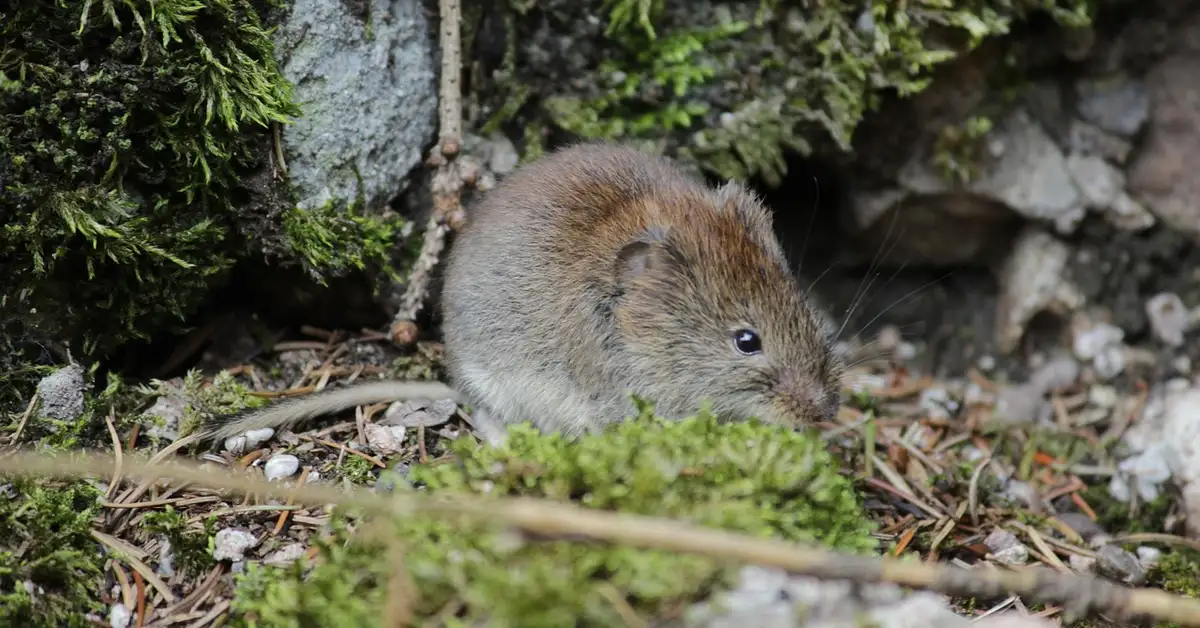
Mice are remarkably sensitive to their environmental conditions, and getting the temperature and humidity right is foundational to a thriving bioactive habitat. Providing a thermal gradient allows your mice to self-regulate their body temperature by moving between warmer and cooler areas, which is a core aspect of their natural behavior. I achieve this by placing the heat source, like a small, thermostat-controlled heat mat, at one end of the enclosure, leaving the opposite end at room temperature.
Humidity is a different beast, especially when you have a deep, moisture-retaining substrate. I’ve found that maintaining a humidity level between 40-60% is the sweet spot, preventing respiratory issues while keeping your cleanup crew active. A simple digital hygrometer is your best friend here. To increase humidity, I lightly mist the enclosure’s mossy areas with dechlorinated water. For excess humidity, improving ventilation is key.
Observing my own mice has been the best teacher. Watch where your mice choose to sleep; Kenny always naps in the warmest corner after a busy exploration session, while the more cautious Gregory prefers the cooler, more concealed areas. Their choices will tell you everything you need to know about the comfort of your setup.
Step-by-Step Bioactive Mouse Tank Assembly
Enclosure Size and Cage Design Considerations
The foundation of any successful bioactive setup is the enclosure itself. For a group of three mice, I would not recommend anything smaller than a 40-gallon breeder tank or an equivalently spacious bin cage for mice. The priority is ample floor space for burrowing and establishing those crucial thermal gradients. Height is beneficial for climbing structures, but width is non-negotiable. This ultimate DIY guide to bin cages for mice will walk you through converting a storage bin into a secure, bioactive home that meets those space and thermal needs. You’ll find step-by-step plans, materials lists, and layout tips to build a comfortable, safe habitat for your mice.
Ventilation is a critical design element that is often overlooked. A secure, well-ventilated lid made of fine wire mesh is absolutely essential to prevent escapes while allowing for proper air circulation. When using glass tanks or aquariums for mice, fit a screened or mesh top and avoid solid covers that can trap heat and humidity. Small adjustable vents or cross-ventilation will keep air moving without compromising security. I prefer tanks with front-opening doors for easier access, which reduces stress for my mice during maintenance. This design makes it much simpler to interact with Jeffrey, who startles easily with top-down approaches.
- Minimum floor space for a trio: 40-gallon breeder tank.
- Opt for width over excessive height for burrowing.
- Secure, fine-mesh lid for maximum ventilation and security.
- Front-opening enclosures minimize disturbance.
Establishing the Bioactive Cycle Before Adding Mice
Patience is the most important ingredient during this phase. You must allow your bioactive enclosure to fully cycle for a minimum of 3-4 weeks before introducing your mice. This gives the microfauna time to establish a robust population and for the plants to root firmly. Rushing this process is the most common mistake I see.
Here is my proven step-by-step process for getting the cycle started right:
- Create a drainage layer using LECA balls or hydroballs at the bottom of the tank.
- Add a substrate barrier, like a fiberglass screen, to separate the drainage layer from the soil.
- Introduce your bioactive substrate mix, aiming for a depth of at least 5-6 inches to encourage natural burrowing.
- Plant your mouse-safe flora, such as wheatgrass, clover, and spider plants.
- Introduce your cleanup crew-tropical springtails and dwarf white isopods are my go-to choices.
- Add a few pieces of cork bark or cholla wood for the crew to hide under and for your mice to eventually gnaw on.
- Mist the enclosure lightly to activate the cycle and leave it to mature.
During this cycling period, I “feed” the cleanup crew with a tiny piece of vegetable like carrot or zucchini buried under the substrate to help them establish. A healthy, established bioactive tank will have a pleasant, earthy smell and you should see springtails hopping on the surface when you mist.
Daily Care and Sanitation Protocols
Monitoring and Observation Techniques
Caring for a bioactive setup shifts your focus from constant cleaning to attentive observation. Your daily routine should involve a dedicated “watch period” where you quietly observe your mice’s behavior and the condition of the habitat. I do this every evening with a cup of tea, noting where everyone is sleeping, their activity levels, and any changes in the plants.
Keep a simple log to track your observations. I note things like which food items are eaten first, any new burrows being dug, and the overall appearance of each mouse’s fur and eyes. Wild mice in nature eat a mix of seeds, fruits, insects, and plant material, so I compare their choices to that natural diet to ensure they get balanced nutrition. This practice helped me identify that Jeffrey has a slight preference for strawberry crumbles over apple bits, allowing me to tailor their diet. Spot-cleaning visible waste and refreshing food and water remain daily tasks, but the deep cleaning associated with traditional cages is eliminated.
- Conduct a daily 10-15 minute quiet observation session.
- Keep a simple journal to track behavior and preferences.
- Spot-clean any obvious waste and refresh food/water daily.
- Check that the humidity and temperature levels remain stable.
Enrichment Rotation Strategies
Even the most beautifully crafted habitat can become stale without regular updates. I implement a weekly “enrichment shuffle” where I rearrange climbing structures, tunnels, and foraging toys to simulate a dynamic environment. This prevents boredom and encourages natural exploratory behaviors, which is especially good for bold mice like Kenny who constantly seek new challenges.
Think of enrichment in categories and rotate items from each category weekly. By rotating different types of enrichment-climbing, chewing, foraging, and nesting-you engage all of their natural instincts and keep their minds active. I never change everything at once, as this can be stressful; instead, I swap out two or three items to keep things fresh but familiar.
- Climbing: Rotate between rope bridges, grapevine wood, and ladders.
- Chewing: Offer different types of untreated wood, loofah, and seagrass toys.
- Foraging: Hide food in different puzzle toys, cardboard tubes, or scattered amongst the substrate.
- Nesting: Provide a rotation of safe nesting materials like paper strips, hay, and tissues.
Pathogen Control While Preserving Beneficial Microbiomes
Recognizing and Managing Common Issues
A healthy bioactive enclosure has a distinct, earthy smell, much like a forest floor after a light rain. A sour or ammonia-like odor is your first and most reliable clue that the beneficial microbiome is out of balance. This often means the clean-up crew cannot process waste fast enough.
Visually, look for these signs of trouble alongside your mice’s health.
- Persistent wet or slimy patches in the substrate
- A noticeable, rapid decline in your springtail or isopod population
- Mold that spreads aggressively instead of appearing in small, isolated spots
- Mice with recurring respiratory issues or irritated, red skin on their feet
When you spot an issue, your goal is to target the problem without nuking the entire ecosystem. I keep a small dedicated scoop for spot-cleaning wet patches and moldy food. For a localized mold bloom, I simply remove the affected material and add more springtails to that specific area. They are nature’s tiny cleanup crew and will quickly colonize the spot.
If the entire enclosure feels off, a partial substrate change is far better than a full tear-down. Remove the top third of the substrate, which holds most of the waste, and replace it with a fresh, pre-mixed batch. This preserves the established beneficial bacteria and fungi in the lower layers, allowing your ecosystem to recover much faster.
Optimizing for Natural Mouse Behaviors
Supporting Social Groupings in Bioactive Housing
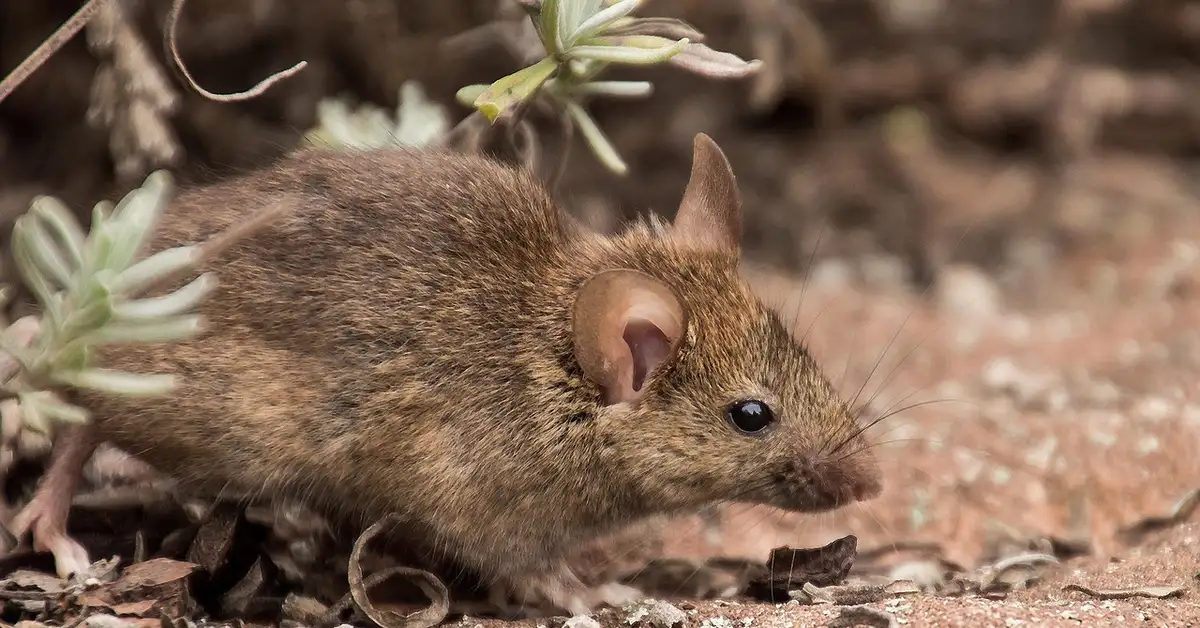
Mice are deeply social creatures, and their relationships flourish in a complex environment. A rich, naturalistic habitat provides the space and complexity needed for a harmonious group dynamic. It allows for peaceful retreats and reduces squabbles over prime resting spots. However, individuals vary: some mice prefer solitary housing or need temporary separation. This guide explains how to recognize social versus solitary tendencies and how to manage housing for the animals’ welfare.
I’ve watched my trio-Kenny, Gregory, and Jeffery-navigate their space. Gregory, the older, calmer mouse, often seeks out the darkest, most enclosed cork bark round. Jeffery, the anxious one, prefers a high hammock where he can observe everything. Kenny, the bold explorer, rarely sleeps in the same spot twice. Providing multiple hides and platforms at different heights caters to these individual personalities and prevents conflict.
To support a healthy social structure, ensure your setup includes these elements.
- Multiple nest boxes and hides made from different materials (cork, wood, ceramic)
- Vertical space with ropes, branches, and ledges to create distinct territories
- More than one food and water station to eliminate resource guarding
- Deep substrate for burrowing, allowing mice to create their own private tunnels
Foraging Opportunities and Food Presentation
Scatter feeding is the single best change you can make for your mice’s mental well-being. Dumping their daily ration of pellets and seeds into the substrate encourages hours of natural foraging behavior. This turns a two-minute meal into a full-day activity that stimulates their minds and bodies. Using food bowls designed for scatter feeding can further enhance this experience by making it easier to distribute their food.
I take this a step further by using their food to enrich different natural behaviors.
- I wedge small pieces of aged cheese into the crevices of a vertical climbing branch, encouraging Gregory to work for his favorite treat.
- Sunflower seeds are hidden inside sealed, paper-wrapped parcels that Kenny must shred open.
- Jeffery’s crumbled treats are sprinkled deep within the moss pit, rewarding his delicate digging.
You can also use natural items to present food. Hollowed-out walnut shells or pine cones stuffed with hay and food make for excellent, destructible puzzles. This not only provides nutrition but also satisfies their innate need to gnaw and explore. Watching them deconstruct these puzzles is a joy and a testament to their intelligence.
Advanced Naturalistic Housing Techniques
Moving beyond the basics involves creating a truly self-sustaining and engaging landscape. A false bottom or drainage layer is the secret to maintaining perfect substrate moisture for years. This layer of clay balls or lava rock at the base of the enclosure prevents the bioactive substrate from becoming a sodden mess, wicking away excess water and providing a reservoir for plant roots.
Plant selection is critical for a setup that lasts. You need hardy plants that can withstand curious nibbling and relentless digging.
- Spider Plants: Fast-growing and non-toxic, they can handle a bit of mouse attention.
- Bamboo: Provides fantastic vertical structure for climbing.
- Irish Moss: Creates a soft, ground-cover carpet that holds up to light traffic.
- Herbs like Mint and Oregano: These are aromatic and generally less palatable to mice, so they often remain untouched.
Finally, consider creating a gradient of environments within the single enclosure. By piling substrate deeply on one side and keeping it shallow and rocky on the other, you create distinct microclimates. Your mice will use the deep side for complex burrows and the shallow, rocky side as a digging pit and a place to cache food. This level of environmental choice is the pinnacle of naturalistic mouse care.
Frequently Asked Questions
What is a bioactive mouse setup?
A bioactive mouse setup is a specialized type of enclosure that functions as a miniature, self-sustaining ecosystem. It incorporates live plants, beneficial microorganisms, and clean-up crews like isopods and springtails to naturally break down waste, reducing the need for frequent cleanings while providing a stimulating environment.
This setup goes beyond a standard cage by mimicking a mouse’s natural habitat, encouraging behaviors such as digging, foraging, and nesting. It requires careful balancing of elements like substrate depth and humidity to maintain a healthy cycle that supports both the mice and the living components.
How do I set up a mice cage?
Start by selecting an enclosure with sufficient floor space-aim for at least 10 gallons per mouse-and ensure it has a secure, well-ventilated lid to prevent escapes. Include a solid base to support deep bedding, as mice love to burrow and need materials like aspen shavings or paper-based substrate for nesting and comfort.
Add multiple hiding spots, such as small houses or tunnels, and include enrichment items like wheels, climbing structures, and chew toys to promote physical activity and mental stimulation. Regularly refresh food and water, and spot-clean soiled areas to maintain hygiene and prevent odors.
What is a bioactive mouse tank?
A bioactive mouse tank refers to using an aquarium-style enclosure, typically made of glass or acrylic, to create a controlled environment for a bioactive habitat. These tanks are excellent for maintaining stable humidity levels and providing a clear view of your mice’s natural behaviors, but they require a mesh lid for proper airflow.
When set up bioactively, the tank includes a drainage layer, deep substrate, live plants, and microfauna to establish a self-cleaning system. This design supports burrowing and plant growth while minimizing manual maintenance, making it a popular choice for enthusiasts seeking a realistic and engaging habitat.
Your Path Forward
Building a bioactive habitat is a profound step toward honoring your mouse’s natural instincts and well-being. This setup transforms their home from a simple container into a dynamic, living world that cleans itself and provides endless enrichment. You are not just maintaining a pet; you are stewarding a miniature, thriving ecosystem. By recreating elements of the house mouse (Mus musculus) natural habitat—shelter, nesting material, and foraging substrates—you encourage species-typical behaviors like burrowing, nesting, gnawing, and social foraging. Thoughtful plant and substrate choices also support healthy dietary options and natural foraging behavior.
The initial effort to establish this environment pays dividends in reduced long-term maintenance and the pure joy of watching your mice truly flourish. Seeing them dig, forage, and interact with a living landscape is an incredibly rewarding experience that deepens the bond you share. Embrace the process, learn from your tiny ecosystem, and enjoy the vibrant life you help create. Mice also serve important ecological roles, best choice: “serve important ecological roles” as prey for predators and as seed dispersers, helping shape plant communities. Observing these behaviors in your setup can deepen your appreciation of their role in broader ecosystems.
Further Reading & Sources
- r/PetMice on Reddit: Bioactive enclosure for mice?
- Building a Naturalistic Harvest Mouse enclosure
- Bioactive mouse enclosure by Shelley Taylor.
Isabella is a passionate small pet enthusiast with over 8 years of experience in caring for mice. She loves sharing practical tips and heartfelt stories to help fellow mouse owners provide the best care for their tiny companions.
Enrichment Ideas