
Blood Tests for Small Mammals: A Clear Guide to Pet Health
Have you ever looked at your small pet and felt a pang of worry, wondering if a simple test could reveal what’s truly going on with their health? As someone who has navigated many vet visits with my own mice, I understand that concern intimately, and this guide is designed to turn that uncertainty into clarity.
We will walk through the entire process together, covering what common blood values actually mean for your pet, how to make veterinary diagnostics less stressful for everyone involved, and the specific steps you can take to be a proactive partner in your small mammal’s healthcare.
Why Your Mouse Might Need Blood Work
As a mouse owner, you become finely attuned to their subtle shifts in behavior. I’ve learned that what seems like a small change-a slight decrease in playfulness or a subtle weight shift-can be the first whisper of a health issue needing a deeper look.
Veterinarians typically recommend diagnostic blood tests in several common scenarios.
- Pre-Surgery Screening: Before any anesthetic procedure, blood work checks organ function to ensure your mouse is a safe candidate.
- Unexplained Weight Loss: Even with a hearty appetite, a mouse losing weight might have an underlying metabolic or chronic condition.
- Persistent Lethargy: A mouse that stops exploring its cage or interacting with cagemates for more than a day warrants investigation.
- Respiratory Issues: Sneezing, wheezing, or labored breathing can point to infections that a CBC can help confirm.
- Lumps or Tumors: Blood tests help determine if a growth is inflammatory or related to something more systemic.
- Older Mouse Health Monitoring: For senior mice like my Gregory, routine checks can spot age-related organ changes early.
Your vet will guide you on when to proceed with diagnostics versus a period of watchful observation at home. Trust your instincts—you know your mouse’s normal better than anyone. Performing a brief weekly home health check will help you spot subtle changes early; note weight, coat condition, activity and eating/drinking. Contact your vet promptly if anything seems off.
What a Complete Blood Count Reveals About Your Mouse
A Complete Blood Count, or CBC, is like a detailed census of your mouse’s blood. This single test provides a wealth of information about their overall health by measuring three key components: red blood cells, white blood cells, and platelets.
Interpreting the results requires specific knowledge. Normal reference intervals for mice are vastly different from those for cats, dogs, or even humans, which is why an exotic pet veterinarian is essential.
- Anemia: A low red blood cell count, suggesting potential blood loss, nutritional deficiency, or chronic disease.
- Leukocytosis: An elevated white blood cell count, often a sign of infection, inflammation, or stress.
- Neutrophilia: A high number of neutrophils, a type of white cell that typically increases with bacterial infections.
- Lymphocytosis: An increase in lymphocytes, which can occur with chronic infections or certain types of cancers.
- Thrombocytopenia: A low platelet count, which can impair blood clotting and lead to bruising or bleeding.
Reading Your Mouse’s Red Blood Cell Results
Think of red blood cells as tiny delivery trucks carrying oxygen throughout your mouse’s body. The hematocrit tells you the percentage of your mouse’s blood that is made up of these red cells, giving a clear picture of their oxygen-carrying capacity.
Hemoglobin is the protein inside those cells that actually binds to the oxygen. A low red blood cell count, low hematocrit, or low hemoglobin all point to anemia, which can leave your mouse weak and tired.
This can stem from various causes.
- Blood loss from an injury or internal parasite.
- Chronic disease suppressing red cell production.
- Nutritional deficiencies, particularly of iron or certain B vitamins.
Conversely, a high red blood cell count is less common but can indicate dehydration or a rare condition where the body produces too many cells.
Understanding White Blood Cell Counts in Mice
White blood cells are your mouse’s dedicated defense force. An elevated total white cell count generally signals that the body is actively fighting something, such as an infection, dealing with inflammation, or responding to significant stress.
The CBC breaks down this army into different types of soldiers.
- Neutrophils: Rapid responders to bacterial invaders.
- Lymphocytes: Key players in viral infections and long-term immunity.
Mice are masters at hiding weakness, a survival instinct that means they often don’t show obvious signs of sickness until an issue is quite advanced. This innate behavior makes white blood cell counts an incredibly valuable tool. A spike in these cells can alert your vet to a problem brewing beneath the surface long before your mouse stops eating or playing, giving you a critical head start on treatment. Stress in mice often triggers immune changes, commonly reflected as elevated white blood cell counts, which can signal stress-related illness. Monitoring these counts helps catch stress-induced problems early so interventions can be started sooner.
What Blood Chemistry Panels Show About Organ Function

A blood chemistry panel is like a detailed health report card for your mouse’s internal organs. It measures substances like glucose, electrolytes, and specific enzymes that give a clear picture of how the kidneys, liver, and other systems are performing. This single test provides a wealth of information that helps pinpoint issues long before physical symptoms might appear.
Testing is done on the liquid portion of blood, which is either serum (the clear fluid after a clot forms) or plasma (the liquid that contains clotting factors). For our tiny companions, plasma is often used as it allows for a faster processing time with their small sample volume. Think of serum and plasma as the super-concentrated information carriers of the blood, holding all the biochemical clues.
Kidney Function Tests for Mice
The kidneys are vital filtration units, and two key markers tell us how well they’re working: Blood Urea Nitrogen (BUN) and creatinine. These are waste products that healthy kidneys efficiently remove from the blood.
- BUN (Blood Urea Nitrogen): A byproduct of protein breakdown.
- Creatinine: A waste product from normal muscle activity.
Elevated levels of either substance suggest the kidneys are struggling to filter the blood. Since kidney disease is unfortunately common in older mice, like my gentle Gregory, tracking these values is a cornerstone of senior mouse care. Early detection through these tests allows you to manage the condition with supportive care, such as adjusting diet and ensuring perfect hydration, which can significantly improve their quality of life.
Liver Health and Enzyme Levels
The liver is a metabolic powerhouse, and when its cells are damaged or stressed, they release enzymes into the bloodstream. Veterinarians look closely at levels of ALT (Alanine Aminotransferase) and AST (Aspartate Aminotransferase).
- Elevated ALT is a strong indicator of liver cell damage.
- High AST can point to liver issues, but also sometimes heart or muscle concerns.
Spikes in these enzymes can suggest various problems, from infections and toxins to liver tumors. A healthy liver is absolutely critical for a small mammal, as it processes nutrients, stores energy, and detoxifies the body-keeping this organ in check is non-negotiable for their wellbeing.
Blood Sugar and Electrolyte Balance
Glucose is the primary fuel for your mouse’s body. Abnormal levels are a major red flag; consistently high glucose can indicate diabetes, while low levels might signal other metabolic issues or starvation. Monitoring blood sugar gives you direct insight into your mouse’s metabolic engine and how effectively they are using their food for energy.
Electrolytes like sodium, potassium, and chloride are minerals that regulate nerve function and hydration. An imbalance often points directly to dehydration, kidney trouble, or digestive problems. I always watch my mice’s water consumption closely, as their diet and hydration status are intimately linked to these crucial blood values.
How Veterinarians Collect Blood Samples from Mice
The process of drawing blood from a mouse, called venipuncture, requires a steady hand and specialized skill. Your vet will use a tiny needle to access a small vein. A skilled exotic vet can perform this procedure quickly and with minimal stress, making it a routine part of diagnostic care.
Common collection sites include the tail vein or the saphenous vein on the hind leg. In some cases, under full anesthesia, a vet might perform a cardiac puncture to obtain a larger, cleaner sample. The biggest challenge is the minuscule volume of blood that can be safely taken from such a small creature. Every single drop is precious, so proper handling is paramount to prevent the cells from breaking open, or hemolyzing, which can ruin the sample and skew the results.
What Happens to Your Mouse’s Blood Sample
Once collected, the blood sample is carefully placed into a small vial, often with a special preservative. It’s then processed by a lab machine that spins it at high speed to separate the cells from the plasma or serum. This liquid is what gets analyzed.
Proper handling from collection to analysis is the single most important factor in getting accurate results. A hemolyzed sample can falsely elevate levels of potassium and certain enzymes, leading to a misdiagnosis. For most standard tests, you can expect results within a day or two, giving you and your vet a fast track to understanding your pet’s health.
What Urinalysis Can Tell You Beyond Blood Tests
While blood work looks at the body’s internal state, urinalysis provides a window into the waste products being removed. Vets often recommend it alongside blood tests to get a complete picture. Urine testing can detect problems like bladder infections, diabetes, and kidney issues that might only show subtle changes in blood work.
Specifically, a urinalysis can reveal:
- Glucose, suggesting diabetes.
- Blood or protein, indicating infection or kidney damage.
- Crystals, which can form bladder stones.
The main challenge is collection. It’s nearly impossible to get a clean sample from a mouse the way you would from a cat or dog. Vets often use gentle manual expression or obtain a sample via cystocentesis (directly from the bladder with a needle) while the mouse is under a light sedative. Despite the collection hurdles, the data from a urinalysis is invaluable, offering clues about health that blood tests alone can miss.
Common Health Issues Detected Through Diagnostics
List and briefly explain conditions that blood tests commonly reveal in mice: tumors (especially mammary), respiratory infections, kidney disease, liver problems, blood disorders, parasites. Connect test results to symptoms owners notice.
When your mouse seems off, blood diagnostics can uncover underlying problems that aren’t always visible. Blood tests provide a window into internal health, linking subtle changes in behavior to specific medical conditions. Because pain produces measurable changes in the body, blood tests can help tell if your mouse is in pain by revealing inflammation, infection, or stress-related markers. Together with behavioral signs and a physical exam, these results help determine whether pain management is needed. Here are common issues detected through these tests:
- Tumors: Mammary tumors are frequent in female mice; blood work may show altered protein levels or calcium, which you might notice as lumps or weight loss.
- Respiratory infections: Elevated white blood cells can signal infections like mycoplasma, often accompanied by sneezing or labored breathing.
- Kidney disease: Changes in creatinine or urea levels might indicate kidney trouble, which can cause increased thirst or lethargy.
- Liver problems: High liver enzyme levels often point to issues like fatty liver disease, sometimes seen with a dull coat or reduced appetite.
- Blood disorders: Anemia or clotting issues show up as abnormal red cell counts, potentially linked to pale gums or weakness.
- Parasites: While not always direct, blood tests can reveal eosinophils for parasitic responses, correlating with itching or hair loss.
I’ve seen how a quick blood panel can explain why a mouse like Jeffery might seem jumpy or less active. Connecting these lab findings to everyday symptoms helps you act early and support your pet’s well-being.
Detecting Tumors and Cancer Through Blood Work
Explain how abnormal cell counts or organ markers can indicate cancer. Note limitations-blood tests don’t diagnose tumors directly but show effects.
Blood tests don’t spot tumors outright, but they reveal how cancer affects the body. Abnormal cell counts, like elevated white blood cells or calcium levels, can hint at underlying tumors by showing inflammation or organ stress. For instance, mammary tumors might alter protein profiles, which could explain why a mouse loses weight despite eating. In my experience, Kenny’s bold nature once masked early signs, but blood work highlighted shifts that warranted further checks. Remember, these tests show indirect effects, so imaging or biopsies are often needed for a definitive cancer diagnosis.
Identifying Infections and Inflammatory Conditions
Cover how elevated white cells, specific markers indicate infections. Mention common mouse infections detectable this way.
Infections trigger clear signals in blood tests, helping pinpoint what’s ailing your mouse. Elevated white blood cells, especially neutrophils for bacterial issues or lymphocytes for viral ones, often indicate an active infection. Common mouse ailments like respiratory infections from mycoplasma or urinary tract issues show up this way, matching symptoms like wheezing or discomfort. I’ve noticed that Gregory, with his calm demeanor, still had blood results revealing mild inflammation from a hidden infection. Specific markers like C-reactive protein can further confirm inflammatory conditions, guiding targeted treatments for a quicker recovery.
Preparing Your Mouse for Blood Testing
Practical guidance: fasting requirements (usually none for mice), reducing stress before vet visit, safe transport, what to bring. Explain that preparation is minimal but keeping mouse calm helps.
Getting your mouse ready for a blood test is straightforward, with focus on comfort over complexity. Unlike larger pets, mice typically don’t need fasting, as their small size makes hypoglycemia a risk. Instead, prioritize stress reduction to ensure accurate results. These preparations are part of a preventative mouse health guide that includes routine check-ups, parasite control, and good husbandry. Together they help catch issues early and support your mouse’s long-term health. Here’s a simple guide:
- Keep their environment quiet and familiar before the visit to minimize anxiety.
- Use a secure, well-ventilated carrier with soft bedding for safe transport.
- Bring their medical history, any current medications, and a favorite treat for reassurance.
From my own routine, I find that a calm approach, like talking softly to Jeffrey during trips, makes a big difference. Minimal preparation centered on tranquility helps your mouse handle the experience with less fear. If your mouse seems anxious or scared, gentle handling and familiar scents can help soothe it. Small, consistent steps build trust and reduce future anxiety.
Understanding Your Mouse’s Test Results
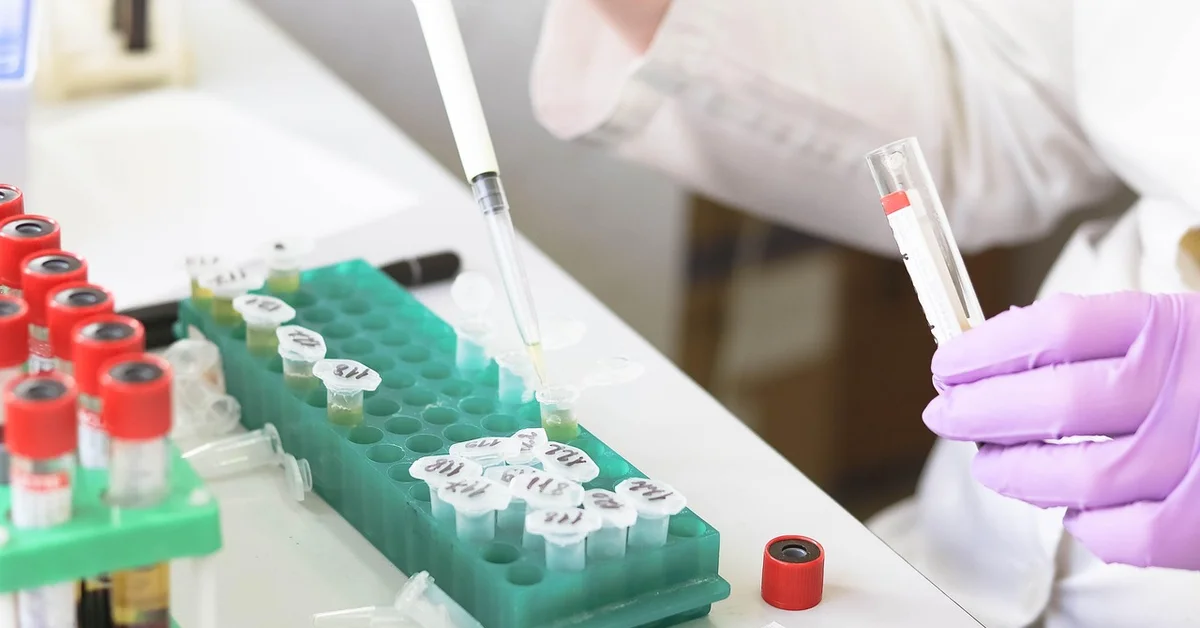
Guide to reading lab reports: what reference intervals mean, why mouse values differ from cats/dogs, when results are concerning vs. borderline. Emphasize working with exotic vet to interpret. Include reassurance that abnormal results don’t always mean crisis.
Reading your mouse’s lab report can feel overwhelming, but it’s a tool for better care, not a cause for panic. Reference intervals show the normal range for healthy mice, and values outside this might signal issues, but they don’t always mean an emergency. Mice have unique metabolisms and sizes, so their results differ greatly from cats or dogs-what’s normal for a mouse could be abnormal for another species. Borderline results might just need monitoring, while significant deviations often require follow-up. I always rely on my exotic vet to interpret these details, as they understand mouse-specific nuances. Abnormal results can stem from temporary stress or minor imbalances, so view them as clues rather than conclusions.
What Reference Intervals Mean for Mice
Explain that normal ranges are species-specific, age and sex can affect values, individual variation exists. Note that experienced exotic vets understand mouse-specific ranges.
Reference intervals are tailored to mice, reflecting their distinct biology and life stages. Normal ranges vary by species, and factors like age or sex can shift values-for example, older mice like Gregory might have different kidney markers than youngsters. Individual variation means one mouse’s baseline could differ from another’s, which is why consistent check-ups build a helpful history. Experienced exotic vets use mouse-specific data to spot true concerns, avoiding misjudgments based on other animals’ norms. Understanding these intervals helps you see the full picture, ensuring your mouse’s health is assessed with precision and care.
Where to Get Blood Work Done for Your Mouse
Finding the right professional for this procedure is your first and most critical step. You cannot simply visit any veterinarian; you need a clinic that specializes in exotic pets and has demonstrable experience with small mammals like mice. A general cat-and-dog vet, while well-intentioned, often lacks the specialized equipment and knowledge to safely handle such a tiny patient and interpret the nuanced results. If you need to find an exotics vet for a mouse, search local directories, exotic-pet forums, or ask other owners for recommendations. Prioritize clinics that explicitly list rodent services and can describe their experience with mice.
These exotic veterinarians have established relationships with specialized veterinary diagnostic laboratories. General human labs like LabCorp or Quest Diagnostics are not equipped to process samples from mice, as their reference ranges and testing protocols are designed for human biology. Your vet will coordinate the entire process, from the delicate blood draw to shipping the sample to a lab that understands rodent physiology. At your mouse’s first vet visit, expect the veterinarian to discuss whether diagnostic tests are needed and to explain the blood-draw process. They will review any risks and how the results will guide your mouse’s care.
Availability of these services can be surprisingly variable depending on your location. While major metropolitan areas often have multiple options, more rural regions may require significant travel. For instance, finding an exotic vet with full lab capabilities in a state like Maryland might be straightforward near Baltimore, but could prove challenging on the Eastern Shore. It is always wise to identify a qualified exotic vet before an emergency arises.
What Blood Tests Cost and How Often to Test
Let’s talk about the financial and practical considerations of testing. The cost is not insignificant, as it encompasses the veterinary exam fee, the technical skill required for the blood draw, and the laboratory’s analysis. You can expect a basic panel to fall into a moderate price range, while more comprehensive profiles, especially those requiring specialized tests, will naturally be at the higher end of the spectrum.
- A basic wellness or pre-surgical panel
- A comprehensive diagnostic panel for a sick mouse
- Specific tests targeting liver or kidney function
Frequency of testing is not a one-size-fits-all schedule. For a healthy, young mouse like my energetic Kenny, routine preventive blood work is not typically necessary unless you are monitoring for a specific, known issue. Their systems are robust, and the stress of the procedure may outweigh the benefits of a “baseline” in an otherwise thriving animal. In research facilities where mice live in highly controlled environments, monitoring schedules are set by study protocols and institutional guidelines. That means testing may be more frequent or specifically targeted than for a pet mouse like Kenny.
The calculus changes dramatically for older mice or those showing symptoms. For a senior mouse like my calm Gregory, or any mouse displaying signs of illness-lethargy, weight loss, changes in appetite-diagnostic blood testing becomes an invaluable tool. It can pinpoint the problem, whether it’s early kidney decline, an infection, or a metabolic issue, allowing for targeted treatment that can significantly improve both quality and length of life.
Frequently Asked Questions
Does LabCorp provide small mammal work?
No, LabCorp does not provide diagnostic services for small mammals like mice. LabCorp and other similar general human laboratories are not equipped to process samples from mice, as their testing protocols and reference ranges are designed exclusively for human biology. For accurate results, you must go through an exotic pet veterinarian who will send the sample to a specialized veterinary diagnostic laboratory that understands rodent physiology.
Is there a small mammal work kit?
There is not a single, universal “small mammal work kit” available for pet owners to use at home. The process of collecting and analyzing blood from a mouse requires specialized, tiny equipment and significant expertise to be done safely and correctly. Your exotic veterinarian will have the appropriate professional tools, such as micro-collection tubes and tiny needles, to perform the procedure and ensure the sample is viable for testing.
Is small mammal work available in Maryland?
Yes, small mammal diagnostic work is available in Maryland, but its accessibility depends on your specific location within the state. Major metropolitan areas, such as those near Baltimore, typically have multiple exotic veterinary clinics with the necessary capabilities. However, in more rural regions like the Eastern Shore, finding these specialized services may require some travel, so it is wise to identify a qualified exotic veterinarian in advance.
Final Thoughts
Ultimately, blood tests are a powerful tool that transforms guesswork into clear, actionable health insights for your tiny friend. While the process can feel daunting, the information gained provides a priceless window into their well-being, allowing you and your veterinarian to be proactive guardians of their health.
Your attentive daily observations, combined with professional diagnostics, create the most complete picture of your mouse’s health. Trust your instincts, partner with a knowledgeable vet, and know that every step you take is a profound act of care for your small companion. If you want to learn how to better spot signs of illness, check out our guide on how to check mouse health at home.
Further Reading & Sources
- Hematology and Biochemistry of Small Mammals – PMC
- Blood sample collection in small laboratory animals – PMC
- Interpreting blood profiles in non-domestic small mammals
Isabella is a passionate small pet enthusiast with over 8 years of experience in caring for mice. She loves sharing practical tips and heartfelt stories to help fellow mouse owners provide the best care for their tiny companions.
Vet Visits