
How to Build a Miniature Photo Studio for Your Mice
Have you ever tried to snap a picture of your mouse only to get a blurry streak because they moved too fast? I’ve faced this with my own energetic mice, and I know how frustrating it can be when you just want to capture their adorable moments.
This guide will walk you through creating a safe, simple photo set that makes photographing your pets easy and fun. You will learn how to use everyday items for props, set up soft lighting that avoids startling your mice, and position your camera for clear, charming shots every time.
Essential Materials and Tools for Your Mouse Photo Studio
Assembling your own miniature photography set is far simpler than you might imagine. You can create a stunning, professional-looking setup using items you likely already have around your home. The key is to focus on safety first, then build out from there with a few specialized pieces that make a world of difference.
Safe Building Materials for Small Animal Props
Your mouse’s well-being is the absolute top priority when selecting any material they might touch or, let’s be honest, decide to nibble on. I’ve learned through trial and error which materials hold up and which are an immediate snack. Knowing what mice typically chew helps me pick safe, durable options. Common chew targets include soft woods, cardboard, fabric, and some plastics.
- Untreated Wood: Small craft wood pieces, like popsicle sticks and balsa wood, are fantastic for building tiny furniture. They are safe if chewed and provide a natural, rustic look.
- Cardboard and Paper: Perfect for creating quick backdrops, tunnels, and platforms. Always ensure any cardboard is plain, with no glossy coatings, inks, or adhesives that could be harmful.
- Ceramic and Terracotta: Miniature clay pots or ceramic tiles make excellent, chew-proof platforms and textural elements. They also stay cool, which my mouse Jeffery appreciates during longer sessions.
- Fabric and Felt: Use these for backdrops and tiny blankets. Choose natural fibers like cotton or wool felt, as synthetic threads can be dangerous if ingested.
- Food-Safe Silicone: A small dot of this can securely hold lightweight props in place without any toxic risk.
Lighting Equipment for Tiny Subjects
Proper lighting is what transforms a blurry snapshot into a magical portrait. Mice are small and fast, so you need light that is both gentle and effective. When photographing pet mice, use soft, diffused light close enough to freeze motion without startling them. A small LED panel or natural window light with a diffuser often gives the best results.
- Natural Light is Your Best Friend: Position your set near a large north or south-facing window. The soft, diffused light from a window creates beautiful, natural shadows without being harsh on your mouse’s sensitive eyes.
- LED Ring Lights: A small, dimmable LED ring light is a game-changer. It mounts right around your camera lens to provide even, shadow-free illumination. Always start on the lowest setting.
- White Foam Board or Poster Board: This is your secret weapon for “bouncing” light. Place a piece opposite your main light source to fill in dark shadows and make your mouse’s fur look soft and detailed.
- Desk Lamps with Cloth Diffusers: If you use a regular lamp, never point it directly at your mouse. Drape a thin white t-shirt or parchment paper over the shade to soften the light and prevent overheating the area.
Camera and Lens Basics for Macro Photography
You do not need a fancy, expensive camera to take incredible mouse photos. The best camera is the one you have with you, and understanding how to use it matters far more than the price tag.
- Smartphone Cameras: Modern smartphones are remarkably capable. Use the portrait mode to automatically blur the background, making your mouse the clear focal point. Tap directly on your mouse’s body on the screen to set the focus.
- DSLR or Mirrorless Cameras: If you have one, a “nifty fifty” (50mm lens) or a dedicated macro lens will produce stunning detail. I often use a high shutter speed (1/250s or faster) to freeze my mouse Kenny’s impulsive, darting movements.
- The Magic of Manual Mode: Learn to control three settings: Aperture (a low f/ number like f/2.8 for a blurry background), Shutter Speed (fast to prevent motion blur), and ISO (keep it as low as possible to avoid grainy photos).
- Stability is Key: A small tripod, or even propping your camera on a stable stack of books, eliminates shaky hands and allows for sharper images, especially in lower light.
Step-by-Step: Building Your DIY Miniature Set
Constructing the Base Platform and Staging Area
Your foundation is the most critical part of the entire setup, determining stability and safety for your tiny models. I always use a simple sheet of foam core board for my base, as it’s lightweight, easy to cut, and provides a smooth, neutral surface. You can find it at any craft store. A 16×20 inch sheet offers plenty of room for a scene without being overwhelming to manage. Secure the edges with strong tape to prevent any warping over time, creating a perfectly flat stage for your mice to explore.
Consider the texture of your stage floor, as this adds immense realism and sensory interest for your pet. Adhering different materials to sections of your base can create distinct zones, like a ‘wooden floor’ from craft sticks or a ‘lawn’ from a sheet of green felt. My mouse Jeffery adores the slight nap of felt under his feet, often stopping to investigate it with his whiskers twitching. Just ensure any glue is fully dried and non-toxic before introducing your curious friends to their new set.
Creating Backdrops and Changeable Scenery
Backdrops instantly establish a mood and make your photos look professionally composed. The simplest solution is to use scrapbook paper with subtle patterns, which you can easily prop up and swap out in seconds. I have a collection of papers with cloudy skies, brick patterns, and simple colors that I rotate based on the story I want to tell. This approach is incredibly affordable and lets you refresh your set’s look without starting from scratch every time.
For a more immersive, three-dimensional feel, build shallow depth backdrops. You can craft a miniature city skyline from black construction paper or a forest from faux foliage hot-glued to a cardboard strip. The key is to keep these elements lightweight and secure so they don’t topple over during an enthusiastic investigation. My adventurous mouse, Kenny, once tried to scale a cardboard mountain I’d made, providing a hilarious and utterly spontaneous photo opportunity.
Adding Miniature Furniture and Scale Props
This is where the magic happens, transforming a simple stage into a believable miniature world. Look for dollhouse furniture at thrift stores or in online marketplaces, focusing on 1:12 scale items which are a surprisingly good fit for a mouse’s proportions. A tiny wooden chair becomes a throne, and a small basket turns into a bed. Always inspect each piece for sharp edges, loose parts, or toxic paint that your mouse could gnaw on.
Don’t overlook the power of DIY props made from everyday household items. A bottle cap becomes a perfect pond, a matchbox transforms into a cozy bed, and a wine cork can be carved into a rustic stool. I’ve found that my mice are often more intrigued by these homemade items, perhaps because of the familiar smells and textures. Gregory, my oldest mouse, has a particular fondness for a tiny rug I braided from yarn scraps, often settling there for a nap after a photoshoot.
Setting Up Lighting for Small Animal Photography
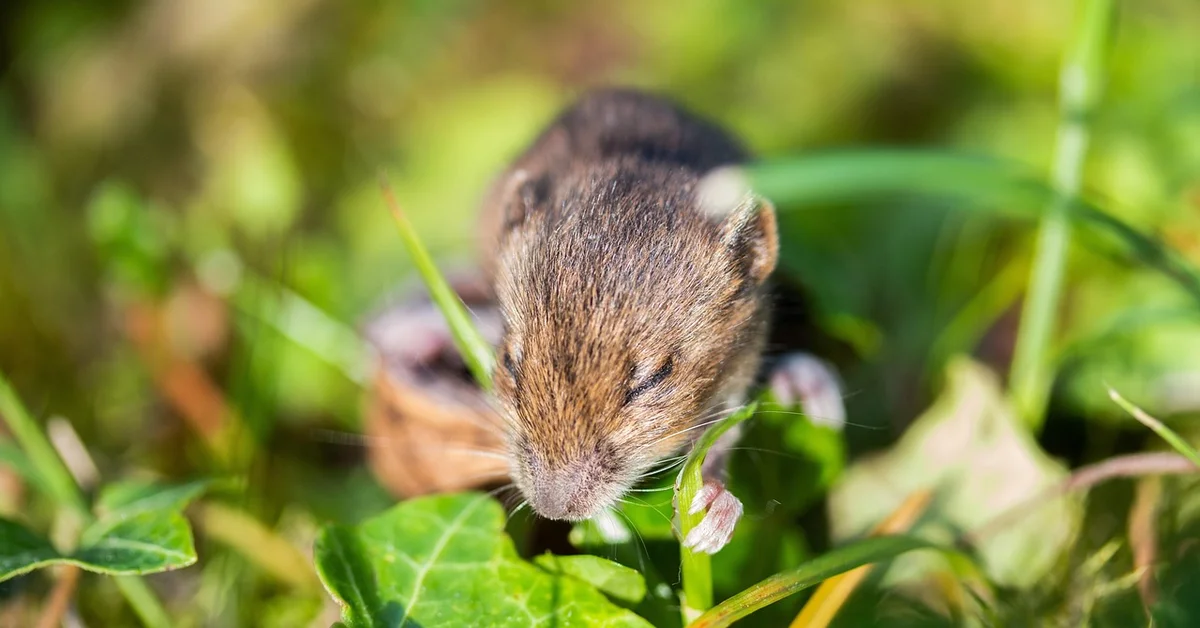
Harsh, direct light will startle your mice and create unflattering, sharp shadows in your photos. Soft, diffused lighting is your best friend, mimicking the gentle light of a cloudy day and making your mouse’s fur look beautifully detailed. I achieve this by pointing a simple desk lamp toward a white poster board, letting the light bounce onto the set, or by taping a piece of parchment paper over the lamp’s shade to soften its output. This creates a glow that is safe for your pet’s sensitive eyes. For more tips on lighting for small animals, check out this guide.
Positioning your lights correctly will define the shape and personality of your subject. Place your main light source slightly to the side and above the set to create gentle dimension, avoiding the flat look of direct front-lighting. If you can, use a second, less powerful light or a reflective white surface on the opposite side to fill in the darkest shadows. This setup ensures your mouse is the clear, well-lit star of the scene without any stressful glare.
Camera Settings and Techniques for Macro Mouse Photography
Working with Shallow Depth of Field
This technique allows you to artistically blur the background, making your mouse pop as the sharp focal point. To achieve a beautifully shallow depth of field, set your camera to Aperture Priority mode (often marked as ‘A’ or ‘Av’) and select the lowest f-number your lens allows, such as f/2.8 or f/4. This wide aperture opening tells your camera to focus on a very narrow slice of the scene, which is perfect for emphasizing a single, tiny subject like a mouse’s face or paws.
The challenge is that with such a thin plane of focus, you must be incredibly precise. When your depth of field is razor-thin, focus manually on your mouse’s eyes, as sharp eyes create a powerful connection in any animal portrait. I often take a burst of several photos with tiny adjustments to the focus ring between each one, ensuring I capture at least one perfect shot where the critical features are crystal clear.
Capturing Movement and Personality
Mice are dynamic creatures, and their most charming moments are often in motion. Switch your camera to Shutter Priority mode (‘S’ or ‘Tv’) and use a fast shutter speed of at least 1/250th of a second to freeze those quick, playful movements without any blur. This is essential for capturing a mouse mid-hop, washing its face, or when my energetic mouse Kenny decides to make a surprise dash across the set. Boosting your ISO can help you maintain this fast shutter speed in softer, indoor light.
The ultimate goal is to capture the unique spirit of your individual pet. Instead of just taking pictures, be a patient observer with your finger ready on the shutter button, waiting for those authentic moments of curiosity, interaction, or rest. Offer a tiny, photogenic treat like a crumb to encourage natural posing. Some of my favorite photos of Jeffrey are when he’s tentatively holding a berry, his cheerful and anxious personality shining through in a single, quiet frame.
Keeping Your Mice Safe and Comfortable During Photo Sessions
Creating beautiful photos should never come at the cost of your mouse’s well-being. Your primary role is that of a guardian, ensuring the environment is as stress-free as it is photogenic. I always check the set for hazards before any of my boys—Kenny, Gregory, or Jeffery— even get a sniff of it. I also prepare them as I would for a show, with gentle taming to build trust. For more tips on how to prepare your mouse for show grooming and taming, check out the best choice: “show with gentle taming”. Regular grooming keeps their coats camera-ready and helps reduce stress during shoots.
Essential Safety Checks
- Temperature Control: Mice are sensitive to drafts and temperature changes. Keep the room warm and avoid placing the set near open windows or air vents.
- Non-Toxic Everything: Every prop, backdrop, and surface must be pet-safe. Avoid painted woods, certain glues, and any plants you cannot 100% identify as safe.
- Secure Set Construction: Ensure all elements are stable and cannot topple over. A wobbly archway might look cute but is a falling hazard.
- Escape-Proof Zone: Always set up your photo studio in a fully enclosed, escape-proof area, like a playpen or a bathtub (with the drain plugged!).
Fostering a Calm Atmosphere
Mice perceive the world very differently than we do. A calm, predictable routine tells your mouse that photo time is fun time, not scary time. I’ve found my mouse Jeffery, who is naturally quite anxious, responds best to a quiet room with soft, indirect lighting. If your mouse shows fear or anxiety, try slow, gentle handling and a consistent routine to help a scared pet feel more secure.
- Work during their active hours, typically in the evening.
- Keep noise to a minimum-avoid loud music or sudden voices.
- Limit session length to just a few minutes at a time.
- Have a familiar hideout on set where they can retreat if they feel overwhelmed.
Handling with Care
The goal is to guide, not to grab. Let your mouse choose to explore the set rather than being placed directly into a scene. Use the “three-second rule”: if you need to move them, do so gently and for no more than three seconds of handling at a time. My older mouse, Gregory, much prefers to amble into position at his own deliberate pace.
Posing Mice and Encouraging Natural Behavior
The most captivating mouse photos are the ones where they are simply being themselves. Your job isn’t to pose a mouse like a doll, but to create scenarios that inspire their natural curiosity. Forced poses look stiff and can stress your pet.
Using Treats as Lures, Not Bribes
Strategic treat placement is your most powerful tool. A high-value treat, like a tiny piece of a sunflower seed for Kenny, can encourage a mouse to investigate a specific prop or look in a certain direction. Place the treat just out of frame to capture them sniffing the air or reaching for it.
- Use tiny, crumb-sized treats to avoid them getting full too quickly.
- Vary the treats to maintain their interest-a bit of aged cheese for Gregory, a crumb of a berry for Jeffery.
- Never force a mouse to stay for a treat; if they lose interest, the session is over.
Setting the Scene for Action
Think like a movie director setting the stage. Design your sets with pathways, tunnels, and little platforms that invite exploration and climbing. A mouse will naturally pause at the entrance of a tunnel or stand on its hind legs to survey a new platform, creating perfect, dynamic photo opportunities.
- Incorporate textures like sanded wood, smooth stone, or soft fleece to encourage interaction.
- Use props that can be manipulated, like a lightweight cardboard tube they can push.
- Introduce one or two new elements at a time to pique curiosity without causing alarm.
Capturing Candid Moments
Sometimes the best shots are completely unplanned. Be patient and keep your camera ready for those spontaneous moments of grooming, yawning, or simply sitting quietly. These genuine moments reveal their unique personalities far more than any staged pose ever could.
Creative Prop and Set Design Ideas
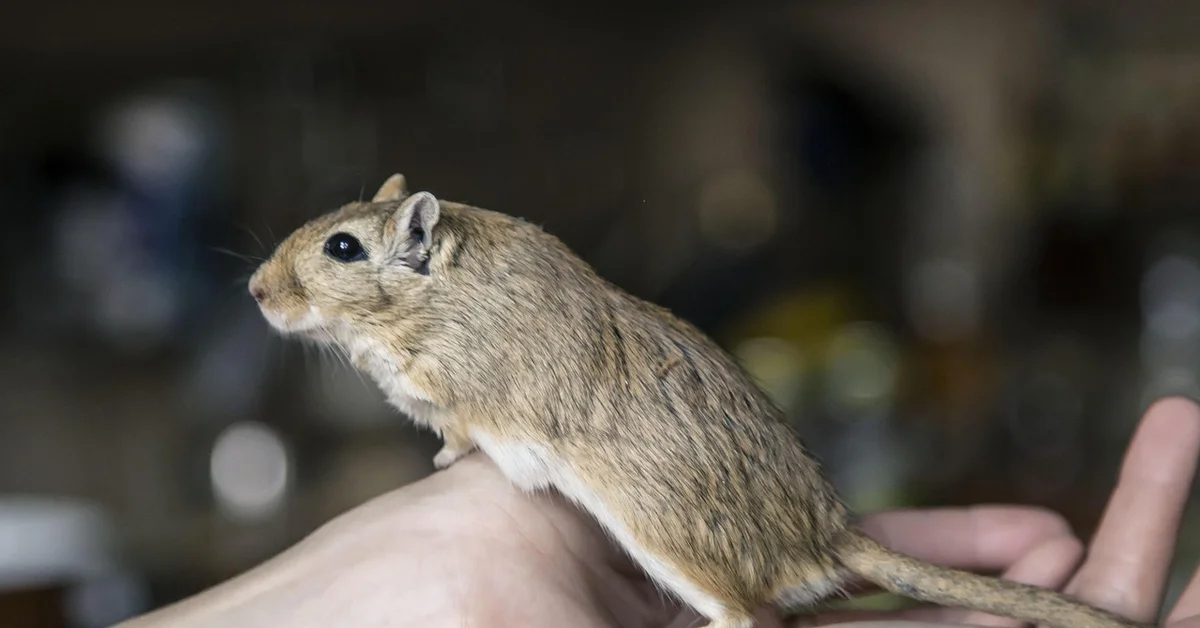
Designing a tiny world for your mice to explore is one of the most rewarding parts of pet ownership. Your creativity is the only real limit, and watching your mice interact with your creations brings the entire scene to life. I love spending a quiet afternoon crafting new little props, seeing what captures my own mice’s curiosity next — especially when they’re foraging for DIY puzzles to make your mouse think.
Naturalistic Habitat Setups
Recreating a slice of the outdoors inside your home provides a wonderfully enriching environment. Natural materials offer textures and scents that are instinctively fascinating and comforting for mice. My mouse Gregory, who is older and calmer, seems to genuinely prefer these serene setups over my more whimsical attempts.
- Safe Wood Elements: Use untreated, sanded-down twigs from apple, willow, or birch trees to build miniature climbing frames, rustic fences, or tiny log piles.
- Mossy Landscapes: Preserved sheet moss or sphagnum moss creates an instant forest floor. You can arrange it around other props to make everything look naturally overgrown.
- Stone and Pebble Pathways: Smooth, washed river rocks are perfect for creating little paths or a central “clearing” in their habitat scene.
- Seed and Nut Accents: Scatter a few larger, in-shell nuts like pecans or walnuts as decorative boulders. A small dish of millet spray can look like a tiny sheaf of wheat.
Themed and Whimsical Set Designs
This is where you can let your imagination run completely wild. Themed sets are fantastic for capturing specific moods and creating truly unique photographs. My adventurous mouse Kenny loves investigating every new tiny object I place, especially if it involves something he can climb.
- Miniature Furniture: Dollhouse furniture is the perfect scale. Create a cozy reading nook with a tiny armchair and book, or a dining scene with a small table.
- Fantasy and Fairy Tales: Build a mystical scene using polished crystals as magical stones, a small sea sponge painted green as a whimsical shrub, and a bottle cap filled with water as a wishing well.
- Seasonal Celebrations: For autumn, use a small, hollowed-out mini pumpkin as a hideout. In winter, a dusting of shredded cotton wool makes for a convincing snowscape.
- Everyday Adventures: Build a “workshop” with matchboxes for tool chests and toothpicks for lumber. A Lego brick can become a colorful modern art sculpture in their tiny gallery.
Cleaning and Maintaining Your Miniature Photo Studio
A beautiful set is wonderful, but a clean set is non-negotiable for your mice’s health. Establishing a simple cleaning routine protects your pets and keeps your photography setup looking its best. I’ve found that a quick tidy after each session and a deeper clean once a week works perfectly for my trio.
Daily and Post-Photo Session Cleaning
This is about managing the little messes before they become big problems. A swift spot-clean prevents waste from accumulating and keeps odors at bay. My mouse Jeffery, who is a bit anxious, seems much more at ease when his environment is consistently fresh. Simple habits—daily spot-cleaning, absorbent bedding, and good ventilation—really help reduce mouse odor at home.
- Remove any visible droppings and wet patches of bedding immediately using a small scoop or spoon.
- Wipe down solid surfaces like ceramic tiles or plastic props with a damp cloth or a pet-safe disinfectant wipe.
- Check all fabric items for moisture or soiling. Swap them out for clean ones if needed.
- Dispose of any leftover fresh food, like vegetable pieces, to prevent mold.
Weekly Deep Cleaning Routine
Once a week, take everything apart for a thorough refresh. A complete breakdown and clean disrupts bacteria and ammonia buildup, creating a healthier atmosphere. I usually do this on a weekend morning when I have time to enjoy the process of rebuilding a brand-new scene.
- Carefully move your mice to a secure, temporary holding area with water and a familiar hide.
- Empty the entire enclosure of all props, bedding, and substrate.
- Wash the base of the photo studio (the bin or tank) with warm, soapy water. Rinse thoroughly.
- Clean all hard props and toys by scrubbing them with a vinegar-and-water solution or a pet-safe cage cleaner. Rinse well and allow to air-dry completely.
- Wash all fabric items in the washing machine using a mild, fragrance-free detergent.
- Once everything is bone-dry, reassemble your set with fresh, clean bedding.
Sanitizing and Material Care
Different materials require different care to ensure they last and remain safe. Proper sanitizing extends the life of your props and prevents the transfer of germs. Wooden items, in particular, need a bit of extra attention.
- Plastic and Ceramic: These are the easiest. A good scrub with soap and hot water is typically sufficient.
- Wooden Props: Scrub with hot water. For a deeper clean, you can bake them in an oven at a low temperature (200°F/93°C) for 20-30 minutes to kill any pests or bacteria.
- Fabric and Cardboard: Fabric should be machine-washed. Cardboard items are often difficult to clean thoroughly, so I treat them as disposable and replace them regularly.
- Natural Elements: Rocks and stones can be boiled or baked. Moss should be replaced rather than cleaned, as it can hold moisture.
Frequently Asked Questions
How big are small mice?
Small pet mice, such as fancy mice, typically measure between 2.5 to 4 inches (6 to 10 cm) in body length, with an additional 2 to 4 inches (5 to 10 cm) for the tail. Their compact size makes them ideal for miniature photography setups, but it also means they are agile and can easily navigate small spaces, so any studio props must be scaled appropriately to avoid hazards. Choosing the right cage—considering floor space, bar spacing, and enrichment—is essential given their size and activity level. The ultimate guide to mouse cages explains how to pick safe, appropriately sized housing and accessories that suit these needs.
Understanding their dimensions helps in designing safe, proportionate sets that prevent injuries and ensure your mice can move comfortably during photo sessions, enhancing both their well-being and the quality of your images.
What is a miniature mouse?
In pet care, a miniature mouse refers to small domesticated breeds, like fancy mice, kept as companions. These are living animals with specific care needs, not to be confused with inanimate figurines or toys. They are known for their curious and active nature, which can be captured beautifully in a well-designed photo studio.
When creating sets for them, it’s crucial to prioritize safety and comfort, using non-toxic materials and avoiding any elements that could stress or harm them, as their small size and delicate health require careful attention.
What is a miniature studio kit?
A miniature studio kit is a pre-assembled collection of props, backdrops, and sometimes lighting tools designed for small-scale photography, such as for pets or miniatures. These kits are available for purchase and often include themed items to quickly create scenes without DIY effort.
While kits offer convenience, this guide emphasizes building a custom studio from everyday household items to ensure safety, cost-effectiveness, and personalization for your mice’s unique needs and behaviors.
Wrapping Up
The joy of creating a tiny world for your mice is matched only by the delightful photos you will capture. You are not just building a set; you are crafting a stage for their unique personalities to shine, strengthening your bond with every snapshot.
Remember that the most charming photos often come from the simplest setups and the most genuine moments. Grab your phone, some household items, and let your curiosity guide you. Use only pet-safe, non-toxic, and stable props—avoid small parts or anything that could be chewed or knocked over. Always supervise your mice, keep sessions short, and watch for signs of stress. Your mice are ready for their close-up.
Further Reading & Sources
- 42,900+ Mini Mouse Stock Photos, Pictures & Royalty-Free Images – iStock
- This Artist Creates Miniature Worlds Filled With Anthropomorphic Mice (30 Pics) | Bored Panda
- Amazon.com: Miniature Mouse
Isabella is a passionate small pet enthusiast with over 8 years of experience in caring for mice. She loves sharing practical tips and heartfelt stories to help fellow mouse owners provide the best care for their tiny companions.
Enrichment Ideas