
What Is Bumblefoot (Ulcerative Pododermatitis) in Mice?
Have you noticed a small red sore or swelling on your mouse’s foot and felt a pang of worry? Seeing your tiny friend in discomfort is deeply concerning, and you’re right to seek answers. This guide will help you understand and identify this painful foot condition, providing a clear path forward to help your pet feel comfortable again.
We will cover the subtle early signs of bumblefoot you must not ignore, explain the common household causes that often surprise owners, and walk through the practical treatment steps you can take. From improving their habitat to managing their recovery, you will find the supportive care information needed to navigate this challenge with confidence.
Understanding Bumblefoot in Mice
How Bumblefoot Differs in Mice vs Other Species
While the name “bumblefoot” is shared across many small pets, the condition manifests uniquely in our tiny mouse companions. Their incredibly small size and light body weight mean the initial signs are often subtle and progress differently than in larger rodents. You won’t typically see the large, bulbous abscesses common in guinea pigs or rabbits.
Instead, look for a red, shiny, or swollen appearance on the bottom of one or more feet. The progression is often a quiet, slow creep rather than a sudden, obvious lump. Because mice are so small, a seemingly minor foot injury can become a systemic problem with startling speed. Their delicate footpads are not built for the constant pressure and abrasion of improper flooring. Watch their grooming: mice in pain may over-groom or continuously lick affected paws, worsening sores. A mouse that stops grooming and looks unkempt may also be hiding discomfort.
Another key difference lies in the primary cause. For many animals, obesity is a major contributor. For mice, the single greatest risk factor is almost always their living environment, specifically the type of cage flooring they walk on every single day. Their lives are lived at floor level, making the ground beneath their feet the most critical element of prevention. Choosing appropriate flooring and arranging the cage to encourage natural movement are therefore essential for pet mice obesity prevention. Simple changes like providing running wheels, tunnels, and varied surfaces can increase activity and help keep mice lean.
| Feature | Mice | Larger Rodents (e.g., Rats, Guinea Pigs) |
|---|---|---|
| Typical Lesion Appearance | Redness, swelling, small scabs | Large, obvious abscesses or “bumbles” |
| Primary Risk Factor | Wire or abrasive cage flooring | Obesity combined with unsanitary bedding |
| Speed of Onset | Can be slow and subtle initially | Often more rapid and visually obvious |
What Causes Ulcerative Pododermatitis in Pet Mice
Bumblefoot doesn’t appear out of nowhere; it’s the final result of a perfect storm of environmental and physical factors. The journey to sore feet almost always begins with constant pressure and micro-abrasions on those delicate footpads. Think of it like getting a blister from shoes that don’t fit-except your mouse is wearing those shoes every moment of its life.
- Wire Cage Floors: These are public enemy number one. The thin, hard wires create immense pressure points and can cause tiny cuts, opening the door for infection.
- Abrasive Surfaces: Rough plastic, certain types of sandpaper-textured ramps, or even some excessively coarse bedding can act like sandpaper on their skin.
- Poor Sanitation: A dirty cage means your mouse’s feet are constantly in contact with bacteria-laden waste, which can easily invade any small break in the skin.
- Obesity: While less of a primary driver than in bigger pets, extra weight still increases the pressure on each tiny footpad, compounding any other issues.
- Insufficient Enrichment: A bored mouse may repetitively chew on cage bars or perform other stereotypic behaviors that traumatize their feet over time.
The Role of Bacterial Infection in Footpad Lesions
The initial injury is just the beginning. Bacteria are the uninvited guests that turn a simple pressure sore into a full-blown case of ulcerative pododermatitis. The most common culprits are Staphylococcus aureus and other bacteria that are commonly present in the environment.
Once a tiny abrasion or area of inflammation appears, these bacteria seize the opportunity. They colonize the wound, multiplying and creating an infection that the mouse’s body struggles to contain. This bacterial invasion is what causes the painful swelling, redness, and potential for pus that defines an advanced case. The body’s attempt to wall off the infection can lead to the formation of a granuloma, a hard nodule of inflamed tissue.
I’ve seen this firsthand with my own curious mouse, Kenny, whose impulsive nature once led to a minor foot scrape. Without a clean, soft environment, that tiny wound can swiftly become a painful, infected lesion that requires veterinary intervention. The bacteria don’t just stay on the surface; they can burrow deeper, leading to a systemic infection that affects your mouse’s entire well-being. That’s why it’s important to know how to tell if your mouse is in pain. Watch for signs like reduced activity, hunched posture, changes in grooming, or vocalizing when handled.
- Initial Trauma: A wire floor or rough surface causes a small cut or pressure sore.
- Contamination: Bacteria from soiled bedding or surfaces enter the broken skin.
- Colonization: Bacteria multiply within the wound, causing inflammation and pain.
- Infection Escalation: The localized infection can spread, leading to swelling and systemic illness if untreated.
Recognizing Symptoms of Pododermatitis in Your Mice
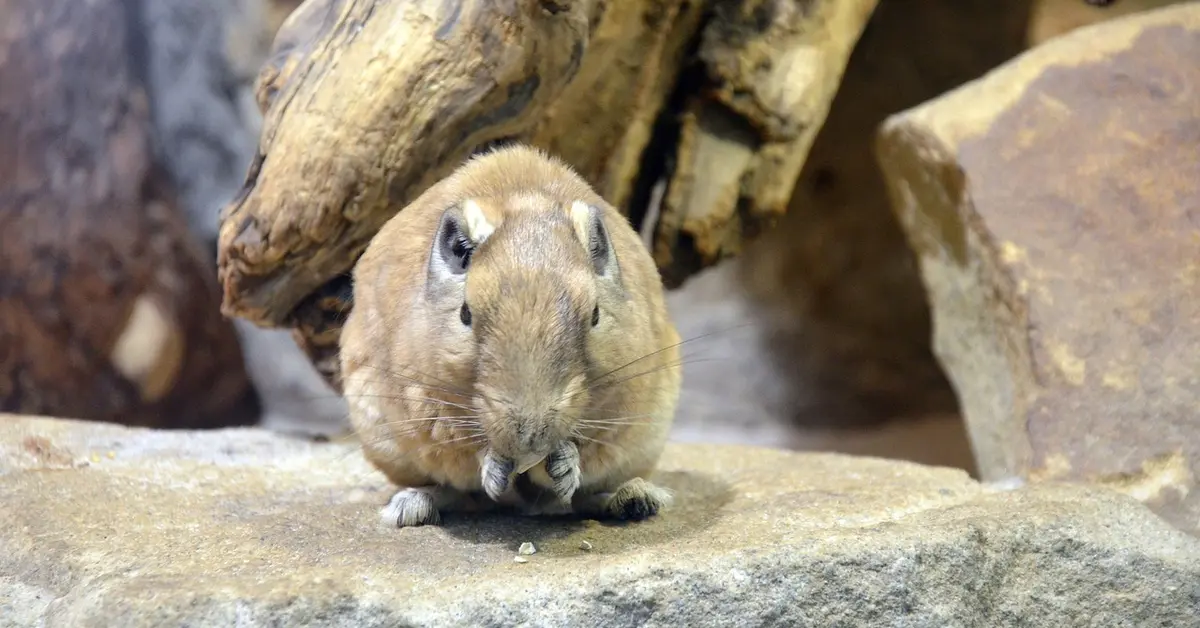
Your mouse’s feet are their foundation, and noticing subtle changes is your first line of defense. I always start my daily health checks by gently examining the soles of their feet, looking for any deviation from their normal, smooth pinkness. Early signs are often easy to miss if you aren’t specifically looking for them. These quick checks are perfect for an at-home mouse health routine. Making them part of your daily care helps you catch problems early and seek help if needed.
Assessing Severity Levels of Footpad Lesions
Bumblefoot isn’t a single condition; it’s a progressive one. Categorizing what you see helps you understand the urgency and required action. Mild cases often present with simple redness or slight swelling, while advanced stages involve open wounds and significant tissue damage. Here is a simple guide to help you assess the situation.
- Grade 1 (Early/Mild): The footpad appears reddened, inflamed, or slightly swollen. The skin might look thin and shiny. There is no open sore, but the area is likely tender. This is the ideal time to begin intervention.
- Grade 2 (Moderate): A small, superficial scab or ulcer forms on the surface of the pad. You might notice the mouse favoring the foot or limping slightly. The area around the scab remains red and swollen.
- Grade 3 (Severe): The lesion is a deep, open wound, possibly with pus or a dark, hardened core of dead tissue (eschar). Swelling is significant, and lameness is obvious. The infection is now established within the foot.
- Grade 4 (Critical): The infection has spread deeper, potentially affecting tendons or bone. The foot may be visibly deformed. Systemic signs like lethargy or loss of appetite may appear, indicating the infection is entering the bloodstream.
Early Stage Treatment You Can Do at Home
If you catch bumblefoot at Grade 1, you have a very good chance of resolving it with diligent home care. The core principles are reducing pressure on the foot, keeping the area clean, and supporting the body’s natural healing process. I’ve successfully managed early cases with my own mice using this multi-step approach.
- Transform Their Habitat: Immediately replace any hard, abrasive surfaces like wire mesh flooring or rough plastic with deep, soft bedding. I use a thick layer of paper-based bedding, which I find wonderfully cushioning.
- Soak and Soothe: Prepare a warm saline solution by dissolving a teaspoon of plain salt in a cup of warm, pre-boiled water. Gently hold your mouse’s affected foot in the solution for 3-5 minutes, once or twice daily. This helps clean the area and reduce inflammation.
- Apply a Protective Ointment: After soaking and thoroughly drying the foot, apply a very thin layer of a vet-approved, safe topical ointment. I have had good results with organic, unrefined coconut oil for its mild antibacterial and moisturizing properties.
- Support Overall Health: Ensure their diet is rich in quality protein and Vitamin C to boost tissue repair. I often add a tiny bit of scrambled egg to my boys’ food when they are healing.
When Veterinary Treatment is Necessary
Home care has its limits. You must seek professional veterinary assistance the moment you see an open wound, significant swelling, or any sign of pus. Waiting can lead to a deep bone infection that is incredibly painful and difficult to treat. My rule is simple: if it’s Grade 2 or worse, the vet gets a call.
A rodent-savvy vet will likely prescribe a course of antibiotics to fight the systemic infection and may provide a specialized antiseptic wash. Do not use human antibiotic creams unless explicitly instructed by your vet, as mice can ingest them during grooming and become very ill. Because mice constantly self-groom, they’ll lick off any topical product applied to their fur or skin. For this reason, use only vet-approved treatments to avoid accidental ingestion and further harm. The vet’s guidance is irreplaceable here.
Understanding Surgical Debridement and Wound Care
For advanced bumblefoot, the hardened core of dead tissue and infection must be physically removed. Surgical debridement is a procedure where the vet carefully removes all the non-viable, infected tissue to allow healthy, new tissue to grow. It sounds intense, but it is the most effective way to address a deep infection.
- The mouse will be placed under general anesthesia or heavy sedation to ensure they feel no pain during the procedure.
- The vet uses sterile instruments to meticulously debride the wound, leaving a clean, open wound bed.
- After surgery, you will be responsible for rigorous at-home wound care, which may include flushing the wound with a prescribed solution and applying a veterinary-prescribed topical antibiotic.
- Your mouse will likely need to wear a small, soft e-collar to prevent them from chewing at the surgical site while it heals.
Recovery from debridement requires a pristine, soft environment and strict adherence to the vet’s medication schedule. I found that using a small hospital tank with only paper towel bedding made post-op care much easier for both me and my mouse, minimizing stress and keeping the wound clean.
Preventing Bumblefoot Through Better Husbandry
Bedding Choices That Protect Mouse Footpads
Your choice of bedding is the first line of defense for your mouse’s delicate feet. I’ve found that soft, paper-based beddings create a forgiving surface that cushions every step. Avoid rough materials like pine or cedar shavings, as their sharp edges and irritating oils can create micro-cuts and inflammation. These tiny abrasions are the perfect entry point for the bacteria that cause bumblefoot. My mice, especially my older fellow Gregory, visibly relax and move more comfortably on a thick layer of crinkled paper bedding, which I’ve found to be superior to aspen or hemp in terms of softness and purity paper vs hemp bedding.
Think of your mouse’s enclosure like their personal world; every surface matters. Here are the bedding options I’ve had the most success with: Considerations like absorbency, dust levels, odor control, and nesting comfort will help you choose the right substrate. This quick guide breaks down common bedding types and what to expect from each.
- Crinkled Paper Bedding: Highly absorbent and forms a soft, moldable layer.
- Aspen Shavings: A safe wood option that is softer than pine or cedar.
- Hemp or Flax Substrate: Naturally dust-free and provides excellent cushioning.
- Fleece Liners: A reusable option, but they must be changed daily to stay dry and clean.
Managing Weight to Reduce Footpad Pressure
An overweight mouse places significantly more stress on its small footpads with every single step. I learned this firsthand with my curious mouse Kenny, whose love for sunflower seeds required careful portion control. Excess body weight dramatically increases the pressure on those tiny footpads, making them more susceptible to injury and slower to heal. A lean mouse is far less likely to develop pododermatitis, as their frame is better supported.
Managing your mouse’s weight is a gentle balance of diet and activity. It’s not about withholding food, but about providing the right kinds of nourishment. The mouse food pyramid diet is a simple guide that shows the types and proportions of foods your pet needs, helping you choose appropriate staples, fresh foods, and occasional treats to maintain a healthy weight.
- Offer a high-quality lab block as a staple diet, which provides balanced nutrition without excess fat.
- Limit high-fat treats like seeds and nuts to tiny, occasional rewards.
- Incorporate fresh vegetables like broccoli and cucumber for low-calorie enrichment.
- Ensure your habitat has plenty of opportunities for climbing and exploration to promote natural exercise.
Recovery Timeline and Long-Term Monitoring
Possible Complications from Chronic Pododermatitis
When bumblefoot is not addressed promptly or becomes a recurring issue, it can lead to more serious health challenges. Chronic inflammation is not just a surface problem. In severe, long-standing cases, the infection can burrow deeper, potentially affecting the bone and leading to osteomyelitis, a painful bone infection. This is why early and consistent intervention is so critical for your mouse’s comfort and mobility.
Living with a mouse who has had bumblefoot requires a shift to lifelong, vigilant monitoring. You become their most important health advocate. My routine involves a quick visual check of all my mice’s feet during weekly handling, looking for any signs of redness or swelling. Establishing a simple weekly “foot check” during handling sessions can help you catch any recurrence at the earliest, most treatable stage. Coupling this with a weekly at-home health check helps ensure overall well-being. This proactive habit has saved my mice from repeated discomfort.
Be aware of these potential long-term complications:
- Persistent Lameness: A change in gait to avoid putting pressure on a sore foot.
- Recurrent Infections: Once a footpad is scarred, it can be more vulnerable to future issues.
- Tissue Necrosis: In the worst cases, a lack of blood flow can cause tissue to die.
- Systemic Illness: A severe local infection can sometimes spread throughout the body.
Frequently Asked Questions
What is bumblefoot in rats?
Bumblefoot in rats, also known as ulcerative pododermatitis, is a common and painful inflammatory condition affecting the footpads. It typically starts with redness and swelling, which can progress to open sores, abscesses, or scabs if left untreated. This condition is similar to what occurs in mice but often presents with more noticeable lesions due to rats’ larger size and weight.
Like in mice, bumblefoot in rats involves bacterial infection, usually from Staphylococcus species, that enters through small cuts or irritated skin. Early detection is key, as it can lead to lameness and systemic illness if the infection spreads, requiring prompt veterinary care to manage discomfort and prevent complications.
What causes bumblefoot in rats?
Bumblefoot in rats is primarily caused by a combination of obesity, unsanitary living conditions, and abrasive surfaces that put excessive pressure on the footpads. Obesity significantly increases stress on the feet, while dirty bedding or cages introduce bacteria that can infect minor wounds. Wire flooring or rough materials are common culprits, as they create constant irritation and micro-injuries.
Other factors include lack of enrichment, which may lead to repetitive behaviors that traumatize the feet, and genetic predispositions in some rat breeds. Maintaining a clean, soft environment and a balanced diet is essential to reduce these risks and protect your rat’s foot health.
What is the treatment for bumblefoot in rats?
Treatment for bumblefoot in rats typically involves veterinary intervention, such as antibiotics to combat infection and anti-inflammatory medications to reduce pain and swelling. For mild cases, home care may include soaking the foot in warm saline and applying vet-approved ointments, but professional guidance is crucial to avoid complications.
In advanced stages, surgical debridement might be necessary to remove infected tissue, followed by strict wound care and habitat modifications, like switching to soft bedding and managing weight. Consistent follow-up and a clean environment help ensure a full recovery and prevent recurrence.
Your Path Forward
Your attentiveness is the single most powerful tool you possess for managing bumblefoot. By checking feet regularly, keeping habitats clean and dry, and acting quickly at the first sign of redness or swelling, you are already providing the best possible defense for your mouse.
Remember that you are not alone in navigating this condition, and with consistent care, many mice continue to live full, happy lives. Trust your observations, partner with your veterinarian, and take comfort in knowing your diligent efforts make all the difference for your small companion. If this is your mouse’s first vet visit, expect a gentle physical exam, questions about diet and housing, and clear guidance on preventative care. Don’t hesitate to ask questions—your veterinarian is there to support both you and your pet.
Further Reading & Sources
- Bumblefoot (infection) – Wikipedia
- Bumblefoot | tiny-toes-rat-rescue
- Rat & Mouse Gazette: Ulcerative Pododermatitis… AKA Bumblefoot & Squeaky
Isabella is a passionate small pet enthusiast with over 8 years of experience in caring for mice. She loves sharing practical tips and heartfelt stories to help fellow mouse owners provide the best care for their tiny companions.
Common Diseases