
Can Mice Actually Come Up Through Your Toilet?
Have you ever felt a shiver of worry while using the bathroom, imagining a tiny, whiskered face peeking out from the bowl?
As a longtime mouse caretaker, I’ve seen how these clever creatures explore, and I’m here to give you a straightforward, fact-based answer. This guide will cover the real chances of this happening, explain the surprising ways mice navigate plumbing, and provide you with effective, easy-to-implement prevention strategies.
How Mice Navigate Plumbing Systems
The Path from Sewer to Toilet Bowl
A wild mouse’s journey through plumbing is a testament to their incredible survival skills. These rodents are strong swimmers and can hold their breath for several minutes, allowing them to traverse the water-filled U-bend, or trap, in your toilet. They typically enter the main sewer line from cracks or uncapped clean-out ports outside your home, then swim and climb their way toward the scent of food and warmth. Once in your home’s internal pipes, they search for an exit, which can sometimes be the water in your toilet bowl.
Their flexible skeletons let them squeeze through openings as small as a dime, making even minor pipe gaps potential doorways. This journey is a desperate search for resources, not a leisurely swim, driven by the harsh conditions of living in a sewer system. I’ve seen how determined a wild mouse can be when motivated, and a warm, quiet bathroom is a powerful lure after the cold, wet darkness of a pipe.
Why Pet Mice Rarely Use This Route
Your beloved pet mouse, like my curious Kenny or cheerful Jeffery, lives a world away from their wild cousins. Domesticated mice lack the survival instincts and harsh life experiences that would compel a wild rodent to attempt such a treacherous journey. They are provided with consistent food, clean water, and a safe, enriching habitat, eliminating the desperate need to scavenge, unlike their wild counterparts with uncertain diets.
Furthermore, their environment is controlled and secure. A pet mouse’s world is their cage and any supervised play areas, which are deliberately designed to be safe and escape-proof. This controlled setup also makes it easy to teach children safe handling—always use gentle, cupped hands and adult supervision. Keeping play limited to designated areas protects both kids and their pets. The idea of my gentle Gregory, who prefers the stability of his favorite hideout, voluntarily plunging into a dark, watery pipe is simply unthinkable. They are companions, not survivors, and their behaviors reflect that fundamental difference.
Recognizing Signs of Rodents in Your Bathroom
Inspecting Critical Entry Points
Staying vigilant is your best defense against unwanted bathroom visitors. Regular, simple inspections can give you immense peace of mind. Focus your attention on areas where utilities enter your home, as these are the most common weak spots.
- Check around the pipes under your sink and behind your toilet for any gaps. Even a small crack can be an invitation.
- Look at the vent fan opening and any ceiling or wall vents. Ensure the covers are secure and the flaps move freely to block entry.
- Inspect the caulking around your bathtub, shower, and toilet base. Brittle or missing caulk creates an easy path from the wall cavity into your bathroom.
- Examine the weather stripping around your bathroom door, especially if it leads to a garage or basement.
Finding and sealing these vulnerabilities is a straightforward weekend project that dramatically reduces the risk of any rodent incursions. A little bit of steel wool and silicone caulk can solve most of these problems for good.
Immediate Steps When You Find a Mouse in Your Toilet
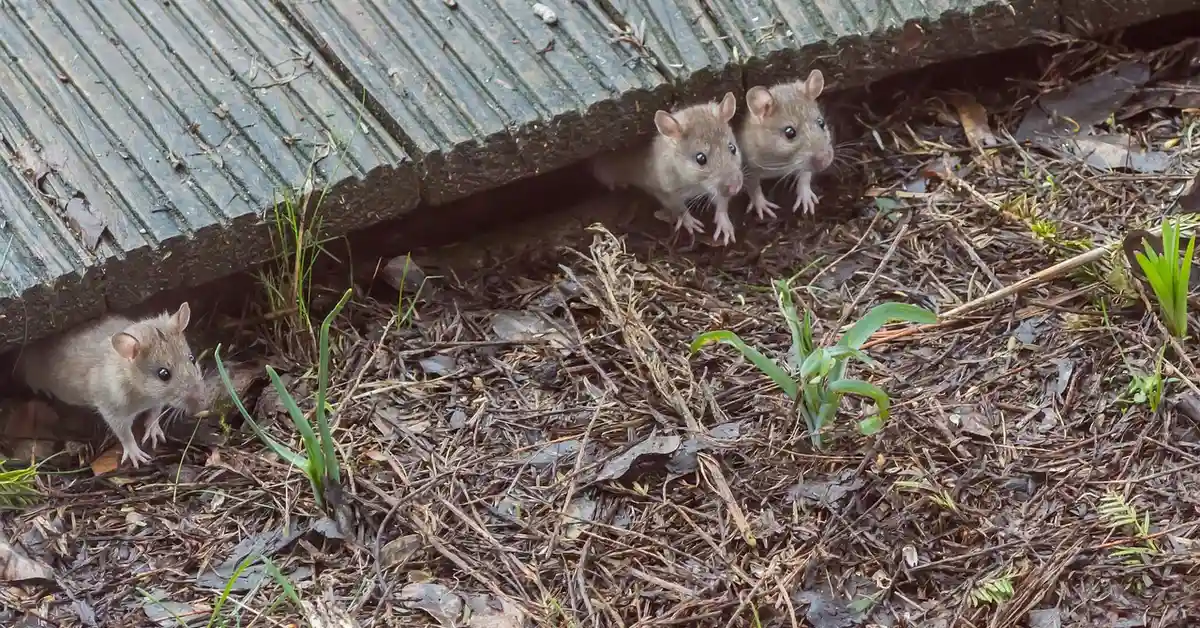
Safely Removing a Mouse from the Toilet Bowl
Finding a small, wet creature paddling in your toilet is startling, but your first priority is to stay calm. Panic can frighten the animal and lead to clumsy actions that risk injury to both of you. Take a deep breath and remember that the mouse is likely more terrified than you are. You might wonder whether it needs a bath after being in the toilet. In most cases, bathing a mouse can do more harm than good, so avoid washing it unless a wildlife rehabilitator or veterinarian recommends it.
Your goal is to provide an easy, non-threatening escape route. I never recommend grabbing the mouse with your bare hands, as a frightened animal may bite instinctively. Here is a simple, step-by-step method I’ve used successfully:
- Gently place a long-handled object, like a wooden spoon or ruler, into the water, resting one end on the bowl’s rim to create a ramp.
- Retreat several feet away and give the mouse space and quiet. It needs to feel safe enough to attempt the climb.
- If the ramp doesn’t work, you can use a small plastic container to gently scoop the mouse from the water. Have a towel ready to place over the container once the mouse is inside to provide darkness and security.
- Once contained, release the mouse outside, far from your home, in a sheltered area like a bush.
What to Do If It’s Your Escaped Pet Mouse
The moment you recognize that soggy, shivering mouse as your own escaped pet, your heart will leap into your throat. Your familiarity is your greatest tool here, as your scent and voice can be incredibly reassuring to a frightened pet. My mouse, Kenny, once got loose and his bold, impulsive nature made him a nightmare to find, so I understand the sheer panic. If your mouse is frightened or skittish, knowing how to approach and calm them can make all the difference. This is a complete guide to taming a scared, skittish mouse and rebuilding trust step by step.
Follow these steps, focusing on gentle retrieval:
- Speak to your mouse in a soft, low, and steady voice, just as you would during a normal handling session. Use its name repeatedly.
- Move very slowly. Avoid direct eye contact, which can be perceived as a threat, and offer your hand for it to sniff if it seems calm enough.
- Its favorite treats are your best lure. I’d use a sunflower seed for Kenny or a bit of aged cheese for my older, more cautious mouse, Gregory.
- Use a small, familiar transport container from its cage habitat to coax it inside, rather than a strange cup or bowl.
- Once secured, gently dry your mouse with a soft, absorbent towel and place it back in its warm, secure cage. Monitor it closely for several hours for any signs of shock or respiratory issues from the cold water.
Securing Your Plumbing Against Rodent Entry
Reinforcing Toilet Seals and Flanges
Toilets are not the sealed units we imagine them to be. They are connected to the sewer line via a pipe horn and a wax or rubber seal, known as a flange. Over time, these seals can dry out, crack, or become misaligned, creating a tiny but passable highway for a determined rodent. A mouse can compress its skull and ribs to fit through an opening the size of a dime.
Inspect the base of your toilet for any signs of gaps or deterioration. Replacing a wax ring is a straightforward DIY task that can block this primary entry point. For extra peace of mind, consider installing a rodent-proof stainless steel toilet flange guard, which acts as a physical barrier inside the pipe.
Addressing Gaps in Bathroom Plumbing
Your toilet isn’t the only potential entry point. You must conduct a thorough inspection of all places where pipes enter your walls and floors. Look behind the toilet, under the sink, and around the bathtub piping.
- Check for gaps around the main soil stack, the large vertical pipe that connects to your toilet.
- Examine the areas where sink drainpipes disappear into the wall.
- Any hole, no matter how small, is a potential invitation.
To seal these gaps, use materials that rodents cannot gnaw through. I’ve found that stuffing gaps with coarse steel wool and then sealing over it with a hardening sealant like silicone caulk or expanding foam is highly effective. The steel wool irritates their mouths and paws, deterring them from trying to chew through it.
Protecting Your Pet Mice from Plumbing Hazards
Cage Placement and Bathroom Safety
As a pet owner, your vigilance is the ultimate safeguard for your small companions. The single most effective action you can take is to never allow your mice free-roam time in or near a bathroom. The risks are simply too great, from toxic cleaning residues on the floor to the ever-present danger of an open toilet lid.
Think carefully about where you place your mouse’s habitat. I keep my boys’ cage in my living room, a central, well-trafficked area far from any bathrooms or kitchen sinks. A stable, quiet environment away from plumbing fixtures is fundamental to their sense of security and your peace of mind. My thoughtful mouse, Jeffery, would be far too anxious with the sudden noises of plumbing, so a calm location is a non-negotiable part of their care. Place the cage on a stable, elevated surface out of direct sunlight and drafts, and avoid spots with temperature swings. Choosing the right spot makes it easier to monitor them and keeps their routine predictable.
Always ensure the toilet lid is closed when not in use. Make this a household rule. It’s a simple habit that completely eliminates the risk of your curious explorer, like my Kenny, taking an unexpected and dangerous swim.
Understanding Wild Rodent Behavior Versus Pet Mice
The idea of a mouse surfacing in your toilet is a startling image straight from a homeowner’s nightmare. This behavior is almost exclusively linked to wild rodents, whose survival instincts push them into extreme and unsanitary environments. Their entire existence revolves around finding food, water, and shelter, and a quiet, damp pipe can seem like a viable highway to a potential new home.
Pet mice, like my trio Kenny, Gregory, and Jeffery, live in a completely different world. Domesticated mice are creatures of habit and comfort, deeply bonded to the security of their familiar cage and your predictable presence. They have no biological drive to navigate dark, water-filled pipes. The concept would be as foreign and terrifying to them as it is to you. Because of that familiarity, pet mice can learn to recognize their owners by scent, voice, and routine. They often respond with curiosity, approaching at feeding time or accepting gentle handling.
Key Differences Between Wild and Pet Mice
- Motivation: Wild mice are driven by desperation and instinct. Pet mice are motivated by curiosity within a safe, provided environment.
- Environment: Wild mice adapt to sewers, walls, and fields. Pet mice thrive in controlled, clean habitats with stable temperatures.
- Capability: While both can swim, a wild mouse’s survival may depend on it. A pet mouse would find the experience deeply traumatic.
- Health: Wild rodents can carry pathogens from the environments they traverse. Pet mice are generally healthy and isolated from such risks.
When Professional Help Is Necessary
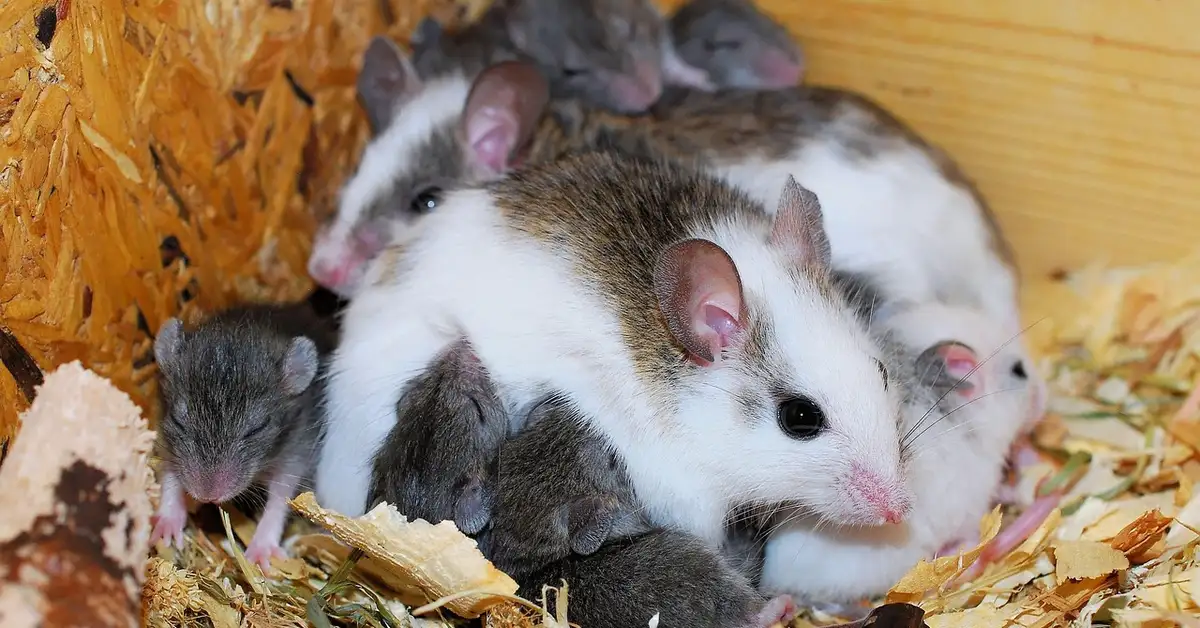
If you are concerned about wild rodents potentially entering your home through plumbing, the situation calls for a specific course of action. This is not a problem for a pet owner to solve alone and signals a need for expert intervention. Your primary concern should be the safety and hygiene of your household, including your pet mice’s living space. Wild mice commonly make nests in wall cavities, attics, basements, and around plumbing fixtures. Understanding these typical harborage sites helps professionals locate entry points and protect both your home and your pets.
Contact a professional pest control service immediately if you notice any of the following signs. A prompt response protects everyone involved.
- You actually see a wild mouse in a toilet or sink drain.
- You hear persistent scratching or scurrying sounds coming from inside your walls or ceilings.
- You find gnaw marks on baseboards, wires, or food packaging.
- You notice a sudden, unexplained musky odor in your home.
- Your pet mice become unusually agitated, frightened, or fixated on a wall for no apparent reason.
When you speak with a professional, be sure to inform them that you have pet mice. A reputable exterminator will use targeted methods that pose no risk to your contained pets while effectively dealing with the wild intruders. If you’re wondering whether it’s worth hiring an exterminator for mice, the answer is usually yes — professionals remove infestations safely and quickly, which is especially important when you have pet mice. They can also advise on preventative measures, like installing drain guards or checking for pipe gaps, to give you long-term peace of mind.
Frequently Asked Questions
Is a mouse in the toilet dangerous?
A wild mouse emerging from your toilet poses potential health risks, as it can carry bacteria and parasites from the sewer system. For your pet mice, however, the danger is minimal as they live in a controlled, clean environment and are highly unlikely to ever be in your plumbing. The primary concern is for the safety and hygiene of your household when dealing with a wild intruder.
Is the ‘mouse in the toilet’ scenario from a movie?
Yes, the shocking image of a rodent in a toilet has been featured in movies and television shows for dramatic or comedic effect. These portrayals can fuel the common fear, but it’s important to remember they are fictionalized. For a pet mouse owner, this scenario is even less realistic, as your domesticated companion lacks the wild instinct to attempt such a journey.
What does finding a mouse in your toilet mean?
Finding a wild mouse in your toilet typically means it has entered your home’s sewer system through an external breach and is desperately seeking food and shelter. It is a sign of a potential rodent issue in your plumbing that should be addressed. For a pet owner, this event is unrelated to your caged mouse and signifies a need to inspect and seal your home’s pipe entry points against wild pests.
Your Path Forward
While the possibility of mice coming up through a toilet exists, it’s a rare event that you can largely prevent with basic home upkeep and attention to your plumbing. Simple steps like checking for pipe gaps and using drain covers can significantly reduce any risks, letting you focus on the joys of mouse companionship.
Drawing from my own experiences with inquisitive mice like Kenny, I’ve found that a calm, informed approach to pet care builds confidence and peace of mind. If a mouse seems fearful or anxious, slow, gentle handling and a predictable routine can help them feel safe. Don’t hesitate to ask for help from a vet or experienced keeper if your pet remains very scared. Remember, your dedication to creating a secure habitat means you and your mice can share many happy, worry-free moments together.
Further Reading & Sources
- r/Plumbing on Reddit: Dead Mouse in Toilet
- r/Damnthatsinteresting on Reddit: How mice get into your toilet
- Can mice come up through toilet? – DoItYourself.com Community Forums
Isabella is a passionate small pet enthusiast with over 8 years of experience in caring for mice. She loves sharing practical tips and heartfelt stories to help fellow mouse owners provide the best care for their tiny companions.
Mouse-Proofing & Prevention