
Coat Type and Mouse Care: A Complete Guide
Have you ever wondered why one of your mice seems to need more grooming attention than another, or why their fur just looks and feels so different? The secret often lies in their specific coat type, a factor that dramatically shapes their daily care routine.
This guide will walk you through exactly how different coats-from sleek satin to dense rex-influence your care strategy. We’ll cover practical grooming techniques, nutritional tweaks for a healthy coat, and how to spot common coat-related health issues before they become serious problems. Understanding this will help you provide the tailored care your unique pets, like my own trio Kenny, Gregory, and Jeffery, truly deserve.
Why Mouse Coat Types Matter for Daily Care
Think of your mouse’s coat as their personal, built-in environment. The type of fur they have directly influences how they experience temperature, comfort, and even their own mobility. A hairless mouse and a long-haired Angora live in two completely different sensory worlds, even when they share the same cage. Their fur is not just for looks; it’s a functional part of their biology that you, as their caretaker, must accommodate.
I’ve learned through experience that a one-size-fits-all approach to grooming and habitat setup simply doesn’t work. Ignoring coat-specific needs can lead to preventable health issues like skin infections, overheating, or painful matting. My careful Gregory, with his standard short coat, requires a very different maintenance routine than a curly-coated friend would. Your daily interactions, from handling to cage cleaning, are all shaped by the fur you’re caring for.
Common Mouse Coat Types and Their Characteristics
Just like people have different hair types, mice possess a wonderful variety of coats. Each type brings its own unique charm and a specific set of care instructions. Getting to know these varieties helps you become a more responsive and effective pet owner.
Short Standard Coats
This is the most common coat type, often seen in pet fancy mice. The fur is smooth, lies flat against the body, and has a consistent, plush texture.
- Appearance: Neat, sleek, and uniform in length across the body.
- Texture: Dense and soft to the touch, like velvet.
- Care Needs: This is the lowest-maintenance coat. They are excellent self-groomers. A dust-free, absorbent bedding is your primary concern. Occasional gentle handling helps distribute natural skin oils.
- Considerations: While low-fuss, you should still check weekly for any signs of parasites, flaky skin, or minor injuries hidden by the fur.
Long Coats (Angora)
Angora mice are stunning, with fur that can grow several inches long, sometimes forming a beautiful “skirt” around their hindquarters. This dramatic coat is driven by genetics: specific genes influence hair length and texture in Angora mice. Breeders often select for these hereditary traits to produce the longest, most luxurious coats.
- Appearance: Flowing, elegant, and prone to slight waving.
- Texture: Can be fine and silky or slightly wooly.
- Care Needs: This coat requires a committed owner. Daily gentle brushing with a soft-bristled brush, like a clean makeup brush, is non-negotiable to prevent severe mats. Avoid sticky treats and messy substrates like certain clay-based beddings that will cling to the fur.
- Considerations: Mats are not just unsightly; they pull on the skin, restrict movement, and can harbor moisture and bacteria. Trimming around the rear end is often necessary for hygiene.
Curly Coats (Rex and Frizzie)
These charming mice have coats that range from wavy to tightly curled, and their whiskers are often crinkled too!
- Appearance: Rex coats are plush and wavy, while Frizzie coats are more tightly curled and can appear almost fuzzy.
- Texture: Surprisingly soft, with a springy, resilient feel.
- Care Needs: Their unique coat structure is more fragile. Be extra gentle during handling and spot-cleaning, as their fur can be prone to minor breakage. They benefit from a diet rich in protein and fats to support healthy hair follicles.
- Considerations: The skin underneath can be more exposed, making these mice slightly more susceptible to drafts and temperature changes. Ensure their nest area is extra cozy.
Satin and Silky Coats
The hallmark of this variety is an incredible, glossy sheen that catches the light beautifully.
- Appearance: Exceptionally shiny and sleek, with a luminous quality.
- Texture: Feels incredibly smooth and fine, almost like silk.
- Care Needs: The sheen comes from hollow hair shafts, which are more delicate. Avoid rough bedding materials like wood shavings with splinters, opting instead for soft paper or aspen. Their coat shows oils and dirt easily, so a clean habitat is a must.
- Considerations: My mouse Gregory has a slight satin sheen to his dark fur, and I find it shows every single little piece of stray bedding, which motivates me to keep his home impeccably tidy.
Hairless Varieties
These unique mice, such as the true Hairless or fuzzy-haired varieties, have no fur or only a very fine, peach-fuzz covering.
- Appearance: Pink, wrinkled skin is completely visible.
- Texture: Their skin is warm and soft, similar to the feel of a heated rice bag.
- Care Needs: This is the most demanding coat type. They need a consistently warm environment, plenty of soft, loose bedding for burrowing, and often a snuggle companion for shared body heat. Their skin produces oils that must be gently wiped away with a damp cloth weekly.
- Considerations: They are highly susceptible to scratches, sunburn, and cold stress. Everything in their cage must be smooth and free of sharp edges. Providing a small, fleece-lined hut is like giving them a personal, warm sweater.
Grooming Frequency Based on Coat Length
Weekly Checks for Short Coats
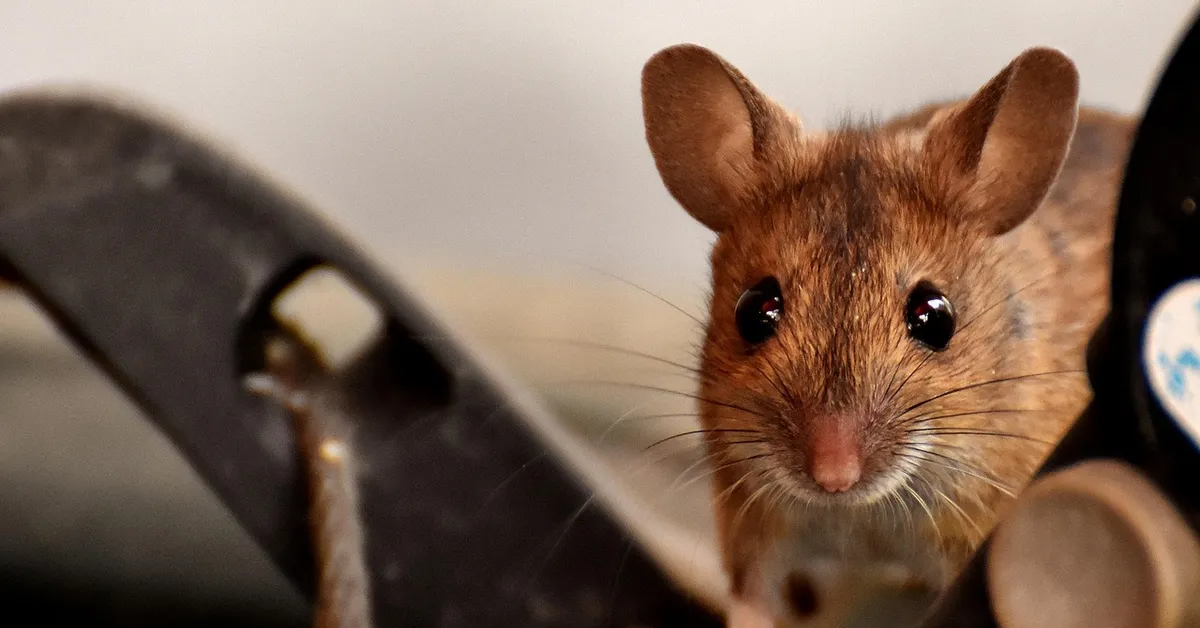
Mice with short, sleek coats like my Kenny have grooming needs that are wonderfully straightforward. A quick once-over each week is typically sufficient to keep them in top condition. Focus your weekly check on running your fingers gently through their fur to feel for any debris or unusual skin flakes. Their natural grooming habits are incredibly efficient, so your role is more about monitoring than active maintenance. I always check behind the ears and under the chin during these sessions, as these are spots they might miss.
- Use a soft-bristled toothbrush for gentle brushing
- Check for any soiled fur around their rear end
- Look for signs of excessive scratching or bald patches
- Monitor the condition of their skin beneath the fur
Daily Monitoring for Long Coats
Long-coated mice require a completely different approach to grooming management. Their beautiful flowing fur acts like a magnet for bedding material and can develop tangles with surprising speed. Long-haired companions need your eyes on their coat condition every single day, even if you don’t always intervene. I’ve found that establishing a quick visual inspection during feeding time makes this habit effortless to maintain.
- Perform daily visual checks for developing tangles
- Use a fine-toothed comb every 2-3 days for prevention
- Pay special attention to areas where limbs meet the body
- Trim fur around the rear to prevent soiling
Special Attention for Curly Coats
Curly-coated mice present unique challenges that fall somewhere between short and long-haired care routines. Their charming spiral fur patterns are prone to trapping moisture and creating perfect conditions for skin issues. The springy texture of curly coats demands careful finger-combing every few days to maintain their distinctive appearance and health. I gently separate the curls with my fingers rather than using tools that might pull at their delicate skin.
- Finger-comb every 2-4 days to prevent tight matting
- Monitor for moisture retention after drinking
- Check that their curls aren’t becoming tight knots
- Use minimal product – their natural oils work best
Preventing and Managing Matting Issues
Early Detection of Tangles
Catching matting issues early transforms what could be a stressful grooming session into a simple maintenance task. Regular gentle petting sessions double as your best early detection system for developing mats and tangles. When I stroke my mice, I’m not just showing affection – I’m mentally mapping the texture of their coat and noting any areas that feel different from the last time. These habits, paired with knowing when to be concerned about grooming, ensure their comfort and health.
- Feel for slight resistance when stroking with the fur growth
- Look for changes in how the fur lies naturally
- Notice if your mouse avoids being touched in specific areas
- Watch for excessive grooming of one particular spot
Safe Mat Removal Techniques
When you do encounter mats, patience becomes your most valuable tool. Rushing the process can cause discomfort and damage the bond you’ve built with your mouse. Always work mats out with your fingers first, starting at the edges and gently teasing them apart in small sections. For stubborn mats, I’ve found that holding the base of the fur close to the skin provides security and prevents pulling on their delicate skin.
- Hold the fur firmly at the base near the skin
- Use your fingers to gently separate the mat from the edges inward
- For persistent mats, carefully use blunt-tipped grooming scissors
- Always cut parallel to the skin, never pointing toward it
- Reward with a favorite treat throughout the process
Bathing Schedules and When to Bathe
When Short-Coated Mice Need Help
The vast majority of short-coated mice will never require a full bath throughout their entire lives. Their meticulous self-grooming keeps them remarkably clean. Reserve bathing for short-coated mice only when they’ve gotten into something hazardous or cannot clean themselves due to age or health issues. My Gregory has needed only two partial cleanings in his three years, both when he managed to get honey stuck in his fur.
- Use a damp cloth for spot cleaning instead of full immersion
- Only use lukewarm water and a tiny amount of kitten shampoo
- Dry immediately and thoroughly with a soft towel
- Provide extra bedding for them to burrow in afterward
Bathing Long-Coated Mice
Long-coated mice may occasionally benefit from careful bathing, but this should remain an infrequent occurrence. Most healthy mice do not need regular baths because they groom themselves effectively. Only when they’re unusually soiled, have a skin condition, or are unable to groom should you consider bathing. Bathing long-haired mice requires extra attention to thorough drying, as their dense fur can trap moisture against the skin. I always prepare the drying area before even starting the bath, with multiple soft towels and a warm, draft-free space ready.
- Brush thoroughly before wetting to remove loose fur and tangles
- Use a shallow container with just enough water to clean soiled areas
- Support their body fully throughout the process
- Work shampoo through gently, then rinse completely
- Press water out with towels rather than rubbing
- Use a hairdryer on cool setting if they tolerate it
Special Care for Hairless Mice
Hairless mice require perhaps the most specialized approach to skin care and cleaning. Without the protection of fur, their skin is exposed to environmental factors and produces different oils. Hairless companions need regular gentle wiping with damp cloths rather than traditional bathing to maintain their skin’s natural balance. Their skin can become either too dry or too oily if their cleaning routine isn’t carefully managed.
- Wipe with a soft, damp cloth 2-3 times weekly
- Apply a tiny amount of unscented coconut oil for dryness
- Provide extra bedding for warmth and comfort
- Monitor for any skin abrasions or irritations
- Keep their environment consistently warm and draft-free
Coat Health and Nutrition Connection
Nutritional Needs for Healthy Coats
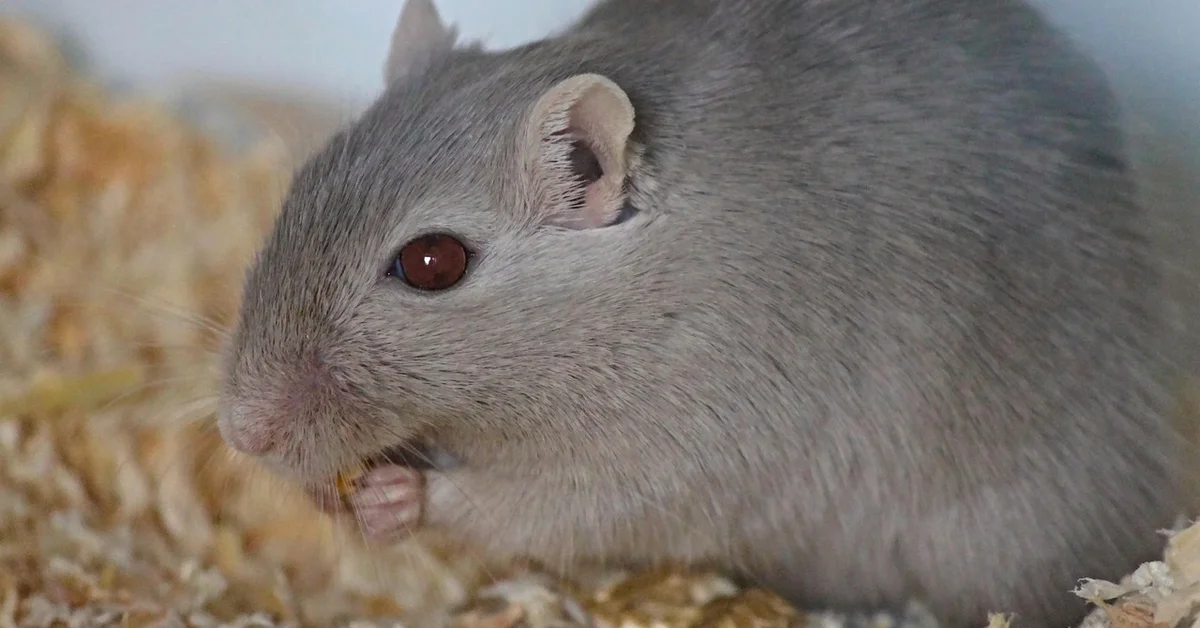
A mouse’s fur is a direct reflection of their internal health, and what you feed them makes all the difference. Think of their coat as a delicate fabric that needs the right raw materials to stay strong and lustrous. Providing a high-quality lab block as their dietary staple is the single most important thing you can do for their coat. These blocks are scientifically formulated to prevent selective eating and ensure they get a complete profile of vitamins and minerals.
Beyond the base diet, certain coat types have amplified needs. My mouse Kenny, with his sleek but dense fur, thrives with a little extra protein from mealworms or scrambled egg. For long-haired or rex-coated mice, omega fatty acids become critical for preventing dry, brittle fur; a tiny drop of flaxseed oil on a treat once a week works wonders. I always supplement with small, safe fresh foods like broccoli florets and peas, which are packed with nutrients that support skin integrity and a glossy coat.
- High-quality lab block: The non-negotiable foundation.
- Animal-based protein: Mealworms, cooked egg, or plain chicken for muscle and fur growth.
- Omega-rich foods: Flaxseed, chia seeds, or a speck of salmon for moisture and shine.
- Vitamin-rich veggies: Broccoli, kale, and peas for overall vitality.
Recognizing Poor Coat Health
Learning to read your mouse’s coat is like learning a new language; it tells you exactly what is going on inside. A healthy coat should lie flat and feel soft and springy to the touch. The first sign of trouble is often a greasy, unkempt appearance, which can point to stress, illness, or an inability to groom properly. This is something I watch for with my older mouse, Gregory, as mobility can sometimes become an issue.
Bald patches are a major red flag. While a little thinning over the hips in an older mouse can be normal, sudden or symmetrical hair loss needs a vet’s attention. Dandruff-like flaking often indicates mites or a fungal issue. A dull, brittle coat that lacks its usual luster is a classic sign of nutritional deficiencies, particularly a lack of protein or essential fatty acids. If your mouse’s coat looks like it’s having a bad day that lasts for more than a day or two, it’s time to investigate further.
- Greasy, sticky fur: Often a sign of stress, pain, or overactive scent glands.
- Bald patches: Can indicate barbering (by themselves or a cage mate), parasites, or ringworm.
- Flaky skin: A common symptom of mites or a poor diet.
- Dull, thin fur: Suggests a lack of crucial nutrients in their daily meals.
Skin Monitoring by Coat Type
Checking Skin Under Dense Coats
Mice with plush, thick coats like rexes or long-haired varieties can hide skin problems under a beautiful facade. You must be a bit of a detective with these fluffballs. I make a habit of gently blowing against the direction of the fur growth to part the hair and get a clear look at the skin underneath. Do this during a calm, handling session when your mouse is relaxed, perhaps while they’re nibbling a favorite treat. It’s also a good practice before show grooming or taming sessions.
Look for any redness, scabs, or tiny moving specks that could signal parasites. Pay special attention to the neck, behind the ears, and along the back. Run your finger lightly over their skin; you should feel smoothness, not bumps, crusts, or excessive oiliness. This simple tactile check can reveal issues long before they become visible to the naked eye. For my bold mouse Kenny, this is a quick part of our playtime, but for a nervous mouse like Jeffery, I keep the sessions very short and reassuring.
Advantages of Hairless Varieties
While hairless mice require special care for temperature regulation, they offer a unique advantage for a pet owner: complete transparency. With a hairless mouse, you have an unobstructed view of their largest organ, allowing you to spot the earliest signs of trouble. Any scratch, rash, or unusual bump is immediately visible, enabling you to address it before it becomes a serious health issue.
Their skin needs regular, gentle moisturizing with a vet-approved, unscented product to prevent dryness and cracking. This daily or weekly ritual of applying a light balm is not just maintenance; it’s a perfect opportunity for a full-body health inspection and bonding. You can easily monitor their weight, check for any new growths, and ensure their skin remains supple and healthy.
Environmental Adjustments for Different Coats
Temperature Needs
A mouse’s coat is their built-in thermostat, and we must adjust their room’s climate accordingly. Standard short-haired mice are comfortable at typical room temperatures, but other types are not. Hairless mice are exceptionally vulnerable to cold and need their environment kept consistently between 75-80°F (24-27°C). I use a small space heater on a thermostat in the room, never a heat lamp in the cage, to avoid dangerous burns.
Long-haired and very dense-coated mice are the opposite; they can overheat easily. Ensure their habitat is in a cool, well-ventilated part of the room, away from direct sunlight or heating vents. I always provide a ceramic or stone tile in the cage that stays cool for them to sprawl out on during warmer days. Monitoring their behavior is key-if they are constantly panting or lethargic, it’s too warm.
Bedding Selection
The substrate you choose for your mouse’s home interacts directly with their coat every single day. The wrong bedding can lead to matting, irritation, and even health problems. For long-haired mice, avoid dusty, loose substrates like fine shavings that can cling to and tangle their beautiful fur. I’ve found that a layer of soft paper-based bedding topped with strips of unscented toilet paper or tissue for nesting works perfectly. Pair this with gentle, regular grooming and quick spot-checks so you can remove small tangles before they turn into mats. Keeping nesting material clean and dry further reduces the risk of matted fur.
For all mice, but especially hairless ones, dust is the enemy. It can clog pores and cause skin irritation. Low-dust paper beddings or aspen shavings are my top choices because they are highly absorbent and gentle on sensitive skin. When shopping for the best dust-free beddings for mice, look for products labeled “low-dust” or “dust-extracted”—paper-based and aspen options usually meet that standard. I stay far away from cedar and pine shavings, as the phenols they release can cause respiratory and liver issues over time. A clean, dry, and soft environment is the best accessory for any coat type.
- Long-haired/Rex: Paper bedding topped with nesting material. Avoid loose, sticky substrates.
- Hairless: Ultra-soft, low-dust paper bedding. Ensure it’s always dry to prevent sores.
- Standard Short-haired: Paper bedding or aspen shavings. Focus on absorbency and odor control.
Shedding Patterns Across Coat Types
Mice shed their fur regularly, but the pattern depends heavily on coat type and individual genetics. Short-haired varieties like Kenny’s light gray coat tend to shed in small, consistent amounts year-round, making it less noticeable but requiring regular attention. You might find tiny tufts in their bedding or on your hands after handling.
Longer or denser coats, similar to what some fancy mice have, often shed more visibly and may follow seasonal cycles. During spring and fall, you could see increased shedding as their bodies adjust to temperature changes, which means extra grooming sessions are a must. This helps prevent loose hair from causing skin irritation or digestive issues if ingested.
- Short-haired mice: Shed minimally and evenly; check for loose fur during weekly handling.
- Medium or wavy coats: May shed in clumps; use a soft brush to manage shedding peaks.
- Dense or long-haired types: Shed heavily in seasons; increase brushing to twice weekly.
From my experience, Jeffrey’s white, fine fur sheds in quick, light bursts, especially when he’s active or stressed. Monitoring shedding habits helps you spot health changes early, like bald patches or excessive loss that could signal mites or diet issues. Always keep an eye on their coat condition during playtime.
Understanding Mouse Hair Care Needs
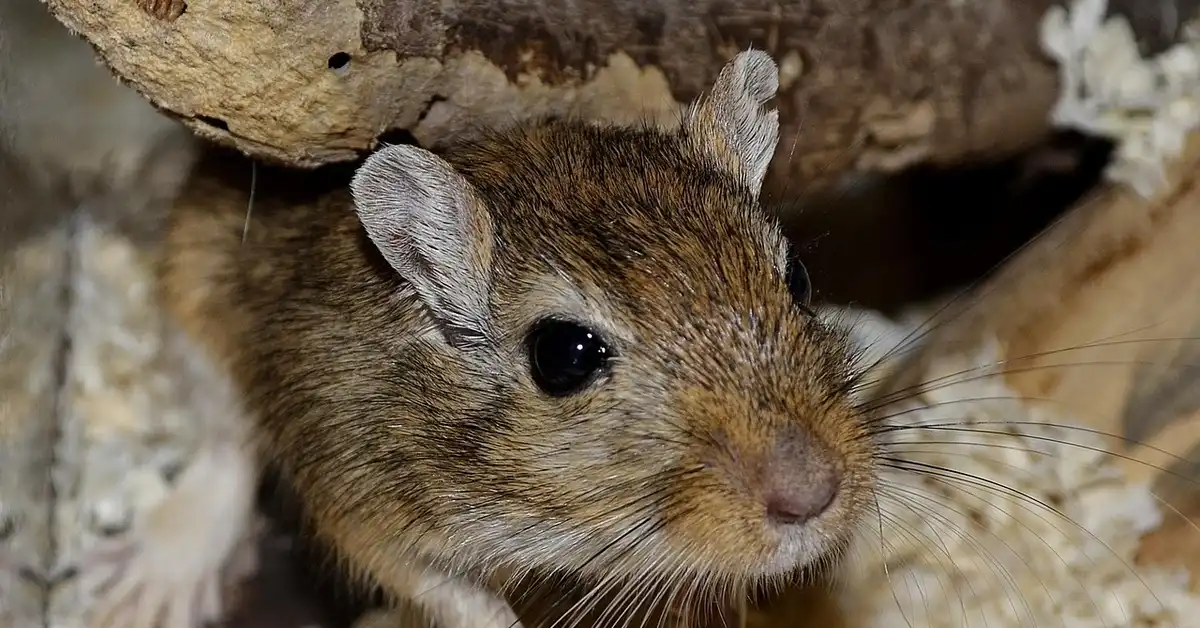
Coat type directly influences how you groom and maintain your mouse’s fur. For short-haired mice, a gentle wipe with a damp cloth or soft toothbrush once a week removes loose hair and keeps their coat shiny without overwhelming them. This mimics their natural grooming and strengthens your bond. Mice are meticulous self-cleaners, using their paws and tongue to remove dirt and distribute oils. Your gentle weekly wipe simply complements their self-grooming and helps you spot any issues early.
Mice with thicker or longer fur need more focused care to prevent mats and tangles. I use a small, fine-toothed comb for Gregory’s dark brown coat, working slowly to avoid pulling on his skin, which he tolerates well due to his calm nature. Regular grooming sessions also let you check for parasites or sores hidden under the fur. Watch for signs like excessive itching, scabs, or patches of hair loss, which can indicate mites, fungal infections, or other skin problems. If you notice these, consult a veterinarian promptly for diagnosis and treatment.
- Assess your mouse’s coat length and texture during each handling session.
- Choose tools accordingly: soft brushes for short hair, combs for longer types.
- Groom in a quiet, familiar space to reduce stress, aiming for 2-5 minutes per session.
- Reward with a small treat, like sunflower seeds for Kenny, to create positive associations.
Diet plays a role too, as proper nutrition supports healthy fur growth and reduces shedding. Including omega-rich foods, such as flaxseed or a bit of aged cheese for older mice like Gregory, can improve coat resilience and shine. Watch for changes in fur texture-if it becomes dull or brittle, it might be time to adjust their diet or consult a vet.
Finally, environmental factors like humidity and cage cleanliness affect hair health. Keeping their living area dry and well-ventilated minimizes fur matting and skin problems, ensuring your mouse stays comfortable and happy. Simple adjustments, like using dust-free bedding, make a big difference in daily care.
Frequently Asked Questions
How can I assess my mouse’s specific hair care needs?
You can evaluate your mouse’s hair care requirements by observing their coat type, texture, and daily behavior. For example, if you notice frequent scratching or a dull appearance, it may indicate a need for adjusted grooming or diet. Consider factors like shedding patterns and skin condition under the fur to tailor your care routine effectively.
What tools are essential for maintaining different mouse coat types?
Essential tools vary by coat type: soft-bristled brushes work well for short coats to distribute oils, while fine-toothed combs are better for long-haired mice to prevent tangles. For curly coats, gentle finger-combing is ideal to avoid breakage. Always have clean cloths for spot-cleaning and blunt-tipped scissors for safe mat removal if needed.
How does diet influence my mouse’s coat health?
A balanced diet rich in protein and omega fatty acids supports strong, shiny fur and reduces issues like brittleness or excessive shedding. Incorporate high-quality lab blocks as a base, and supplement with small amounts of fresh veggies or omega-rich foods like flaxseed. Monitor your mouse’s coat for changes, as dullness can signal nutritional gaps.
Your Path Forward
Your mouse’s coat is a beautiful, living map that guides you directly to their unique needs. Whether you’re caring for a sleek single-coated explorer or a fluffy long-haired friend, the adjustments you make in their grooming and environment are simple acts of profound understanding.
The most rewarding part of this journey is watching your careful attention translate into a vibrant, happy, and healthy companion. Trust your observations, embrace the small daily routines, and enjoy the special bond that comes from providing truly thoughtful care.
Further Reading & Sources
Isabella is a passionate small pet enthusiast with over 8 years of experience in caring for mice. She loves sharing practical tips and heartfelt stories to help fellow mouse owners provide the best care for their tiny companions.
Mice Grooming