
Understanding Coprophagy: The Normal (But Strange) Habit of Eating Poop
Have you ever spotted your pet mouse munching on its droppings and felt a wave of worry or disbelief?
As a dedicated mouse owner who has witnessed this behavior many times, I am here to guide you through the facts and ease your mind. This article will explain the surprising science behind coprophagy, its vital role in nutrient absorption, and how to recognize when it’s a healthy part of your mouse’s routine.
What Is Coprophagy and Why Does It Happen?
Coprophagy is the scientific term for the consumption of feces, a behavior that might seem bizarre to us but is a cornerstone of health for many small herbivores, including our pet mice. This isn’t a sign of sickness or a bad habit; it’s a sophisticated biological recycling system. Mice produce two distinct types of droppings, and understanding the difference is key to appreciating this process.
The first type is the hard, dry, oval pellet you commonly find in their enclosure. These are the true “waste” products. The second type, called cecotropes, are the stars of the show. Cecotropes are softer, stickier, and often clumped together, produced in a part of the gut called the cecum. They are packed with beneficial bacteria and nutrients that were not fully absorbed the first time through the digestive system.
Your mouse will consume these cecotropes directly from its anus, a behavior you might only catch a glimpse of as it’s usually done quickly and discreetly. By re-ingesting these special droppings, your mouse is giving its body a second chance to absorb vital B vitamins, vitamin K, and volatile fatty acids. This process is fundamental for their digestive health and overall well-being.
The Crucial Benefits for Your Mouse
- Maximizes Nutrient Absorption: Essential vitamins synthesized by gut bacteria are captured.
- Promotes Gut Health: Reintroduces a healthy population of microbes to maintain a balanced digestive system.
- Aids in Digestion: Helps break down complex fibers from their food that are tough to process in a single pass.
Is It Normal for Pet Mice to Eat Their Own Poop?
Seeing your mouse engage in coprophagy can be startling, but please rest assured, it is perfectly normal and expected. If your mouse is eating its cecotropes, it is a clear indicator of a healthy, functioning digestive system. You should be far more concerned if you never witness this behavior, as it could signal an underlying health issue.
From my own experience, my young, energetic mouse Kenny is often the one I see most frequently partaking. His fast metabolism and adventurous nature mean his body is constantly working to fuel his antics. Watching him has taught me that this is a natural, vital part of a mouse’s daily routine, not a quirky anomaly.
When Poop-Eating Is a Cause for Concern
While coprophagy itself is healthy, the context is everything. You need to distinguish between the normal consumption of cecotropes and other behaviors that might point to a problem.
| Normal & Healthy Behavior | Potential Red Flags |
|---|---|
| Eating soft, clumped cecotropes directly from the anus. | Consistently eating the hard, dry waste pellets found in the bedding. |
| Behavior is quick, discreet, and happens during rest periods. | Obsessive searching for and consuming any droppings. |
| The mouse appears healthy, active, and maintains a good weight. | Accompanied by signs of illness like lethargy, weight loss, or a messy coat. |
A sudden, obsessive interest in all feces, especially the hard waste pellets, can sometimes indicate a nutritional deficiency or illness. If you notice this, alongside any other symptoms of sickness, a visit to a qualified exotic veterinarian is the best course of action. For a happy, healthy mouse, coprophagy is simply part of the menu. If you need to take a mouse to the vet, transport it in a secure carrier lined with soft bedding and keep it warm and quiet to minimize stress. If possible, bring a fresh fecal sample and a short list of symptoms and dietary details to help the veterinarian.
Why Do Mice Eat Their Feces? The Biological Reasons
Nutrient Recovery and Digestive Efficiency
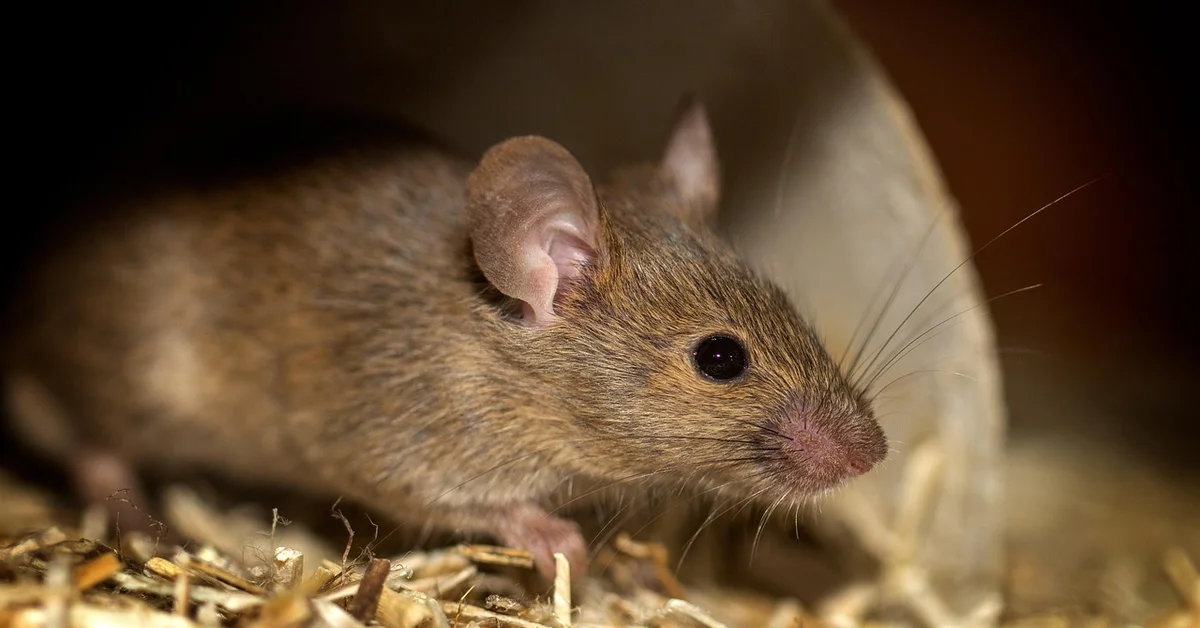
Your mouse’s digestive system is a marvel of biological engineering, but it’s not perfect on the first pass. Mice practice coprophagy primarily to absorb vital nutrients like B vitamins and vitamin K that their gut bacteria produce but their initial digestion misses. Think of their first trip through the digestive tract as a quick, initial sweep—it grabs the easy-to-access energy but leaves behind many of the complex, microbially-produced nutrients. By consuming these special droppings, your pet gets a second chance to absorb these essential compounds. This process maximizes the nutritional value from every single bite of food they eat, which is a fantastic survival adaptation for a small creature with a fast metabolism.
Cecotrophy: The Special Type of Poop Mice Produce
It’s not all poop that’s on the menu. Mice specifically produce and consume a softer, stickier type of dropping called a cecotrope. Cecotropes are nutrient-rich pellets produced in the cecum, a specialized pouch in their digestive tract where fermentation occurs. Unlike their normal, hard, waste feces, cecotropes are packed with proteins, vitamins, and beneficial bacteria. You will rarely see these, as mice typically consume them directly from their anus, often during periods of rest. This targeted consumption is a world away from randomly eating any dropping they find; it’s a deliberate, efficient recycling system. This efficiency reduces their immediate need to forage and helps them conserve resources, which connects directly to another common behavior: hoarding. Mice will often hide and cache extra food in nests or crevices to secure access to these valuable nutrients and to protect them from competitors.
Evolutionary and Environmental Factors
This behavior is deeply rooted in their evolutionary history. For small prey animals like mice, evolutionary pressure favored any trait that maximized energy extraction and minimized time spent in vulnerable, exposed situations like foraging. Coprophagy meant they could derive more sustenance from a single, safe meal hidden in their nest, rather than needing to venture out repeatedly. In a domestic setting, this ancient instinct remains, a testament to the incredible efficiency of these little creatures. Even my most well-fed mouse, Kenny, still follows this deeply ingrained routine.
When Does Coprophagy Become a Concern in Pet Mice?
Signs Your Mouse May Have Nutritional Deficiencies
While coprophagy is normal, an *increase* in this behavior can be a red flag for a poor diet. If your mouse seems obsessed with eating all feces, not just the cecotropes, it could be a sign their primary diet is lacking in key nutrients. Watch for these potential indicators of a dietary problem:
- A sudden, noticeable increase in the consumption of hard fecal pellets.
- Poor coat condition, appearing dull, rough, or patchy.
- Low energy levels or a lack of interest in their usual playful activities.
- Weight loss despite having a seemingly good appetite for their regular food.
Refer to the mouse food pyramid diet to ensure they’re getting a balanced intake of staple pellets, fresh vegetables, proteins, and only limited treats. Adjusting their feed to match that pyramid can often correct nutrient gaps and reduce excessive coprophagy.
Stress-Related Behavior and Psychological Factors
Mice are sensitive creatures, and their mental state directly impacts their behavior. Chronic stress from a noisy environment, an unsuitable cage mate, or a barren habitat can sometimes manifest as obsessive coprophagy. This isn’t for nutrition; it’s a displacement activity, similar to how a nervous person might bite their nails. My mouse Jeffery went through a brief phase of this when I first introduced him to the group, his natural anxiety briefly latching onto this behavior until he felt more secure. A happy, enriched mouse will still engage in normal cecotrophy, but not as a constant, frantic activity.
Health Risks: Parasites and Bacterial Infections
The main danger arises not from the act itself, but from what might be in the feces. If your mouse has a parasitic or bacterial gut infection, consuming their feces can create a vicious cycle of reinfection, preventing them from recovering. This is why monitoring the quality of the droppings is so vital. Soft, unusually smelly, or discolored feces are not normal and should not be recycled. In these cases, the coprophagic habit moves from a beneficial practice to one that actively undermines their health.
How to Know If Your Mouse’s Poop-Eating Habit Needs Attention
What Normal Coprophagy Looks Like
Normal, healthy coprophagy is a discreet, efficient process. You will typically see your mouse curl gently, reach around, and quickly consume a soft, often shiny cecotrope directly from the source. It’s a quiet behavior, often done during a calm moment of grooming or resting. The droppings you find in the cage bedding will be the normal, hard, waste pellets that they have deliberately left behind. This is the sign of a well-functioning digestive system, not a cause for alarm.
Red Flags That Indicate a Problem
It’s time to pay closer attention and potentially consult a veterinarian if you observe any of the following:
- Your mouse is actively seeking out and consuming the hard, waste pellets scattered around the cage.
- The behavior appears frantic or obsessive, interrupting normal eating, drinking, and sleeping patterns.
- You notice a decline in their overall condition-weight loss, lethargy, or a scruffy coat-alongside the behavior.
- The feces themselves are abnormal: consistently soft, diarrhea-like, contain mucus, or have a very strong, foul odor.
Trust your instincts; you know your mouse’s normal rhythms and routines better than anyone. A change in this very personal habit is often one of the first indicators that something is amiss.
Should You Try to Stop Your Mouse From Eating Poop?
When to Leave It Alone
In the vast majority of cases, you should absolutely not interfere with this natural behavior. Coprophagy is a vital, built-in digestive process for your mouse, designed by nature to extract every last bit of nutrition from their food. When I see my mouse, Kenny, engaging in this, I know his little body is just being efficient. They are consuming special soft droppings called cecotropes, which are packed with B vitamins and beneficial gut bacteria that weren’t absorbed the first time through. Trying to stop this is like trying to stop a cow from chewing its cud—it’s a fundamental part of how their system works. That said, paying attention to changes in the appearance, texture, frequency, or smell of both normal droppings and cecotropes can tell you a lot about your mouse’s digestive health. This guide will help you recognize which poop changes are normal and which warrant further monitoring or veterinary care.
- It is a normal, healthy behavior observed in all healthy mice.
- Your mouse is specifically seeking out nutrient-rich cecotropes, not random waste.
- Preventing it could lead to serious vitamin deficiencies and digestive upset.
When Intervention Makes Sense
While the act itself is normal, a sudden increase in coprophagy or a mouse that seems obsessed can be a red flag. You should consider the context and look for underlying issues if the behavior seems frantic or is paired with other symptoms. My older mouse, Gregory, once went through a phase of this when his diet was inadvertently changed, and it was his way of telling me something was off. Intervention isn’t about stopping the behavior, but about fixing what’s causing the distress.
- Your mouse is losing weight or has a dull, rough coat despite eating.
- You notice them eating hard, dry fecal pellets instead of the soft cecotropes.
- The behavior is excessive and seems linked to stress or boredom in their environment.
- It begins suddenly alongside other changes like lethargy or a lack of grooming.
Improving Your Mouse’s Diet and Environment to Address Coprophagy
Diet Changes and Nutritional Supplements
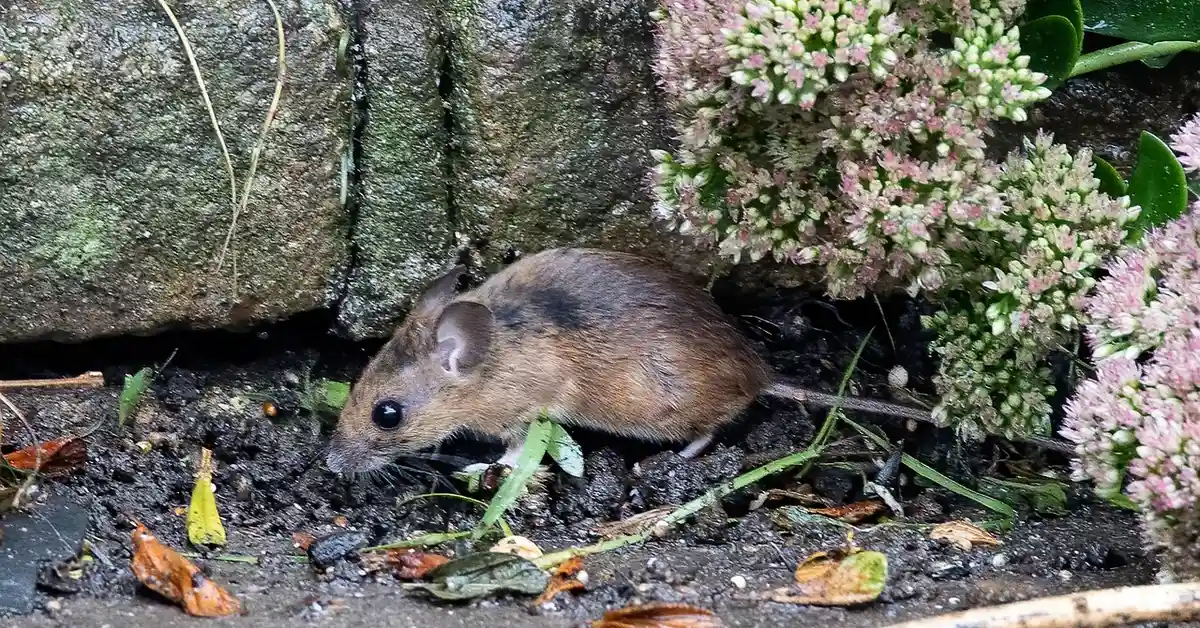
If you’re concerned, the very first place to look is the food bowl. A high-quality, nutritionally complete lab block should be the cornerstone of your mouse’s diet, as it’s formulated to prevent deficiencies. I found that once I switched my boys to a more reliable brand, their need to seek out extra nutrients visibly stabilized. Supplements and treats are wonderful, but they should complement, not replace, a balanced main diet.
- Prioritize a nutritionally complete pellet or lab block over seed mixes, which can lead to selective eating and imbalances.
- Offer small, varied treats like a bit of scrambled egg, mealworm, or fresh vegetables to provide a natural spectrum of nutrients.
- Ensure constant access to clean, fresh water, as dehydration can impact nutrient absorption.
- Avoid over-supplementing; too much of a good thing can be harmful and disrupt their gut balance.
Cage Hygiene and Cleaning Practices
A clean cage is a healthy cage, but there’s a balance to strike. You want to maintain cleanliness without sterilizing the environment so thoroughly that you remove all the beneficial bacteria your mouse needs. I practice spot-cleaning daily, removing soiled bedding and visible waste, but I do a full, deep clean only once a week. This method ensures the cage stays fresh but doesn’t completely reset the delicate microbial ecosystem that aids their digestion. Here’s a simple daily–weekly–monthly cleaning schedule for mouse cages you can follow. It outlines which quick tasks belong in your daily routine and which deeper chores should be done weekly or monthly.
- Perform daily spot-cleaning to remove soiled bedding and old food.
- Schedule a full cage clean once a week, but avoid using harsh chemical cleaners.
- When you clean, leave a handful of the old, cleanest bedding behind to help maintain a stable scent profile and microbiome.
- Ensure the cage is completely dry before adding new bedding to prevent mold and ammonia buildup.
Enrichment and Stress Reduction
Sometimes, what looks like a nutritional issue is actually a behavioral one rooted in stress or boredom. Providing a complex, engaging habitat gives your mouse healthier outlets for their natural instincts, reducing anxiety-driven behaviors. My anxious little Jeffery became much more relaxed and less fixated on certain habits once I filled his world with tunnels, dig boxes, and foraging opportunities.
- Create a deep bedding layer for burrowing and tunneling, which is a deeply satisfying natural behavior.
- Provide a constant rotation of safe chew toys, cardboard tubes, and wooden structures.
- Introduce a solid-surface exercise wheel for physical activity and mental stimulation.
- Use foraging toys and scatter feeding to make your mouse work for their food, mimicking natural hunting and gathering behaviors.
When to Seek Veterinary Advice for Coprophagy
Symptoms That Require a Vet Visit
While coprophagy is a normal part of your mouse’s digestive process, certain changes in their behavior or droppings can signal a health problem. You should contact your veterinarian if you observe any of the following symptoms alongside their usual poop-eating habits. To tell if your mouse is in pain, watch for subtle signs like teeth grinding, reduced grooming, reluctance to be handled, or sensitivity to touch. These pain indicators, combined with changes in droppings or behavior, are reason to seek veterinary care. A sudden, dramatic increase in how much cecotrope they are consuming can sometimes point to dietary deficiencies or malabsorption issues. Watch for lethargy, where your typically active mouse becomes unusually still and uninterested in exploring or playing. A hunched posture, often with puffed-up fur, is a classic sign of pain or discomfort in small animals. Diarrhea or very soft, watery droppings are a clear red flag that something is wrong internally. Finally, a noticeable loss of weight, even if they seem to be eating normally, always warrants a professional opinion.
- A dramatic, sudden increase in cecotrope consumption
- Lethargy and lack of interest in normal activities
- A hunched posture with puffed-up fur
- The presence of diarrhea or abnormally soft stools
- Unexplained weight loss
What to Tell Your Vet
Preparing the right information for your vet will help them diagnose any potential issues much faster. Being a good observer of your mouse’s daily life provides your vet with the crucial clues they need. Start by describing their exact diet, including brand names of food blocks, types of fresh treats, and how often you provide them. Note any recent changes you’ve made. Detail their living environment, including cage size, the type of bedding you use, and how many cage mates they have. Be prepared to describe the specific symptoms you’ve seen, when they started, and how frequently they occur. It’s also helpful to mention your mouse’s normal energy levels and personality so the vet has a baseline for comparison. Don’t be embarrassed to explicitly mention the coprophagy; it’s a normal behavior they fully understand.
- Describe their complete diet and any recent changes.
- Detail their cage setup, bedding, and social group.
- List the specific symptoms and their timeline.
- Note their normal personality and energy for contrast.
- Explicitly mention you’ve observed them eating their droppings.
Understanding Coprophagy in Other Pets and Animals
How Mouse Coprophagy Differs From Dogs and Rabbits
The biological reasons behind coprophagy are not the same across all species, and understanding these differences helps you care for each pet appropriately. For mice, this behavior is a finely-tuned nutritional recycling system, not a bad habit. If you’re wondering “coprophagy — why mice eat poop?”, it’s simply an adaptive way for them to reclaim nutrients they can’t absorb on the first pass. Recognizing this helps you distinguish normal behavior from signs of illness. They are specifically seeking out their soft, nutrient-packed cecotropes, which are produced in a part of the gut called the cecum, to fully absorb vitamins like B and K. In contrast, when a dog eats its own or another animal’s feces, it is rarely for nutritional benefit. This can stem from behavioral issues like boredom or anxiety, or from medical problems like pancreatic insufficiency or parasites. The motivation and the type of feces consumed are completely different.
Rabbits also practice cecotrophy, much like mice, but their process is often more visible to owners. A rabbit will typically produce and consume their cecotropes during a specific, quiet time, often at night or early morning. You might see them reaching directly to their anus to eat the soft, clumpy droppings. While the underlying purpose is similar to a mouse’s, the sheer size of a rabbit makes the behavior more obvious. If a rabbit stops eating its cecotropes, it is a serious medical concern, whereas a mouse’s consumption is so discreet you may rarely witness it at all. The core principle remains: for these small herbivores, it’s a vital digestive function, not a problem to be solved.
- Mice: A targeted, nutritional process for absorbing vitamins from special cecotropes.
- Dogs: Often a behavioral or medical issue, involving the consumption of any feces.
- Rabbits: A similar cecotrophic process to mice, but more visible and time-specific.
Frequently Asked Questions
Is there a PDF resource available to help understand coprophagy in mice?
While this article covers the essentials, some owners may prefer a downloadable PDF for quick reference or sharing. You can often find reliable, scientifically accurate PDF guides on reputable pet care websites, through exotic veterinarian associations, or in academic resources focused on small animal nutrition.
It’s important to verify that any external PDF is specific to mice or small herbivores, as information tailored to other animals might not apply. Always cross-reference with trusted sources to avoid misinformation about this normal behavior.
Does coprophagy occur in humans, and how does it differ from mice?
Coprophagy in humans is not a normal or healthy behavior and is extremely rare. It is typically associated with certain psychiatric conditions, such as pica or coprophagia, or may occur in cases of severe cognitive disorders like dementia.
Unlike in mice, where coprophagy is a vital digestive process for nutrient recycling, in humans it serves no nutritional purpose and is considered a sign of underlying medical or psychological issues that require professional evaluation and treatment.
What is the coprophagy cycle in animals like mice?
The coprophagy cycle refers to the repetitive process where animals like mice produce and consume specific types of feces to maximize nutrient absorption. In mice, this involves creating soft, nutrient-rich cecotropes in the cecum, which are then re-ingested to capture essential vitamins and beneficial bacteria missed during the first digestion.
This cycle is a natural, efficient system that occurs discreetly during rest periods and is crucial for maintaining digestive health. It differs from random feces consumption, as it targets only the cecotropes, ensuring optimal nutrient uptake without wasting energy.
Your Path Forward
Seeing your mouse engage in coprophagy is simply witnessing a perfectly normal, healthy biological process in action. This behavior is a vital part of their digestive system, allowing them to absorb essential nutrients that were missed the first time around. It is common in house mice (Mus musculus) across a range of habitats—from fields to human homes—and is an important aspect of their diet and behavior. Reingesting nutrient-rich feces helps them maximize food intake and thrive even when resources are limited.
Trust that your curious companions, like my own Kenny and Gregory, know exactly what their bodies need to thrive. Your role is to provide a balanced diet and a clean habitat, then step back and appreciate the fascinating ways they’ve adapted to stay healthy.
Further Reading & Sources
- Coprophagia – Wikipedia
- COPROPHAGY Definition & Meaning | Merriam-Webster Medical
- The Pathophysiology and Management of Coprophagia: A Report of Two Cases and Literature Review – PMC
Isabella is a passionate small pet enthusiast with over 8 years of experience in caring for mice. She loves sharing practical tips and heartfelt stories to help fellow mouse owners provide the best care for their tiny companions.
Common Behavioral Issues