
Navigating Pet Mice Care: Your Guide to a Happy, Healthy Habitat
Are you feeling uncertain about how to provide the best life for your pet mice, from diet to social dynamics?
This guide offers practical, easy-to-follow advice based on years of hands-on experience, ensuring you can confidently meet your mice’s needs. We’ll explore everything from selecting the right enclosure and nutrition to handling techniques and health monitoring, so you can build a thriving environment for your small companions.
Defining Culling in the Context of Pet Mice
When we talk about culling in a pet mouse context, we are referring to the deliberate human intervention to end a mouse’s life for specific, welfare-focused reasons. This is not a casual decision but a considered action taken to prevent future suffering. It is a practice rooted in the heavy responsibility of stewardship over the lives in our care.
For the average pet owner, this concept surfaces in heartbreaking scenarios. You might face a mouse with a severe, untreatable respiratory infection, a debilitating neurological condition, or a painful physical deformity that prevents normal movement. The act of culling, in these instances, becomes a final act of kindness to halt unmanageable pain.
Common Misconceptions About Culling Mice
Many people outside of dedicated animal husbandry circles misunderstand the purpose and application of culling. Let’s clarify some frequent points of confusion.
- Culling is not about creating a “perfect” looking mouse. It is not performed for superficial traits like a slightly off-color coat or minor cosmetic variations. The focus remains squarely on health and welfare.
- It is not a substitute for proper veterinary care. A responsible owner will always seek treatment and pain management first. Culling is a last resort when no quality of life remains.
- The goal is not to strengthen a bloodline for show purposes in a typical pet home. For most of us, our ethical duty is to our individual pets, not to an abstract genetic legacy. Our primary goal is their well-being, not their pedigree.
- It is not an easy way out. This is perhaps the most significant misconception. Making this choice is emotionally devastating. It is a burden borne out of love and a commitment to prevent suffering, not to avoid it.
Ethical Foundations of Culling in Mouse Breeding
The ethical landscape here is complex and deeply personal. At its core, the dilemma pits our compassionate instinct to preserve life against our equally powerful duty to prevent torment. I believe our moral obligation extends beyond simply keeping an animal alive; it compels us to ensure the life they have is worth living.
From my experience, a mouse that cannot breathe comfortably, cannot move to reach food and water, or is in constant, visible distress is not experiencing a life a caring owner would wish for them. Watching a mouse struggle through each day changes your perspective on what it truly means to care for a creature, especially when it’s showing signs of learned helplessness in a barren environment. The ethical high ground, in my view, is defined by the animal’s experience, not our own reluctance to make a painful decision.
Weighing Animal Welfare Against Genetic Goals
This is where the path becomes particularly difficult for those who may have a litter. While serious, preservation-focused breeders might consider genetics, the pet mouse owner’s focus must remain unwaveringly on welfare. Ethical breeders of pet mice prioritize humane housing, socialization, and careful, responsible placement of offspring. They commit to transparency with buyers and ongoing welfare monitoring throughout the mice’s lives.
- Welfare is immediate and tangible. You can see pain in a mouse’s hunched posture, hear it in their labored breathing, and observe it in their inability to perform natural behaviors like burrowing or climbing.
- Genetic goals are long-term and abstract. Considering whether a mouse might pass on a predisposition for tumors is a speculative concern. The mouse in front of you that is suffering from a large, inoperable tumor is a present and urgent reality.
- Your primary role is that of a guardian. Your first and most important job is to the individual animal in your hands. Making decisions based on their current, observable quality of life is the most direct application of your ethical duty.
I have found that the clearest guideline is to ask one simple, heartbreaking question: Am I keeping this mouse alive for them, or for me? When the answer points toward alleviating your own feelings of loss or guilt, it is often a sign that the animal’s welfare needs to be the priority. As an ethics influencer who puts mouse welfare first, I remind followers that care decisions should center the mouse’s well-being, not the caretaker’s comfort or image. Let this principle guide every post, every recommendation, and every moment with a pet mouse.
Establishing Clear Culling Criteria for Mice
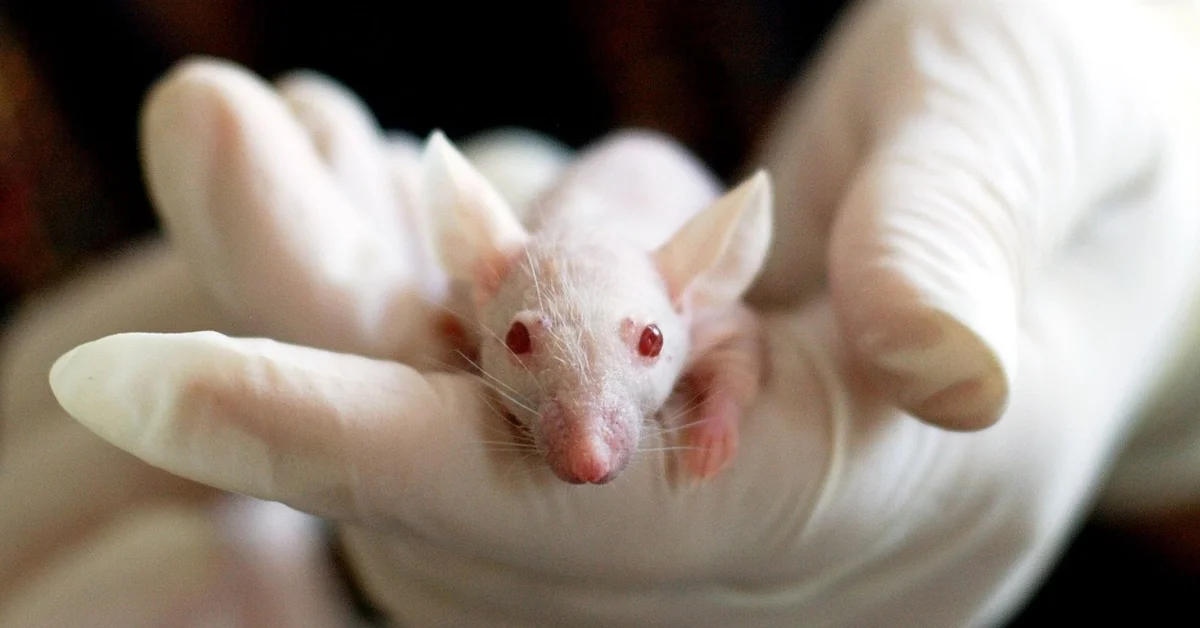
Health and Genetic Red Flags in Mice
Creating a set of clear, written standards before a litter is even born is the most responsible step a breeder can take. This removes emotional decision-making in a moment of crisis and ensures every choice is made for the long-term health of your mouse line. I keep a printed checklist in my breeding records that I review constantly.
Health issues that appear after birth often point to deeper genetic problems. You must be a vigilant observer from day one, especially when it comes to potential genetic links to health problems.
- Visible Congenital Defects: This includes cleft palates, limb deformities that prevent normal movement, or neurological conditions like a severe head tilt or constant circling. A pup that cannot nurse or move properly will not thrive.
- Failure to Thrive (FTT): This is a key indicator. A pup that is significantly smaller than its littermates, appears weak, and fails to gain weight despite the mother’s care is likely not viable. In my experience, these pups rarely catch up.
- Chronic and Hereditary Illness: Watch for symptoms that point to weak genetics, such as chronic respiratory infections that don’t resolve, severe malocclusion (overgrown teeth), or early-onset tumors that appear in young mice.
Genetic red flags require looking at the bigger picture across multiple litters. It involves difficult pattern recognition.
- Recessive Gene Expression: If a particular defect or illness appears repeatedly in litters from the same parent mice, those parents are likely carriers of a harmful recessive trait and should be retired from your breeding program.
- Temperament Issues: Extreme, unprovoked aggression that is consistent and makes a mouse a danger to its cagemates can be a heritable trait. A peaceful colony depends on selecting for calm temperaments.
- Poor Maternal Instincts: A doe that consistently fails to care for her young, cannibalizes healthy pups, or is excessively stressed by motherhood may be passing on these behavioral traits.
Humane Procedures for Culling Mice
Once the difficult decision has been made, the method must be swift, painless, and performed with the utmost respect for the animal. The primary goal is to ensure a quick and painless passing, minimizing any fear or distress for the mouse. This is the final act of care you can provide. In a complete care guide for zebra mice, end-of-life decisions are addressed alongside daily welfare and long-term comfort. A complete care guide for zebra mice also emphasizes compassionate, informed care across all life stages.
The only methods considered humane for neonatal mice (pinkies) are those that cause immediate loss of consciousness. However, debates about humane euthanasia also examine practices such as freezing or drowning of mice, which many welfare guidelines consider inhumane due to the potential for distress. In humane practice, the focus remains on methods that achieve rapid unconsciousness with minimal suffering.
- Rapid Decapitation with Sharp Scissors: This is a quick and painless method for very young pups when performed correctly by a trained individual. It must be instantaneous.
- Conscious Cervical Dislocation: This technique, which requires specific training, quickly separates the spinal cord from the brain, causing immediate unconsciousness.
For older weaned mice, the only method I ever recommend is consultation with a veterinarian for humane euthanasia. They have access to injectable anesthetics that cause a peaceful and painless death, which is the gold standard. Do not attempt methods like CO2 chambers at home; without precise equipment, they can cause significant suffering. Some readers also review humane no-kill mouse traps as alternatives. When evaluating these traps, prioritize models that securely contain the mouse and allow for safe release far from your home.
Ensuring Compassionate Handling
Compassion is the thread that must run through every part of this process, from decision to final action. The mouse’s welfare is the singular focus.
- Minimize Handling Stress: Keep the mouse in a familiar, small transport container with bedding from its home cage. Handle the mouse gently and confidently to avoid increasing its anxiety.
- Create a Calm Environment: Perform the procedure in a quiet, private space. Sudden loud noises or bright lights can frighten the animal in its final moments.
- Your Mindset is Crucial: Approach the task with a calm and resolved demeanor. Mice are incredibly perceptive and can sense human anxiety, which will in turn make them stressed.
- Aftercare Matters: Have a plan for the respectful disposal of the remains. This is a personal choice, but treating the body with dignity is part of the process. I prepare a small box for burial in my garden.
This entire process, while heartbreaking, is undertaken to prevent future suffering and uphold the quality of life for the entire colony you are nurturing. It is the heaviest responsibility a breeder carries.
Exploring Alternatives to Culling in Mouse Populations
When Rehoming Is a Viable Option
Finding new homes for mice is often the most humane alternative when you have more mice than your space or resources can support. Rehoming shifts the focus from population control to compassionate placement, giving every mouse a chance at a full life. It requires more effort but aligns beautifully with the core principle of pet stewardship. Pet mice pros and cons include space needs, social needs, and daily care. Weighing these can help decide if rehoming is the most humane option.
You have several effective pathways for rehoming. Specialty pet mouse groups on social media are filled with knowledgeable enthusiasts. Local animal shelters, especially those with small animal programs, can be wonderful partners. Even pet stores with strong ethical standards might accept surrendered mice. For mouse pups, prioritize ethical placements by screening adopters and providing comprehensive care guidance. Offer follow-up support to ensure their new homes are prepared and capable of meeting their needs.
- Thoroughly screen potential adopters with a simple questionnaire about their experience, enclosure setup, and general care philosophy.
- Provide a comprehensive care package that includes a portion of their current food, bedding, and detailed health and personality notes.
- Consider a small rehoming fee to deter impulsive acquisitions and ensure the adopter is financially prepared for pet ownership.
- Be transparent about each mouse’s temperament, helping you match their personality to the perfect home environment.
My own experience rehoming a very shy, observant mouse taught me the value of patience and perfect matching. The right home exists for every mouse; finding it simply requires dedication and a robust network. For anyone facing a scared, skittish mouse, this illustrates the step-by-step care you’ll find in a complete guide to taming them. Patience and a thoughtful match lay the groundwork for trust and calm. That little white mouse now thrives with a quiet owner who appreciates his thoughtful nature, a far better outcome than any other alternative.
Proactive Strategies to Minimize Culling Needs
Building a Sustainable Breeding Program
The most effective way to manage population is to prevent overpopulation from occurring in the first place. A sustainable breeding program is built on intentionality, meticulous record-keeping, and a deep respect for genetics and animal welfare. This forward-thinking approach makes difficult decisions a rarity, not a routine.
Your foundation is a detailed breeding plan. Define your goals clearly-are you aiming to strengthen a particular color, improve temperament, or support a specific healthy lineage? Document every pairing, birth date, and health outcome.
- Maintain a small, manageable number of breeding females to naturally limit litter frequency and size.
- Implement a strict rotation schedule, giving each female ample recovery time between litters to preserve her long-term health.
- Keep precise pedigrees to avoid accidental inbreeding, which can lead to health issues that might otherwise necessitate difficult choices.
- Prioritize the selection of robust, even-tempered mice for any breeding pair, setting up future generations for success.
Meticulous planning transforms breeding from a reactive process into a calm, controlled endeavor focused on quality of life. By knowing your bloodlines inside and out, you can anticipate needs and manage your mouse community with confidence and care, ensuring every little life has a purpose and a place.
Frequently Asked Questions
What is the general meaning of culling in animal breeding?
Culling in animal breeding refers to the selective removal of animals from a population based on specific criteria, such as health, genetics, or productivity, to improve overall welfare or breeding outcomes. In responsible pet mouse breeding, this practice is applied to prevent suffering by addressing severe health issues or hereditary defects that could compromise quality of life or future generations.
How does culling in poultry differ from culling in pet mice?
In poultry, culling often involves large-scale methods like controlled atmosphere stunning or maceration for managing population or disease control, focusing on efficiency in commercial settings. For pet mice, culling is highly individualized and emphasizes humane, swift procedures-such as veterinary euthanasia-to address specific welfare concerns in a small, personal breeding environment, rather than bulk population management.
What is meant by “breeding cull” in livestock, and how does it relate to mice?
A “breeding cull” in livestock involves removing animals from breeding programs due to factors like poor productivity, health issues, or undesirable traits to maintain herd quality. Similarly, in pet mice, breeders may cull individuals with genetic defects, chronic illnesses, or behavioral problems to uphold colony health and prevent the propagation of issues that could lead to suffering in offspring.
Your Path Forward
This choice is never simple, and the emotional weight it carries is a testament to your deep care for these animals. Your dedication to learning and making thoughtful, welfare-focused decisions is the most responsible foundation any breeder can have.
Channeling this care into meticulous planning, health screening, and thoughtful pairings is the most powerful way to honor your commitment. By focusing intensely on prevention, you build a future where these heart-wrenching decisions become far less frequent.
Further Reading & Sources
- Pet Mouse Care Sheet: Habitat, Diet, and Behavior | PetMD
- Mouse care | Animal Humane Society
- How to Care for Your Pet Mouse: A Complete Guide
Isabella is a passionate small pet enthusiast with over 8 years of experience in caring for mice. She loves sharing practical tips and heartfelt stories to help fellow mouse owners provide the best care for their tiny companions.
Humane Removal & Trapping