
Can the Smell of a Dead Mouse Make You Sick?
Have you ever caught a whiff of something foul and unsettling in your home, leaving you anxious about what might be hidden out of sight and whether it could harm your health?
Drawing from my years caring for pet mice and managing household odors, I’ll give you a clear, honest answer and practical steps to stay safe. We’ll look at how decomposing scents affect your well-being, safe cleanup methods, and ways to keep your space fresh and secure.
What Health Risks Come With Dead Mouse Odor?
Symptoms You Might Experience From the Smell
The odor from a deceased mouse is more than just unpleasant; it’s a complex chemical signal of decomposition. Your body may react to these volatile organic compounds with immediate physical symptoms. You might notice a sudden headache, a wave of nausea, or even feel lightheaded after prolonged exposure to the smell. These are your body’s ways of telling you the air quality is poor and you should leave the area. I’ve personally experienced a dull, persistent headache after spending time in a room where I later discovered a mouse had passed away behind a bookshelf.
Beyond the initial physical reactions, the psychological impact is very real. The constant, foul smell can create significant stress and anxiety, making your home feel uncomfortable and unclean. It’s a distressing situation for any pet owner who cares deeply about their living environment.
- Headaches or migraines triggered by the intense odor
- Feelings of nausea or an upset stomach
- Dizziness or lightheadedness
- Loss of appetite due to the pervasive smell
- Increased anxiety or stress about the situation
Real Pathogen Risks During Cleanup
While the smell itself is not infectious, the cleanup process presents genuine health concerns. Direct contact with the remains or contaminated surfaces can expose you to bacteria and viruses that mice can carry. Hantavirus, for instance, is a serious concern primarily transmitted through inhalation of aerosolized particles from dried droppings or urine, a risk that increases when disturbing an area during cleanup.
My approach to cleanup is always cautious and methodical. Salmonella and Leptospira are other potential bacterial threats that require careful handling to prevent accidental transmission. Mouse droppings and nesting material can harbor harmful pathogens, so correctly identifying contaminated areas matters. If you’re unsure, consider professional help rather than attempting risky cleanup yourself. The key is to never sweep or vacuum a dry area where a mouse has died, as this can launch dangerous particles into the air you breathe.
- Wear disposable gloves and a tightly-fitting N95 mask for protection
- Ventilate the area by opening windows before you begin
- Spray the carcass and surrounding area with a disinfectant or bleach solution to dampen and kill microbes
- Place all remains and cleaning materials into a sealed plastic bag
- Thoroughly wash your hands with soap and warm water after cleanup, even though you wore gloves
Why Dead Mice Smell the Way They Do
The unique, pungent odor of a deceased mouse is a direct result of the natural decomposition process. As tissues break down, bacteria release gases like putrescine and cadaverine, which are responsible for that unmistakable, sickly-sweet foulness. It’s what dead mice smell like. This smell is particularly potent from such a small animal because the process is concentrated. The odor acts as a natural signal in the wild, but in your home, it becomes a persistent problem.
The strength and duration of the smell depend heavily on the environment. Heat and humidity will dramatically accelerate decomposition, making the odor stronger and more pervasive in a shorter amount of time. A mouse that passes in a cool, dry basement may produce a less intense smell over a longer period compared to one behind a warm appliance.
Where Dead Mouse Smells Hide in Your Home
Mice seek out quiet, secluded, and warm places, which often translates to the most inconvenient spots for us to access when they pass away. Common odor hotspots include inside wall cavities, behind large kitchen appliances like ovens and refrigerators, and in the back of cluttered cabinets or closets. The smell seems to emanate from everywhere because it can travel through small gaps and along pipes. These are also common mice homes — attics, basements, wall voids, and storage areas — so checking those spots first can help you pinpoint the source. Regularly inspecting and decluttering these areas makes it much easier to find and remove carcasses before the odor spreads.
In my own home, I once spent days trying to locate the source of a smell, only to find it was behind a false kickboard under the kitchen cabinets. False ceilings, crawl spaces, and air duct systems can also act as highways for odor, making a small mouse’s passing noticeable throughout a much larger area. Pay close attention to areas where you’ve seen mouse activity, like droppings or nesting materials, as these are the most likely final resting places. To reduce mouse odor in your home, remove any carcasses promptly and thoroughly clean and deodorize the affected spots. Sealing entry points and improving ventilation will also help prevent lingering or recurring smells.
- Inside interior walls, especially near warm pipes
- Behind or under large, rarely moved appliances (oven, fridge, dishwasher)
- In the back of kitchen or pantry cabinets
- Within sofa or chair cushions if they have internal framing
- Inside car engines or ventilation systems (for vehicle owners)
- In basement or attic storage boxes, particularly those with insulation
How to Safely Locate a Dead Mouse
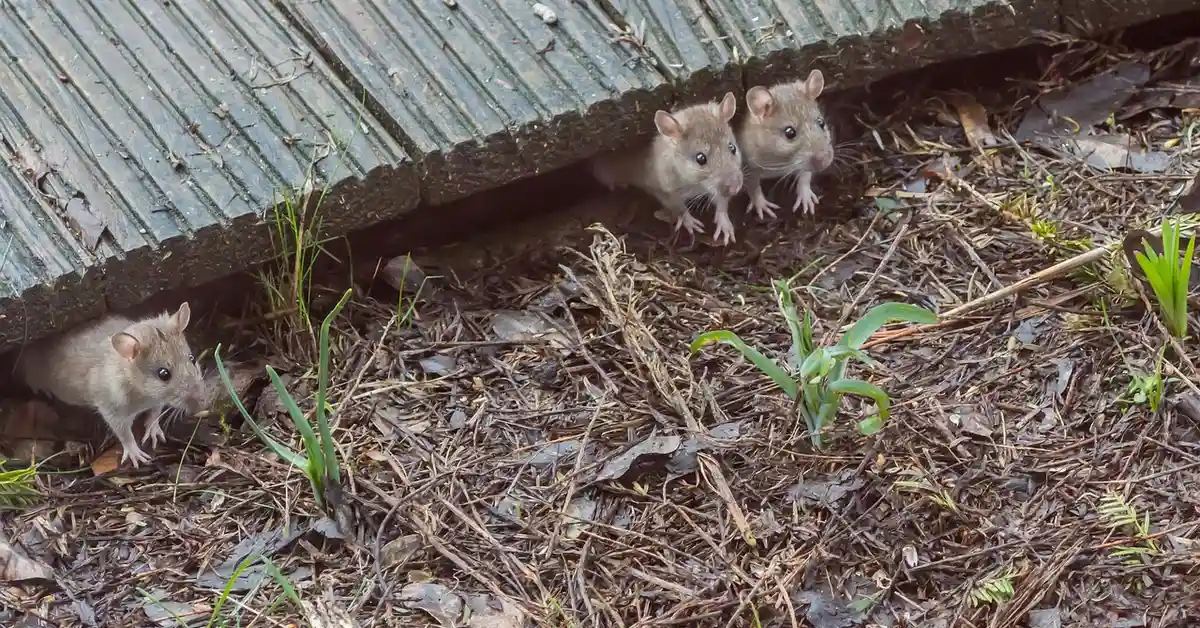
Finding the source of a foul smell can feel like a grim treasure hunt, but a systematic approach makes it manageable. Your nose is your best initial tool, so move slowly and pay attention to where the odor intensifies.
Start by checking common areas where a mouse might seek final shelter. Look carefully in these spots:
- Behind and underneath large furniture and appliances
- Inside closets, especially in infrequently used corners
- Within cabinet kickboards and pantry shelves
- Along the edges of walls and in storage boxes
For a more targeted search, I use a simple paper towel tube as a listening device. Gently place one end near a potential hiding spot and put your ear to the other; you might hear the faint buzzing of flies, which is a sure sign. A small flashlight is indispensable for peering into dark crevices without needing to stick your hands in blindly.
Safe Removal and Cleanup Steps
Once you’ve located the mouse, your priority is to handle the situation without exposing yourself or your home to contaminants. Proper preparation is your strongest defense against potential illness.
- Gear Up: Wear disposable rubber or nitrile gloves and a face mask. Safety glasses are also a good idea to protect from any splashes or dust.
- Prepare a Container: Have a sealable plastic bag or a disposable container ready before you approach.
- Remove the Mouse: Use disposable paper towels or a small shovel/trowel dedicated to this purpose to carefully pick up the mouse. Avoid any direct contact.
- Seal and Discard: Immediately place the mouse and the tools you used into the plastic bag. Seal it tightly and put it in an outdoor trash bin with a secure lid.
- Wash Up: Thoroughly wash your hands with soap and warm water, even though you were wearing gloves.
Disinfecting Contaminated Areas
The area where the mouse was found is now a potential hotspot for bacteria and viruses. A thorough disinfection is non-negotiable for restoring a healthy environment. When cleaning a mouse cage, take basic precautions like wearing gloves and a mask and ventilating the area to avoid spreading pathogens. I always use a bleach solution for this task—it’s reliable and accessible.
- Create a disinfectant by mixing one part household bleach with ten parts water.
- Dampen a cloth or paper towels with the solution and wipe down the entire area where the mouse was resting.
- For porous surfaces like wood or unfinished concrete, you may need to let the solution sit for several minutes to ensure it penetrates.
- Allow the area to air dry completely. Ventilate the room by opening a window if possible.
Eliminating Lingering Odor
Even after removal and disinfection, a stubborn, unpleasant smell can linger. This odor comes from organic compounds released during decomposition, and neutralizing them requires more than just masking with air fresheners.
My go-to solution is baking soda. It’s a fantastic, non-toxic odor absorber. Simply sprinkle a generous amount over the affected area, let it sit for several hours or overnight, and then vacuum it up. For upholstery or carpets, a paste made from baking soda and a little water can be more effective.
For persistent cases, an enzyme-based cleaner designed for pet accidents works wonders. These cleaners use natural bacteria to literally break down the odor-causing molecules, eliminating the smell at its source. Just ensure the area is well-ventilated during and after use.
Protecting Your Pet Mice During Dead Mouse Discovery
Discovering a wild mouse in your home can be particularly stressful when you have beloved pet mice like my Kenny, Gregory, and Jeffery. Your primary concern should be preventing any potential cross-contamination between the wild mouse and your pets’ habitat.
- Quarantine the Area: If the dead mouse was found near your pets’ cage, move the cage to a different, well-ventilated room immediately.
- Avoid Cross-Contamination: Change your clothes and wash your hands thoroughly after handling the dead mouse before you interact with your pets or clean their cage. I keep a dedicated robe near my mice’s area for this exact reason.
- Monitor Their Health: Keep a close watch on your mice for any changes in behavior, appetite, or breathing over the next week. While the risk is low, stress can impact their immune systems.
- Deep Clean Their Cage: As a precaution, perform a full cage clean using your usual pet-safe cleaning products. This provides peace of mind and resets their living space.
Remember, your pet mice rely on you to maintain their safe bubble. By acting methodically and calmly, you can resolve the issue without causing undue stress to your tiny companions. Jeffery, my most anxious mouse, always appreciates the extra comfort of a familiar hideout and some favorite treats after any household disruption. If your mice show fear or anxiety, respond with gentle movements and a quiet voice to help them settle. Providing hiding places, predictable routines, and soft handling will help a scared pet feel secure.
When to Seek Medical Help
If you notice a persistent, foul odor from a deceased mouse, pay close attention to how your body responds over the next few days. Any sudden onset of fever, chills, or muscle aches should prompt an immediate call to your healthcare provider. These symptoms can sometimes signal exposure to bacteria or viruses that thrive in decaying matter.
Respiratory symptoms deserve special caution. Difficulty breathing, a persistent cough, or chest tightness are red flags that warrant professional evaluation. Inhaling airborne particles from decomposition can irritate your lungs or, in rare cases, lead to more serious conditions.
Gastrointestinal distress is another area to monitor closely. If you experience severe nausea, vomiting, or diarrhea after detecting the smell, it’s wise to seek medical advice. This is especially true for individuals with existing health conditions or compromised immune systems, as they may be more susceptible to complications.
- Fever above 100.4°F (38°C)
- Unexplained shortness of breath or wheezing
- Severe headaches or dizziness
- Persistent skin rashes or eye irritation
Preventing Future Dead Mouse Odor Issues
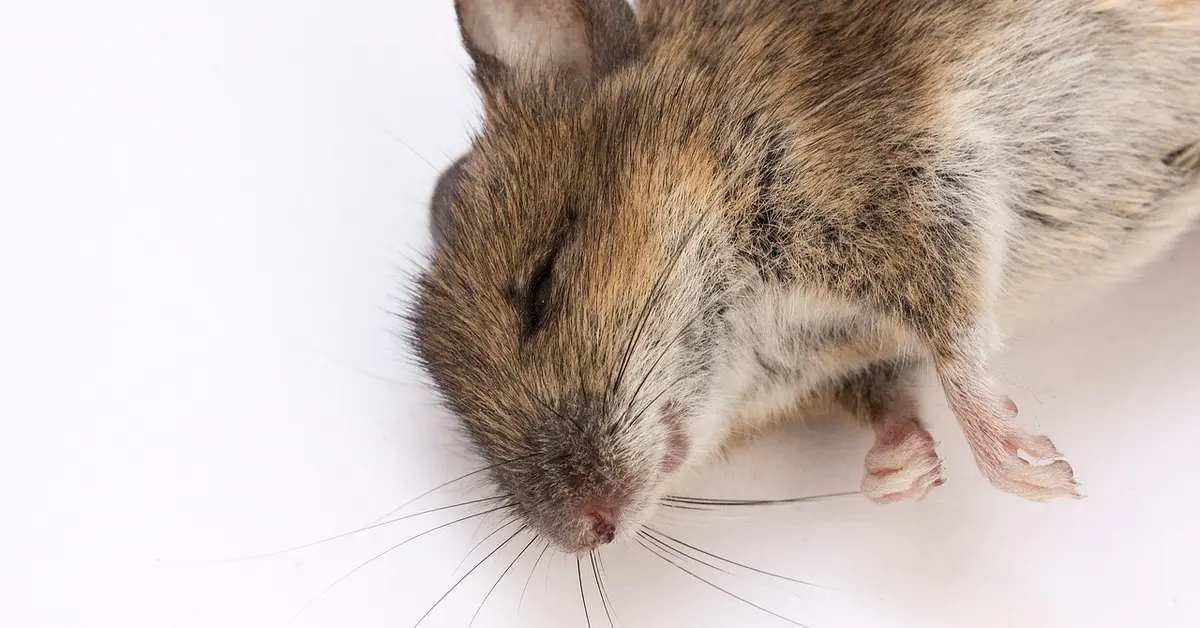
Regular habitat maintenance is your first line of defense against unpleasant surprises. Establishing a consistent cleaning schedule for your mice’s enclosure drastically reduces the risk of odor buildup. I check my boys’ cage every other day for any signs of soiled bedding or hidden food stashes that could attract pests or lead to decay.
Monitor your mice’s health and behavior vigilantly. Noticing changes in appetite, activity levels, or social interactions can help you address potential health issues early. With Jeffrey, for instance, his cheerful demeanor makes any shift in behavior obvious, allowing me to intervene before problems escalate.
Proper disposal of waste and uneaten food is crucial. Remove damp or spoiled bedding promptly and store mouse food in airtight containers to prevent mold and bacterial growth. This simple habit keeps the environment fresh and minimizes sources of future odors.
- Clean the cage thoroughly at least once a week with pet-safe disinfectants.
- Inspect hiding spots and tunnels daily for any trapped debris or signs of illness.
- Use high-absorbency bedding and replace it as soon as it feels damp.
- Keep the room well-ventilated to discourage stagnant air and odor concentration.
Invest in a good-quality air purifier if odors are a recurring concern. An air purifier with a HEPA filter can capture fine particles and reduce airborne allergens associated with pet care. This extra step has made a noticeable difference in maintaining a fresh-smelling space for both my mice and my family.
Frequently Asked Questions
What causes a dead mouse smell in the wall?
When a mouse dies inside a wall cavity, the decomposition process releases gases like putrescine and cadaverine as bacteria break down tissues. These gases can seep through small cracks, electrical outlets, or pipe openings, making the odor detectable in nearby rooms. The enclosed space traps and concentrates the smell, often intensifying it until the body fully decomposes over several weeks. Sometimes, this odor is the only indication that there was ever a mouse infestation in the first place.
Why does a dead mouse smell come and go?
The smell may fluctuate due to environmental factors like changes in temperature and humidity. Warmer conditions accelerate decomposition, strengthening the odor, while cooler periods can temporarily reduce it. Additionally, air currents from ventilation systems or opening doors and windows can disperse the smell intermittently, making it seem to fade and return.
What causes a dead mouse smell in the vent?
If a mouse dies in a ventilation duct, the airflow from your HVAC system can carry decomposition gases throughout your home. Vents offer dark, sheltered spaces that mice are drawn to for nesting, and when one passes away there, the odor is distributed efficiently. This makes the source difficult to locate, as the smell can emerge from multiple vents. The same risk exists in other enclosed spaces—storage units, boats, and appliances like air conditioners and dryer vents can all harbor mice. Sealing and screening vents and checking these areas regularly can help keep mice out and prevent this problem.
Wrapping Up
The odor from a deceased mouse is more than just unpleasant; it is a clear signal from your environment that requires your immediate attention. By acting quickly to locate and remove the source, and by thoroughly cleaning the area, you protect both your health and the well-being of your other small companions. Products such as d-con Mice Odor Control can help neutralize lingering smells after removal. Always follow the product label and ventilation guidance for safe, effective use.
This situation, while distressing, reinforces the importance of vigilant and proactive pet care. Your dedication to maintaining a clean and safe habitat is the greatest gift you can give your living pets, ensuring they continue to thrive under your thoughtful guardianship.
Further Reading & Sources
- Can a Dead Mouse Smell Make You Sick? | Airdog – Airdog USA
- Dead mouse odor: How to Get Rid of It? | Élite GP
- Dead Mouse Smell: How to Identify and Get Rid of It
Isabella is a passionate small pet enthusiast with over 8 years of experience in caring for mice. She loves sharing practical tips and heartfelt stories to help fellow mouse owners provide the best care for their tiny companions.
Household Hazards