
Create a Dig Box to Satisfy Your Mouse’s Burrowing Instincts
Have you seen your mouse pawing restlessly at their cage bedding, as if searching for a hidden tunnel? I’ve watched my own mice, like the adventurous Kenny, show this same longing, and a well-made dig box can turn that energy into joyful digging.
This guide will walk you through crafting a safe, engaging space for natural behavior. You’ll find out which substrates work best, learn easy assembly steps, and discover how to make the dig box a favorite spot for play and exploration.
Why Your Mice Need a Dig Box
Imagine a life where one of your most fundamental instincts is never fulfilled. For a mouse, that instinct is to dig. Providing a dedicated digging space satisfies this deep-rooted behavior, turning a simple cage into a complex, enriching habitat. It’s more than just fun; it’s a core part of their well-being.
In my own experience, the change in my mouse Jeffery was remarkable. Before his dig box, he often seemed a bit lost, his natural cheerfulness dimmed by a lack of purposeful activity. Watching him meticulously create tunnels gave him a visible sense of accomplishment and drastically reduced his anxious pacing. He had a job to do, and he took it very seriously.
A dig box offers a powerful form of mental exercise that goes beyond a standard running wheel. It engages their problem-solving skills as they plan and excavate their subterranean networks. This kind of enrichment is a proven method for preventing boredom-related behaviors like bar chewing or over-grooming. A busy mouse is a happy, well-adjusted mouse.
Choosing the Right Container for Your Mouse Dig Box
Selecting the perfect vessel is your first step toward burrowing success. The container acts as the foundation for all their digging adventures. You want something sturdy enough to contain the substrate and wide enough for proper excavation. Avoid flimsy materials that could be chewed through or easily tipped over.
I have found that transparent sides offer a wonderful bonus: you get a front-row seat to the engineering marvels happening underground. Watching Kenny’s impulsive, energetic tunneling paths is a daily delight. Being able to observe their work provides invaluable insight into their individual personalities and problem-solving styles.
Here are the most common and effective container options:
- Plastic Storage Bins: These are my top choice. They are affordable, come in countless sizes, and have high walls to contain substrate. Ensure the plastic is thick enough to resist chewing.
- Glass Aquariums: A fantastic, chew-proof option that provides excellent visibility. They can be heavy, but their durability is unmatched.
- Ceramic Oven Dishes: Great for a smaller, heavier dig box that is impossible to tip over. The smooth sides are easy to clean, though the depth is often limited.
- Cardboard Boxes: A good temporary or disposable option. They will get soggy and need frequent replacement, but they are perfect for a quick, novel experience.
How Deep Should Your Dig Box Be?
Depth is the single most important factor for a successful dig box. A shallow layer of substrate is merely a surface to scratch. A deep layer of material is what transforms scratching into true, immersive burrowing. Your mice need enough depth to disappear completely and feel secure in their creations. Without that depth, mice will redirect their digging instincts toward the cage itself, often resulting in scratching at walls. Providing deep substrate reduces wall-scratching by giving them an appropriate place to burrow.
My older mouse, Gregory, is a perfect example. He prefers stability and takes a deliberate, measured approach to digging. I found he only began constructing his signature, stable tunnel networks once his dig box was deep enough for him to be fully submerged. He needs that depth to feel truly comfortable and express his natural behavior. This highlights why bedding should be kept deep enough—several inches at minimum—so mice can fully burrow. Deep substrate is important not just for digging but for their physical and psychological well‑being.
Follow this simple guide for depth based on your mouse’s enthusiasm:
- Minimum Depth: At least 6 inches (15 cm). This allows a mouse to create a small hideaway and partially bury itself.
- Ideal Depth: 8 to 12 inches (20 to 30 cm). This is the sweet spot that enables complex tunneling, multi-chambered nests, and full immersion.
- Enthusiast Depth: For the most dedicated diggers, a container over 12 inches deep provides an incredible landscape for exploration. The deeper, the better!
Always ensure the container is deep enough that your mice cannot easily leap or climb out, especially if you are using a smooth-sided bin. Their safety while exploring is the ultimate priority. If you’re building a bin cage, these depth and lid considerations are key. The “Bin Cages: Mice — Ultimate DIY Guide” walks through choosing the right tote, ventilation, bedding depth, and secure lids to prevent escapes.
Best Substrate Materials for Mouse Dig Boxes
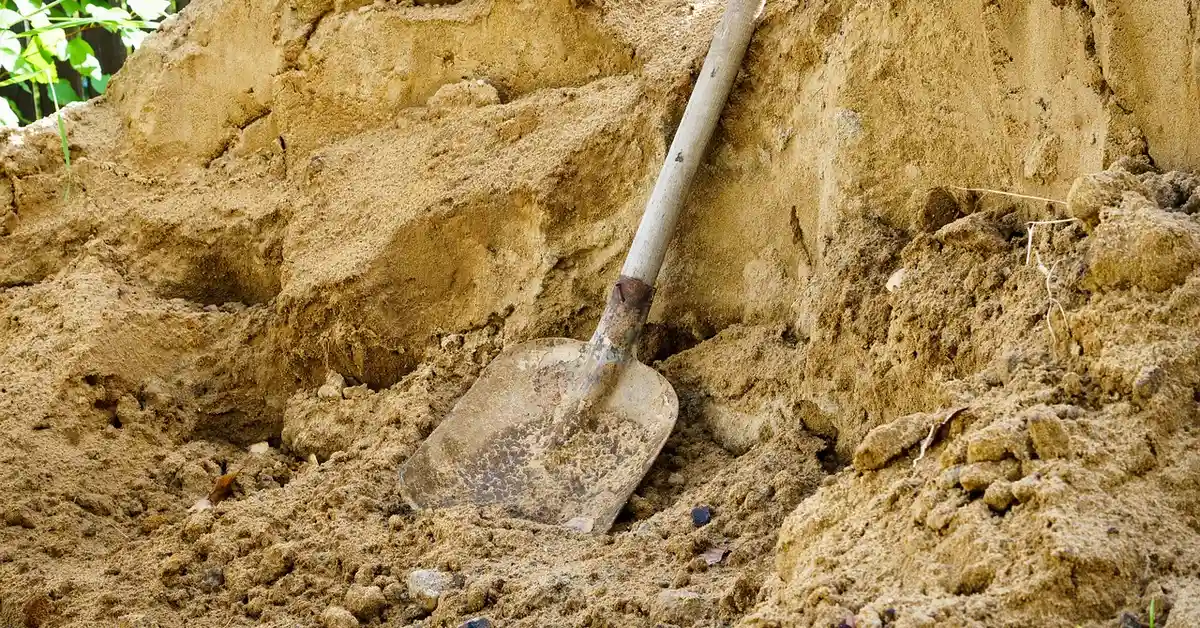
Choosing the right material is the foundation of a successful dig box. The goal is to find substrates that are safe if ingested, hold tunnels well, and feel pleasant under tiny paws.
Mixing Substrates for Better Burrowing
A single type of bedding can be boring. I’ve found that creating a layered mixture of textures mimics the complex underground environments mice would naturally encounter. My own mice, especially the adventurous Kenny, spend far more time investigating a box with varied layers. This mouse bedding substrates guide explains which materials work well together and how to layer them safely. I’ll also cover pros, cons, and practical mixing tips to help you choose the best combinations.
- Coconut Coir & Paper Bedding: This is my personal favorite combination. The earthy, fibrous coir provides excellent structure for tunneling, while soft paper bedding adds comfort and absorbs moisture.
- Aspen Shavings & Crumbled Hay: Aspen is a safe, inexpensive wood shaving. Mixing in a handful of Timothy or Orchard hay adds a satisfying crinkle and a familiar, forage-able element that my mouse Jeffery loves to root through.
- Child-Safe Play Sand & Soil: For a truly naturalistic experience, use sterilized topsoil (with no fertilizers or pesticides) and bake child-safe play sand at 200°F for 30 minutes to kill any microbes. This heavy mix is fantastic for building stable, deep burrows.
Step-by-Step: Building Your Mouse Dig Box
You don’t need fancy tools or supplies to create a wonderful burrowing paradise. I typically use a shallow, sturdy plastic storage bin, which is easy to find and clean.
- Select Your Container: Choose a bin with low sides for easy access, but high enough to contain enthusiastic digging. A clear bin lets you spy on their underground engineering!
- Add Ventilation: Use a soldering iron or a drill to create several small air holes in the lid. Good airflow prevents the substrate from becoming musty.
- Create a Deep Bed: Fill the container at least 6-8 inches deep with your chosen substrate mix. Mice need this depth to feel truly immersed and to construct proper tunnels.
- Introduce Your Mice: Place your mice gently into their new dig box. You might see immediate curiosity, or a more cautious approach like my older mouse, Gregory, who prefers to observe first.
Adding Enrichment Items to Your Dig Box
A plain box of bedding is good, but a box full of secrets is irresistible. Hiding treats and toys within the substrate turns a simple activity into a stimulating foraging adventure. This engages their minds as much as their bodies. Try DIY foraging toys—small puzzle boxes, tubes, and hidden compartments. Arrange a “10 puzzles” challenge to watch your mouse work through progressively harder tasks.
- Bury a few plain, unsalted sunflower seeds or a small piece of a nut.
- Tuck in a cardboard toilet paper tube half-filled with hay.
- Place a small, clean terracotta pot on its side to act as a pre-made cave.
- Hide a whimzee dog chew (the small, plain ones) for them to discover and gnaw on.
Keeping Your Dig Box Safe and Clean
Safety is the most critical part of any mouse accessory. Always prioritize non-toxic, dust-free materials to protect their delicate respiratory systems. This should be a key point in any preventative mouse health guide, as safe accessories help prevent common illnesses. Regular inspection and maintenance of bedding and toys further reduce risk.
- Avoid cedar and pine shavings, as the phenols can cause severe liver and respiratory damage.
- Never use substrates with added dyes or perfumes.
- Ensure any items you add cannot trap or injure a mouse. Check for sharp edges.
- Place the dig box in a secure area of the cage where it won’t be knocked over during playful antics.
How Often Should You Change Dig Box Substrate?
This depends entirely on how your mice use it. A dig box used primarily for foraging and play can last one to two weeks, while one that also functions as a bathroom spot needs more frequent attention. I watch my mice’s habits closely. If they treat it as a bathroom, I spot-clean it daily and replace the bedding weekly. If not, I include it in my regular weekly or monthly cage-cleaning routine.
- Spot Cleaning: Every day or two, I do a quick check. I use a small spoon to remove any obvious soiled clumps or old food that wasn’t found.
- Full Change: I perform a complete substrate change weekly. This prevents any buildup of ammonia from urine, which is invisible but harmful.
- Trust Your Nose: The best indicator is the smell. If the box starts to have a strong, pungent odor, it’s definitely time for a full clean, regardless of the schedule.
Troubleshooting Common Dig Box Problems
What If Your Mice Don’t Dig?
It can feel a little disheartening when you’ve set up this wonderful new playground and your mice seem to ignore it completely. Don’t worry—this is a common hurdle, and a little patience and detective work usually reveal the solution. Mice are individuals, and what excites one might initially puzzle another. Understanding the psychology of play—how mice explore, respond to novelty, and learn from each other—helps you choose and introduce toys that match their instincts. Observing their interactions and preferences lets you tailor enrichment so toys become meaningful and engaging.
First, observe their behavior around the box. Are they avoiding it entirely, or just giving it a quick sniff before moving on? This tells you a lot. If they’re actively avoiding it, the issue might be the location or the material itself.
- Try a Different Substrate: The texture might be the problem. My mouse, Jeffery, was terrified of the crinkly sound of dried leaves at first. I switched to a silent, soft paper bedding, and he was burrowing within an hour.
- Make it More Inviting: Bury their absolute favorite treats deep within the substrate. I use sunflower seeds for my adventurous Kenny and small bits of aged cheese for my more cautious Gregory. The reward must be worth the effort of digging.
- Check the Depth: A shallow box can feel exposed and unsafe. Mice need enough depth to truly disappear and feel secure. Aim for a minimum of 4-5 inches, but more is always better.
- Relocate the Box: Place it in a corner they already favor for sleeping or hiding. A high-traffic, open area might feel too vulnerable for such a sensitive activity.
- Lead by Example: This sounds silly, but it works! Gently use your fingers to mimic digging motions in the substrate while they watch. They often become curious and come to investigate what you’re so interested in.
The key is to view their hesitation not as rejection, but as a communication of their comfort needs in that moment. A simple adjustment can transform their perception from suspicious novelty to a beloved part of their territory.
Beyond the Dig Box: Other Burrowing Enrichment Ideas
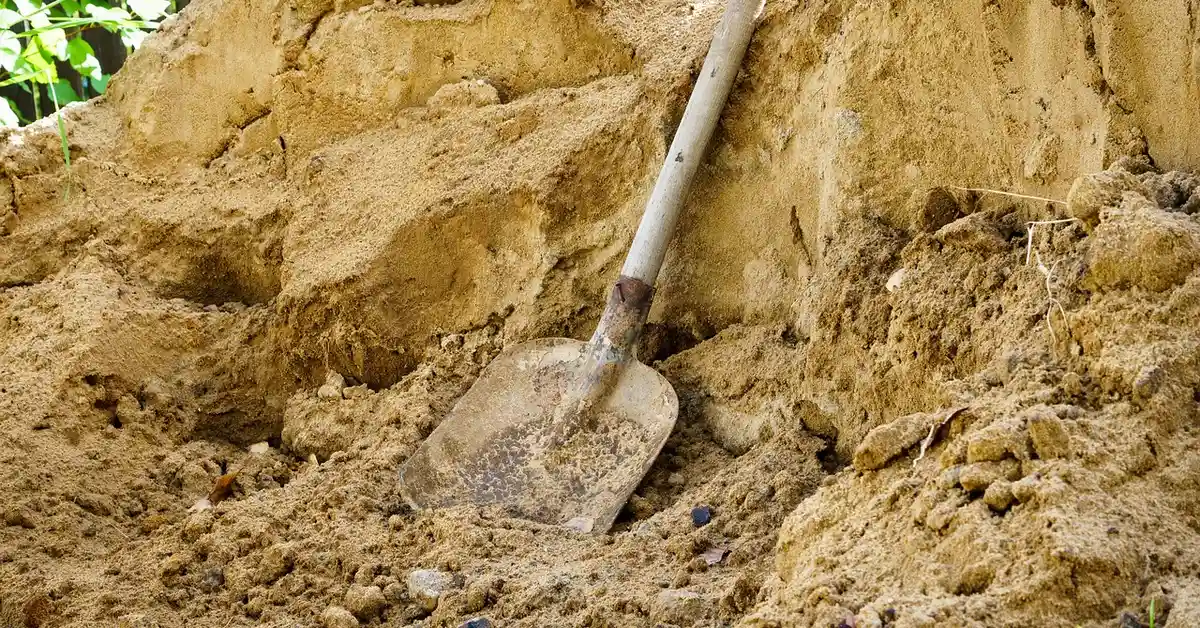
While a dedicated dig box is fantastic, a mouse’s world is made richer by variety. Incorporating burrowing opportunities throughout their entire habitat mimics the complex tunnel systems they would create in the wild. Mice instinctively dig deep tunnels (https://measlymouse.fyi/why-do-mice-burrow-deep-instinct-to-dig-tunnel) for safety, nesting, temperature regulation, and food storage, so varied burrowing spaces let them express these natural behaviors. This multi-layered approach to enrichment keeps their minds and bodies active in different ways.
Think beyond a single container. You can create a landscape that invites natural digging and tunneling behaviors everywhere they go.
- Deep Paper-Based Bedding: Instead of a thin layer, provide a deep, packed base of paper bedding across the entire bottom of their enclosure. I maintain a base layer of at least 6-8 inches for my trio. They create their own intricate networks of tunnels and sleeping chambers, which they redesign constantly.
- The Toilet Paper Tube Tunnel Network: Bury a series of empty toilet paper or paper towel tubes under the surface of their main bedding. Leave the ends just slightly exposed. They will discover these pre-made “starter tunnels” and enthusiastically excavate around them, expanding the network themselves.
- The Layered Foraging Pit: In a small, sturdy cardboard box, create alternating layers of different digging materials. Start with a base of shredded paper, then a layer of aspen shavings, then a sprinkle of oat hay, and top it with crinkly paper. Bury treats in every layer. This encourages them to dig with purpose through varying textures.
- Digging “Pockets”: Use small terracotta plant saucers or sturdy ceramic bowls filled with a unique substrate, like coconut fiber or crumbled cork. Scatter these “digging pockets” around their play area. It offers a quick, contained digging experience in different spots.
Rotating these different enrichment ideas prevents boredom and encourages your mice to use their problem-solving skills in new and rewarding ways every day. Watching them choose their project—whether it’s maintaining a main burrow or excavating a new foraging pit—is one of the most rewarding parts of being a mouse caretaker. Try the following 10 DIY foraging puzzles that make your mouse think; each is simple to build and taps into their natural curiosity. They’ll add fresh challenges and keep enrichment engaging day after day.
Frequently Asked Questions
How do I make a DIY dig box for rabbits?
Rabbits have strong digging instincts, so use a large, sturdy container like a plastic storage bin or a shallow cardboard box that they can’t easily tip over. Fill it with at least 6-8 inches of rabbit-safe substrates, such as Timothy hay, shredded paper, or sterilized soil, to allow for natural burrowing behavior. Always supervise use to ensure they don’t ingest harmful materials, and place it in a secure area to encourage safe exploration.
How do I make a DIY dig box for a hamster?
For hamsters, select a small, chew-resistant container like a ceramic dish or a plastic bin with low sides for easy access. Fill it with 4-6 inches of safe, dust-free bedding, such as aspen shavings or paper-based substrate, which holds tunnels well and supports their burrowing needs. You can add enrichment by hiding small treats or tunnels inside to stimulate their natural foraging and digging instincts.
How do I make a DIY dig box for rats?
Rats enjoy digging and foraging, so choose a durable container like a plastic bin or glass aquarium that’s wide enough for them to move around comfortably. Use a deep layer (6-10 inches) of safe substrates, such as a mix of paper bedding and coconut coir, to support tunnel construction and mental stimulation. Include hidden toys or treats to encourage exploration, and clean the box regularly to maintain hygiene and prevent boredom.
Your Mouse’s Next Adventure
Providing a dig box is one of the most rewarding activities you can offer your curious companions. This simple addition transforms their habitat from a static enclosure into a dynamic landscape that stimulates their minds and bodies, directly catering to their innate need to burrow and explore.
Don’t overthink the process; start with a basic container and a safe substrate and watch as their natural instincts take over. You’ll be amazed at the tunnels they create and the sheer joy they exhibit, turning a simple box into a cornerstone of their daily enrichment and strengthening your bond with your tiny friends.
Further Reading & Sources
- r/PetMice on Reddit: Give your mice a dig box and they dig
- CUTE MICE GET A MINI DIG BOX! – YouTube
- Rat & Mouse Gazette: Digging Box
Isabella is a passionate small pet enthusiast with over 8 years of experience in caring for mice. She loves sharing practical tips and heartfelt stories to help fellow mouse owners provide the best care for their tiny companions.
Enrichment Ideas