
Do You Need to Bathe a Mouse? (And What to Do if They Get Dirty)
Have you ever spotted your mouse with a dusty coat or a sticky patch and felt a rush of worry about whether to give it a bath? I’ve been there too, and I want to help you navigate this common concern with confidence and care.
This article will walk you through why most mice rarely need baths, how to spot when intervention is truly needed, and gentle, effective ways to handle dirt without harming your pet. You’ll find clear steps and alternatives that prioritize your mouse’s well-being.
Why Mice Usually Don’t Need Baths
How Mice Keep Themselves Clean
Your mouse is a self-cleaning marvel, equipped with a built-in grooming routine that would put most of our own habits to shame. They spend a significant portion of their waking hours meticulously licking their fur, much like a cat. This natural grooming distributes natural oils that keep their coat healthy and waterproof, while their saliva contains enzymes that help break down dirt and grime. I’ve watched my own mice, like the ever-patient Gregory, perform this ritual with serene focus, starting from their face and working their way down their body with tiny, precise licks of their paws. It’s a full-time job of personal maintenance that they take very seriously.
Beyond just licking, their grooming toolkit is surprisingly sophisticated. They use their front teeth to nibble away any stubborn debris and their flexible spines allow them to contort into positions that ensure no spot is left untouched. This constant self-care is not just about cleanliness; it’s a vital behavior for their comfort, temperature regulation, and social bonding. You’ll often see cage mates grooming each other, which reinforces their social structure and keeps everyone in the colony looking their best.
The Problem With Water Baths
Submerging a mouse in water is one of the most stressful and dangerous experiences you can put them through. Their small bodies lose heat with alarming speed. A full water bath can lead to life-threatening hypothermia in a matter of minutes, even in a warm room. The shock and stress of the experience alone can be enough to cause serious health issues, as their tiny hearts work overtime.
Water also strips away the essential, protective oils from their coat and skin. Without these natural oils, their fur loses its insulating properties and their skin can become dry, flaky, and prone to irritation. Getting their fur completely wet makes it incredibly difficult for them to dry off properly, leaving them damp, chilled, and miserable. I learned this the hard way years ago with a different mouse; the panic in her eyes and her subsequent shivering was a lesson I’ll never forget. It’s a risk that offers no real reward for a creature so adept at cleaning itself.
When Your Mouse Actually Needs Cleaning
Signs a Mouse Can’t Groom Properly
While mice are expert groomers, there are specific situations where age, illness, or an accident can prevent them from managing their own hygiene. You need to become a detective, looking for clear signals that your mouse’s self-care system has broken down. A healthy mouse will always have a smooth, clean coat, so any deviation from this is a clue. Watch for patchy, matted, greasy fur, bald spots, or a strong odor. Excessive grooming, hair loss, or an unkempt coat can all signal stress, pain, or illness and warrant closer observation or veterinary care.
- A ruffled, greasy, or matted coat, especially along the back where they can’t easily reach.
- Visible substance stuck to their fur, like food, sap from wood chews, or a sticky treat.
- Discharge around the eyes or nose that mats the fur on their face.
- A noticeable odor that is stronger than their normal, mild, musky scent.
- Reduced mobility due to old age, arthritis, or injury, which limits their grooming range.
- Obesity, which can physically prevent them from twisting to clean their back and hindquarters.
When my curious Kenny got a dab of honey stuck on his shoulder, his frantic attempts to lick it off only made it worse, matting the fur. This is the kind of scenario that calls for a careful, targeted intervention, not a full bath. If you notice these signs, especially a general unkempt appearance, a veterinary check-up is wise to rule out any underlying pain or illness that’s causing the problem.
Bath Alternatives That Work Better
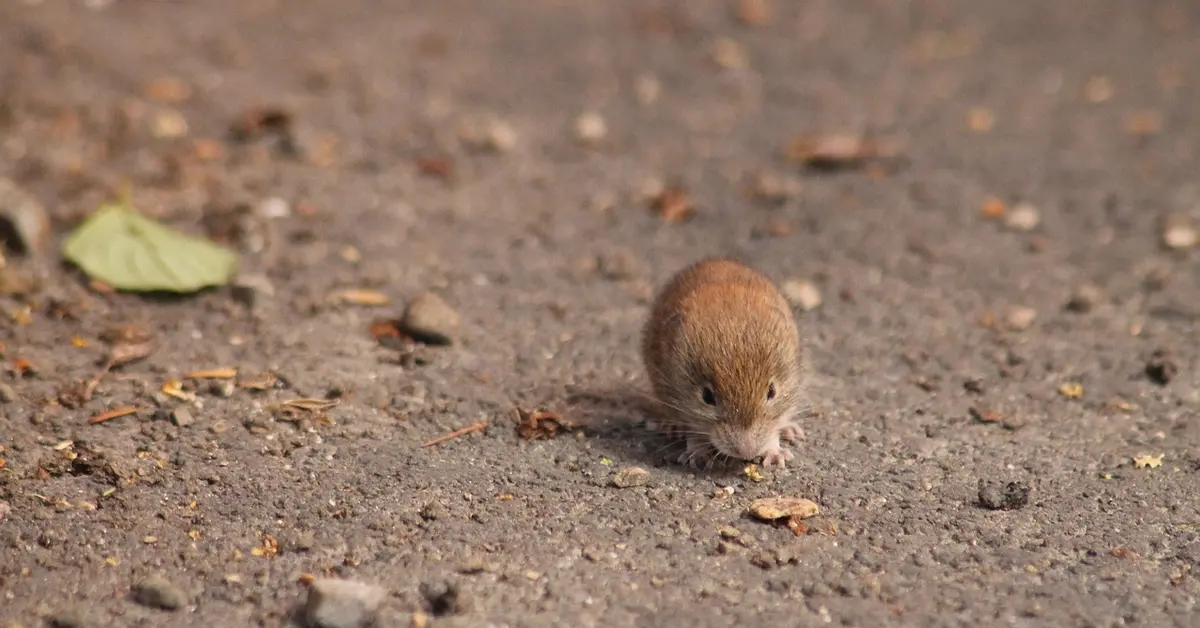
Spot Cleaning With a Damp Cloth
When your mouse has a small, localized mess, like food residue or a bit of bedding stuck to their fur, spot cleaning is your best friend. I often use a soft cloth dampened with lukewarm water-never soapy or hot-to gently wipe the area. This method targets the dirt without overwhelming your mouse with a full-body soak, which can be terrifying for them. Hold your mouse securely but gently, and make quick, light strokes to avoid stressing them out. For instance, my curious Kenny once brushed against a dab of fruit puree, and a simple cloth wipe had him clean and calm in seconds.
Focus on areas like the paws, tail, or back where grime tends to cling. Spot cleaning preserves the natural oils in their skin, which a bath might strip away, leading to dryness or irritation. Always dry the area immediately with a soft towel to prevent any chill. If your mouse seems anxious, offer a favorite treat afterward to create a positive association.
Sand Baths for Natural Cleaning
Mice are instinctively drawn to dust and sand for self-grooming, much like their wild cousins. Providing a shallow dish with chinchilla-grade sand or reptile-safe calcium-free dust allows them to roll and dig, which helps absorb excess oils and debris. Sand baths encourage natural behaviors and can reduce the need for human intervention altogether. For long-haired mice, regular sand baths help remove oils and trapped debris that can lead to tangles and mats. Combined with occasional gentle brushing, they make mat prevention much easier. I keep a small ceramic dish in Jeffrey’s enclosure, and his cheerful rolling sessions keep his white coat bright and fluffy.
Choose a fine, dust-free sand to avoid respiratory issues, and replace it weekly to maintain cleanliness. This approach not only cleans their fur but also provides mental stimulation, turning grooming into a fun activity. Pair sand baths with the best dust-free beddings for mice to further reduce airborne particles and keep their habitat healthy. Paper-based or kiln-dried aspen beddings labeled “low dust” are good options to complement sand grooming. Avoid using regular playground sand or anything with added chemicals, as these can harm your mouse’s delicate system.
How to Bathe a Mouse (When Absolutely Necessary)
Supplies You’ll Need
Gathering the right items beforehand makes the process smoother and safer for both of you. Here’s what I always have on hand:
- A small, stable bowl or sink with a non-slip mat
- Lukewarm water-test it on your wrist to ensure it’s not too hot or cold
- Soft, absorbent towels for drying
- Mild, unscented shampoo formulated for small animals or babies
- A helper to assist with holding, if possible, to keep things calm
Having everything within reach minimizes stress and prevents accidents during the bath. I learned this the hard way when Gregory squirmed away mid-rinse, so now I prep like it’s a tiny surgery!
Step-by-Step Bathing Process
If a bath is unavoidable-say, for removing something toxic or heavily soiled-follow these steps to keep it brief and safe:
- Fill the bowl with just enough lukewarm water to cover your mouse’s lower body, avoiding the head entirely.
- Gently lower your mouse in, supporting their body with one hand to make them feel secure.
- If using shampoo, apply a pea-sized amount and lather lightly on soiled areas, then rinse thoroughly with clean water.
- Lift them out quickly and wrap them in a towel to start drying immediately.
Keep the entire process under five minutes to prevent hypothermia or extreme anxiety. Speak in a soft, reassuring voice throughout, and offer a reward like a sunflower seed afterward to help them recover.
Safe Shampoo Options for Mice
Not all shampoos are suitable for mice, whose skin is far more sensitive than ours. Opt for unscented, pH-balanced formulas made for small pets or hypoallergenic baby shampoos. Using the wrong product can lead to skin infections or allergic reactions, so always check the ingredients for mildness. I avoid anything with essential oils or strong fragrances, as these can irritate their respiratory systems. In a pinch, plain water works just fine for most situations-shampoo is rarely needed.
Drying Your Mouse Properly
Avoiding Temperature Problems
Mice lose body heat rapidly when wet, so drying must be swift and gentle. Pat them dry with a soft towel, avoiding vigorous rubbing that could cause stress or fur damage. Never use a hairdryer, as the heat and noise can frighten them or lead to burns. Instead, cradle them in a warm, dry towel and hold them close to your body for natural warmth. I’ve found that Jeffrey, with his anxious nature, calms down fastest when I keep him snug against my chest.
Ensure the room is draft-free and slightly warmer than usual during and after drying. Watch for signs of shivering or lethargy, which indicate they’re too cold, and provide extra bedding or a heat pad set on low nearby. A fully dry mouse should be back to their usual antics within minutes-if not, it’s a cue to reassess their environment for comfort.
Special Situations: Elderly, Ill, or Obese Mice
Mice with health challenges require a completely different approach to cleaning. Their bodies are under extra strain, making traditional bathing a serious health risk. A full bath can cause dangerous temperature drops and immense stress.
For my older mouse, Gregory, who moves a bit slower, I focus on supportive spot-cleaning. If he gets messy, I use a soft, damp cloth or a cotton swab dipped in warm water to gently dab at the soiled area. This targeted method allows you to address the dirt without overwhelming their system. The goal is cleanliness with zero chill and minimal fuss.
Obese or ill mice often struggle to groom hard-to-reach spots like their backs. You can help by providing a small, shallow dish of chinchilla sand for them to roll in; this acts as a dry shampoo. Always supervise sand bath sessions to ensure they don’t get overexcited or try to eat the sand. This is a safe, natural way for them to self-clean when their mobility is limited. Regular, gentle sand-bath sessions and handling also help desensitize mice to grooming and handling, which is useful when preparing them for shows. This routine supports taming and helps keep their coat in show-ready condition.
What to Do About Persistent Odor

A smelly mouse is almost always a sign of a smelly habitat. Before you consider washing your pet, you must become a detective of their environment. Mice are fastidiously clean animals by nature, and a persistent odor clinging to their fur points directly to their living conditions. Often the smell isn’t just dirt — mice use urine and gland secretions to scent-mark territory and convey social and reproductive information. Recognizing these olfactory signals helps you distinguish between environmental causes and normal scent-marking behavior.
Cage Hygiene Versus Mouse Hygiene
It’s critical to separate these two concepts. Mouse hygiene is their own self-grooming, while cage hygiene is your responsibility. A clean cage prevents common ailments—waste buildup and damp bedding can lead to respiratory infections, skin problems, and parasite issues. Regular cleaning and good sanitation are therefore essential to keep your mice healthy.
- Deep Clean the Cage: A thorough weekly clean is non-negotiable. Remove all bedding, scrub the base and accessories with a vinegar-water solution, and replace with fresh, absorbent material. I find aspen shavings work wonders for odor control.
- Identify Odor Hotspots: Plastic huts and wheels can trap urine smells even after a surface wipe. These items need a weekly soak and scrub to break down the residual ammonia.
- Check Their Diet: What your mice eat affects their waste. If you’ve recently introduced new, strong-smelling vegetables, this could be the culprit. Adjust their diet and see if the odor subsides.
- Increase Spot Cleaning: Every day or two, do a quick check. Remove visibly soiled bedding and wipe down the water bottle spout and any messy corners. This daily minute of maintenance prevents smells from building up in the first place.
If you maintain an impeccable cage and the mouse itself still smells, this is a red flag. A foul odor that persists despite a clean home can indicate a health issue that requires a vet’s attention. To reduce mouse odor at home, start with frequent bedding changes, spot-cleaning, and improved ventilation. However, if the odor continues after these steps, consult your veterinarian.
When to See a Vet Instead
Some types of “dirt” are actually symptoms of illness. Bathing will not help and could worsen the situation.
- Sticky or Matted Fur: If your mouse’s fur is clumped together, especially around the rear end, it could be a sign of diarrhea or a urinary tract infection. This needs veterinary diagnosis and treatment.
- Visible Parasites: If you see tiny bugs or lice moving in their fur, a bath won’t solve it. You need a vet-prescribed medication to safely eradicate an infestation.
- Open Wounds or Scabs: Never submerge a wound in water. This can introduce bacteria and cause infection. A vet can properly clean and treat any injuries.
- Lethargy and Poor Grooming: When a normally tidy mouse suddenly stops grooming itself and looks unkempt, it is a universal sign that something is wrong. This loss of grooming instinct is a major indicator of pain or systemic illness.
Trust your instincts. You know your mouse’s normal behavior better than anyone. When in doubt, a quick call to your veterinarian is always the safest choice for your tiny friend.
Frequently Asked Questions
Can you bathe a mouse?
Yes, it is physically possible to bathe a mouse, but it is strongly discouraged in most situations. Bathing can cause extreme stress, hypothermia, and skin issues due to their small size and sensitivity. Only consider it as a last resort for removing toxic substances or severe, persistent dirt that spot cleaning cannot address.
Mice are excellent self-cleaners and rarely need human intervention. They groom themselves frequently—licking their fur and using their paws to remove dirt and distribute natural oils—so they stay clean without baths. If a bath is unavoidable, ensure it is brief, use lukewarm water, and avoid submerging their head to minimize risks.
Should you bathe a mouse?
No, you should not bathe a mouse under normal circumstances. Their natural grooming habits are highly effective, and water baths can strip protective oils, leading to dry skin and fur problems. The stress and risk of hypothermia make it a dangerous practice that offers little benefit.
Instead, rely on gentler methods like spot cleaning with a damp cloth or providing a sand bath. These alternatives maintain their health and well-being without the hazards associated with full immersion in water.
Can a mouse take a bath with soap?
Using soap in a mouse’s bath is generally not recommended and should be avoided unless absolutely necessary. Soap can irritate their sensitive skin, cause allergic reactions, and strip essential oils, leading to discomfort or infections. If soap must be used for a severe mess, select a mild, unscented shampoo made for small animals or babies.
Always rinse thoroughly to remove all residue, as any leftover soap can be harmful. In most cases, plain water or a damp cloth is sufficient for cleaning without introducing unnecessary chemicals.
Your Mouse-Cleaning Confidence
Your mouse is naturally equipped with a superb self-cleaning system that rarely needs your intervention. Remember that a dirty mouse is typically a sign of a problem with their environment, not their personal hygiene. Your primary role is to provide a clean habitat and observe their natural, fastidious grooming habits. You’ll often see them licking, pawing, and combing their fur with quick, repeated motions. Changes like excessive grooming or matted fur can indicate stress or illness.
Trust in their instincts and focus on providing a safe, enriching home where they can thrive. A healthy mouse will spend a significant portion of its day keeping itself impeccably clean, and your patient observation is the best tool you have. Your thoughtful care creates the foundation for their well-being and your wonderful bond.
Further Reading & Sources
- r/PetMice on Reddit: How do you bathe mice
- How To Bathe A Pet Mouse – Cuteness
- How to Clean a Smelly Mouse: 11 Steps (with Pictures) – wikiHow
Isabella is a passionate small pet enthusiast with over 8 years of experience in caring for mice. She loves sharing practical tips and heartfelt stories to help fellow mouse owners provide the best care for their tiny companions.
Mice Grooming