
Does Vicks VapoRub Repel or Kill Mice?
Have you ever spotted a mouse scurrying across your floor and reached for a common household item like Vicks VapoRub in hopes of a quick fix? This article will provide a clear, well-researched answer to whether this menthol-based ointment can truly deter or eliminate mice from your space.
We’ll examine how the strong scents in Vicks affect rodents and compare it to more reliable methods. You’ll gain insights into its limitations, learn about safer and more effective alternatives, and understand how to address a mouse problem without compromising your pet’s well-being.
Can Vicks VapoRub Actually Repel Mice?
Many homeowners search for unconventional methods to deter unwanted rodents, and the strong odor of Vicks VapoRub often comes up as a potential solution. The theory is that the potent menthol and camphor scent is overwhelming to a mouse’s sensitive respiratory system, encouraging them to avoid the area. While the intense aroma might cause temporary discomfort or hesitation, it is not a reliable or humane repellent for mice.
From my own experience caring for curious mice like Kenny, I know their drive to explore often overpowers temporary sensory annoyances. A strong smell might make them pause for a moment, but it won’t stop a determined mouse from reaching a food source or a cozy nesting spot. They are incredibly adaptable creatures, especially in how they navigate their world using smell, sound, and touch.
Here is a breakdown of why Vicks is an ineffective mouse deterrent:
- Habituation: Mice quickly become accustomed to persistent smells, even strong ones, rendering the VapoRub useless after a short period.
- No Scientific Backing: There is no credible scientific evidence or study that proves Vicks VapoRub acts as an effective, long-term rodent repellent.
- Ineffective Coverage: The small area a single jar of Vicks can protect is minuscule compared to the pathways mice use throughout a home.
- Potential for Harm: Placing it in areas your pet mice can access poses a direct health risk, which is far more concerning than any potential benefit.
Does Vicks VapoRub Kill Mice?
Let me be perfectly clear: Vicks VapoRub is not a mouse poison and will not directly kill a mouse. Its formulation is designed for topical human use to relieve cough and congestion, not as a rodenticide. Using any product for a purpose it was never intended for, especially one involving the life of an animal, is irresponsible and potentially dangerous.
Thinking of it as a lethal solution is a misunderstanding of the product’s function and a disregard for animal welfare. There are no active ingredients in Vicks VapoRub that are classified or proven to be lethal to mice upon contact or inhalation.
What Happens If a Mouse Ingests Vicks?
This is where the situation becomes critically dangerous, especially for a beloved pet mouse. If a mouse like my adventurous Kenny were to lick or consume even a small amount of Vicks VapoRub, the consequences could be severe.
The primary ingredients-camphor, menthol, and eucalyptus oil-are toxic when ingested. For a creature as small as a mouse, a tiny amount can be overwhelming. Ingestion can lead to rapid poisoning, with symptoms appearing within minutes to hours.
Watch for these signs of potential Vicks VapoRub poisoning in a mouse:
- Lethargy and weakness
- Drooling or signs of oral irritation
- Muscle tremors or seizures
- Difficulty breathing
- Loss of coordination
- Vomiting (though less common in mice)
If you suspect your mouse has ingested any amount of Vicks VapoRub, you must contact an emergency veterinarian immediately. Do not wait for symptoms to worsen. Time is of the essence for such a small animal. Always store all medications, including topical ointments, securely away from where your pets live and play.
Why People Think Vicks Works as a Mouse Repellent
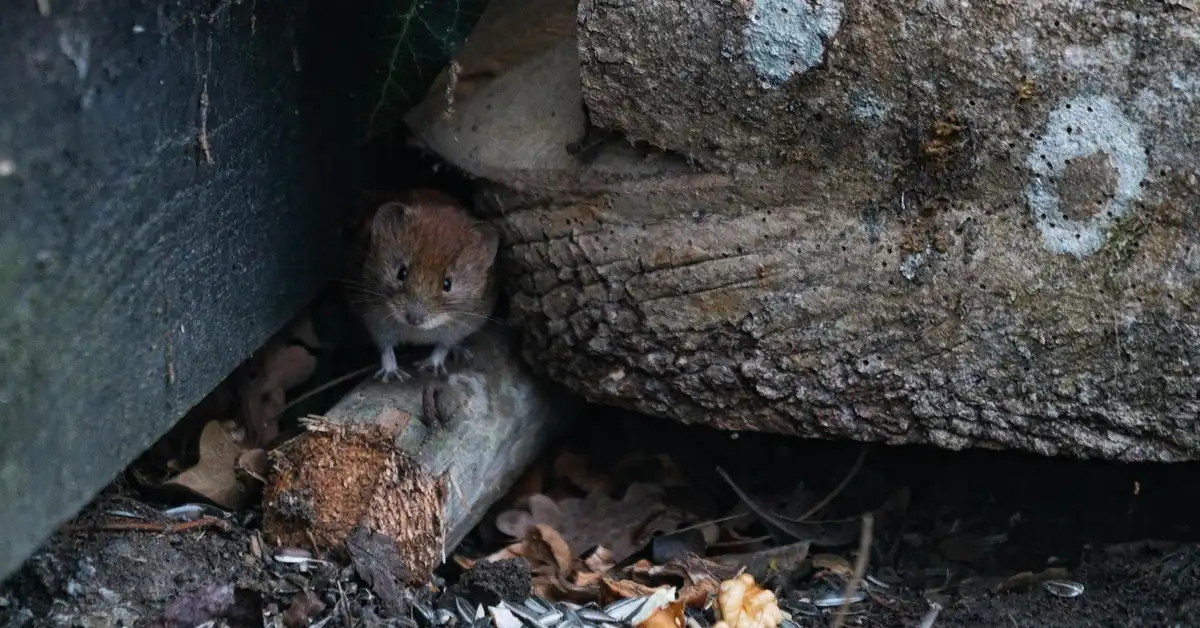
Many homeowners turn to Vicks VapoRub in a pinch, believing its powerful aroma creates an impassable barrier for rodents. The logic stems from the idea that mice navigate and interpret their world primarily through an incredibly sensitive sense of smell. The intense menthol, camphor, and eucalyptus fumes are thought to overwhelm their delicate nasal passages, making treated areas unpleasant and confusing.
This belief is often reinforced by anecdotal stories shared online. You might read a forum post where someone swears by placing a dab of Vicks near a hole and never seeing a mouse again. These personal testimonials can be compelling, but they rarely account for other factors that could have driven the mice away, like a new pet, changing food sources, or seasonal shifts in behavior. From my own observations, my mouse Kenny is incredibly curious about new smells, but strong chemical ones like cleaning sprays make him retreat instantly—a reaction that likely fuels this theory. However, the real reason mice tend to leave is usually the scent of a predator, like a cat.
Is Vicks VapoRub Safe Around Pet Mice?
Let me be perfectly clear: Vicks VapoRub is not safe to use as a repellent in a home with pet mice. The ingredients that create that strong vapor are potent irritants to a mouse’s fragile respiratory system, which is far more delicate than our own. Inhaling these concentrated vapors can lead to significant respiratory distress, a condition that can be fatal for such small creatures.
Think about the ingredients list. Camphor is particularly toxic to small animals if ingested, and eucalyptus oil can cause serious neurological problems. Even if your mouse doesn’t lick the substance, simply breathing the air near it introduces these compounds directly into their lungs. My cautious mouse, Gregory, once had a minor respiratory scare from a strongly scented candle in another room; it was a stark reminder of how vulnerable they are. Creating a safe environment means avoiding all airborne irritants, and Vicks firmly belongs on that list.
How People Use Vicks to Try Repelling Mice (And Why You Should Be Careful)
People attempting this method typically use a few common approaches, all of which pose risks to any pet mice in your care. If you call pest control about mice, expect a technician to inspect the area and explain removal options—trapping, exclusion, or use of rodenticides—and to ask about any pets in the home. They should also advise steps to protect pet mice, such as securing cages or temporarily relocating them during treatment.
- Cotton Ball Application: Soaking cotton balls in VapoRub and placing them in suspected entry points like wall voids, under sinks, or in attics. The danger here is that a curious mouse like my Jeffery could find and chew the cotton, leading to direct ingestion of the toxic ingredients.
- Direct Smearing: Applying a small dab directly along baseboards, pipe entries, or cabinet corners. This method risks direct contact with your pet’s fur or paws during free-roam time, which they would then groom and ingest.
- Container Placement: Putting an open jar of Vicks in a problem area. While this might seem contained, it still saturates the air with vapors that can drift into your mouse’s living space, compromising the air quality they depend on.
The fundamental problem is that these methods are indiscriminate; they don’t differentiate between a wild mouse in your walls and your beloved pet in their cage. The health of your pet mice must always come first, and using a product not designed for them, especially one with known toxins, is a gamble with their wellbeing. For a safe home, focus on sealing entry points and proper food storage instead of relying on potentially harmful repellents. If a wild mouse must be removed, opt for a humane live trap and release it promptly at a safe distance from your home in accordance with local guidelines. Check traps frequently, wear gloves, and clean any contaminated areas to protect both your pets and household.
Better Alternatives to Vicks for Mouse Prevention
While the strong scent of Vicks might seem like a quick fix, it’s a temporary and unreliable solution that can be unpleasant for your household, including any pet mice you might have. Effective mouse prevention relies on methods that address the core reasons mice enter a space in the first place: food, shelter, and access. Natural repellents like peppermint oil or cayenne pepper are often tried to mask scents and discourage mice, but they generally only deter temporarily and won’t solve underlying problems; used alongside sealing entry points and removing attractants, they can be a small part of a broader strategy.
Physical Exclusion Methods
This is the single most effective long-term strategy. Mice can squeeze through openings the size of a dime, so a thorough inspection is key.
- Seal all entry points using materials mice cannot chew through, like steel wool, copper mesh, or hardware cloth, secured with caulk.
- Check around pipes, vents, utility lines, and foundation cracks. A flashlight and a mirror can help you see into tight spaces.
- Install door sweeps on exterior doors and repair any damaged window screens.
- From my own experience securing my mouse room, I found a tiny gap behind a kitchen cabinet that was the main highway for curious wild visitors. Sealing it was a game-changer.
Humane Deterrents and Traps
If mice have already found their way inside, your goal should be to encourage them to leave without harm.
- Live traps allow for capture and release far from your home. Bait them with a small amount of peanut butter or oatmeal.
- Ultrasonic repellent devices emit high-frequency sounds that are irritating to rodents but inaudible to most humans and pets. Their effectiveness can vary.
- Maintain a clean environment. A space free of accessible food and clutter is naturally uninviting.
Other Scent-Based Repellents
If you prefer a scent-based approach, some natural options are considered safer and more pleasant than Vicks.
- Peppermint oil is a well-known rodent deterrent. Soak cotton balls in pure peppermint oil and place them in areas of suspected activity.
- Cloves and clove oil have a potent smell that mice tend to avoid.
- Ammonia can mimic the scent of predator urine, but use it with extreme caution and excellent ventilation as the fumes are strong.
Remember that all scent repellents need frequent reapplication as the odor fades, and they work best as part of a broader prevention plan. The scent of peppermint in the air is far more agreeable than the medicinal punch of camphor.
What Actually Works for Mouse Control
After years of managing my own home and caring for my pet mice—Kenny, Gregory, and Jeffery—I’ve learned that consistency is everything. A successful mouse control strategy is not a single product but a layered, integrated system of prevention and gentle discouragement. When you call pest control for mice, expect professionals to recommend that same exclusion- and prevention-first approach. A company that emphasizes humane deterrence and ongoing monitoring will complement your at-home routine.
Start with a deep clean. Wipe down counters, sweep floors, and store all food, including pet food and bird seed, in airtight glass or metal containers. My mice’s food is kept in sealed bins, which also keeps it fresh for them. Proper food storage is crucial for preventing infestations.
Next, focus on the physical barriers. I cannot overstate the importance of this step. Walk the perimeter of your home and garage, filling every crack and hole you find. This permanent solution is more work upfront but saves endless trouble later.
For existing visitors, combine methods. Use live traps near walls where mice travel, baited with something irresistible. Choose good bait for mice—small dabs of peanut butter, chocolate, or bacon are especially enticing. Simultaneously, place cotton balls with a few drops of peppermint oil near potential entry points. This dual approach encourages them to leave and blocks their return path.
Be patient and observant; mouse behavior is often about finding the path of least resistance, and your job is to make your home the path of most resistance. Avoid poisons and glue traps, as these cause prolonged suffering and can be dangerous for pets and children. The most effective control is humane, thorough, and focuses on making your space fundamentally unwelcoming. For pest control of mice, seal entry points, store food in airtight containers, and remove clutter that offers nesting sites. Use humane live traps or professional exclusion services to remove any remaining animals.
Frequently Asked Questions
Does Vicks VapoRub repel mice?
While Vicks VapoRub has a strong menthol and camphor scent that might cause temporary discomfort to mice, it is not a reliable repellent. Mice can quickly habituate to persistent odors, and there is no scientific evidence supporting its effectiveness for long-term deterrence.
Can Vicks VapoRub get rid of mice?
No, Vicks VapoRub will not get rid of mice. It does not act as a rodenticide or eliminate an infestation, and its effects are only temporary at best. For actual mouse removal, focus on humane traps or addressing entry points and food sources.
Will Vicks VapoRub keep mice away from my house?
Vicks VapoRub is unlikely to keep mice away from your house due to its limited coverage and the mice’s ability to adapt to the smell. It may cause brief avoidance but fails as a long-term solution, making methods like physical exclusion more effective.
Final Thoughts
Vicks VapoRub’s strong scent might seem like a quick fix, but it doesn’t reliably repel or eliminate mice and poses risks to their delicate respiratory systems. From my time with curious mice like Kenny, I’ve learned that harsh chemicals can cause more stress than solutions, making a gentle, informed approach the wisest choice for their well-being.
Instead, focus on secure housing, proper sanitation, and vet-approved deterrents to keep your tiny companions safe and content. Your dedication to understanding their needs creates a happier, healthier environment where every mouse can thrive without unnecessary risks. Refer to a preventative mouse health guide for practical steps—basic vet checks, balanced nutrition, habitat hygiene, and early warning signs—to prevent common issues. Following these simple routines helps you catch problems early and maintain long-term wellbeing.
Further Reading & Sources
- r/IsItBullshit on Reddit: IsItBullshit: Vicks Vaporub deters mice and is effective at keeping them away from your home.
- Does Vicks Vaporub Repel Mice?
- Does Vicks Vapor Rub deter mice? – Quora
Isabella is a passionate small pet enthusiast with over 8 years of experience in caring for mice. She loves sharing practical tips and heartfelt stories to help fellow mouse owners provide the best care for their tiny companions.
Pest Control Product Reviews