
Dominant vs. Recessive Genes: A Simple Guide with Real Examples
Why do some traits, like curly hair or blue eyes, seem to hide and then reappear in families? Genetics becomes much less puzzling when you see how dominant and recessive genes interact like pieces fitting into a larger picture. We will explore this with straightforward examples that make inheritance feel tangible and logical.
Here is a quick overview of what you will find in this guide:
- The defining features that separate dominant and recessive genes
- Everyday traits governed by these genes, such as earlobe shape and blood type
- Relatable situations showing genetics at work in real life
What Are Dominant and Recessive Genes in Mice?
Picture genes as tiny recipe cards in every cell, with alleles as different ingredient lists-some yell their instructions, others murmur. A dominant allele behaves like a confident chef who always picks the menu, while a recessive one lingers in the pantry until it finds a matching helper. For your mice, this means traits like fur shade or eye tone depend on which allele wins the debate. Genotype is the hidden code, such as having two recessive alleles for white fur, and phenotype is the visible outcome-like Jeffery’s snowy coat and pink eyes that gleam in my crew.
When you gaze at your mouse, you’re seeing the phenotype, but the genotype holds the secrets. Dominant traits emerge with just one copy of the allele, acting like a spotlight, while recessive ones need a duo to step into view. For instance, a mouse with one black fur allele (dominant) and one albino allele (recessive) will always flaunt black fur, concealing the albino chance unless paired with another recessive. This principle applies to various traits, including the length of fur in mice.
How Do Alleles Pair Up in Mice?
Alleles are like different song verses for the same tune, and your mouse inherits one from each parent, weaving them into its unique melody. Envision it as a pair of gloves-if both match (homozygous), the trait is obvious, but if they differ (heterozygous), the dominant one leads the dance. Over my years with mice, I’ve noticed this in action: Kenny’s light gray coat likely springs from a heterozygous blend, while Gregory’s steadfast dark brown might be homozygous dominant, granting him that wise, unwavering look.
- Homozygous: Identical alleles, such as AA for dominant or aa for recessive.
- Heterozygous: Mixed alleles, like Aa, where the dominant one typically shows up.
Compare it to a volume knob-homozygous recessive turns it all the way down for the trait to appear, while heterozygous cranks one side to max, drowning out the other.
What’s the Difference Between Complete and Incomplete Dominance?
Complete dominance is clear-cut: one allele takes over entirely, much like a bold color covering a faint one. In mice, this often happens with fur hues-a single dominant allele commands the scene, erasing any recessive whispers. Imagine a mouse with a black allele (B, dominant) and an albino allele (b, recessive); it will always wear black fur, with no hints of in-between. This simple rule is key to understanding fancy mouse breeds. Breeders use dominance patterns to predict and select for the colors and patterns that define each variety.
Incomplete dominance, though less common, crafts gentle blends where alleles share the stage. Think of swirling two paint colors-a red and a white allele might yield a rosy coat, creating harmony instead of a takeover. In patterns, this can lead to dappled or gradient effects, where stripes or dots mingle freely. Codominance is a close relative, letting both traits stand out equally, as in variegated coats with distinct color patches that don’t merge.
What Common Traits Are Dominant or Recessive in Pet Mice?
Wondering what shapes your mouse’s appearance? This chart highlights key traits so you can decode their genetic story. With this table, you can link your mouse’s features to probable genetic roots, turning observation into insight. Browse through to see how looks reflect dominant and recessive influences.
| Trait Category | Dominant Traits | Recessive Traits |
|---|---|---|
| Coat Color | Black, Agouti | Albino, Champagne, Blue |
| Coat Type | Rex (curly) | Long-haired, Satin |
| Eye Color | Black, Dark | Pink, Ruby |
| Marking Patterns | Self (solid), Banded | Spotted, Variegated |
How Does Coat Color Genetics Work in Mice?
Coat color in mice is a lively interplay of pigments-eumelanin for deep blacks and browns, and pheomelanin for warm reds and yellows. Dominant shades like black (BB or Bb) or agouti (a speckled pattern) often surface readily, but recessive ones like albino (cc) insist on a pair to make their mark. Consider Jeffery: his pristine white coat comes from a homozygous recessive genotype (cc), which halts all pigment and gifts him those striking pink eyes. Champagne and blue tones follow this rule, needing specific recessive pairs to appear. While black often appears on its own, it’s important to understand how the dominant and recessive genes play roles in various coat colors.
- Dominant: Black (B), Agouti (A)-visible with one allele.
- Recessive: Albino (c), Champagne (p), Blue (d)-require two copies.
Spot a mouse with a rich, dark coat? It’s likely showcasing dominant eumelanin, while softer shades often signal recessive genes in the background. A visual guide maps common genotypes to these color outcomes, making it easier to predict how dominant and recessive alleles interact. Use it to compare observed coats with likely genetic combinations.
What Determines Coat Type and Texture in Mice?
Coat type adds character to your mouse’s vibe, from everyday short fur to elegant long-haired styles. Rex coats, with their springy curls, are dominant and can debut with just one gene from a parent, offering a plush, textured feel. Conversely, long-haired and satin coats are recessive—I’ve cared for satin mice whose fur slides like silk under your fingers, but only if both alleles align. Standard coats act as the foundation, often harboring hidden recessive traits. When rex curl meets longhair you can get the texel — long, ringleted curls that show how different coat genes interact, and understanding dominance versus recessiveness helps predict which combinations (satin, rex, longhair or texel) will appear in a litter.
- Dominant: Rex (Rx)-curly, resilient fur.
- Recessive: Long-haired (l), Satin (sa)-need homozygous sets.
Give the fur a gentle touch: rex bounces back, satin glides smoothly, and long-haired flows like a soft breeze.
Why Do Eye Colors Vary in Mice?
Eye color in mice waltzes with coat genetics, hinging on pigment levels. Dark eyes such as black or brown are dominant and pop up in pigment-packed mice, whereas pink or ruby eyes spring from recessive genes that trim melanin. Albino mice, for example, always have pink eyes due to no pigment (cc genotype), and ruby eyes might adorn other light-coated pals. If your mouse seems sensitive to bright light, it could point to recessive eye colors tied to pale fur. These eye–coat combinations are covered in the pet mouse colors & markings guide, which explains common pairings and how to recognize them. Understanding both eye and coat traits makes it easier to identify markings and learn the genetics behind your pet’s appearance.
- Dominant: Black, Brown-common with dark or agouti coats.
- Recessive: Pink (in albinos), Ruby-often pair with light fur genes.
Eye color can be a handy clue-dark eyes usually mean dominant genes are steering the ship.
How Are Marking Patterns Inherited in Mice?
Markings sprinkle charm on your mouse’s look, from uniform solids to playful speckles. Self or solid patterns are dominant and simple to spot, but recessive designs like spotted or variegated crave a matching pair to shine. Banded stripes might be dominant, yet intricate spots often hide in heterozygous parents. I’ve admired variegated mice with color mixes-they typically rely on recessive genes that welcome complexity.
- Dominant: Self (one color), Banded-appear with one allele.
- Recessive: Spotted, Variegated-demand two recessive alleles.
Noticing these patterns is a joy; a mouse dotted with spots likely carries recessive genes itching for their moment.
How Can You Predict Your Mouse’s Genetic Traits?
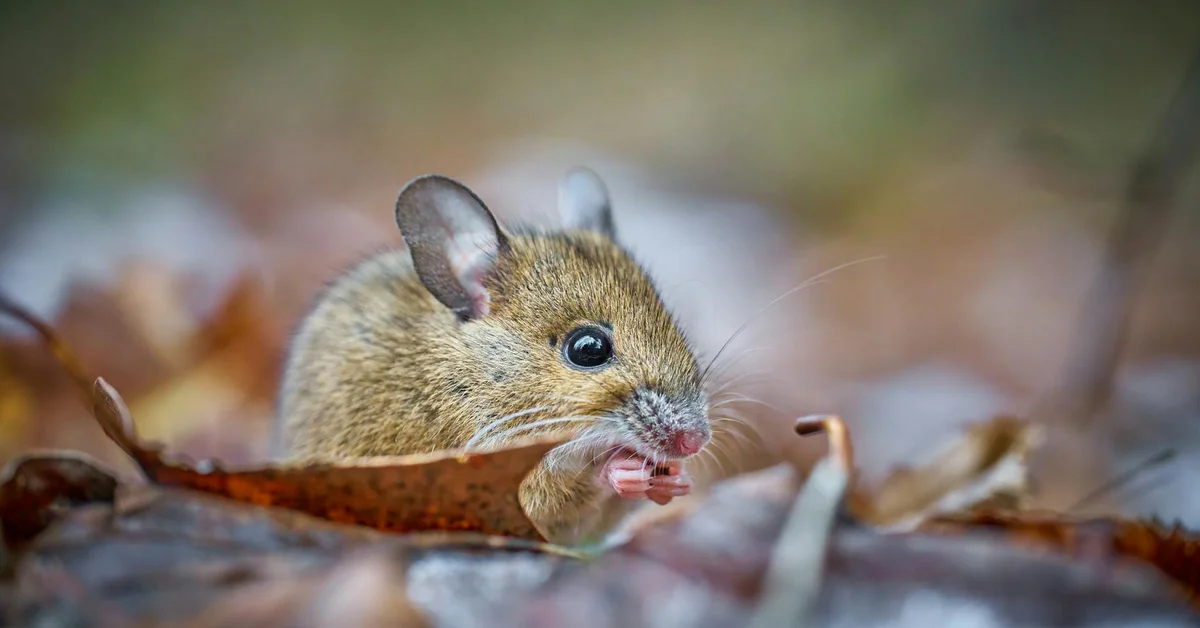
Learn to uncover your mouse’s hidden genetic story by observing their looks and family history. This hands-on approach connects visible traits to the underlying genetic code.
How Do You Read Phenotypes to Guess Genotypes?
Begin by studying your mouse’s coat color, eye hue, and body shape—each detail can whisper secrets about their genes. Careful observation lets you spot recessive traits that might be camouflaged by dominant ones. Watch for faint hints, like a dusting of lighter fur or an unexpected pattern, which often signal a carrier state. These visual clues can point toward alleles at common coat-color loci such as B, C, D, and P. Understanding coat-color loci helps you translate appearance into likely genotypes by revealing how those loci affect pigment production and distribution.
- Record the main coat shade and any distinctive marks.
- Match traits with parents’ features, if known.
- Spot skipped-generation signs, such as albinism or rare eye colors.
- Track litter surprises to fine-tune your predictions.
For example, a mouse with pink eyes and white fur (recessive albino) means both parents carry that recessive gene, even if they look ordinary. You become a genetics sleuth, weaving together family tales from simple observations.
How Do You Use Punnett Squares for Mice?
Punnett squares turn complex genetics into a visual map of possible offspring outcomes. They clearly show how dominant and recessive alleles mix in breeding pairs. Imagine crossing a black-coated mouse (dominant, B) with an albino (recessive, b).
| B (from black parent) | b (from black parent, if heterozygous) | |
| b (from albino parent) | Bb (black coat) | bb (albino coat) |
| b (from albino parent) | Bb (black coat) | bb (albino coat) |
If one parent is heterozygous black (Bb) and the other albino (bb), expect 50% black and 50% albino babies. Genetically, half will be Bb carriers and half bb expressers. This tool replaces uncertainty with clear, visual forecasts.
What Is Carrier Status and Why Does It Matter?
A carrier mouse hides one recessive allele under a dominant one, looking normal but passing on hidden traits. Carriers are genetic undercover agents, preserving traits that only surface in specific matches. A black-coated Bb mouse, for instance, won’t show albinism but can have albino young if paired with another carrier or albino.
- Carriers often arise from parents with mixed genotypes.
- They help maintain genetic variety in mouse groups.
- Controlled breeding tests reveal carrier status gradually.
Think of it as a silent ingredient in a recipe-invisible but impactful when combined. Identifying carriers lets you plan litters with confidence and fewer shocks.
What Do Real Mouse Examples Show?
Glimpse into my own mice to see genetics in action. I’ll share quick, heartfelt stories using Kenny, Gregory, or Jeffery only when they illuminate key points.
How Do Dominant Traits Express in Real Life?
Gregory’s deep brown coat, for example, reliably appeared in his offspring, showing how dominant traits often broadcast their presence. His consistent coloring in babies demonstrated the predictable path of dominant inheritance. If Gregory had two dominant alleles (BB), all young would inherit brown, but even one (Bb) could yield 75% brown in some crosses.
Watching those brown pups play reinforced that dominant genes don’t play hide-and-seek. Their steadfast appearance makes genetic forecasting feel like following a trusted roadmap.
What Surprises Can Recessive Traits Bring?
Once, two gray-coated mice of mine had a pure white baby, echoing Jeffery’s bright cheer. This joyful surprise revealed recessive genes emerging from unsuspecting carriers. Both parents carried the recessive white allele (Ww), leading to a 25% chance of a white (ww) mouse.
That little white newcomer reminded me that genetics holds quiet magic. Even typical-looking mice can shelter hidden genes that bloom unexpectedly. It’s a lovely nudge to embrace the wonder in every litter.
What Health-Related Genetic Traits Should You Watch For?
Genetic traits in mice stretch far beyond fur color, directly shaping their daily comfort and wellness. Autosomal dominant conditions emerge with just one gene copy from a parent, so if your mouse carries it, there’s a 50% likelihood they’ll pass it to their young. Autosomal recessive traits are more elusive, demanding two gene copies—one from each parent—to become visible, which explains why apparently healthy pairs can produce offspring with surprising health challenges. Those same genetic differences can also influence behavior, so some mice tend to be bolder, more curious, or more anxious than others. When asking whether mice have individual personalities, it’s important to consider both inherited traits and the animal’s experiences.
Inheritance isn’t a simple yes-or-no game. Penetrance reflects whether a trait appears at all, while expressivity captures how intensely it manifests, meaning one mouse might show a mild form and another a severe case, even with matching genes. Observing your pets closely helps you tailor care to their unique needs.
What Are the Coat-Related Health Considerations?
A mouse’s luxurious coat can sometimes hide subtle health demands tied to specific genes. Hairless or “fuzzy” mice frequently have delicate skin barriers, raising their risk for scratches, temperature shifts, and infections. I keep my hairless friends in warmer spots with soft, paper-based bedding to prevent discomfort.
- Satin-coated mice boast silky fur that tends to be fragile and prone to breakage. While not painful, this can give their coat a thinner appearance over time.
- Long-haired or “angora” varieties often find self-grooming tricky, especially around their hindquarters. Offering a gently textured surface, like a slightly roughened terracotta pot, lets them rub away mats safely.
- Recessive genes linked to unusual hair loss might signal hidden skin or immune concerns. Schedule a vet visit if you spot persistent bald patches or irritation.
How Do Eye and Vision Traits Affect Your Mouse?
Genes governing eye color often influence vision quality, calling for thoughtful habitat adjustments. Mice with pink or red eyes-common in albino and certain dilute coats-are highly light-sensitive due to minimal retinal pigment. My white mouse, Jeffery, consistently squints under bright lights and retreats to shaded nooks during daytime hours.
- Fill the cage with plenty of cover and dim areas. I rely on multiple opaque hideouts and never place enclosures in direct sun.
- Light-eyed mice might startle more easily from peripheral movements because depth perception varies. Gently speaking before handling helps them feel secure and aware.
- While dark-eyed mice face no special vision limits, remember that all pet mice depend heavily on whiskers and scent. Their eyesight is generally fuzzy, so arrange habitats with clear, scent-marked pathways.
What Structural and Physical Traits Impact Care?
Genetic blueprints can mold a mouse’s body shape, altering how you support their mobility and comfort. Manx or tailless mice miss a key balancing aid, making them clumsier climbers and less efficient at temperature control. Minimize fall risks and pile in extra nesting material to help them stay warm.
- Genes affecting spine length or posture might raise the odds of arthritis or movement struggles in older age. Watch for subtle gait changes or hesitancy to climb-these could hint at underlying structural differences.
- Ear size and placement, though mostly cosmetic, occasionally connect to inner ear developments that influence balance. Such cases are rare, but if your mouse often tilts or stumbles, consult a veterinarian.
What Simple Tools Can You Use to Track Your Mice’s Genetics?
Unraveling your pets’ genetic stories doesn’t require fancy equipment-just a bit of curiosity and note-taking. Maintaining a basic log deepens your grasp of their individual requirements and celebrates the unique tale encoded in their looks and behaviors. This is a fun, observational practice that makes you a more attentive owner.
How Can You Create a Simple Trait Chart?
A straightforward chart lets you neatly record phenotypes, or visible traits, for each mouse in your care. You can sketch this in a notebook or type it into a digital file for easy reference.
- Label columns with each mouse’s name and rows with traits like Base Color, Pattern, Eye Color, and Coat Texture.
- For colors, jot down simple terms: agouti, black, chocolate, fawn, or white.
- Note patterns: solid, spotted, banded, or broken.
- Eye color fits into dark (black or bead-like) or pink/red categories.
- Describe coat texture as standard, satin, long, rex (wavy), or hairless.
- My own chart for Kenny, Gregory, and Jeffery highlights how Gregory’s rich brown fur is a classic dominant trait, while Jeffery’s snowy white coat is a sweet recessive fluke.
How Can You Recognize Mendelian Inheritance Patterns?
If you know the traits of your mice’s parents, you can dabble in genetic detective work using basic Mendelian rules. When a trait pops up in a pup but not in either parent, it’s almost surely a recessive gene carried by both. An all-white mouse born to colored parents perfectly illustrates this hidden inheritance. These cases are explained with genetics 101 terms—genotype (the genetic makeup), phenotype (the visible trait), and alleles (different gene versions). Knowing words like dominant, recessive, homozygous, and heterozygous helps you describe and predict such outcomes.
- Dominant traits, like certain color patterns, tend to appear in every generation. If one parent shows a dominant trait, expect roughly half the offspring to display it too.
- For single obvious traits, a simple Punnett square visualizes probable outcomes. I used this to see how Kenny’s bold agouti coloring was a likely result from his lineage.
- Pet store mice often have mixed backgrounds, so patterns won’t always fit neatly. The real pleasure lies in watching and learning, not in chasing perfect predictions.
Frequently Asked Questions

How to explain dominant and recessive genes to a child?
Think of genes like instructions for traits, where dominant genes are like a bossy older sibling who always picks the game, and recessive genes are like a shy friend who only joins in if they have a partner. For example, in pet mice, a dominant gene might give black fur that shows up easily, while a recessive one needs two copies to make white fur appear, making it a fun way to see how traits are passed down.
How do I know if my mouse has dominant or recessive traits?
You can start by observing your mouse’s visible features, such as coat color or eye shade, and compare them to common dominant traits like black fur or rex coats, which often appear with just one gene. If a trait, like albinism or satin fur, only shows up in offspring from specific pairings, it’s likely recessive, and you might need to track family history or use breeding tests to confirm carrier status.
What is a real life example of a dominant trait in pet mice?
A clear dominant trait in pet mice is the rex coat, which has a curly or wavy texture and can appear even if only one parent passes on the gene. This means that if you breed a mouse with a rex coat, there’s a high chance the offspring will inherit this distinctive, plush fur without needing both parents to contribute the allele.
Final Thoughts
Grasping the fundamentals of dominant and recessive genes transforms how you see your mice, turning simple observations into a deeper appreciation for their unique biology. You’ll start to notice the genetic stories written in their fur colors and patterns, giving you a special insight into their individual histories. It also reveals the history of fancy mice — how generations of selective breeding shaped their distinctive colors and patterns. In this way, a mouse’s coat becomes a visible record of its lineage.
Use this knowledge as a tool for observation and connection, enriching your daily interactions with your small companions. It empowers you to be a more attentive and insightful caretaker, celebrating the wonderful complexity of your pet mice every single day.
Further Reading & Sources
- What are Dominant and Recessive?
- List of Dominant and Recessive Traits in Humans
- r/explainlikeimfive on Reddit: eli5: What are dominant and recessive genes?
Isabella is a passionate small pet enthusiast with over 8 years of experience in caring for mice. She loves sharing practical tips and heartfelt stories to help fellow mouse owners provide the best care for their tiny companions.
Mice Genetics