
Are Elephants Really Afraid of Mice? The Surprising Answer
Have you ever wondered why such a giant creature might fear something as small as a mouse, and felt curious about the truth behind this popular tale? Drawing from my deep knowledge of mouse behavior and years of caring for these gentle pets, I’ll guide you through the facts and fictions to give you a clear, reliable explanation.
In the sections ahead, we’ll cover the origins of this enduring myth and why it persists in stories and media, what scientific observations and expert insights reveal about elephant reactions to small animals, and the real reasons behind elephant behavior that often get misunderstood.
The Truth About Elephants and Mice
As a mouse owner, I can confidently tell you that the image of a mighty elephant trembling before a tiny rodent is pure fiction. Elephants do not possess an innate, phobic fear of mice. Their reactions, when they occur, are rooted in surprise and caution, not terror.
Imagine a creature as large as an elephant, with eyesight that isn’t its strongest sense. A small, quick, and unpredictable movement near its feet would startle anyone! My own mouse, Kenny, has this darting, energetic way of moving that can make me jump if I’m not expecting it. For an elephant, a mouse’s sudden appearance is less about the animal itself and more about the unexpected motion in its personal space.
The real dynamic is far more interesting than the myth suggests. Mice are naturally cautious and would likely be the more fearful party in such an encounter. My mouse Jeffery, for instance, is so observant and jumpy that the mere shadow of a bird outside the window can send him scuttling to his hide. A giant, rumbling elephant would be the most terrifying thing he could possibly imagine. That human–animal contrast leads naturally into the history and meaning of fancy mice. Over centuries, selective breeding and changing attitudes turned timid wild mice into the varied, cherished pets we know today.
Where This Myth Started
This tall tale has remarkably deep roots, stretching back centuries. It’s a story that has been passed down and amplified by popular culture, not by scientific observation.
- Ancient Folklore and Fables: The concept likely began in ancient times with storytellers using the extreme size difference for comedic or moral effect. Aesop’s fables and other folklore often used animals to represent human traits, and the idea of the largest land animal being bested by one of the smallest was a powerful metaphor for the unexpected underdog.
- Pliny the Elder’s Natural History: The Roman author wrote about mice gnawing on elephants’ trunks, which probably contributed to the myth’s longevity, despite being a fanciful account with no basis in biological fact.
- The Rise of Cartoons and Media: The 20th century cemented this myth in the public consciousness. Animated shorts, especially from studios like Disney, frequently depicted elephants frantically climbing furniture to escape a single mouse. These portrayals were designed for slapstick comedy, not to reflect reality.
Ultimately, the myth persists because it’s a charming and amusing idea. It plays on our fascination with contradictions and the idea that even the mightiest have a weakness. The ancient Greeks even gave Apollo the epithet Smintheus, linking the god to mice in cult and prophecy. That classical association shows how deeply animals like mice entered myth and meaning. From my experience, the real truth is that mice are wonderful, complex creatures whose lives are fascinating enough without needing to invent stories about them frightening giants.
What the MythBusters Experiment Revealed
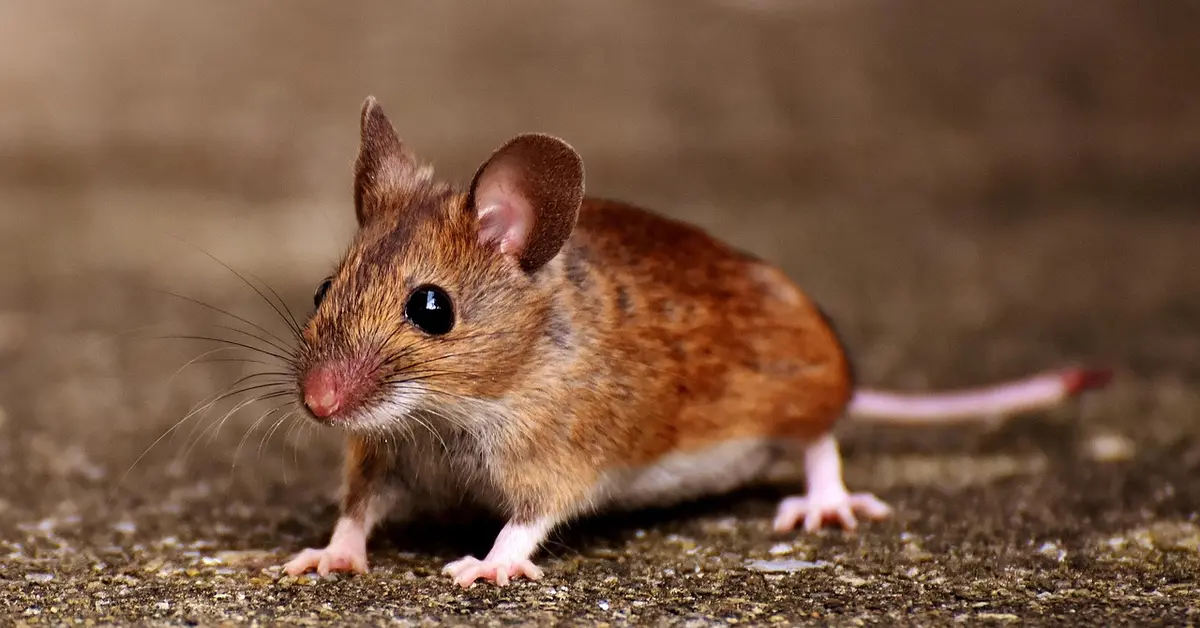
The popular television show MythBusters put this age-old question to the test in a controlled environment. They carefully introduced a mouse into an elephant’s enclosure to observe the pachyderm’s reaction. The elephants showed no signs of fear, but they did display a clear sense of caution and curiosity. Instead of trumpeting or stampeding away, the elephants would often extend their trunks to gently sniff and investigate the tiny creature. This tells us that the initial surprise of a small, fast-moving object is what captures their attention, not a deep-seated terror.
I find this result deeply reassuring for mouse owners. Our small companions are simply novel stimuli to larger animals, not objects of horror. The experiment strongly suggests that the myth is more about the unexpected nature of the encounter than any genuine phobia. Likewise, myths about minimum cage size for pet mice often come from alarm rather than evidence; understanding mice behavior and needs is what should guide housing decisions. Separating anecdote from research helps set humane, practical standards for keeping mice healthy and comfortable. It highlights how intelligence, not fear, guides an elephant’s interaction with the unknown.
How Elephant Senses Work Around Small Animals
Elephants experience the world very differently than we do, and their senses are key to understanding their reaction to mice. Their eyesight is relatively poor, especially for stationary objects or things directly under their feet. An elephant relies heavily on its exquisite sense of smell and sensitive hearing to interpret its surroundings. A mouse, being small and quiet, might not even register on their sensory radar until it’s very close or makes a sudden move.
Their massive size also creates a unique sensory challenge. Imagine trying to feel a single, tiny pebble inside your shoe while wearing thick boots. The sheer bulk and thickness of an elephant’s foot makes detecting a lightweight mouse incredibly difficult. This physical reality makes the idea of a mouse “frightening” an elephant by scurrying over its foot highly improbable from a sensory perspective.
Why Sudden Movement Creates Alarm
For any large animal, a sudden, unexpected movement in their peripheral vision can trigger a startle response. This is a basic survival instinct, not a specific fear of mice. An elephant’s startle reflex is a protective mechanism against potential threats like snakes or falling branches. A quick, darting mouse could initiate this same reflexive jump, which observers might mistakenly interpret as fear. Pets may also show fear or anxiety when they encounter quick, unpredictable creatures like mice. Understanding that the reaction is reflexive helps owners respond calmly and use gentle reassurance or gradual desensitization to help a scared pet.
From my experience with my own mice, like the energetic Kenny, I see this dynamic in miniature. When I move my hand too quickly into their enclosure, they often flinch and scatter. It’s not that they are afraid of my hand, which they know and trust, but the sudden, unpredictable motion puts them on high alert. This universal reaction to the unexpected helps explain the misunderstood interactions between giants and the smallest of creatures.
Mouse Behavior That Might Startle Large Animals
Mice are not trying to be alarming; they are simply behaving according to their nature. Certain innate behaviors, while perfectly normal in a mouse’s world, can be surprising to a much larger animal. In fact, mice do communicate. They use scent marks, ultrasonic vocalizations and body language to signal danger, territory and reproductive readiness.
- Erratic, Darting Movements: Mice don’t walk in straight lines. They move in quick, unpredictable bursts, which is a primary predator-avoidance tactic. This kind of motion is designed to be hard to track and can easily startle any creature, regardless of size.
- High-Frequency Squeaks: While we might not always hear them, mice communicate with a range of vocalizations. A sudden, sharp squeak could be an unfamiliar and puzzling sound to an elephant’s sensitive ears.
- Quick Appearances from Hiding: Mice are masters of staying hidden. Popping out from a log or a pile of straw without warning would surprise anyone, much like my mouse Jeffery sometimes does when he emerges from his tissue box nest.
- Investigative Nature: Mice are naturally curious and may run right up to a large, strange-smelling object (like an elephant’s foot) to inspect it. This bold, close approach from a tiny creature could be interpreted as a confrontational act.
Understanding these natural mouse behaviors helps us see the situation from both perspectives. It’s not a story of a mighty giant being afraid of a tiny mouse, but rather one of two very different species navigating a surprising encounter based on their own unique instincts and sensory worlds.
Why Cartoons Show Elephants Fleeing from Mice
Cartoons have long played with the idea of elephants panicking at the sight of a mouse, and this imagery stems from exaggerated comedy that plays on size contrasts. By making the massive elephant react to something so small, animators create a humorous situation that highlights unexpected fears. This trope often draws from folklore and early animation, where simplicity in storytelling made the joke universally understandable.
You might recall scenes where an elephant trumpets and stampedes away from a tiny rodent-this visual gag is designed to entertain rather than reflect reality. It taps into our own experiences of being startled by sudden movements or small creatures, making the elephant’s reaction relatable and funny. Over time, this portrayal became a staple in media, reinforcing the myth without any basis in animal behavior.
The Elephant Ear Mouse
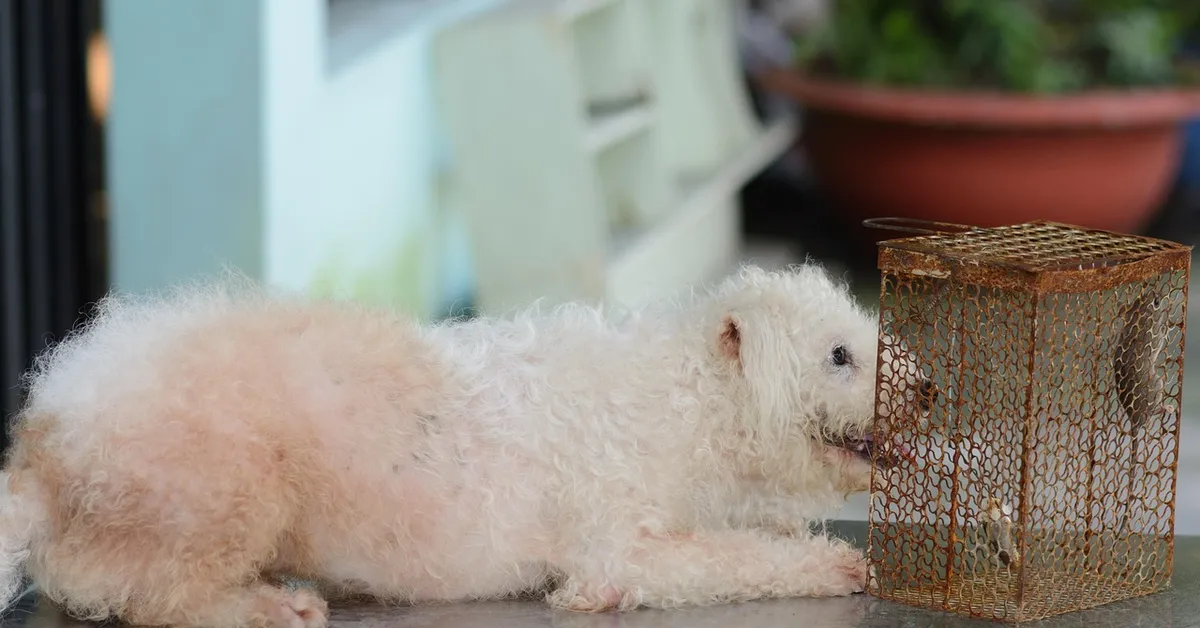
The term “elephant ear mouse” isn’t a real breed but refers to the persistent myth that mice might crawl into an elephant’s ear. This idea likely arose from the mouse’s curious nature and the elephant’s large, accessible ears, but it’s purely fictional. In reality, elephants have sensitive ears and would likely shake or deter a mouse long before any harm could occur.
From my experience with mice like Jeffery, who is naturally inquisitive, I’ve observed that they prefer familiar, small spaces over venturing into unknown, large areas. Mice are more focused on finding food and shelter in their immediate environment, not exploring potential dangers like an elephant’s ear. This myth overlooks the instincts that keep both animals safe in their own habitats. In winter, mice often move indoors seeking warmth and easy access to food, which makes them common household invaders. Their small size and preference for sheltered, familiar spaces mean homes are ideal refuges during the cold months.
- Mice avoid large animals due to their prey instincts
- Elephants have protective behaviors to ward off small intruders
- The myth is based on exaggeration, not scientific evidence
What Mouse Owners Should Know About This Myth
As a mouse owner, you might encounter people who believe this tale, and it’s helpful to address it with kindness and facts. Understanding the origins of the myth allows you to educate others while showcasing the gentle nature of pet mice. My mice, such as Kenny and Gregory, have never shown interest in large animals—they’re too busy exploring their enclosures or enjoying treats. Unlike in this myth, mice do form bonds with their owners and respond to gentle care.
When someone brings up this topic, you can gently explain that mice are timid creatures who prefer to hide rather than confront. Sharing that elephants and mice coexist peacefully in the wild can shift perspectives and reduce unnecessary fears. This approach not only debunks the myth but also promotes a better appreciation for these small companions. If you’re thinking of keeping mice as pets, this makes them gentle, rewarding companions. If you have other pets, however, take precautions because larger animals may see mice as prey. For more information, visit this page.
- Start by acknowledging the common belief without judgment
- Share simple facts about mouse behavior, like their avoidance of large spaces
- Use examples from your own care routine to illustrate their calm demeanor
Frequently Asked Questions
Is the idea that elephants are afraid of mice a myth?
Yes, the notion that elephants are inherently afraid of mice is a complete myth. Scientific observations and experiments, including those from MythBusters, confirm that elephants show no phobic fear but may startle at sudden, unexpected movements. This reaction is a general caution toward any quick, small object, not a specific terror of mice.
Why are elephants portrayed as afraid of mice in cartoons?
Cartoons depict elephants fleeing from mice as a humorous exaggeration based on size contrast and folklore. This trope amplifies the myth for comedic effect, making the elephant’s reaction relatable and entertaining, rather than reflecting real animal behavior. It stems from a long tradition in animation and storytelling that plays on unexpected fears for laughs.
What is an elephant ear mouse?
An “elephant ear mouse” is not a real breed or species but a fictional concept from the myth that mice might crawl into an elephant’s ear. In reality, mice are naturally timid and avoid large animals, while elephants have protective instincts to deter small intruders. This idea is purely speculative and unsupported by evidence.
Final Thoughts
So, the idea of a mighty elephant fleeing from a tiny mouse is a fun cartoon, but it doesn’t reflect the reality of these intelligent rodents. Your pet mouse is far more concerned with the cozy security of its nest and the next tasty snack than with causing chaos for larger animals. In fact, mice are highly social animals that prefer living in groups, sharing nests, and grooming one another. These social bonds help them stay safe, find food, and thrive in a community.
Focusing on what truly matters-like a safe habitat, a nutritious diet, and gentle interaction-will build a much stronger and more rewarding bond with your small companion. Observing your own mouse’s unique personality and behaviors is a far more fascinating story than any old myth. Understanding the house mouse (Mus musculus)—its preferred nesting habitat, omnivorous diet, and typical behaviors—helps you provide the right care. Tailoring housing, food, and handling to those traits will support its health and deepen your bond.
Further Reading & Sources
- Are elephants afraid of mice?
- Is it True That Elephants Are Afraid of Mice? – Encyclopedia.com
- r/ExplainTheJoke on Reddit: Why are elephants scared of mice/Disney?
Isabella is a passionate small pet enthusiast with over 8 years of experience in caring for mice. She loves sharing practical tips and heartfelt stories to help fellow mouse owners provide the best care for their tiny companions.
Mice in Culture & Media