
The Ethics of Animal Testing: The Case of the Lab Mouse
Have you ever felt a pang of concern for the tiny, whiskered lives behind laboratory doors? As someone who has nurtured pet mice for years, I understand that mix of curiosity and unease-and I am here to offer a thoughtful, grounded exploration of this sensitive subject.
We will walk through the vital contributions of lab mice to human and animal health, examine the principles and regulations that shape their treatment in research, and consider the evolving landscape of scientific alternatives that aim to reduce reliance on animal models.
Understanding Lab Mice: What Makes Them Different from Pet Mice?
What Does “Lab Mouse” Actually Mean?
A “lab mouse” isn’t just a mouse that lives in a laboratory. It refers to a mouse that has been specifically bred, often for countless generations, for the purpose of scientific research. These animals are biological tools, genetically standardized to reduce variables in experiments, which is a world away from the unique, unpredictable personalities of our pet companions. Their entire existence, from their genetics to their diet and environment, is meticulously controlled. While my pet mice, like the ever-inquisitive Kenny, experience a life full of novel toys and varied snacks, a lab mouse’s world is one of remarkable consistency.
This controlled breeding creates a crucial distinction. Pet mice are outbred, meaning they have a wide genetic diversity, much like the human population. Lab mice are often inbred, creating genetically identical lines. This genetic uniformity makes them perfect for testing how a single variable, like a new drug, affects a biological system, but it also means they may not represent a “normal” mouse’s full range of responses. Their lives are defined by protocols, not by the spontaneous joy of discovering a new cardboard tube.
Common Types of Lab Mice and What They’re Used For
You might be surprised by the variety of mice used in research. They are not all the same, and their specific traits determine their fate in studies.
- C57BL/6 (Black 6): This is one of the most common strains, often called the “standard” lab mouse. They are widely used in genetics, immunology, and neuroscience research because their genome was the first to be fully sequenced.
- BALB/c: Known for being relatively docile and producing strong antibody responses, this albino strain is frequently used in immunology, vaccine development, and cancer research.
- NOD (Non-Obese Diabetic): These mice spontaneously develop autoimmune diabetes, making them an invaluable model for studying Type 1 diabetes in humans.
- Nude Mice: These mice lack a thymus gland and therefore cannot grow T-cells, a critical part of the immune system. This immunodeficiency allows researchers to transplant human tumors or tissues into them to study cancer and other diseases without rejection.
Each of these types represents a lifetime of specialized breeding for a specific purpose, a stark contrast to the mixed heritage of our beloved pet store mice.
The Core Ethical Questions Surrounding Lab Mice
Do Lab Mice Feel Pain and Emotion?
Having cared for mice for years, watching Gregory’s calm, patient demeanor and Jeffery’s anxious, cheerful twitches, the answer feels instinctually clear. Scientific evidence strongly supports this lived experience. Mice possess specialized nerve endings, called nociceptors, that detect painful stimuli and send signals to their brains, creating a conscious experience of pain. They don’t just reflexively pull away from something hot; they learn to avoid it, indicating a memory of the unpleasant sensation.
Their emotional capacity is equally compelling. Studies show that mice exhibit behaviors we readily recognize as joy, fear, anxiety, and even empathy. They can become optimistic or pessimistic based on their life experiences, and they have been observed comforting a cagemate in distress. When I see Kenny’s restless, playful energy after I refresh his cage, it’s not a stretch to call that happiness. The ethical weight comes from acknowledging that a lab mouse, genetically similar to my own pets, possesses this same rich inner world, even within the sterile walls of a research facility.
The Moral Status Debate: Do Mice Deserve Rights?
This is the heart of the ethical dilemma. Moral status is the question of which beings deserve our direct moral consideration and protection from harm. One common viewpoint argues that rights are tied to complex cognitive abilities like self-awareness or the use of sophisticated language, capacities mice likely lack. From this perspective, while causing mouse suffering is regrettable, it can be justified by the greater human benefit of medical advances.
A contrasting viewpoint, and one many pet owners gravitate towards, is that the capacity to suffer is the only prerequisite for moral consideration. If a being can feel pain and experience distress, it has an interest in not suffering, and we have a moral obligation to respect that interest. This line of thinking challenges us to extend our circle of compassion to include these small, sensitive creatures, granting them a right to humane treatment and a life free from unnecessary torment. The debate isn’t about giving mice the right to vote, but about affording them the right to not be mere instruments for our use. When applied to wild mice kept as pets, this perspective raises concrete legal and ethical questions about capture, ownership, and minimum welfare standards. It demands that pet law consider whether current regulations adequately protect wild mice or whether specific statutes are needed to prevent exploitation and suffering.
Watching my three mice interact-each with distinct desires and aversions-solidifies my belief that they are individuals, not just a collective category. This personal connection forces a difficult but necessary question: where do we draw the line between a living being we cherish and one we experimentally use?
How Mice Are Actually Used in Laboratories
Housing Conditions and Environmental Welfare
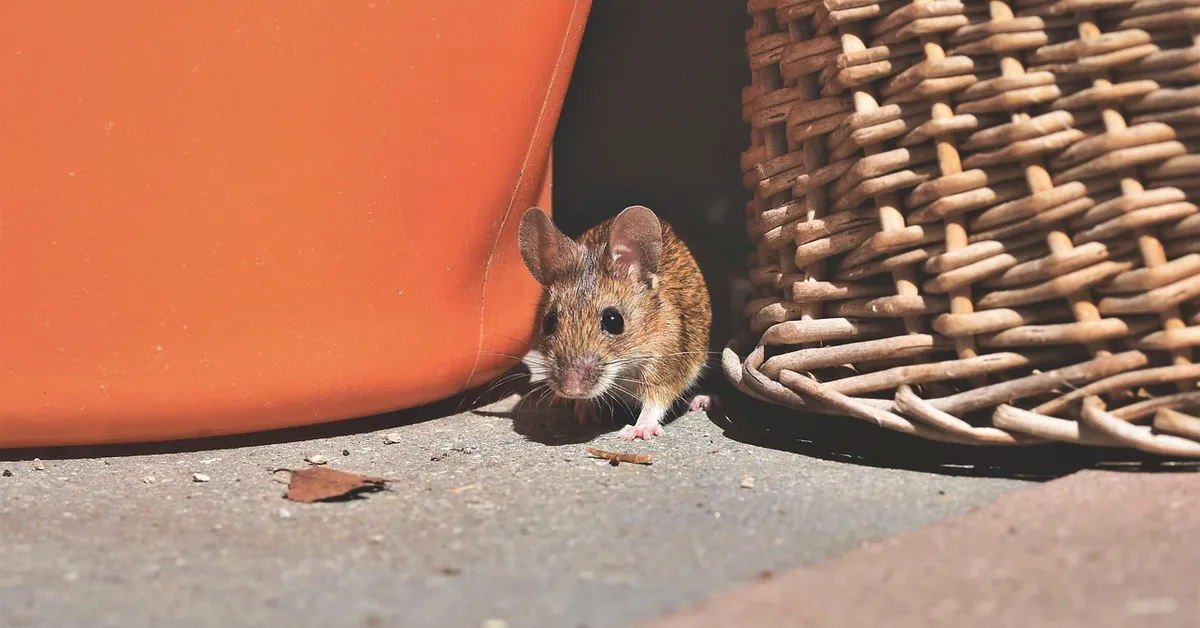
Many people picture laboratory mice living in stark, solitary cages, but the reality is often more complex and varies greatly between facilities. Standard housing typically involves small, sterile plastic cages with wire lids, bedding material, and limited space for natural behaviors like burrowing or climbing. While food and water are provided automatically, these environments lack the complexity and enrichment that a pet mouse enjoys, which can lead to signs of chronic stress such as repetitive bar-mouthing or over-grooming.
I’ve seen firsthand with my own mice, like Kenny, how vital exploration and play are for their mental well-being. In a lab, providing nesting material, shelters, and even simple objects like paper tubes can dramatically improve a mouse’s quality of life, reducing abnormal behaviors and promoting psychological health. The temperature and humidity are strictly controlled for scientific consistency, but this controlled climate does little to satisfy a mouse’s innate need for a dynamic and engaging environment. The mouse quality of life framework captures this broader view of welfare, prioritizing enrichment and behavioral opportunities alongside physiological needs. Applying that framework helps labs systematically assess and improve mice’s daily experience.
Euthanasia Methods and Humane Endpoints
Euthanasia is a standard, pre-planned part of most laboratory studies involving mice. The goal is to end life using methods deemed the quickest and least stressful, with carbon dioxide exposure and cervical dislocation being among the most common techniques (learn more). Researchers are trained to identify what are known as “humane endpoints”—specific, predetermined signs of suffering like significant weight loss, labored breathing, or tumors that impede movement.
When a study reaches these endpoints, the mouse is euthanized to prevent further distress. It is a difficult but critical ethical concept designed to minimize prolonged pain, ensuring that an animal’s life is not extended needlessly when severe suffering is present. The process is governed by strict institutional protocols, though the emotional weight of the decision remains heavy for the caregivers involved. Consequently, methods that cause prolonged suffering—such as freezing or drowning—are considered inhumane and are not permitted; euthanasia must be performed only by approved, humane techniques under veterinary oversight.
The 3Rs Framework: Replacement, Reduction, and Refinement
This framework guides ethical research and represents a significant shift in how scientists approach animal testing.
- Replacement: Pushing for methods that avoid using live animals entirely, such as computer models or cell cultures.
- Reduction: Using the minimum number of animals necessary to obtain statistically valid results from an experiment.
- Refinement: Modifying procedures to lessen pain, suffering, and distress while improving animal welfare throughout their lives.
The 3Rs are not just ideals; they are actively integrated into research proposals and are often a requirement for funding and approval. This framework encourages a constant re-evaluation of methods, pushing science toward more compassionate and efficient practices every single day.
Pain Management and Welfare Assessment in Lab Settings
Just like when my mouse Jeffery needed care, recognizing pain in a laboratory setting is fundamental. Technicians and researchers are trained to use detailed scoring sheets that monitor subtle changes in behavior, appearance, and activity levels to gauge well-being. A mouse in pain may stop grooming its fur, leading to a ruffled coat, or it may hunch its back and isolate itself from cage mates. These observable signs are exactly what to watch for when trying to tell if a mouse is in pain. Simple checklists or scoring sheets can help make that assessment more objective.
When procedures are expected to cause discomfort, pain relief is administered. Providing analgesics and ensuring post-procedure care is a core part of refinement, directly addressing an animal’s experience and striving to make it as comfortable as possible. This careful observation and intervention are crucial for upholding the ethical standards promised by the 3Rs.
Current Alternatives to Mouse Testing
The scientific landscape is rapidly evolving with exciting technologies that can reduce reliance on animal models.
- Organ-on-a-Chip Technology: Tiny, engineered devices that mimic the structure and function of human organs, allowing for drug testing on human cells instead of live animals.
- Advanced Computer Modeling: Sophisticated simulations that can predict how a substance will behave in a biological system.
- Human Cell-Based Tests: Using donated human tissues and stem cells to create more relevant models for human disease and treatment response.
While these alternatives are not yet perfect replacements for all types of research, their development and adoption are accelerating, offering a promising future with fewer animals in labs. Every advance in this area brings us closer to a world where scientific progress and animal welfare are no longer in conflict.
Regulation and Oversight: Who Protects Lab Mice?
In the United States, a system of regulations and oversight committees is designed to protect animals in research. Any institution that uses animals for federally funded research must have an Institutional Animal Care and Use Committee (IACUC) that reviews and approves all proposed studies. This committee includes veterinarians, scientists, and community members who ensure that protocols follow animal welfare laws and principles.
The IACUC conducts regular, unannounced inspections of animal facilities. Their power to suspend any research project that causes unnecessary pain or distress is a critical check on laboratory practices, providing a layer of accountability within the system. This internal oversight is supplemented by federal laws, though these laws have a significant and surprising gap.
The Gap in Legal Protection for Mice and Rats
Here lies one of the most contentious issues in lab animal ethics. The Animal Welfare Act, the primary federal law governing animal treatment in research, explicitly excludes birds, rats, and mice bred for research. This means the vast majority of animals used in labs-over 90%-are not afforded the minimal legal protections outlined in this act, including under any legal framework for lab animal welfare.
They are still covered by other guidelines and institutional policies, but the lack of federal legal status is profound. This legal loophole means that the creatures we share our homes with, who show such distinct personalities and capacity for joy and fear, are considered legally expendable in a laboratory context. It is a stark reminder that the fight for their ethical treatment often happens outside the courtroom, driven by public pressure, scientific ethics, and the dedication of individual caregivers.
Scientific Validity: Does Mouse Testing Actually Work?
Looking at my own mice-Kenny’s bold curiosity, Gregory’s steady calm, and Jeffery’s cheerful anxiety-I see three distinct personalities. This individuality is a core reason why translating lab mouse results to humans remains profoundly challenging. Mice share about 97.5% of their working DNA with us, making them useful for studying basic biological processes.
Their rapid breeding and small size allow researchers to observe genetic and disease progression quickly. Yet a mouse is not a tiny human, and their physiological differences often lead to failed drug trials. Treatments that appear miraculous in mice frequently prove ineffective or even dangerous in human clinical trials. The very nature of a controlled lab environment, which strips away the complexity of a natural life, can itself skew results.
Key Limitations in Mouse Research
- Metabolic Differences: A mouse’s metabolism is a high-speed engine compared to our own, processing substances at a vastly different rate.
- Genetic Disparities: While our genes are similar, the way they are regulated and expressed can be worlds apart.
- Stress Factors: The stress of lab handling and housing can alter a mouse’s immune system and biology, muddying experimental data.
- Symptom Interpretation: We cannot ask a mouse where it hurts; we must infer its pain or discomfort from external signs, which is an imperfect science.
What Pet Mouse Owners Can Learn from Lab Mouse Ethics
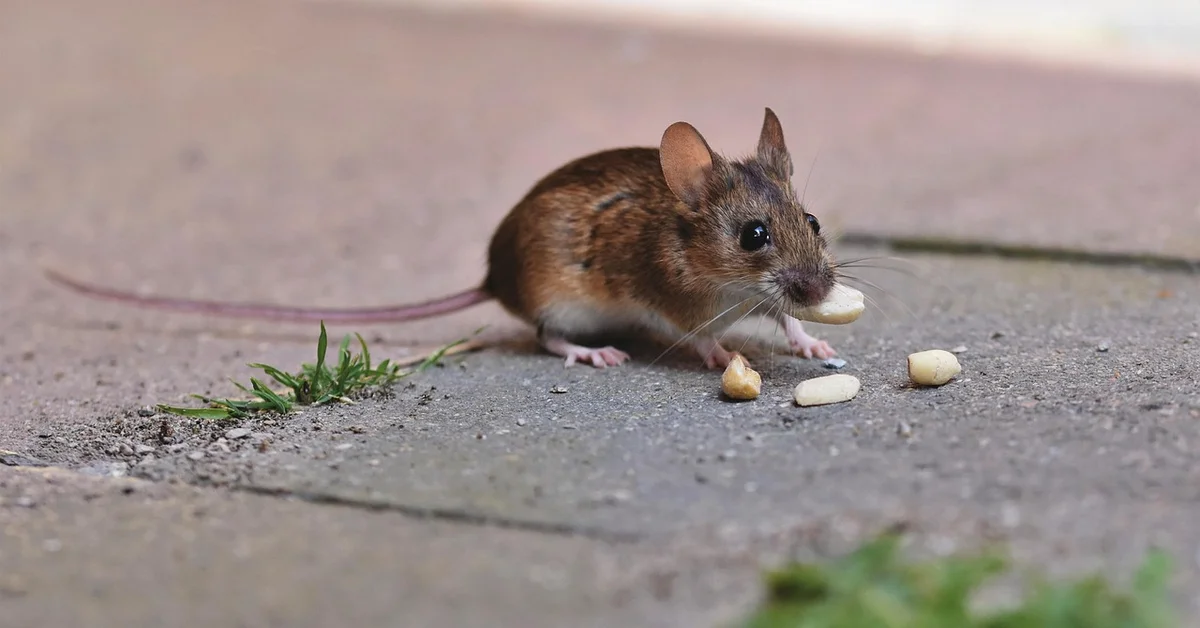
Caring for my trio has taught me that their world is rich with thought and feeling. The ethical questions raised by laboratory use directly inform how we should treat the small lives in our own cages. Every choice we make, from cage size to snack time, is a reflection of our moral responsibility.
Applying Ethical Standards to Your Pet Mice
We can adopt principles from research ethics to become better pet guardians. The core idea is to prioritize their well-being as sentient individuals, not just as pets we own. This means looking past our own convenience to see the world from their tiny perspective.
- Provide Meaningful Space: Go beyond the minimum cage size. A complex habitat with tunnels, platforms, and digging boxes mimics a natural environment and prevents boredom.
- Ensure Social Fulfillment: Mice are deeply social. House them in compatible, small groups, observing their interactions like I do with my boys to ensure harmony.
- Offer Voluntary Interaction: Let your mouse choose to engage. Place your hand in the cage and allow them to approach on their terms, building trust instead of forcing handling.
- Enrich Their Daily Life: Introduce novel items regularly-a paper towel roll one week, a small cardboard box the next. This simple act provides mental stimulation crucial for their cognitive health.
- Manage Pain Proactively: Learn the subtle signs of illness or discomfort, like squinted eyes or a hunched posture. Seek veterinary care that understands rodent pain management.
Supporting Rodent Welfare Beyond Your Home
Our compassion does not have to stop at our own cage doors. Becoming an advocate for all rodents is a powerful extension of the love you show your pets. Your unique understanding of mouse intelligence and sensitivity makes your voice valuable.
You can support organizations working to develop and promote non-animal testing methods, often called New Approach Methodologies (NAMs). These include sophisticated computer models and human cell-based tests that can be more accurate than animal models. Supporting and advocating for NAMs helps reduce reliance on animal testing by providing scientifically validated alternatives. Donating to or volunteering with small animal rescues helps rodents directly, offering them a second chance at a good life.
- Choose to buy from companies that are certified cruelty-free, showing there is a market for ethical science.
- Educate friends and family about the complex inner lives of mice, breaking down stereotypes.
- Support local shelters that take in small animals like mice, hamsters, and rats.
Frequently Asked Questions
What are the ethical issues concerning lab rats?
Lab rats face many of the same ethical challenges as lab mice, including concerns about pain, distress, and confinement in controlled environments. Like mice, rats are intelligent and social animals, so their use in research raises questions about their welfare, especially in studies involving behavioral or psychological stress, where their natural instincts and needs may not be fully met.
Additionally, rats are often subjected to procedures that can cause suffering, such as toxicity testing or disease induction, highlighting the need for strict adherence to humane endpoints and the 3Rs framework to minimize harm. Their exclusion from certain legal protections, similar to mice, further complicates efforts to ensure their ethical treatment in laboratories.
What is lab mouse behavior?
Lab mouse behavior includes a range of natural and stress-induced actions that provide insights into their welfare. In laboratory settings, mice may exhibit behaviors like nesting, grooming, and social interactions with cage mates, which are signs of well-being when expressed normally. Mice are highly social animals that rely on interactions with cage mates for normal development and well-being. Disrupting their social groups can cause stress and alter the behaviors researchers observe.
However, due to the sterile and confined conditions, they can also develop abnormal behaviors such as repetitive bar-mouthing or over-grooming, indicating chronic stress or boredom. Observing these behaviors helps researchers assess and improve housing conditions through environmental enrichment to promote better mental and physical health.
What are the ethical considerations for lab animals?
Ethical considerations for lab animals revolve around balancing scientific goals with the moral obligation to prevent unnecessary suffering. This includes ensuring that animal use is justified by potential benefits, implementing pain management strategies, and providing species-appropriate care that meets their physical and psychological needs.
Key principles involve adhering to frameworks like the 3Rs (Replacement, Reduction, Refinement) to minimize animal use and refine procedures, as well as establishing humane endpoints to avoid prolonged distress. Oversight by committees, such as IACUCs, helps enforce these standards, though gaps in legal protection for certain species remain a concern.
Your Path Forward
Your unique bond with your pet mice gives you a special window into the lives of these complex, feeling creatures. Recognizing their capacity for curiosity, fear, and comfort in our homes makes the ethical questions surrounding their use in labs deeply personal and significant. Especially when you know they can recognize their owners.
Even small, conscious choices, like supporting companies that use alternative testing methods, contribute to a larger wave of change. Continue to learn, share your perspective as a mouse caretaker, and let the well-being of these intelligent animals guide your compassion and actions.
Further Reading & Sources
- Ethical Considerations in Mouse Experiments – PubMed
- r/labrats on Reddit: Ethical quandaries with mouse work, need advice
- Double standards in animal ethics: why is a lab mouse better protected than a cow?
Isabella is a passionate small pet enthusiast with over 8 years of experience in caring for mice. She loves sharing practical tips and heartfelt stories to help fellow mouse owners provide the best care for their tiny companions.
Mice in Science & History