
How to Find a Qualified Exotics Vet for Your Mouse
Has your mouse ever seemed unwell, making you wonder where to find a veterinarian who truly grasps their delicate nature and specific health needs? This guide is designed to ease your search by providing a straightforward, actionable plan to connect with a professional skilled in rodent medicine.
We will outline reliable methods to identify and choose the right caregiver for your pet. You will learn how to locate specialists through online tools and local networks, evaluate a vet’s experience with mice, and know which critical questions to ask before scheduling an appointment.
Why Your Mouse Needs an Exotic Animal Veterinarian
Think of your mouse not as a tiny pet, but as a complex creature with a unique biological blueprint. Their rapid metabolism and small size mean health issues can escalate from minor to critical in mere hours. A standard dog-and-cat veterinarian simply isn’t trained to interpret the subtle signs of a mouse’s illness or handle their delicate bodies safely. I’ve learned through stressful emergencies that having an exotics vet is the difference between panic and having a clear, knowledgeable action plan.
Mice mask their pain as a survival instinct, a behavior I’ve witnessed firsthand with my own cautious mouse, Gregory. What looks like a little lethargy could signal a serious respiratory infection needing immediate, specific antibiotics. Exotics veterinarians possess the specialized equipment, from tiny stethoscopes to micro-sized surgical tools, required for accurate diagnosis and treatment. They understand that a mouse’s world is one of delicate balances. Learning to tell if your mouse is in pain is key — look for subtle signs like decreased grooming, a hunched posture, reduced activity, or changes in eating and breathing. If you spot any of these, seek an exotics vet promptly.
What Qualifications Should You Look For in a Mouse Vet?
Finding the right medical professional for your mouse requires you to be a savvy detective. You are looking for a specific blend of formal education and practical, hands-on skill. Your goal is to find a vet who sees your mouse as a patient, not just a novelty.
Board Certification and Specialized Training
The most definitive credential a veterinarian can hold is board certification in a specialty. This isn’t a weekend course; it represents years of dedicated study and rigorous examination.
- Look for a veterinarian who is a Diplomate of the American Board of Veterinary Practitioners (ABVP) specializing in Exotic Companion Mammals.
- Seek out vets who are active members of professional associations like the Association of Exotic Mammal Veterinarians (AEMV), as this demonstrates a commitment to ongoing education.
- Verify that the veterinary practice itself is equipped for exotics, featuring incubators for critical care, isoflurane anesthesia machines suitable for small animals, and in-house laboratories that can run tests on tiny blood samples.
Board certification is your strongest assurance that the vet has proven expertise beyond general veterinary school. It’s the equivalent of choosing a pediatric heart surgeon over a general practitioner for your child’s complex operation.
Hands-On Rodent Experience
A diploma on the wall is vital, but it must be paired with consistent, practical experience. Theory and practice are two very different things when dealing with a patient that fits in the palm of your hand.
- Don’t hesitate to ask a clinic directly: “How many mouse patients do you typically see in a month?” A consistent flow indicates regular, practical experience.
- Inquire about common procedures they perform on mice, such as dental trims for overgrown incisors, lump removals, or treatment for chronic respiratory issues.
- A seasoned exotics vet will have a calm, confident approach to handling. They know how to perform a physical exam without causing stress and can draw a blood sample from a tail vein with minimal fuss.
The best vet for your mouse is one who has a steady hand, a keen eye for subtle symptoms, and a deep well of experience with rodents. I value this practical wisdom immensely; it’s what allowed a vet to quickly diagnose my impulsive mouse, Kenny, with a minor skin irritation before his constant scratching made it worse. Picking a vet for your mouse can be a daunting task, but it’s worth the effort.
Where to Search for an Exotics Vet Near You

Online Veterinary Directories and Resources
Your computer is the most powerful tool for starting this search. I always begin with the Association of Exotic Mammal Veterinarians (AEMV) website, which has a dedicated “Find a Vet” function. This directory is curated by the professionals who set the standards for exotic pet care, making it a gold-standard starting point. Another excellent resource is the American Animal Hospital Association (AAHA) website; while not all excellent clinics are AAHA-accredited, those that are have met rigorous standards, and you can filter your search for exotic practices. Don’t forget a simple Google Maps search for “exotic veterinarian near me”-this often reveals smaller, fantastic clinics that might not be on the larger directories.
Local Exotic Pet Communities and Referrals
Never underestimate the power of word-of-mouth from fellow pet owners. Local knowledge is invaluable. Connecting with a local exotic pet community, often found on Facebook or dedicated forums, provides you with unfiltered, real-world reviews and recommendations. I found my current vet through a local rodent enthusiast group. You can also ask for referrals at independent pet stores that specialize in small animals; the staff often know which local vets their most knowledgeable customers trust. These personal accounts can tell you more about a vet’s bedside manner and practical skill than any online bio.
University Veterinary Teaching Hospitals
If you live near a university with a veterinary school, you have access to one of the best resources available. These teaching hospitals are on the cutting edge of veterinary medicine. University veterinary hospitals often have dedicated exotic animal departments staffed by board-certified specialists and residents who are deeply passionate about these unique patients. While appointments might take a bit longer to schedule, the level of care and diagnostic capability is often unparalleled. The cost can sometimes be higher, but for complex issues, the expertise is worth its weight in gold.
Questions to Ask When Calling Exotics Veterinary Clinics
Once you have a shortlist, pick up the phone. A quick call can save you a wasted trip. Be prepared with these key questions:
- Does the veterinarian on staff have specific experience treating fancy mice?
- How many mouse patients does the practice typically see in a month?
- What is the protocol for after-hours emergencies?
- Can they perform common procedures like lump removals or dental work on a mouse?
- Do they have the necessary equipment, such as a gram scale for precise weighing and a small anesthesia machine?
The way the staff answers these questions will tell you everything; a confident, knowledgeable response is a very positive sign. If they seem hesitant or dismissive about such a small pet, it’s best to continue your search. I once called a clinic that proudly stated they saw “all kinds of pets,” but when pressed, admitted their experience with mice was limited to “the occasional one.” That was a hard pass for me and my boys.
What to Evaluate During Your First Visit
Signs of a Qualified Small Pet Veterinarian
Your first appointment is a two-way interview. Observe everything. A qualified vet will demonstrate their expertise through their actions. If your pet is over-grooming or causing self-injury, watch how the vet inspects the skin and questions you about behavior and environment. A good vet will explain likely causes and outline diagnostic and treatment steps, including follow-up care.
- They handle your mouse gently and confidently, using calm, secure restraint methods.
- They ask detailed questions about your mouse’s diet, habitat, and behavior at home.
- They perform a thorough physical exam, checking teeth, listening to the heart and lungs with a pediatric stethoscope, and palpating the abdomen.
- They explain their findings in clear, understandable terms and discuss all treatment options with you.
- They treat you and your pet with respect and seem genuinely interested.
A great exotics vet sees your tiny mouse not as a lesser patient, but as a complex creature deserving of specialized, compassionate care. My vet, for instance, always talks to my nervous Jeffery in a soft, soothing voice throughout the exam, which makes a world of difference.
Red Flags to Watch For
Just as important as the positive signs are the warnings. Trust your instincts if you notice any of the following.
- The veterinarian seems uncomfortable or clumsy when handling your mouse.
- They dismiss your concerns or observations about your pet’s behavior.
- They recommend treatments or medications without a clear explanation of the diagnosis and rationale.
- The clinic lacks basic small animal equipment or seems generally disorganized.
- They are unable to provide an estimated cost for common procedures upfront.
Your mouse’s health is too precious to entrust to a clinic that shows a lack of interest or proficiency in their unique needs. Walking away from a bad fit is not a failure; it’s a responsible decision for your pet’s well-being. I once left a clinic mid-consultation when the vet suggested a one-size-fits-all antibiotic for Kenny without even doing a proper exam. Your peace of mind is part of the package. That’s why the best choice is a preventative mouse health guide; it shows you how to spot early signs, prevent common problems, and choose a vet who truly understands your pet.
Understanding Exotic Pet Vet Costs for Mouse Care
Caring for a small pet should never lead to financial shock. Veterinary expenses for mice can vary significantly based on your location and the required services. A standard wellness check might be surprisingly affordable, while complex diagnostics or surgery represents a more considerable investment. It’s always a good idea to budget for regular vet visits when caring for any small animal.
To help you budget, here are common services and their potential cost ranges:
- Basic Wellness Exam: $50 – $80
- Nail Trim (if needed): $15 – $25
- Fecal Parasite Test: $25 – $45
- Antibiotics or Basic Medication: $20 – $40
- X-rays (Radiographs): $100 – $250
- Lump Removal or Minor Surgery: $200 – $500+
These figures are estimates, so always ask for a detailed cost breakdown beforehand. I never leave the house for an appointment without confirming the exam fee over the phone. This simple call saved me from a costly surprise with my first mouse years ago.
Managing these costs is part of responsible ownership. Explore these options:
- Pet Insurance: Some providers now offer plans for exotic pets, covering a portion of unexpected illness or injury costs.
- Veterinary Payment Plans: Many clinics partner with services like CareCredit, allowing you to pay for treatment over time.
- Clinic Savings Plans: Certain corporate veterinary hospitals offer annual plans that include wellness services for a monthly fee.
Preparing for Your Mouse Vet Appointment
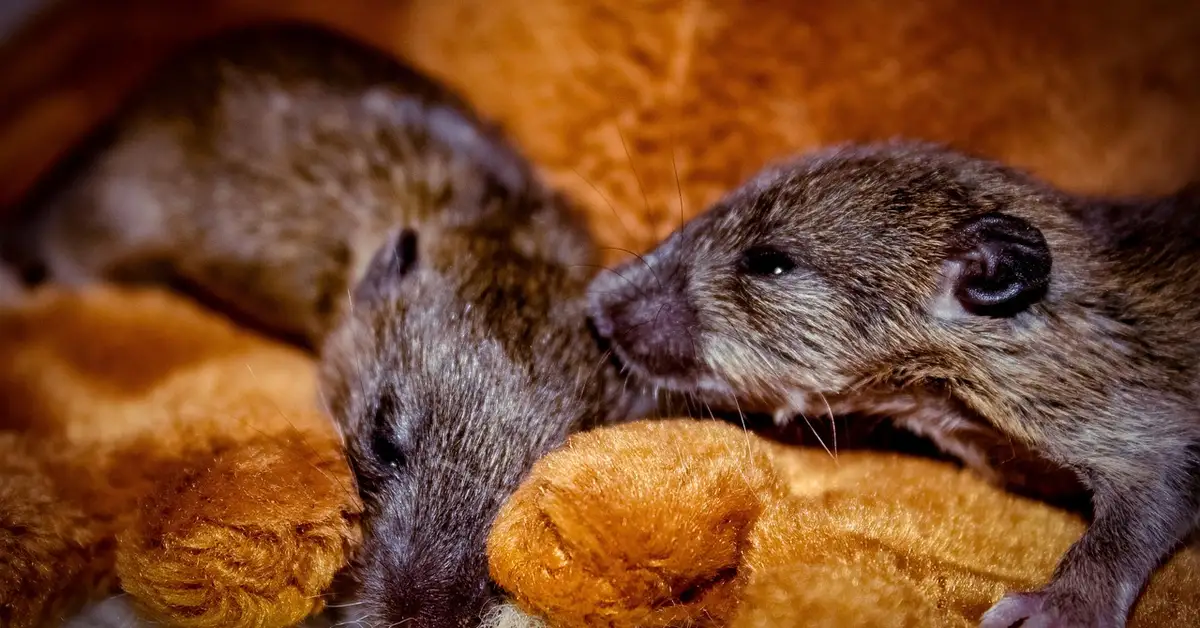
A little preparation transforms a potentially stressful vet visit into a smooth, productive experience for you and your mouse. Creating a “mouse bag for transportation” the night before ensures you won’t forget anything crucial in the morning rush.
Your preparation checklist should include:
- A secure, small carrier with soft, familiar bedding from their cage.
- A favorite treat to encourage cooperation, like a tiny piece of a sunflower seed for Kenny.
- A recent photo of your mouse’s full habitat setup.
- A list of their current diet, including brand names and treats.
- Any questions you have written down in your phone’s notes app.
Gather a brief history of your mouse’s health. The vet will want to know:
- When you first noticed any changes in behavior or appetite.
- The brand and type of food you use, and any recent changes.
- If you have other pets, especially other rodents, and their health status.
- Your mouse’s normal activity level and personality traits.
During the visit, keep your mouse comfortable and secure. I always place a small, clean hand towel over the carrier to dim the lights and muffle frightening sounds. This simple trick helps keep my more anxious mouse, Jeffery, much calmer. If your mouse shows signs of fear or anxiety, tell the vet so they can recommend calming strategies. These steps help a scared pet stay calmer during exams. Speak softly to your pet and let the vet guide the handling.
When You Need an Emergency Exotic Vet
Time is of the essence when a tiny mouse becomes ill. Recognizing a genuine emergency can be the difference between life and death for your small companion. Mice are masters at hiding weakness, so obvious symptoms are a serious sign. The universal signs sick mouse visual guide below shows clear, easy-to-spot cues to watch for. Use it as a quick reference to decide when to act or seek veterinary care.
You are facing a potential emergency if you observe any of the following:
- Labored, noisy, or rapid breathing
- Any visible bleeding that does not stop within a minute
- Profound lethargy or unresponsiveness
- Complete refusal of food and water for over 12 hours
- Seizures, tremors, or a significant head tilt
- Straining to urinate or evidence of bloody urine
Do not wait to see if they improve. Having an emergency plan in place before disaster strikes is one of the most responsible actions a pet owner can take. I keep this information saved in my phone and on a card on my refrigerator.
Your emergency plan should identify:
- Your primary vet’s after-hours phone number and instructions.
- The location and contact info for the nearest 24/7 emergency veterinary hospital that accepts exotic pets.
- The route to that hospital and an alternate route.
- A backup contact who can help if you are unavailable.
Many standard emergency clinics will stabilize an exotic pet before referring them to a specialized facility. Specialized emergency veterinary referral hospitals for exotics are invaluable but can be hours away, so knowing your closest option is critical. When my mouse Jeffrey had a sudden breathing issue, knowing exactly which 24/7 hospital to call saved us precious minutes. Keep this emergency contact information readily available-it’s a small step that carries immense weight.
Frequently Asked Questions
What is exotic mouse veterinary?
Exotic mouse veterinary is a specialized branch of veterinary medicine focused on the health and well-being of mice, which are considered non-traditional or exotic pets. This field requires vets to have advanced knowledge of mouse anatomy, physiology, and common illnesses, as these small animals have unique needs that differ from cats and dogs. Practitioners use specialized equipment and techniques to provide accurate diagnoses and treatments, ensuring proper care for these delicate pets.
Where can I find exotic mouse vets in NC?
To locate an exotic mouse vet in North Carolina, begin by using online directories like the Association of Exotic Mammal Veterinarians (AEMV) or the American Animal Hospital Association (AAHA), filtering for practices in the state. Additionally, reach out to local exotic pet groups or independent pet stores in cities such as Charlotte or Raleigh for personalized recommendations, as they often have insights into trusted professionals nearby.
Where can I find an exotic mouse vet in Michigan?
Start your search in Michigan by exploring the AEMV’s online vet finder or checking for clinics affiliated with the Michigan Veterinary Medical Association that highlight exotic pet care. You can also connect with regional exotic pet communities on social media or forums, and consider contacting university veterinary hospitals, such as Michigan State University’s College of Veterinary Medicine, which may offer specialized services for mice.
Your Mouse’s Health Journey
Finding the right veterinarian is one of the most significant actions you can take for your mouse’s long-term happiness. Your preparation now—researching clinics, asking the right questions, and trusting your instincts—builds a safety net for your pet’s entire life. You are not just finding a doctor; you are securing a knowledgeable partner for your mouse’s care, especially when it comes to caring for a sick mouse at home.
Remember that a qualified exotics vet is a valuable ally, turning potential emergencies into manageable situations. From my own experience with my curious mouse Kenny’s swift recovery from a minor scare, I can affirm that this upfront effort brings immense peace of mind. Your dedication to this search is a beautiful reflection of the wonderful care you provide every day. The complete guide to taming a scared, skittish mouse will walk you through gentle handling, trust-building steps, and signs that warrant veterinary attention. Armed with those techniques and your vet’s support, you can help a nervous mouse become calm and confident.
Further Reading & Sources
- Welcome – Exotic Pet Mobile Vet
- Colorado Exotic Animal Hospital | Veterinary care for exotic pets in Denver, Aurora, Lakewood and surrounding areas of CO
- Exotic Pets – St Francis Animal Hospital
Isabella is a passionate small pet enthusiast with over 8 years of experience in caring for mice. She loves sharing practical tips and heartfelt stories to help fellow mouse owners provide the best care for their tiny companions.
Vet Visits