
Genetics of Long-Haired and Angora Mice
Have you ever gazed at a mouse with a lush, flowing coat and wondered what sets it apart from its short-haired companions? As a devoted mouse owner, I’ve unraveled the science behind these gorgeous coats to give you a straightforward, reliable explanation.
We’ll explore the specific genes responsible for long hair, how these traits are inherited, and the everyday impact on your pet’s care and comfort.
What Are Long-Haired and Angora Mice?
Long-haired and Angora mice are captivating variants of the common fancy mouse, distinguished by their uniquely luxurious coats. While all long-haired mice share the trait of extended fur, the term “Angora” often refers to mice with an especially profuse, flowing coat that can grow to remarkable lengths. I find their fur has a completely different texture and maintenance need compared to the short, sleek coats of my own mice like Kenny and Gregory. This isn’t just a simple cosmetic difference; it’s a fascinating expression of specific genetics that alters the entire hair growth cycle.
Visually, these mice are stunning. Their fur can form a beautiful, silky cascade that requires dedicated grooming from both you and the mouse itself. Living with a long-haired mouse means committing to a routine that prevents their magnificent coat from becoming matted and uncomfortable, including self-grooming habits you need to support. They are the same delightful, curious creatures at heart, just wrapped in a much more high-maintenance package that turns heads and warms hearts.
The Key Genes Behind Long Hair in Mice
The beautiful, flowing coats of these special mice aren’t random; they are the direct result of specific genetic instructions. At the core of this fluffy phenomenon is a single gene that acts as the master switch for hair length. Understanding this genetic basis helps us appreciate why these mice exist and how their care needs are intrinsically linked to their DNA.
How the FGF5 Gene Controls Hair Length
Think of the FGF5 (Fibroblast Growth Factor 5) gene as the body’s built-in hair growth timer. In most mice, this gene is fully functional and signals hair follicles to stop growing after a relatively short period, resulting in the typical short coat. A mutation in the FGF5 gene is the primary reason long-haired and Angora mice exist, as this glitch disrupts the “stop growing” signal.
When the FGF5 gene isn’t working correctly, the hair follicles simply don’t get the message to halt production. This allows the hair to continue growing for a much longer duration, sometimes several times the length of a standard mouse’s fur. It’s like a faucet that can’t be completely turned off, leading to a continuous, gentle stream of hair growth. This is a recessive trait, meaning a mouse needs to inherit two copies of the mutated gene-one from each parent-to express the long-haired characteristic.
Other Genes That Influence Coat Texture and Length
While FGF5 is the star of the show, it doesn’t work entirely alone. A supporting cast of other genes fine-tunes the final appearance of the coat, contributing to the variation you see among long-haired individuals. The overall look of a mouse’s coat is a complex interplay between genes for length, texture, density, and curl.
- Keratin Genes (KRT71 etc.): These genes are responsible for the physical structure of the hair shaft itself. Variations can lead to differences in whether the fur is silky-smooth, slightly wiry, or has a gentle wave. A coarser texture can sometimes make the coat appear even fuller.
- Genes Affecting Follicle Density: Some mice have genetic codes that instruct their skin to produce a higher number of hair follicles per square inch. When combined with the long-hair mutation, a high follicle density creates that incredibly thick, plush Angora appearance.
- Modifier Genes: This is a category for genes that have small, subtle effects on the expression of the main FGF5 mutation. They can influence exactly how long the hair ultimately grows and how it lies on the body.
It’s the unique combination of the faulty FGF5 gene with these other genetic players that creates the stunning diversity within long-haired mice. From the sleek long coat of one mouse to the dense, woolly mane of another, it’s all a magnificent genetic recipe.
How Long-Haired Traits Are Inherited
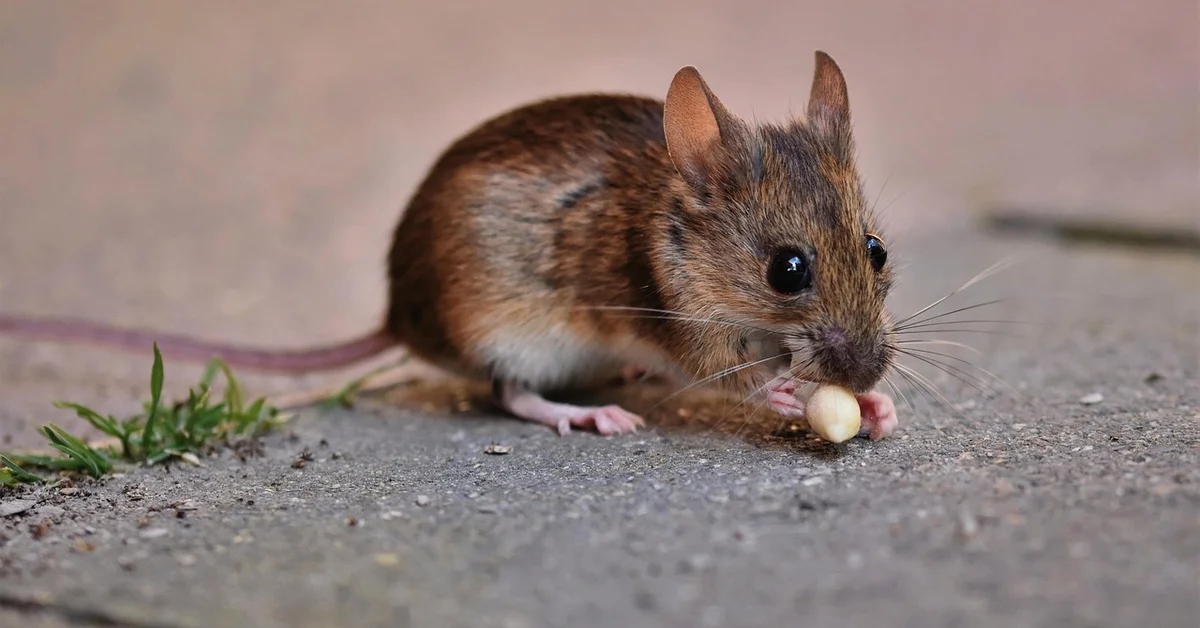
Grasping the fundamentals of mouse coat genetics is like learning a new language for understanding your pet’s fluff factor. The gene responsible for that beautiful, flowing coat is a simple recessive trait, which means a mouse needs two copies of the gene-one from each parent-to express the long-haired characteristic. This is different from many dominant vs recessive genes in mouse coat colors. If a mouse inherits only one copy, it will have a standard short coat but carries the potential for long hair in its own future offspring.
Predicting Your Mice’s Coat Type
While you can’t run a DNA test at home, observing your mice and knowing their lineage offers powerful clues. Looking at a litter of babies gives you a real-time lesson in dominant and recessive gene expression. Here is a simple breakdown of what to expect from different parental pairings.
| Parent 1 Genetics | Parent 2 Genetics | Expected Offspring Outcome |
|---|---|---|
| Two long-haired genes (homozygous recessive) | Two long-haired genes (homozygous recessive) | 100% of the litter will be long-haired. |
| One long-haired gene (carrier, heterozygous) | One long-haired gene (carrier, heterozygous) | Roughly 25% will be long-haired, 50% will be short-haired carriers, and 25% will be short-haired non-carriers. |
| Two short-haired genes (homozygous dominant) | Any genetics | 0% of the litter will be long-haired, though some may be carriers. |
From my own experience with my curious mouse Kenny, his standard short coat told me his genetic story immediately. His impulsive, energetic nature is perfectly suited to a low-maintenance coat that doesn’t snag on every tunnel and toy. A long-haired mouse requires a much more meticulous environment to prevent tangles and mats from forming during their daily escapades. Other coat types — satin, rex, and texel — each have distinct textures and grooming needs. Knowing these differences helps you choose the right setup and care for each mouse.
What Research Tells Us About Angora Mouse Genetics
The captivating fluff of the Angora mouse isn’t just a single gene acting alone; it’s a more complex and fascinating story. Scientific studies point to a mutation in the Fgf5 gene (Fibroblast Growth Factor 5) as the primary architect of the signature Angora coat. This gene normally acts as a signal to stop hair growth, but the mutated version allows the hair follicle to continue its growth cycle for a much longer period.
This creates hair that can grow several inches long, far beyond the typical short coat. Think of it as a faulty “off-switch” for hair production, resulting in that luxurious, continuous growth. This is why dedicated grooming isn’t just a cosmetic preference for these mice-it’s a physiological necessity to manage what their genetics are producing. Proper grooming is essential to prevent matting and other issues, even though normal grooming habits might not be enough.
- The mutation is autosomal recessive, aligning with the basic inheritance patterns we see in other long-haired varieties.
- Research suggests modifier genes can influence the final texture and density of the coat, making some Angoras fluffier than others.
- Unlike some genetic traits, the long-hair gene does not appear to be linked to any specific color pattern, allowing for a stunning variety of appearances.
Caring for my older mouse Gregory, with his steady, deliberate nature, has shown me how a mouse’s personality can align with its care needs. The calm patience required to maintain an Angora’s coat is a significant commitment that matches a more sedate mouse temperament. The genetics give them a beautiful coat, but it’s our responsibility as owners to provide the consistent, gentle care that keeps it from becoming a burden to them.
Caring for Long-Haired and Angora Mice
Grooming Your Long-Haired Mouse
That beautiful, flowing coat requires a dedicated grooming routine to stay healthy and prevent serious problems. Regular grooming is not a luxury for these mice; it is a non-negotiable part of their daily care. Without it, their fine fur mats incredibly easily, leading to skin irritation, restricted movement, and even painful sores hidden beneath the tangles. Preventing mats means daily, gentle brushing and routine checks of trouble spots like behind the ears, under the belly, and around the tail. Below are practical tips for long-haired mice care to keep their coat mat-free and comfortable.
I recommend establishing a simple, consistent grooming ritual. Here is the routine I follow with my own mice:
- Daily Quick Check: Spend a minute or two each day gently running your fingers through their coat. This helps you spot early tangles and gets them accustomed to being handled.
- The Weekly Deep Groom: Once a week, set aside time for a more thorough session. I find my older mouse, Gregory, is wonderfully patient for this, while my younger ones need more frequent, shorter sessions.
- Toolkit Essentials: A soft-bristled toothbrush or a small, fine-toothed comb designed for small animals is perfect. Never use sharp or metal-toothed combs meant for cats or dogs.
- Gentle Technique: Always brush in the direction of hair growth. Hold the base of the fur close to the skin with your fingers to avoid pulling their delicate skin. If you find a small mat, work it apart gently with your fingers or the very tip of the comb; never just yank it.
- For Stubborn Mats: For a severe mat that cannot be combed out, the safest option is to carefully snip it away with small, blunt-nosed scissors, sliding a comb between the mat and the skin to act as a guard.
A little trick I’ve learned is to use a tiny, tiny dusting of cornstarch on a stubborn knot to help the comb slide through more easily. Creating a positive association with grooming is just as important as the grooming itself. Offer a favorite treat, like a sunflower seed for Kenny or a berry crumb for Jeffery, throughout the process to keep it a stress-free experience.
Health Considerations Linked to Coat Genetics
The very genes that give these mice their stunning appearance can also make them more susceptible to certain health challenges. Being proactive about these potential issues is the key to ensuring your long-haired friend lives a full and comfortable life. Their luxurious coat can sometimes act as a trap for moisture, debris, and parasites. In mice, chronic coat problems can increase discomfort and stress, which in turn may trigger or worsen stress and related health issues. Regular grooming checks and prompt treatment help keep stress at bay.
- Skin Infections: Mats pull on the skin and create a warm, damp environment perfect for bacterial or fungal growth. Watch for redness, flakiness, or any unusual odor.
- Fur Mites: While all mice can get mites, they are harder to spot and eradicate in a thick, long coat. Signs include intense scratching, scabs, or what looks like “moving dandruff.”
- Eye Irritation: In some mice, the facial fur can grow long enough to constantly brush against their eyes, leading to chronic weepiness or infections. You may need to carefully trim the hair around their eyes.
- Hair Ingestion: Like cats, mice groom themselves and can ingest a lot of loose hair. An increased fiber intake is crucial to help prevent hairballs from causing digestive blockages.
- Overheating: That thick coat is very warm! Ensure their habitat is in a cool, well-ventilated area away from direct sunlight, especially during warmer months.
Their bedding choice is also a major health factor. Avoid dusty shavings or fluffy, cotton-like bedding that will cling to and tangle in their fur. I’ve had great success with paper-based bedding or soft, dust-free aspen shavings. For mice, paper bedding is very absorbent and gentle, while aspen offers low dust and safe chewing. Hemp is highly absorbent and long-lasting, though often pricier. To learn more about the differences between these options, check out Aspen vs Paper vs Hemp.
Finding Long-Haired or Angora Mice
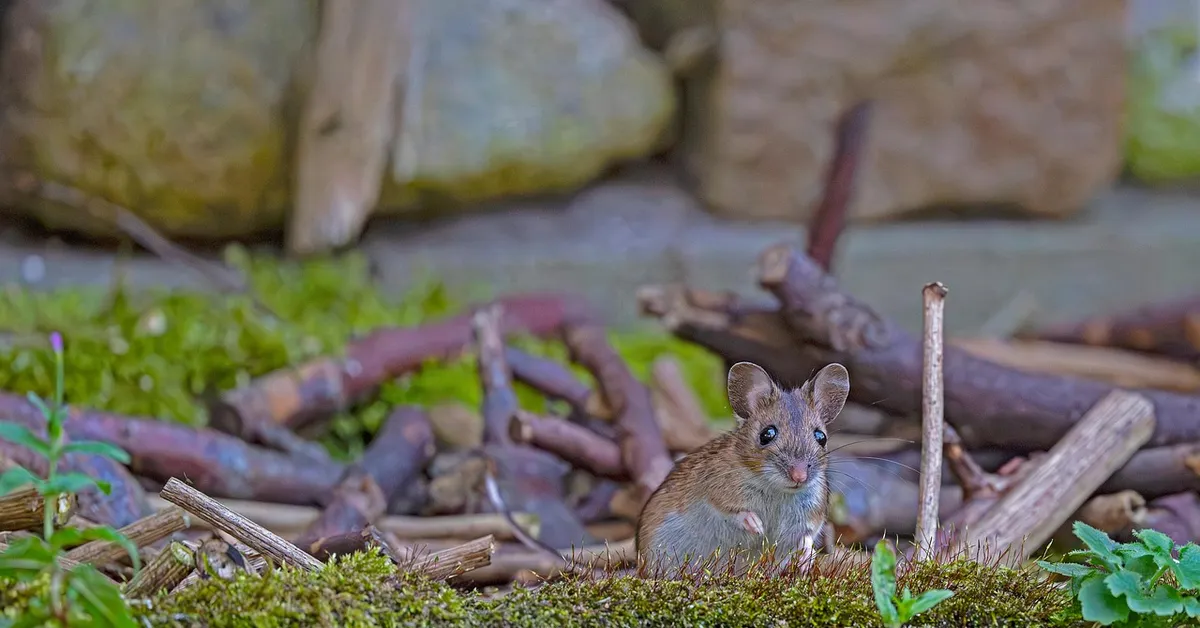
Locating a long-haired or Angora mouse can feel like a quest, as they are not nearly as common as their short-haired cousins. Patience and diligent research will serve you much better than a quick, impulsive purchase. These special mice are typically the result of dedicated hobby breeders who focus on specific fancy mouse varieties.
Your best avenues for finding a healthy mouse are:
- Reputable Breeders: Seek out breeders who are knowledgeable about mouse genetics and can provide a history of their lineage. A good breeder will be happy to answer all your questions about grooming and care.
- Mouse Fancy Clubs and Shows: Connecting with local or online mouse enthusiast groups can be an invaluable resource. Members often know who is breeding what and can point you toward ethical sources.
- Specialty Rodent Rescues: It is less common, but sometimes these unique mice do end up in rescues. Let your local shelters know what you are looking for.
Be very wary of pet stores, as they rarely have accurate information on a mouse’s genetics or background. Always observe the mouse and its environment before committing. Watch for red flags such as nasal or eye discharge, labored breathing, lethargy, patchy fur, or a visibly poor body condition. Avoid mice kept in overcrowded or dirty enclosures or sellers who can’t provide background information. Look for clear, bright eyes, a clean and mat-free coat, and active, curious behavior. A healthy mouse is the best foundation for a wonderful relationship.
Frequently Asked Questions
How do genetics labs study Angora mice?
Genetics labs investigate Angora mice by using techniques like DNA sequencing and polymerase chain reaction (PCR) to identify specific mutations, such as in the FGF5 gene. This allows researchers to pinpoint the exact genetic changes responsible for the long-haired trait and study how these mutations affect hair growth cycles in controlled environments.
By analyzing genetic samples from breeding populations, labs can also track inheritance patterns and identify any linked health markers. This research not only deepens our understanding of mouse genetics but can inform ethical breeding practices to maintain healthy, well-cared-for pets.
What have genetic studies revealed about Angora mice?
Genetic studies have confirmed that the defining long-haired trait in Angora mice stems from a recessive mutation in the FGF5 gene, which disrupts normal signaling to halt hair growth. Beyond this primary gene, research indicates that modifier genes influence variations in coat texture, density, and overall fluffiness among individuals.
These studies often use cross-breeding experiments and genomic mapping to explore how these genetic factors interact. Findings show that the mutation isn’t typically associated with color patterns or major health defects, but it underscores the importance of tailored care for these mice due to their unique coat needs. Researchers also examine classic color loci — B, C, D and P — to see how genes for pigment type, distribution and intensity modify coat appearance. Relating the mutation to these loci helps explain observed color variation and informs breeding and husbandry decisions.
What is the genetic basis of Angora mice?
The genetic basis of Angora mice centers on a recessive mutation in the FGF5 gene, which causes a failure in the hair growth “off-switch” and results in prolonged fur development. This means a mouse must inherit two copies of the mutated gene-one from each parent-to express the long-haired phenotype.
This simple Mendelian inheritance helps owners understand breeding outcomes, as carriers with one copy won’t show the trait but can pass it on. Knowing this genetic foundation emphasizes why responsible breeding and consistent grooming are essential to prevent issues like matting and maintain the mouse’s comfort.
Your Path Forward
By exploring the genetics behind long-haired and Angora mice, you gain the insight to tailor grooming and health practices to their specific needs. This understanding helps you prevent common issues like matting and skin irritations, ensuring your mice stay comfortable and vibrant.
Embrace this knowledge as a tool to deepen your bond with your pets, celebrating the unique traits that make each one special. Your thoughtful approach to their care reflects the kind of dedication that transforms pet ownership into a rewarding partnership.
Further Reading & Sources
- Angora mouse mutation: altered hair cycle, follicular dystrophy, phenotypic maintenance of skin grafts, and changes in keratin expression – PubMed
- Gene angora as a modifier of the hairless gene in mouse | Russian Journal of Genetics
- Angora Mouse Mutation: Altered Hair Cycle, Follicular Dystrophy, Phenotypic Maintenance of Skin Grafts, and Changes in Keratin Expression – J. P. Sundberg, M. H. Rourk, D. Boggess, M. E. Hogan, B. A. Sundberg, A. P. Bertolino, 1997
Isabella is a passionate small pet enthusiast with over 8 years of experience in caring for mice. She loves sharing practical tips and heartfelt stories to help fellow mouse owners provide the best care for their tiny companions.
Mice Genetics