
Grieving the Loss of a Small Pet: Honoring Your Heartache
Have you ever felt a quiet emptiness after saying goodbye to a tiny companion, wondering if your sorrow is too big for such a small life? This guide embraces your grief with compassion and offers gentle, practical steps to help you heal, assuring you that every tear honors the profound bond you shared.
We will explore how to navigate waves of emotion, create meaningful tributes, and gradually find peace while cherishing the joy your pet brought into your life.
Why Grief for a Small Pet Like a Mouse Is Real and Valid
The small size of a mouse has no relation to the vast space they occupy in your heart. Grief is a measure of the love you shared, not the physical dimensions of your friend. Our society often minimizes the loss of smaller animals, but the bond formed through daily care and quiet companionship is profound and deserves recognition.
Mice are intelligent, social creatures with distinct personalities. You weren’t just feeding a generic rodent; you were tending to a unique individual. The specific way your mouse would take a treat from your hand or the particular nest they built are irreplaceable moments of connection. Losing that specific, daily interaction creates a very real void. Mice can form bonds with their caregivers and often learn to recognize owners by scent, voice and routine handling. Those small, familiar behaviors are signs they know and respond to the people who care for them.
I have found that the grief for a mouse can sometimes feel more intense because of the constant, subtle reminders of their absence. The sudden silence where you once heard the gentle rustle of bedding or the empty space on the shelf where their cage resided are powerful, sensory triggers for sorrow. Your grief is valid because it honors a real, meaningful relationship. It’s also important to remember that surviving cagemates can experience grief too, so watch for changes in eating, grooming, or social behavior and offer gentle comfort. Provide extra enrichment, cozy hiding spots, and calm attention, and consult a veterinarian if concerning signs persist.
What the Mourning Process Looks Like After Losing a Mouse
Grieving a mouse is a personal journey with no set timeline. It’s a process of adjustment, not a problem to be solved. Allow yourself to feel the waves of emotion as they come, understanding that each one is a testament to your care. Some days the sadness will be a quiet hum, and other days it may feel overwhelming. Creating a small memorial can help honor their life and give you a quiet place to remember. Even a photo, a keepsake, or a planted flower can bring comfort and meaning.
Physical and Emotional Signs You’re Grieving
Your mind and body are deeply connected in grief. You might notice some of the following signs, all of which are normal responses to loss.
- Physical Fatigue: A deep, heavy tiredness that isn’t fixed by sleep. Grief requires immense emotional energy.
- Changes in Appetite: You might not feel like eating, or you might find yourself seeking comfort in food.
- Trouble Concentrating: Your thoughts may feel foggy, making simple tasks difficult to complete.
- Irritability or Restlessness: Feeling suddenly annoyed by small things or unable to sit still is common.
- Preoccupation with Memories: Finding your mind constantly drifting back to your mouse, replaying their final days or favorite moments.
- Crying Spells: Tears may come unexpectedly, triggered by a memory, a sound, or sometimes for no apparent reason at all.
When Guilt Shows Up After Euthanasia or Sudden Loss
Guilt is an almost universal companion to pet loss, especially with small creatures who can decline quickly. Guilt is often the mind’s desperate attempt to create a sense of control in a situation that felt helpless. If you had to make the decision for euthanasia, you might question your timing. If the loss was sudden, you might search for missed signs.
After my mouse Kenny passed, I replayed his last week endlessly, wondering if a different choice could have changed the outcome. It is vital to remember that you made every decision from a place of love and with the information you had at the time. You acted as their advocate, prioritizing their comfort and well-being above your own desire to keep them longer.
To help manage these difficult feelings, try these steps:
- Write a letter to your mouse, expressing your love and also your feelings of guilt. Acknowledge them, then release them.
- Speak your thoughts aloud to a trusted, understanding friend who won’t dismiss your pain.
- Focus on the quality of life you provided. Remember the treats, the safe home, the gentle handling-all the acts of love that filled their life.
How to Recognize Grief in Your Other Mice

Your remaining mice will feel the absence of their companion, and their behavior can change noticeably. Observing your mice closely in the days following a loss provides vital clues to their emotional state. I’ve seen this with my own trio; when one was unwell, the dynamic between Kenny, Gregory, and Jeffery shifted palpably. If a cagemate dies, watch for signs of grief—reduced appetite, lethargy, hiding, or increased aggression—and offer extra enrichment and gentle handling. If concerning symptoms persist, consult your veterinarian for guidance.
- Changes in Vocalization: Listen for more frequent, distressed-sounding squeaks or, conversely, an unusual quiet. My Jeffery, normally quite chatty, became almost silent for a day.
- Altered Eating and Drinking Habits: A grieving mouse might eat less or show little interest in favorite treats. Monitor their food dish and water bottle levels closely.
- Shifts in Social Behavior: You may see increased clinging and huddling for comfort, or you might witness uncharacteristic isolation as a mouse processes the change.
- Lethargy or Restlessness: A mouse might sleep more than usual or seem unable to settle, pacing the cage as if searching for their friend.
- Changes in Grooming: Look for a decline in self-care, leading to a ruffled coat, which is a classic sign of distress in many animals.
Practical Ways to Cope with Mouse Pet Loss
Immediate Steps to Take After Your Mouse Dies
In the first moments, knowing what to do can provide a small anchor in a sea of sorrow. Having a simple plan helps you navigate those initial, overwhelming feelings with purpose.
- Gently remove your mouse from the shared habitat. Use soft bedding or a small cloth to lift them, handling them with the care they deserve.
- Allow the other mice to see and sniff their departed companion. This may seem difficult, but it helps them understand the death, preventing confusion and prolonged searching.
- Place your mouse’s body in a small, temporary box lined with a soft material while you decide on final arrangements. A cool environment can slow natural processes.
- Spend a quiet moment. Say goodbye in your own way. This immediate, personal ritual is for you, a first step in acknowledging your loss.
- Offer your surviving mice a small, comforting treat and some fresh bedding. This provides a small sense of normalcy and security for them.
Daily Self-Care Strategies During Mourning
Grief doesn’t follow a schedule, so integrating small, manageable acts of self-care into your day is essential. Nourishing your own well-being is not selfish; it is necessary for processing your emotions.
- Stick to a basic routine. Getting up, feeding your other pets, and performing simple tasks can provide structure when your emotions feel chaotic.
- Spend extra time with your remaining mice. The simple act of watching them, talking to them, or offering a treat can be a mutual comfort.
- Engage in gentle physical activity. A short walk outside can shift your perspective, even for just a few minutes.
- Write down your feelings. A journal is a private space to express the complex waves of sadness, guilt, and love without judgment.
- Limit your expectations. You will not be as productive as usual, and that is perfectly okay. Grant yourself grace.
Creating Space for Both Sadness and Happy Memories
Healing is not about forgetting; it is about finding a new balance for your memories. Learning to hold space for sorrow and joy at the same time is the heart of moving forward.
- Designate a specific, quiet time each day to simply feel sad. Let the tears come if they need to. Giving grief a scheduled outlet can prevent it from consuming your entire day.
- Immediately after your “sad time,” consciously recall a specific, happy memory. Picture your mouse taking a sunflower seed from your hand or burrowing happily in fresh bedding.
- Talk about your mouse out loud. Share a funny story about their antics with a trusted friend or family member. Saying their name keeps their spirit alive.
- Look at photos or videos. While it might be painful at first, visual reminders can eventually bring more smiles than tears.
- Remember that your love for them is what makes this hurt so much. The depth of your grief is a direct reflection of the depth of your bond.
Memorial Ideas to Honor Your Mouse
Simple Rituals and Remembrance Ceremonies
A ritual, no matter how small, can provide profound closure and a tangible way to express your love. Creating a moment of ceremony helps transform the pain of loss into an act of tribute.
- Hold a small burial in a flowerpot or a special spot in your garden. You can mark it with a smooth stone or a planted flower.
- Write a letter to your mouse, saying everything you wish you could have said, and then safely burn it or tuck it away in a memory box.
- Light a candle for a few minutes each evening for a week, simply sitting in quiet remembrance.
- Play a piece of soft music that brings you comfort as you reflect on your time together.
- Share a “favorite snack” with your other mice in honor of the one who passed, like a tiny piece of a broken-up treat they all loved.
Physical Keepsakes and Memorial Items
A physical object can serve as a comforting touchstone for your memories. These keepsakes make the intangible bond of love into something you can see and hold.
- Create a paw print impression using non-toxic ink or clay. This tiny, unique mark is a powerful physical reminder of their presence.
- Assemble a shadow box with their favorite hideout, a bit of bedding, their name, and a photo.
- Commission or draw a portrait. Even a simple sketch can capture their essence and become a cherished piece of art.
- Place a small, engraved plaque or a special rock with their name on it in your home or garden.
- Keep a lock of their fur in a small locket or a decorative vial. The softness is a direct sensory link to them.
Living Memorials: Plants and Ongoing Tributes
A living memorial grows and changes, just as your memories and love do. Watching something beautiful flourish can be a gentle, ongoing testament to a life that mattered.
- Plant a perennial flower or shrub in their memory. Each year when it blooms, it will be a celebration of their life.
- Grow a patch of wheatgrass or catnip in a shallow dish. Your surviving mice can enjoy this living tribute, creating a positive new association.
- Donate a small amount to an animal rescue or sanctuary in your mouse’s name.
- Sponsor the care of another small animal in need, turning your loss into a force for good for another creature.
- Start a new tradition, like sharing a story about your mouse on the anniversary of the day you brought them home. This keeps their narrative alive in a joyful way.
Finding Support During Pet Bereavement
When my mouse Kenny passed, the silence in his corner of the cage was deafening. Grieving a mouse can feel incredibly isolating when the world doesn’t recognize the size of your love for such a small creature. Your sorrow is real, and finding people who understand that specific heartache is a vital step toward healing. If your mouse showed labored breathing, weight loss, or reduced activity, those can be signs of heart failure. Knowing the signs and palliative care options can help you keep them comfortable and make compassionate choices.
Pet Loss Hotlines and Counseling Services
Sometimes, you need to talk to someone right now, in the middle of the night when the grief feels heaviest. Pet loss hotlines are a quiet lifeline for these moments. They can help you through the painful, confusing process of deciding when it’s time to say goodbye, offering compassionate guidance and practical information. Having a calm, understanding listener can make that difficult decision feel a little less lonely. Two short alternatives: “deciding when to say goodbye” and “make that difficult decision.”
- The ASPCA Pet Loss Hotline: Staffed by trained volunteers, this service offers compassionate, free support.
- Lap of Love Veterinary Hospice: They provide a scheduled, professional grief support service, which can be more structured than a hotline.
- Many local veterinary schools also run their own hotlines, connecting you with people deeply embedded in the world of animal care.
Speaking your feelings aloud to a non-judgmental stranger can untangle the complex emotions you’re holding inside. I’ve called just to have someone acknowledge that Gregory’s calm, steady presence was a genuine loss, and it helped more than I expected.
Online and In-Person Support Groups
Finding your tribe, the people who nod along because they’ve felt it too, is profoundly comforting. Support groups come in many forms.
- Online Forums and Social Media Groups: Look for rodent-specific pet loss groups. The shared stories and photos create a digital memorial space that is accessible anytime.
- Local Pet Bereavement Groups: Check with animal shelters or community centers. Being in a physical room with others who are grieving can be a powerful, shared experience.
- Virtual Meetings: Some organizations now host video call support groups, offering the connection of an in-person meeting from the comfort of your home.
The unique bond we form with our mice is something only other mouse owners can fully comprehend, making these specialized groups invaluable. These groups often share tips on deepening the bond with your pet mouse, which helps in building trust and affection.
When to Consider Professional Grief Therapy
Grief is a natural process, but sometimes it becomes overwhelming. If your grief consistently interferes with your ability to work, maintain relationships, or find any joy in your day, it may be time to seek a professional therapist.
Look for these signs:
- Prolonged, intense feelings of guilt or anger that don’t lessen.
- An inability to stop thinking about your pet’s final moments.
- Withdrawing from friends, family, and your other pets for an extended period.
- Neglecting your own basic self-care and responsibilities.
A therapist specializing in grief can provide you with tools and strategies to navigate this difficult terrain. Seeking help is a sign of strength and a commitment to your own well-being.
Helping Children Grieve the Loss of a Mouse
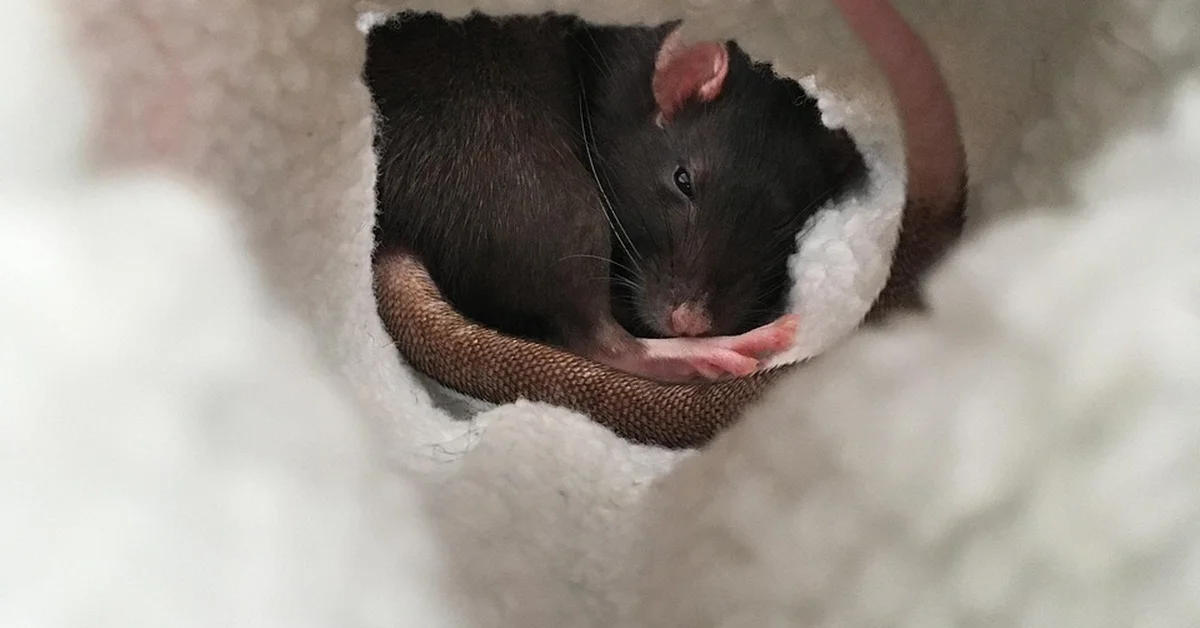
For a child, a mouse is often their first real friend—a tiny, living secret-keeper. When Jeffery, our cheerful white mouse, passed, explaining it to a young heart required a gentle, honest approach. It helps to mention that Jeffery was a “fancy mouse,” a domesticated pet with a long history of being bred for companionship and color. Knowing that people have cared for fancy mice for generations can make his loss easier to place and understand.
Use clear, simple language and avoid euphemisms like “put to sleep,” which can confuse or frighten a child. Say “died” or “his body stopped working” to provide clarity.
Encourage them to express their feelings through creative outlets. Here are some activities that can help:
- Drawing a picture of their favorite memory with the mouse.
- Writing a short story or a letter to their pet.
- Helping to create a small memorial, like planting a flower or decorating a special rock.
Answer their questions as honestly as you can, and reassure them that it’s okay to be sad, and okay to laugh and play, too. Your calm presence and validation are the most powerful support you can offer a grieving child. They are learning from you how to handle loss, so model healthy grieving by sharing your own sadness in an age-appropriate way.
Comforting Words: Quotes and Poems for Mouse Pet Loss
Grieving the loss of a mouse can feel isolating, but many have walked this path and shared their hearts in words. These phrases often capture the profound bond we share with our tiny companions, offering a gentle reminder that your feelings are valid and shared.
- “Though small in stature, their spirit fills the room long after they’ve gone.” – I’ve found this resonates deeply, especially when missing Jeffrey’s cheerful squeaks.
- “A flicker of life, brief yet bright, leaves echoes of joy in the quietest nights.” – This poem snippet honors the short but meaningful lives of mice like Kenny.
- “In the rustle of bedding or a crumb on the floor, their memory lingers, asking for nothing more.” – Simple moments can become treasured keepsakes of your mouse’s presence.
Reading or writing your own words can be a soothing ritual. Allow these expressions to sit with you, offering comfort without rushing the healing process.
Aftercare Options: What to Do with Your Mouse’s Body
Handling your mouse’s remains is a tender step, and you have several caring choices. Select an option that feels respectful and aligns with your emotional needs and local guidelines. If you need guidance on safely picking up, holding, or handling a live pet mouse, follow gentle, low-stress techniques to protect both you and your pet. Below are simple, safe steps for lifting and supporting a mouse without causing fear or injury.
- Home burial in a garden or plant pot: Pick a serene spot, wrap your mouse in a soft cloth, and dig a small hole at least six inches deep to deter scavengers. Mark it with a pebble or seed.
- Cremation through a veterinary service: Many clinics offer individual or communal cremation, providing an urn or scatter tube for ashes. This method offers a portable keepsake.
- Natural burial in a wooded area: If permitted, place your mouse under leaves or soil in a peaceful natural setting, allowing them to return to the earth gently.
Consider your mouse’s personality—Gregory, for instance, might have preferred a quiet, grounded resting place. Mice often show consistent, individual traits—some are curious and bold, others shy and calm. Acknowledging these personalities can help you choose a farewell that truly reflects who they were. Whatever you choose, trust that it’s a loving farewell to your cherished friend.
Frequently Asked Questions
What is small pet grief?
Small pet grief is the natural emotional response to losing a beloved companion like a mouse, hamster, or other tiny animal. It encompasses feelings of sadness, longing, and emptiness that arise from the deep bond formed through daily care and interaction. This grief is valid and real, reflecting the significant role these small creatures play in our lives, regardless of their size.
What are pet grief gifts?
Pet grief gifts are thoughtful items designed to provide comfort and honor the memory of a lost pet, such as a mouse. Examples include personalized memorial stones, custom jewelry with the pet’s name or paw print, and donation certificates to animal charities in the pet’s name. These gifts can serve as meaningful reminders of the love shared and offer solace during the mourning process.
What small pet grave markers are available?
Various small pet grave markers are available to create a lasting tribute for a mouse or similar pet. Options include engraved stones, miniature plaques, wooden signs, or even DIY markers using painted rocks or resin crafts. These markers can be placed in a garden, potted plant, or indoor memorial space to provide a dignified and personal way to remember your companion.
Your Path Forward
The bond you shared with your tiny companion was immense, and your grief is a direct reflection of the beautiful, significant connection you had. Your sorrow is not an overreaction; it is the clear and honest echo of a love that was real and meaningful.
Allow yourself to feel this loss fully, and trust that with time, the sharpness of the pain will soften into a gentle, cherished memory. Carrying their memory in your heart is not a burden, but a quiet tribute to the small life that left a large and lasting impression on your own.
Further Reading & Sources
- r/Pets on Reddit: How to deal with grief when losing a pet
- The surprising shame of pet loss: ‘You are supposed to think humans are more important than animals’ | Pets | The Guardian
- My Experience of Losing a Pet and What Helped My Recovery | Anxiety NZ
Isabella is a passionate small pet enthusiast with over 8 years of experience in caring for mice. She loves sharing practical tips and heartfelt stories to help fellow mouse owners provide the best care for their tiny companions.
Vet Visits