
Grooming Your Mouse: A Gentle Path to Trust and Connection
Have you ever reached into your mouse’s habitat only to see them dart away, treating your hand like a giant, unpredictable predator instead of a source of comfort? That initial skittishness is a common hurdle, but what if your daily care routine could transform that fear into a deep, trusting friendship? This guide will show you how the simple, necessary act of grooming can become your most powerful tool for connection. We will explore how gentle brushing and handling during care sessions build a language of safety and affection between you and your pet.
You will learn the step-by-step methods to introduce grooming in a way your mouse not only tolerates but eventually looks forward to. We will cover everything from choosing the right soft-bristled brush and understanding your mouse’s unique body language to turning a quick tidy-up into a cherished, calming ritual. By the end, you will see your care routine in a whole new light-not as a chore, but as the foundation of a truly bonded relationship.
Why Grooming Creates a Unique Bond With Your Mouse
Grooming is far more than basic maintenance for a mouse; it is a language of trust and affection. When you gently groom your mouse, you are communicating in a way their instincts understand perfectly. In their world, grooming is a social activity reserved for trusted colony mates. By stepping into this role, you tell them they are safe and cared for.
I’ve found that these quiet moments of care build a foundation of mutual understanding. This consistent, gentle handling transforms you from a large, potentially scary creature into a source of comfort and security. My mouse Gregory, who was initially quite reserved, began to seek out my hand for these sessions, a clear sign he associated my touch with positive feelings.
The bond deepens because you are meeting a fundamental need in a way that feels natural to them. You are not just keeping them clean; you are affirming your place as a trusted member of their social circle. This shared ritual creates a powerful, non-verbal connection that simple play or feeding cannot replicate.
Understanding Your Mouse’s Natural Grooming Behavior
To bond effectively through grooming, you first need to appreciate their innate habits. Mice are fastidiously clean animals that spend a significant portion of their waking hours self-grooming. You will often see them licking their paws and using them like tiny washcloths to scrub their faces, ears, and backs. This constant self-grooming keeps their fur clean and reduces odors. Respecting that instinct makes it easier to bond with them when you groom them.
Observing this self-care is your first lesson in their body language. This natural fastidiousness is why they are so receptive to gentle assistance, especially in hard-to-reach spots like behind the ears. Recognizing this instinct is the key to integrating your care into their existing routines.
What Mutual Grooming Means in Mouse Colonies
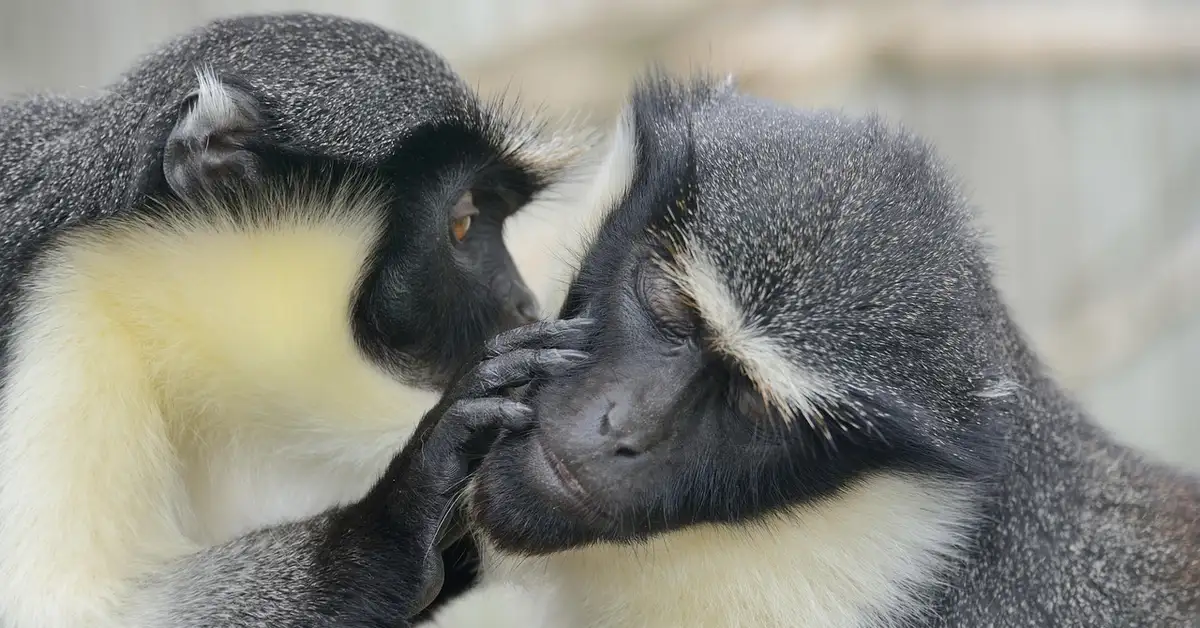
In a mouse colony, grooming is a cornerstone of social life. Mutual grooming, or allogrooming, is a profound act of social bonding and a display of hierarchy and affection. Higher-ranking mice will often groom others, and close companions will groom each other reciprocally.
This behavior serves multiple purposes:
- It reinforces social bonds and reduces tension within the group.
- It helps maintain group hygiene, reaching areas an individual mouse might miss.
- It is a calming activity that promotes a sense of peace and security.
When you groom your mouse, you are participating in this deeply ingrained social ritual. By mimicking this colony behavior, you are speaking their native social language and building a bridge of trust. Mice can learn to recognize familiar humans and come to associate a consistent caregiver with safety and comfort. So when you groom your mouse you’re not only mimicking colony behavior but also helping it learn that you are a trusted owner — which is why Jeffery now relaxes for you the way he does for Gregory.
How to Recognize When Your Mouse Is Ready for Grooming
Timing is everything. Forcing interaction will break trust, but reading their cues will build it. The best grooming sessions happen when your mouse is already in a calm and relaxed state. Look for signs that indicate your mouse is happy and content before starting. Look for them after they have eaten or during a period of quiet exploration.
Positive signs your mouse is open to interaction include:
- Approaching your hand willingly without hesitation or darting away.
- Stopping their activity and sitting still
- Performing a self-grooming session in your presence, which is a great invitation to join in.
- Displaying relaxed body language, not hunched or flattened against a surface.
Conversely, you must respect signs of stress. If your mouse flattens its ears, tries to escape, or flinches from your touch, end the session immediately. My adventurous mouse Kenny sometimes has too much energy for grooming; on those days, we just play instead. Learning their individual moods is part of the bonding process.
Essential Grooming Tools That Keep Sessions Gentle and Safe
Having the right tools transforms grooming from a chore into a peaceful ritual. The proper implements are non-negotiable for your mouse’s comfort and safety. You wouldn’t use human clippers on such a tiny creature, and the wrong brush can pull their delicate fur.
- A soft-bristled toothbrush or a dedicated small pet brush: This mimics the gentle grooming of another mouse.
- Blunt-tipped, curved nail scissors: Designed for small animals to prevent accidental nicks.
- Cotton swabs: For carefully cleaning around the ears, never inside the ear canal.
- Damp cosmetic pads or a soft cloth: Useful for wiping away any minor debris from their coat.
- Your mouse’s favorite treats: High-value rewards like a tiny piece of a sunflower seed are crucial.
I keep all my tools in a dedicated small box, which signals to my mice that a calm, focused time is beginning. This consistency helps them feel secure.
Step-by-Step Grooming Routine to Strengthen Your Bond
Step 1: Create a Calm Environment and Handle Your Mouse Gently
Begin in a quiet, familiar space free from loud noises and other pets. I always sit in a contained area, like on a large bed or inside a playpen, so my mouse feels safe and cannot bolt. Use slow, deliberate movements when you pick them up, offering a comforting finger to sniff first.
Step 2: Start With a Full-Body Visual and Tactile Check
Hold your mouse securely but loosely in one hand. This initial check is your chance to spot any lumps, bumps, scratches, or parasites you might otherwise miss during casual play. Gently run a finger along their back, sides, and belly, feeling for anything unusual.
Step 3: Gently Brush and Remove Any Mats or Debris
Using your soft brush, make slow, sweeping strokes in the direction of their fur growth. Brushing stimulates natural oils and removes loose hair, which feels wonderful to them. If you find a small mat, gently work it apart with your fingers; never pull or cut it out.
Step 4: Carefully Inspect and Clean Ears
Look closely at the outer ear for any buildup of wax or dirt. A mouse’s ears are incredibly delicate, so a dry cotton swab is only for the very outer folds you can easily see. If you see deep, dark wax, it’s time for a vet visit, not a home cleaning.
Step 5: Trim Overgrown Nails With Care
This step requires the most patience. Only attempt a nail trim if the nails are clearly long and starting to curl, as most mice wear them down naturally on toys and wheels. Hold the paw gently, identify the quick (the pink vein), and only snip the very tip of the clear nail beyond it. A brief guide to trimming mouse nails explains proper positioning, the right tools, and how to avoid the quick. Follow step-by-step instructions or ask an experienced handler if you’re unsure.
Step 6: Check Eyes and Face for Discharge or Irritation
Look for bright, clear eyes without any crust or redness. Healthy eyes are a key indicator of your mouse’s overall well-being. A damp cloth can gently wipe away any food particles stuck on their whiskers or chin.
Step 7: Examine Scent Glands and Genital Area
Briefly check the area for any signs of soiling, which can indicate health issues. Mice have scent glands on their flanks that can sometimes have a slight waxy buildup, which is normal. Look for cleanliness, but avoid over-handling this sensitive area.
Step 8: End With Positive Reinforcement
No matter how the session went, always finish with their absolute favorite treat and plenty of soft, praising words. This final positive note ensures your mouse associates grooming with a happy, rewarding outcome. I let Jeffrey have a crumb of a berry right after, and his cheerful demeanor always returns instantly.
How Often Should You Groom Your Mouse for Optimal Bonding?
Frequency is less about a strict schedule and more about attentive observation. A full, hands-on grooming session like the one described is typically best done once every week or two. This provides regular bonding time without becoming stressful or intrusive.
- Long-haired mice breeds may need brushing every few days to prevent tangles.
- Older mice, like my Gregory, often appreciate more frequent gentle checks for comfort.
- Young, active mice like Kenny usually keep themselves very clean but benefit from the handling practice.
I incorporate a mini-check into our daily interaction, a quick visual scan and a soft stroke during out-of-cage time. This keeps us connected and helps me spot any changes that might warrant a more thorough session sooner.
Reading Your Mouse’s Body Language During Grooming Sessions
Learning to interpret your mouse’s subtle signals transforms grooming from a chore into a conversation. Their entire body tells a story of comfort or concern, and paying close attention is the key to building mutual trust. A relaxed mouse will have a loose, waddling posture, with ears forward and whiskers twitching curiously. You might notice slow, deliberate blinking, which is a true sign of contentment in the rodent world.
Signs Your Mouse is Enjoying the Session
- Bruxing: A soft, grinding sound made with their teeth, often accompanied by vibrating eyes. This is the ultimate sign of a happy, relaxed mouse.
- Gentle Explorations: They might pause to sniff your fingers or gently nibble without pressure, simply investigating their caretaker.
- Leaning In: A mouse that pushes its body lightly into your hand or the brush is asking for more, much like a cat.
- Closed, Relaxed Eyes: They feel safe enough to let their guard down completely in your presence.
Signs of Stress or Discomfort
- Freezing: A sudden, complete stillness is a fear response. They are hoping you won’t notice them.
- Rapid Grooming: If they start frantically grooming themselves or you, it’s often a displacement behavior meaning they are overwhelmed.
- Puffed Fur: Making themselves look bigger is a defensive tactic signaling they feel threatened.
- Attempted Flight: Any sudden darting or scrambling away is a clear request to stop immediately.
My mouse Gregory, for instance, will let out a low, steady brux when the soft-bristled brush glides over his dark brown fur. Recognizing and respecting these signals, especially the negative ones, is non-negotiable for a positive experience. If you see signs of stress, it’s always better to end the session on a positive note with a treat and try again later.
Common Grooming Challenges and How to Work Through Them
When Your Mouse Is Fearful of Grooming Tools
The sight of a brush or nail clipper can be intimidating to a small creature. The solution is never to force the issue but to systematically desensitize your mouse to the object. I’ve found that the “look but don’t touch” method works wonders. Leave the new grooming tool near their cage for a few days, allowing them to see and smell it without any pressure.
- Associate with Good Things: Place a high-value treat, like a piece of a sunflower seed, right next to the tool. This builds a positive association.
- Gradual Introduction: Once they are curious, let them sniff the tool while you hold it. Reward their bravery with a verbal praise and another tiny treat.
- One Gentle Touch: After a few successful sniffing sessions, try a single, very gentle stroke with the brush on their back. Immediately follow with a reward.
For a particularly nervous mouse like my Jeffery, I sometimes use a clean, soft-bristled makeup brush as a starter tool because it’s smaller and less intimidating than a standard small animal brush.
Managing an Anxious or Squirmy Mouse
Some mice, especially young, energetic ones like Kenny, seem to have springs in their feet. Handling a wiggly mouse requires patience and a focus on creating a calm environment. Trying to restrain them will only increase their anxiety and erode the trust you’ve worked hard to build.
- Choose the Right Time: Schedule grooming for when your mouse is naturally more tranquil, often in the early afternoon after their initial morning burst of energy.
- Use a Contained Space: Groom them in a small, familiar play area like a dry, empty bathtub lined with a towel. This prevents escapes and helps them feel secure.
- Keep Sessions Micro-Short: Aim for one-minute sessions. The goal is to end while they are still calm, not when they start to get fidgety.
- Distract with Treats: Offering a small, long-lasting treat they can hold, like a crumble of aged cheese, gives them a positive focus other than the grooming itself.
If your mouse is consistently too squirmy to handle, consider alternative grooming methods. Providing a shallow dish of chinchilla sand for them to roll in allows them to self-groom their fur, which is a fantastic trust-building alternative you can supervise. This mimics their natural self-cleaning behaviors—mice dust-bathe and use their paws and tongue to remove oils and debris. Allowing sand baths supports these instincts and helps keep their coat clean without stressful handling.
Health Problems You Might Discover During Grooming
Regular grooming sessions open a window into your mouse’s well-being, letting you spot tiny changes that might signal bigger issues. Gentle handling during coat care transforms routine maintenance into a proactive health screening. You become the first line of defense against common ailments.
Watch for skin irregularities like small scabs or persistent flaking, which can point toward mites or fungal infections. Red or swollen skin often means irritation or the start of an infection needing quick attention. I always check my curious Kenny for any new bumps after his adventures.
- Bald patches or thinning fur, especially around the face or back, can indicate barbering from cage mates or underlying stress.
- Lumps or swellings under the skin, which might be abscesses or tumors, feel like small peas when you stroke their sides.
- Unusual discharge from eyes or nose, signaling respiratory infections common in mice kept in drafty areas.
- Overgrown teeth, visible if you gently lift their lip, as misaligned teeth prevent normal wear and cause eating difficulties.
Weight changes become obvious when you lift them; a bony spine suggests underfeeding, while a round belly might mean obesity. Feeling their body each week helps you track subtle shifts before they turn serious. My older Gregory once felt lighter, alerting me to adjust his diet with softer foods.
Parasites like lice or mites appear as tiny moving specks near the skin or cause excessive scratching. Early detection during brushing means you can treat infestations before they spread through the whole group. Keep an eye out for black specks in the fur, which could be flea dirt.
Special Grooming Considerations for Different Life Stages
Mice age quickly, and their grooming needs shift from playful youth to serene elder years. Adapting your care routine to their life stage strengthens trust and keeps them comfortable through every phase. What works for a bouncy youngster might overwhelm a senior mouse.
Young Mice (Under 3 Months)
Youngsters like Kenny and Jeffery have endless energy and delicate bodies, requiring a light touch. Short, frequent grooming sessions help them associate handling with positive experiences rather than stress. Use a soft-bristled brush to avoid irritating their sensitive skin.
- Focus on gentle strokes to remove loose baby fur and introduce them to being touched all over.
- Monitor for rapid growth spurts; check that their fur stays clean as they explore messy environments.
- Keep sessions under five minutes to match their short attention spans and prevent restlessness.
Adult Mice (3-12 Months)
Adult mice are in their prime, with established personalities and grooming habits. This is the ideal time to reinforce bonding through cooperative care, letting them participate in their cleaning. My mouse Gregory enjoys a steady rhythm that doesn’t disrupt his calm demeanor. Mice are social animals that rely on mutual grooming and shared routines to form strong bonds. Encouraging cooperative care taps into these natural social behaviors.
- Incorporate health checks into grooming, feeling for any new lumps or skin changes as their activity peaks.
- Use this stage to establish a routine; consistent handling makes them more receptive to inspections.
- Watch for over-grooming from cage mates, which can lead to bald spots if dominance issues arise.
Senior Mice (Over 1 Year)
Older mice like Gregory move slower and may develop arthritis or vision loss, needing extra patience. Senior grooming should prioritize comfort, using warm, damp cloths for spot cleaning if they struggle to self-groom. Their fur might thin, so brush gently to avoid causing pain. You can check their grooming habits to see if anything is amiss.
- Check for stiffness in joints during handling; support their entire body to prevent strain.
- Look for signs of dental issues or weight loss, common in aging mice, and adjust grooming to avoid distressing them.
- Shorten sessions and provide treats afterward to make the experience rewarding despite any mobility challenges.
Frequently Asked Questions
What are grooming bonding trusts?
Grooming bonding trusts refer to the emotional security and reliability that develop between you and your mouse through consistent, gentle grooming sessions. This trust is built on predictable, positive interactions where your mouse learns to associate your care with safety and comfort, reducing fear and strengthening your bond over time. It’s not a legal concept but a metaphor for the deep, non-verbal understanding that turns routine grooming into a cherished ritual of connection and mutual respect.
What is a grooming bonding trustee?
A grooming bonding trustee is you, the pet owner, who takes on the role of a trusted caregiver responsible for your mouse’s well-being during grooming. As the trustee, you provide gentle, patient handling and use positive reinforcement to ensure each session feels safe and rewarding for your mouse. Your consistent actions help establish you as a reliable figure in their social world, mirroring the trust they would place in a colony mate.
What is a grooming bonding trust agreement?
A grooming bonding trust agreement is the unspoken, mutual understanding between you and your mouse that grooming sessions will be calm, predictable, and beneficial. This “agreement” is formed through routine and positive experiences, where your mouse learns to anticipate gentle care and you commit to respecting their comfort and body language. It reinforces trust by making grooming a cooperative activity that both of you look forward to, deepening your emotional connection.
Your Path Forward
Grooming is far more than just keeping your mouse clean; it’s a quiet, consistent conversation that builds a foundation of trust. By approaching each session with patience and gentle hands, you transform a basic care task into a powerful bonding ritual that deepens your connection. In mice, similar grooming behavior—called allogrooming when exchanged between animals—serves a key social function, reinforcing bonds and reducing stress. By mimicking that gentle, reciprocal care, you encourage the same affiliative ties with your pet.
Start slowly, celebrate the small victories, and remember that every gentle stroke reinforces your role as a safe and caring companion. Your dedication to this gentle care will be rewarded with a more confident, interactive, and trusting little friend.
Further Reading & Sources
- Mouse Ethogram: Self-Grooming Behavior – Maze Engineers
- Action detection using a neural network elucidates the genetics of mouse grooming behavior | eLife
- Grooming | Mouse Behavior Ethogram | Stanford Medicine
Isabella is a passionate small pet enthusiast with over 8 years of experience in caring for mice. She loves sharing practical tips and heartfelt stories to help fellow mouse owners provide the best care for their tiny companions.
Mice Grooming