
Safe Props for Mouse Photoshoots
Have you ever wanted to capture your mouse’s adorable personality in photos but worried that the tiny props you’ve gathered might be unsafe? I’ve been there, hesitating with a miniature chair in hand, wondering if my curiosity could put my mouse at risk.
This guide will walk you through creating a completely secure photoshoot environment. We will cover safe materials for props, simple do-it-yourself project ideas, and methods for arranging your setup to keep your mouse comfortable and out of harm’s way.
Understanding Mouse Behavior and Physical Needs During Photoshoots
Natural Mouse Behaviors That Affect Prop Safety
Mice are naturally inquisitive creatures who explore their world through chewing, climbing, and burrowing. Their constant need to gnaw helps keep their ever-growing teeth filed down, which means any prop you introduce will likely be tasted and tested. My own mouse, Kenny, exemplifies this; his bold, impulsive nature means he’ll investigate every new item with his mouth first. This behavior isn’t mischief-it’s a fundamental part of being a mouse.
- Chewing: Mice will chew on anything to maintain dental health, so props must be non-toxic and safe if ingested.
- Climbing: They love to scale objects, but unstable props can lead to dangerous falls.
- Burrowing and hiding: Props with small openings might seem cozy but can trap or startle a mouse.
- Foraging: Mice are driven to search for food, so edible props should be used thoughtfully to avoid overeating.
Observing these habits in my trio-Kenny’s adventurous climbs, Gregory’s cautious sniffs, and Jeffery’s twitchy explorations-reminds me that props must accommodate their instincts without causing stress.
Physical Vulnerabilities to Consider
Mice have fragile bodies that require gentle handling and safe environments. Their small size and light bone structure make them susceptible to injuries from even short drops or tight spaces. Respiratory systems are particularly sensitive; dust or chemical fumes from props can lead to breathing issues quickly. I’ve learned that what seems harmless to us, like a scented wooden block, could irritate their lungs. Likewise, the strong odor of a dead mouse smell causes nausea and even trigger respiratory symptoms in nearby animals and humans. Prompt removal and good ventilation are important to prevent illness.
- Delicate bones: Falls from props taller than a few inches can cause fractures or sprains.
- Sensitive respiratory tracts: Avoid props made from materials that shed dust or contain volatile organic compounds.
- Small airways: Items with fine fibers or loose parts pose a choking hazard if nibbled or inhaled.
- Temperature sensitivity: Mice can easily overheat or get chilled, so props shouldn’t retain extreme temperatures.
Gregory, being older, moves more deliberately, and I always ensure props have wide, stable bases to support his steady pace and prevent slips.
Choosing Non-Toxic and Mouse-Safe Materials for Props
Safe Material Options for Small-Animal Props
Selecting the right materials is crucial for keeping your mouse healthy during photoshoots. Stick to natural, untreated items that mimic their wild environment, like plain cardboard, untreated hardwood, or food-grade plastics. I often use simple cardboard tubes or platforms because they’re chewable, biodegradable, and unlikely to cause harm if ingested in small amounts. For variety, consider adding props made from seagrass or paper-based products, which are gentle on paws and teeth.
- Untreated wood: Apple, willow, or aspen wood blocks are safe for chewing and climbing.
- Cardboard and paper: Toilet paper rolls, egg cartons, or plain paper bags encourage natural behaviors without toxicity.
- Food-grade plastics: Items like clean, smooth plastic lids or containers are durable and easy to sanitize.
- Natural fibers: Cotton ropes or hemp mats can be used for texture, but supervise to prevent entanglement.
Jeffery, with his cheerful but anxious demeanor, feels more at ease with soft, paper-based props that he can nibble without fear.
Materials and Props to Avoid Completely
Some materials pose serious risks and should never be near your mouse. Avoid anything painted, varnished, or treated with chemicals, as these can leach toxins when chewed or licked. Metals that rust, such as untreated iron, or items with sharp edges like broken ceramics, can cause cuts or poisoning. I’ve seen how quickly a curious mouse like Kenny can find and gnaw on an unsafe item, so it’s better to err on the side of caution.
- Treated woods: Pressure-treated lumber or painted surfaces contain arsenic, lead, or other harmful substances.
- Soft plastics and vinyl: These can contain phthalates or break into small, ingestible pieces.
- Glues and adhesives: Even non-toxic glues might cause blockages if eaten.
- Plants: Many common houseplants, like ivy or lilies, are toxic if nibbled.
Always inspect props for loose parts or small detachable pieces that could be swallowed, leading to choking or intestinal blockages.
Identifying Chew-Proof Items Versus Edible Props
Understanding the difference between chew-proof and edible props helps you balance safety and enrichment. Chew-proof items are made from hard, non-ingestible materials like ceramic or thick, smooth plastic, designed to withstand gnawing without breaking apart. In contrast, edible props, such as untreated wood blocks or hay-based toys, are meant to be consumed gradually and provide nutritional benefits. I use edible props sparingly with my mice-like offering Gregory a small piece of aged cheese on a safe platform-to avoid overfeeding.
- Chew-proof props: Ceramic dishes, hard plastic ramps, or glass items (if smooth and stable) resist damage but should be monitored for wear.
- Edible props: Untreated wood chews, compressed hay cubes, or seed-based treats encourage natural chewing and are safe to eat.
- Hybrid options: Some props, like cardboard, are semi-edible and can be used for short-term play before disposal.
For mice like Jeffery, who are more tentative, combining a chew-proof base with an edible element can build confidence during photoshoots while keeping risks low. When building a miniature photo studio for mice, incorporate those features into the set so it’s both safe and inviting. Simple scaled props and treats help tentative mice like Jeffery feel secure and cooperative.
Setting Up Stable Platforms and Secure Backdrops
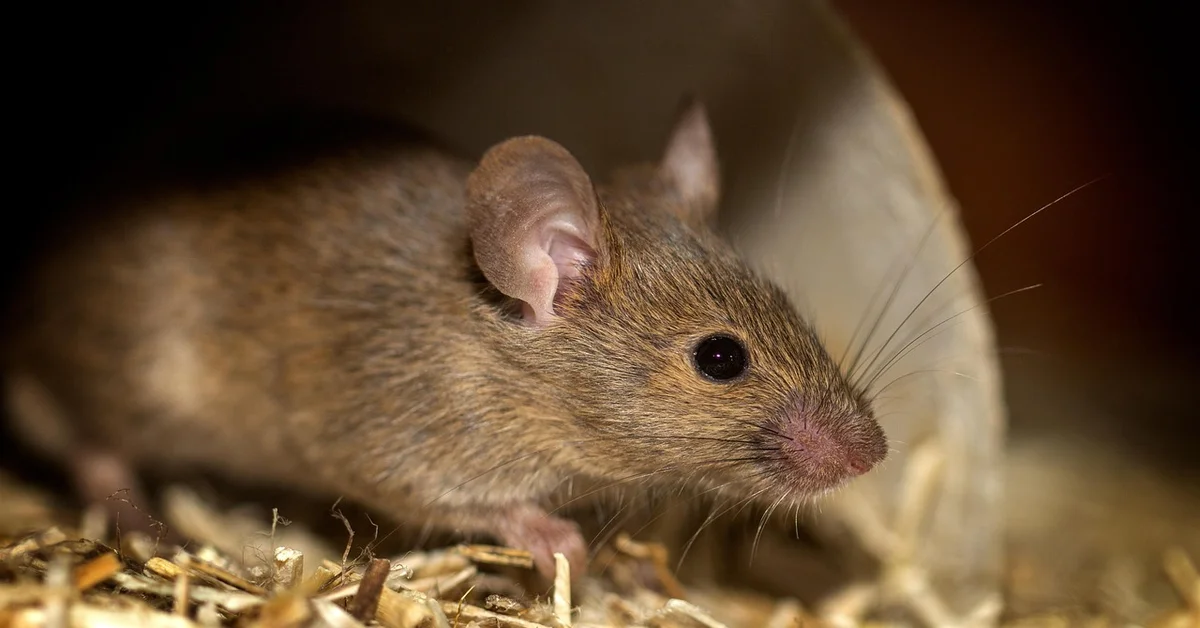
Creating Stable and Escape-Proof Photo Areas
Mice are agile and curious, so a wobbly setup can lead to spills or escapes that ruin your shoot and stress your pet. Always choose flat, non-slip surfaces like a shallow plastic bin or a low-sided cardboard box to contain your mouse safely. I line the bottom with a grippy mat or paper towel to prevent sliding, which keeps my bold mouse Kenny from darting off mid-pose.
- Use enclosed playpens or DIY barriers from books or lightweight blocks.
- Check for gaps or holes wider than a pencil-mice can squeeze through tiny spaces.
- Anchor backdrops with tape or weights to avoid toppling if your mouse nudges them.
Appropriate Height and Scale Considerations
Since mice are lightweight and prone to falls, even short drops can cause injury. Keep all platforms and props under 4-6 inches high to mimic their natural ground-dwelling habits. Scale everything to your mouse’s size; for example, a small ramp should be no steeper than a gentle slope they can climb easily.
- Opt for wide bases on props to prevent tipping when your mouse explores.
- Avoid tall, narrow objects that could trap or scare your pet.
- Match prop sizes to your mouse’s body-tiny items for younger mice like Jeffery, sturdier ones for adults.
Selecting Lightweight Accessories and Soft-Texture Props
Fabric and Textile Props
Soft fabrics can add warmth and color to photos, but they must be safe if chewed or climbed on. Stick to natural, breathable materials like cotton or fleece without loose threads that could tangle tiny feet. I often use small felt squares or handkerchiefs as backdrops, which feel cozy and are easy to wash between shoots.
- Choose tightly woven fabrics to reduce fraying and ingestion risks.
- Avoid synthetic blends that might hold static or irritate sensitive skin.
- Wash all textiles in unscented detergent before use to remove residues.
Natural Elements as Photography Props
Incorporating items from nature can make photos feel authentic and engaging for your mouse. Select untreated wood, smooth stones, or pesticide-free leaves to create a rustic scene that appeals to their instincts. My calm mouse Gregory loves resting on a small, sanded birch branch—it’s sturdy and gives him a sense of security. Before adding branches to your mouse’s cage, check a guide to safe woods and branches for mice. Only use untreated, non-toxic wood and make sure pieces are sanded and securely positioned.
- Use dried flowers or hay for textural variety, but ensure they’re dust-free.
- Steer clear of pine or cedar shavings, as the oils can harm respiratory health.
- Sanitize natural props by baking at a low temperature or soaking in vinegar solution.
Miniature Furniture and Themed Accessories
Tiny chairs or dollhouse items can transform a photoshoot into a whimsical story, but safety comes first. Pick accessories made from non-toxic, lightweight materials like balsa wood or food-safe ceramics to avoid injuries if knocked over. I’ve found that miniature ceramic bowls work well for treat stations, as they’re too heavy for mice to tip but easy for me to move.
- Check for sharp edges or small detachable parts that could be swallowed.
- Theme props around your mouse’s personality-adventurous setups for Kenny, cozy nooks for Jeffery.
- Use water-based paints if decorating items yourself, and let them cure fully.
Best Practices for Supervised Shoots and Gentle Handling
Keeping Photo Sessions Brief and Low-Stress
Mice have short attention spans and can become anxious in unfamiliar settings. Limit photoshoots to 5-10 minutes to prevent overwhelm and keep the experience positive for your pet. I schedule sessions during their active hours, like early evening, when my mice are naturally alert but not rushed.
- Set up props in advance to reduce waiting time for your mouse.
- Work in a quiet, dimly lit room to minimize startling noises or bright lights.
- Take breaks between shots if your mouse seems restless or distracted.
Using Treats and Familiar Smells for Natural Poses
Rewards and scents from their home cage can encourage relaxed, photogenic behavior. Offer tiny, high-value treats like sunflower seeds or berry crumbs to lure your mouse into place without force. For my anxious mouse Jeffery, I rub a prop with bedding from his cage—the familiar smell helps him settle into a natural pose quickly. These same small, aromatic treats and familiar bedding scents are examples of good bait for mice, since they reliably attract and calm them.
- Use treat-dispensing toys or shallow dishes to promote foraging poses.
- Introduce new smells gradually, like a dab of vanilla extract on a prop, for curiosity.
- Avoid overfeeding; break treats into pea-sized pieces to maintain health.
Reading Stress Signals During Photoshoots
Watch your mouse’s body language closely to ensure they’re comfortable and not frightened. Signs like freezing in place, rapid whisker twitching, or attempts to hide mean it’s time to end the session immediately. If I notice Gregory’s low, steady chatter turns into sharp squeaks, I gently return him to his habitat to decompress.
- Look for flattened ears, puffed fur, or excessive grooming as stress indicators.
- Respond to signals by speaking softly and offering a safe exit from the setup.
- Keep handling minimal-use cupped hands or a small tunnel to guide movement.
Maintaining a Quiet Environment and Temperature-Controlled Set
Optimal Lighting Without Stress or Overheating
Proper lighting is the magic ingredient for a great photo, but for a mouse, it can feel like an interrogation lamp if done incorrectly. I always use soft, indirect natural light from a nearby window, avoiding the harsh, direct beam of the sun that can quickly overheat a small animal. If you need extra light, a simple, cool-white LED desk lamp positioned to bounce off the ceiling or a wall provides a beautiful, diffused glow without the heat.
Camera flashes are an absolute no-go; the sudden, intense burst of light is terrifying for a mouse and can cause them to freeze or bolt. My rule of thumb is to place the back of my hand under the light source for a minute-if it feels warm to me, it’s far too hot for my mice, Kenny and Jeffery. Always provide a shaded prop, like a small wooden hut, within the set so your mouse can take a break from the “spotlight” whenever they wish.
Minimizing Noise and Sudden Movements
Mice hear a world we can barely imagine, with ultrasonic hearing that picks up every hum and whisper. A photoshoot requires a calm, almost library-like atmosphere to keep your subject feeling secure and photogenic. Turn off televisions, loud music, and any appliances with a noticeable drone. I even ask my household to avoid running the vacuum or blender during a session.
Your own movements are just as critical as the ambient sound.
- Move in slow, predictable motions when adjusting props or your camera.
- Avoid reaching suddenly over your mouse’s head, as this mimics a predator’s attack.
- Speak in a soft, low, and reassuring tone if you need to communicate with anyone else in the room.
I’ve found that my calmest mouse, Gregory, will actually pose for longer when the environment is consistently peaceful and my hands are steady. Use these same calm techniques when filming. Steady hands and a quiet room help you capture your mouse’s natural, engaging behaviors on video. A startled mouse is a blur in a photo and a stressed pet in real life.
Cleaning and Sanitizing Props Between Sessions
Safe Cleaning Methods for Different Prop Materials
A clean prop is a safe prop, preventing the spread of germs and keeping your mouse’s environment healthy. Establishing a quick cleaning routine after every single photoshoot is non-negotiable for responsible mouse care. The method you use depends entirely on what the prop is made from. Choose cleaners that are safe around mice—mild, fragrance‑free soaps or diluted, pet‑safe disinfectants—and avoid bleach, ammonia, or strong aerosols. Always rinse and let props air‑dry completely before returning them to your mouse.
- Wood & Cardboard: These porous materials are tricky. I never submerge them. Instead, I lightly sand the surface to remove any debris or teeth marks and then wipe them down with a cloth slightly dampened with a 50/50 mix of white vinegar and water. They must air dry completely to prevent mold.
- Fabric & Felt: Toss these in the washing machine on a gentle, fragrance-free cycle or hand-wash them with a mild, unscented soap. I always do an extra rinse cycle to ensure all soap residue is gone before line-drying.
- Plastic, Ceramic, & Glass: These are the easiest! You can wash them with hot, soapy water and give them a final rinse in a diluted vinegar solution for disinfection. A quick run through the dishwasher (top rack) also works perfectly.
Never use harsh chemical cleaners, bleach, or aerosol sprays anywhere near your mouse’s belongings. Their respiratory systems are incredibly sensitive.
Storage and Inspection Before Reuse
How you store your props is just as important as how you clean them. I keep all my photoshoot items in a dedicated, lidded plastic bin to protect them from dust, pests, and curious household pets. This also makes it easy to grab everything I need for the next session without a last-minute scramble.
Before any prop touches my mouse enclosure, I give it a thorough inspection.
- Check for any new splinters on wood or rough edges on plastic that could cause injury.
- Look for signs of chewing that may have weakened a structure, making it a collapse hazard.
- Give fabric items a sniff test to ensure no mildew has formed during storage.
A two-minute inspection can prevent a potential accident, ensuring every photoshoot is both fun and safe for your tiny friend. I once found a tiny crack in a ceramic cup I’d missed, and I was so grateful I’d caught it before my impulsive little Kenny decided to investigate it with his teeth.
Creating a Hazard-Free Set and Emergency Preparedness
Pre-Session Safety Checklist
Before you start snapping pictures, run through this quick safety checklist to ensure your mouse’s photoshoot is both fun and secure. Always inspect every prop and surface for potential risks, as even the smallest oversight can lead to accidents.
- Examine props for loose parts or sharp edges that could cause injury.
- Confirm all materials are non-toxic and free from chemicals or dyes.
- Check that backdrops and platforms are stable to prevent tipping or falls.
- Ensure the shooting area is enclosed to avoid escapes, with no gaps larger than a pencil eraser.
- Remove any electrical cords or small items that mice might chew on or ingest.
- Have a quiet, low-stress environment ready to keep your mouse calm during the session.
Common Photoshoot Hazards and How to Prevent Them
Mice are curious and quick, so it’s vital to anticipate dangers before they arise. Preventing hazards starts with knowing what to look for and making simple adjustments to your setup. This preventative mouse health guide explains common risks and early warning signs of illness or injury. It also offers practical tips to reduce hazards in their environment.
- Choking on Small Parts: Use props with no detachable pieces; opt for solid, one-piece items.
- Falls from Heights: Keep platforms low and add soft padding like fleece or foam underneath.
- Entanglement in Fabrics: Choose tight-weave materials and avoid loose threads or frayed edges.
- Exposure to Toxins: Stick to props made from untreated wood, food-safe plastics, or natural fibers.
- Stress from Overhandling: Limit session time to 10-15 minutes and watch for signs of agitation like rapid grooming or freezing.
Emergency Response for Injuries or Escapes
Even with precautions, emergencies can happen, so staying prepared helps you act quickly and calmly. Having a plan in place ensures you can respond effectively without panicking, which keeps your mouse safer.
- If your mouse escapes, close off the room and use a small, familiar hide or treat to lure them back gently.
- For minor injuries like cuts, apply gentle pressure with a clean cloth and contact a vet if bleeding persists.
- If a mouse seems stressed or unwell, stop the session immediately and place them in their familiar habitat to rest.
- Keep a first-aid kit with saline solution for eye irritations and styptic powder for minor bleeds.
- Always have your veterinarian’s number handy for urgent advice or visits.
Understanding Common Questions About Mouse Photography Props
Can Photography Props Designed for Mice Be Used With Cats?
Props made for mice are generally too small and fragile for cats, posing risks like breakage or ingestion. Cats have stronger jaws and playful instincts that can turn delicate mouse props into dangerous projectiles or choking hazards. I’ve seen how even a gentle cat can unintentionally harm tiny items, so it’s best to use species-specific props to keep all pets safe.
Are Mouse Photography Props Appropriate for Classroom Settings?
Yes, but only with strict supervision and child-friendly, durable materials. Choose props that are easy to clean and too large for students to mishandle, reducing the chance of accidents or stress for the mice. In my experience, simple items like cardboard tunnels or wooden blocks work well, as they encourage learning without overwhelming the animals. Also, make sure to teach children how to handle pet mice safely.
Do Gaming or Computer Mouse Props Work for Pet Mouse Photography?
No, computer mouse props are not suitable due to their hard plastic, small parts, and potential electrical components. These items can cause injuries if chewed or stepped on, and they lack the soft, safe textures that pet mice need for comfort. I always opt for custom-made or natural alternatives to avoid any harm to curious mice like my own, Jeffery, who loves exploring but needs gentle surfaces.
Frequently Asked Questions
Are mouse props safe for cats?
No, mouse props are not safe for cats. They are specifically designed for the small size and delicate nature of mice, and cats’ stronger jaws and playful instincts can easily break these props or turn them into choking hazards. Using species-specific props ensures the safety and well-being of all pets involved.
Are mouse props safe for classroom?
Yes, mouse props can be safe in classroom settings when used with proper precautions. Choose durable, non-toxic materials like untreated wood or cardboard, and always supervise interactions to prevent mishandling or stress to the mice. This approach supports an educational environment while keeping the animals secure.
Are mouse props safe for gaming?
No, props made for computer or gaming mice are not safe for pet mouse photography. These items often feature hard plastics, small detachable parts, or electrical components that pose ingestion or injury risks. Opt for soft, natural alternatives designed specifically for mice to ensure a hazard-free experience.
Wrapping Up Your Mouse Photo Adventure
Creating a safe and stimulating photoshoot environment is the single most important factor for capturing your mouse’s true personality. By focusing on non-toxic, chewable materials and simple, stable structures, you build a foundation of trust that lets their natural charm shine through the lens.
Every photoshoot is a chance to celebrate the unique quirks that make your mouse such a wonderful companion. Keep your sessions short, your props secure, and your treats ready-you are not just taking pictures, you are creating lasting memories of a tiny, joyful life. Cherish these moments of pure, unfiltered mouse-ness.
Further Reading & Sources
- Amazon.com: Mickey Mouse Photo Booth Props
- Minnie Mouse Photoshoot Props – Etsy
- Amazon.com: Minnie Mouse Photo Booth
Isabella is a passionate small pet enthusiast with over 8 years of experience in caring for mice. She loves sharing practical tips and heartfelt stories to help fellow mouse owners provide the best care for their tiny companions.
Household Hazards