
A Guide to Trimming Your Mouse’s Nails
Does the idea of clipping your mouse’s delicate nails feel daunting, leaving you concerned about causing harm or stress?
This guide offers a clear, compassionate method I’ve refined with my own mice, ensuring a safe and positive experience for both of you. You will find detailed steps on gathering supplies, executing a secure trim, and recognizing your mouse’s comfort signals throughout.
Why Your Mouse’s Nails Need Regular Trimming
Think of your mouse’s nails like your own fingernails; they never stop growing. In the wild, constant burrowing and climbing over rough surfaces files them down naturally. Our cozy, domesticated habitats lack the abrasive surfaces that would naturally maintain a healthy nail length. This means the job of a manicurist falls to us, their loving owners.
Understanding Mouse Nail Anatomy
A mouse’s nail, or claw, is more complex than it appears. The visible part is the keratin sheath, but inside is a blood vessel and nerve ending called the “quick.” Cutting into the quick is painful for your mouse and will cause bleeding, so knowing where it is located is the single most important part of a safe trim.
On mice with light-colored nails, the quick is often visible as a pinkish line running partway down the nail. For my mouse Jeffery, who has white fur and clear nails, it’s easy to see. For mice with dark nails, like my Gregory, it’s completely hidden. This is why you must trim only the very tip of the nail, taking off the sharp, translucent hook.
Signs Your Mouse Needs a Nail Trim
Your mouse will give you clear signals that a pedicure is overdue. You don’t need to wait for problems to start; regular observation is your best tool.
- Clicking Sounds: You hear a distinct “click-clack” as your mouse walks on a smooth, hard surface like a plastic bin cage or a tile floor.
- Getting Snagged: Your mouse’s nails catch on soft fabrics like your shirt, fleece hammocks, or the loops of a bath towel.
- Scratches During Handling: You notice fine, stinging scratches on your hands after a handling session that feel sharper than usual.
- Altered Gait: Your mouse walks a little differently, perhaps splaying its feet to compensate for the overgrown nails.
- Over-grooming: You might see your mouse nibbling at its own feet in an attempt to self-manicure.
How Often Should You Trim Your Mouse’s Nails?
There is no universal schedule that fits every single mouse. The ideal trimming frequency is a moving target, influenced by your mouse’s age, activity level, and even its home setup. My young, energetic mouse Kenny needs his nails checked every two weeks, while my older, more sedate Gregory can often go a month between trims.
I recommend starting with a bi-weekly check. Gently hold your mouse’s paw and look at the nails. If you see a clear, sharp hook extending beyond the toe pad, it’s time for a trim. Consistent, small trims are far safer and less stressful than infrequent, major clipping sessions. Watch for common mouse grooming signs such as matted fur, bald patches, excessive scratching, or chewing at the feet — these can indicate discomfort or overgrown nails. If you notice any of these signs, check the nails and skin more often and address trimming or veterinary care as needed.
Several factors will change this schedule:
- Age: Younger, highly active mice wear their nails down more than older, calmer mice.
- Cage Accessories: A cage full of rough rocks, pumice stones, and rough-textured wooden toys will naturally file nails more than a setup with only plastic and smooth wood.
- Individual Genetics: Some mice simply have faster-growing nails than others, just like people.
Let this be your guiding principle: Observing your mouse’s behavior and physically checking its nails is more reliable than marking a date on a calendar. You will quickly learn your own mouse’s unique nail-growing rhythm.
Choosing the Right Tools for Mouse Nail Trimming
Selecting proper tools is your first step toward a successful and stress-free nail trim. Using human nail clippers or dull scissors can crush the nail or cause painful splits. The ideal tool is a small, sharp pair of pet nail clippers designed for tiny animals like birds or guinea pigs. These provide the precision needed for a clean cut.
- Guillotine-style clippers: Offer a clear view of the nail and a quick, clean slice.
- Small scissor-style clippers: Give you more control over the angle of the cut.
- Emery boards or nail files: Perfect for gently filing down sharp edges after a trim, especially for mice who are nervous about the clippers.
I keep a dedicated “manicure kit” for my boys with a pair of scissor-style clippers and a few emery boards. Having everything in one place makes the process smoother for everyone involved.
How to Safely Hold and Restrain Your Mouse for Trimming
The goal of restraint is to keep your mouse secure without causing fear or discomfort. Never hold your mouse tightly or on its back. The most secure and comfortable method is to let your mouse rest calmly in your cupped hand while you gently extend one foot at a time. Your touch should be firm but gentle, communicating safety. For more guidance on handling pet mice, learn how to safely pick up and hold them.
- Sit at a table with a soft towel spread out to prevent falls.
- Cup your mouse in your non-dominant hand, allowing its body to rest against your palm.
- Use your thumb and forefinger from your dominant hand to gently hold the foot you are working on, extending the nails away from the body.
Reading Your Mouse’s Stress Signals
Mice communicate their discomfort clearly if you know what to look for. Pushing through these signals will create a negative association with nail trimming. If your mouse starts frantically wiggling, freezing completely, or making sharp, high-pitched squeaks, it’s time to take a break. These are clear signs of distress. Refer to the Signs of Stress in Mice visual behavioral guide for photos and quick descriptions to help you spot these cues. Using the guide will make it easier to respond appropriately and avoid creating lasting fear.
- Rapid, jerky movements: A sign of panic. Release your gentle hold immediately.
- Flattened ears and tense body: Indicates fear and a desire to escape.
- Repetitive, anxious grooming: A self-soothing behavior that means your mouse is overwhelmed.
My mouse Jeffery, for instance, will let out a series of soft, nervous squeaks when he’s had enough, which is my cue to stop and offer a comforting crumb.
Step-by-Step Guide to Trimming Your Mouse’s Nails
Preparing Your Space and Supplies
A calm environment sets the stage for a calm experience. Gather all your tools before you even think about taking your mouse out of its habitat. Lay out a soft, light-colored towel on a stable surface; the light color helps you see the tiny, translucent nails clearly. Have your clippers, a file, and high-value treats within easy reach. These preparations minimize sudden movements and smells—essential when handling a scared, skittish mouse. They form the groundwork for a complete guide to gently taming and building trust with your mouse.
Getting Your Mouse Comfortable With the Process
Rushing is the enemy of a good nail trim. Begin by simply holding your mouse in the trimming position for short periods without any tools. Associate your handling with positive outcomes by giving a tiny treat before, during, and after each practice session. This builds a foundation of trust. Avoid the common grooming mistake of rushing into trims—forcing the process can cause injury or lasting fear. These small steps help you avoid grooming mistakes and keep sessions safe and calm.
Identifying Which Nails to Trim
You don’t need to trim every single nail every single time. Focus on the nails that are visibly long, curved, or causing the mouse to get caught on soft fabrics. Look for the quick-the pinkish vein running partway down the nail-and only trim the clear, hook-like tip beyond it. On mice with dark nails, this is trickier, so err on the side of caution and take off minuscule amounts.
The Actual Trimming Technique
- Securely but gently hold your mouse and extend one foot.
- Position the clippers perpendicular to the nail, not at an angle.
- Make a quick, confident cut on the clear tip of the nail. Hesitating can lead to a jagged edge.
- If you are unsure, it is always better to trim less. You can always file a bit more later.
A swift, clean cut is far less stressful for your mouse than a slow, crushing motion from dull clippers. I find my bold mouse Kenny is easiest to trim because he’s so curious, but even he appreciates a speedy process.
Post-Trim Care and Rewards
The final step is just as important as the trim itself. Immediately after you are finished, offer your mouse its absolute favorite treat. This positive reinforcement helps your mouse remember the experience as a good one, making future trims easier. Give them some quiet time in their familiar habitat to decompress and groom.
What to Do If You Accidentally Cut the Quick
Even with the best intentions, a slip of the hand can happen, and seeing a tiny drop of blood can send your heart racing. Stay calm and remember that mice are resilient, and you can manage this situation with a gentle touch. Your mouse will pick up on your anxiety, so take a deep breath before you act.
Immediately stop the trimming and have a styptic powder or cornstarch ready-I keep a small container in my mouse-care kit for emergencies. Apply a tiny amount directly to the tip of the nail to help stop the bleeding quickly. Gently hold your mouse for a minute, speaking in a soft, reassuring voice to comfort them.
After the bleeding stops, place your mouse back in a clean, familiar area and watch for any unusual behavior like excessive licking or limping. Monitor the nail over the next day for signs of swelling or redness, which could indicate infection. If you notice anything concerning, a quick call to your vet is a smart precaution.
From my own mishaps, like when Kenny’s impulsive wiggling led to a nick, I learned that having supplies on hand makes all the difference. Keeping a first-aid kit with styptic powder and gauze ensures you’re prepared for those unexpected moments. This helps you respond without panic, turning a scare into a minor bump in your routine.
Common Mistakes to Avoid When Trimming Mouse Nails
Trimming tiny nails requires a steady hand and a clear plan, but it’s easy to fall into habits that make the process harder. Avoid using human nail clippers, as they can crush the delicate nail instead of making a clean cut. Opt for small, sharp scissors or rodent-specific trimmers designed for precision.
Rushing through the process is a common error that increases the risk of accidents. Take your time and work in a well-lit area so you can see the quick-the pink part inside the nail that contains blood vessels. If your mouse seems stressed, like Jeffery often does with his nervous twitches, pause and try again later rather than forcing it.
Another mistake is trimming all nails at once without breaks, which can overwhelm your mouse. Focus on one paw at a time, offering a favorite treat like sunflower seeds between sessions to keep things positive. This builds trust and makes future trims smoother for both of you.
Neglecting to check the nail length regularly can lead to overgrowth, causing discomfort or even injury. Incorporate quick visual checks during handling to spot when nails need attention before they become a problem. I’ve found that Gregory’s calm demeanor makes him a good model for patience, reminding me that slow and steady wins the race.
- Using improper tools that cause splintering or pain
- Cutting in dim lighting, making it hard to avoid the quick
- Ignoring your mouse’s body language, such as pulling away or squeaking
- Skipping positive reinforcement with treats or gentle praise
Alternatives and Supplements to Nail Trimming
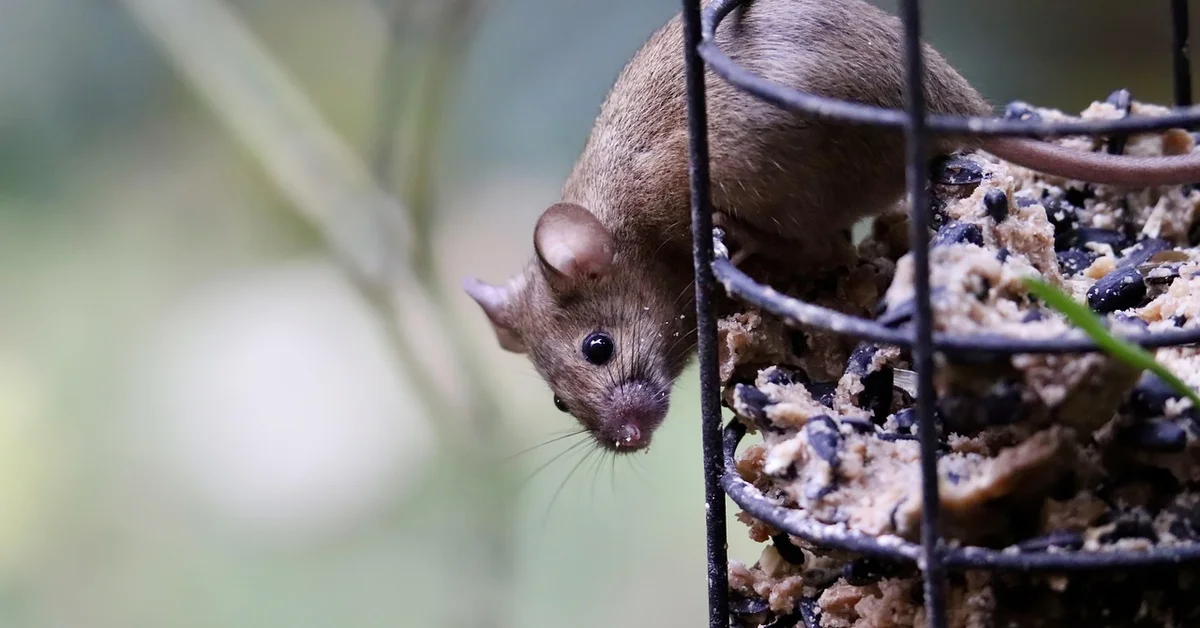
If regular trimming feels daunting, there are simple ways to help keep your mouse’s nails naturally worn down. Provide rough surfaces in their habitat, like untreated wood ledges or sandpaper-covered ramps, which encourage scratching and climbing. These textures mimic natural behaviors and can reduce how often you need to trim.
Toys and accessories that promote activity are excellent supplements. Include items like lava ledges or pumice stones in their play area, as the abrasive surfaces gently file nails during everyday movement. My mice, especially Kenny, love exploring these additions, and I’ve noticed their nails stay neater with less intervention.
Diet can play a small role in nail health, though it’s not a substitute for physical wear. Offering a balanced diet with variety, including crunchy veggies or fortified pellets, supports overall wellness, which may contribute to stronger nails. Remember, treats like aged cheese or berries should be given in moderation to avoid weight issues.
- Rough-textured toys and climbing structures
- Natural branches from safe trees, like apple or birch
- Supervised playtime on coarse fabrics or mats
- Rotating enrichment items to maintain interest and activity
Combining these methods with occasional trimming creates a holistic approach to nail care. Observing your mouse’s habits helps you tailor alternatives to their personality, whether they’re bold climbers or cautious explorers. For Jeffrey, who prefers following others, having multiple options ensures he engages without stress, keeping his nails in good shape over time.
When to Seek Veterinary Help for Nail Issues
Most nail trims go smoothly, but sometimes a situation arises that is beyond a simple at-home fix. You should contact your veterinarian if you notice any bleeding that does not stop within a few minutes after applying gentle pressure with a styptic powder or cornstarch. While a small nick is common, persistent bleeding needs professional attention.
Keep a watchful eye for any signs of infection. A nail that appears red, swollen, or feels warm to the touch is a red flag. Any discoloration, pus, or an unpleasant odor emanating from the nail or toe is a clear signal that a bacterial infection may have set in and requires medication. Your mouse might also favor that paw, holding it up or refusing to put weight on it.
Overgrown nails can sometimes curl back into the footpad, a painful condition known as an ingrown nail. If you see a nail that has grown in a complete circle and is embedded in the skin, do not attempt to remove it yourself as this can cause significant injury and pain. A vet can safely address this under proper restraint and provide pain relief.
Behavioral changes are often the most telling sign of a problem. A mouse that suddenly becomes reluctant to climb, run on its wheel, or shows a noticeable limp is communicating its discomfort to you. These subtle shifts are exactly what to watch for when trying to tell if your mouse is in pain. Regularly observing your pet’s activity and mood makes it easier to spot problems early. My mouse Gregory, normally so steady, once became uncharacteristically grumpy and withdrawn, which turned out to be a subtle sign of a sore toe we were able to get treated quickly.
- Uncontrollable bleeding from the quick
- Visible redness, swelling, or discharge around the nail
- A nail that has grown into the footpad
- A cracked or split nail that is hanging loosely
- Sudden and persistent limping or favoring a paw
Special Considerations for Different Life Stages
Caring for a mouse’s nails is not a one-size-fits-all task; their needs change dramatically from youth to their golden years. Young, energetic mice like my Jeffery often wear their nails down naturally through constant climbing and frantic wheel running, sometimes requiring very little manual trimming. Their boundless activity is its own best filing system.
Providing a variety of textured surfaces in their habitat is the best proactive care for juveniles. Rough-edged stones, untreated wooden branches, and even certain types of bird-safe pumice perches can encourage natural filing behaviors during play. This turns maintenance into a fun part of their environment rather than a stressful procedure.
Adult mice, in their prime, may need a more balanced approach. You will likely find that their front nails, used for delicate grasping, stay sharper and grow faster than the back ones, which get more abrasive contact with the ground. I often trim Kenny’s clever little front paws every few weeks while his back nails manage themselves for much longer. When mice are concerned, they often show it through their grooming—either over-grooming that causes bald patches or neglected fur that looks scruffy. Noticing these changes can help you spot stress or health issues early.
Senior mice like Gregory present the most unique challenges and require your greatest gentleness. As mice age, they often become less active, which means their nails receive far less natural wear and can thicken and overgrow more easily. Their joints can be arthritic, making handling for a trim more uncomfortable for them.
- Young Mice (Under 6 months): Focus on enrichment. Use textured toys and surfaces. Trim only if nails become sharp or hook-like.
- Adult Mice (6 months – 1.5 years): Establish a routine. Check nails every 2-3 weeks. Pay special attention to the front claws.
- Senior Mice (1.5+ years): Prioritize comfort and safety. Schedule more frequent, gentler checks. Consider a vet visit for thickened or difficult nails.
Arthritis is a common companion in old age, making it painful for a mouse to maintain a proper grip. Keeping an older mouse’s nails short is not just about hygiene; it is a critical comfort measure that helps them walk and climb without pain or slipping. Be patient, offer high-value treats, and keep sessions incredibly brief to minimize stress for your elderly friend.
Frequently Asked Questions
How do you trim square nails?
Mouse nails are naturally curved, but if they appear square due to overgrowth or previous trims, use the same careful technique as for curved nails. Focus on trimming only the clear, sharp tip beyond the quick to maintain a safe length and avoid injury, using small pet nail clippers for precision.
Ensure you work in a well-lit area to see the nail structure clearly, and if the square shape persists, consider filing the edges gently with an emery board. Regular checks and minor trims can help prevent unusual shapes from developing.
How many nails are in a trim?
A mouse has 20 nails in total-5 on each foot-but you don’t need to trim every nail in one session. Focus on the nails that are overgrown, hooked, or causing issues like snagging, which often includes the front nails that grow faster.
A typical trim might involve just a few nails per session, depending on your mouse’s needs. This approach reduces stress and allows for quick, targeted care without overwhelming your pet.
What nails are used in a mouse trap?
In the context of pest control, mouse traps do not involve actual nails; this is a common misunderstanding. Instead, these traps use mechanisms like springs or adhesives, which are unrelated to the nail care of pet mice.
For pet owners, the focus is on grooming your mouse’s nails for health and comfort, not traps. Always prioritize safe, humane methods for your pet’s well-being.
Final Thoughts
Clipping your mouse’s nails is a small act of care that makes a huge difference in their daily comfort and health. With patience, the right tools, and a gentle approach, what might seem daunting will become a simple part of your routine. Remember to work in short, positive sessions and reward your furry friend generously for their cooperation. These short, calm sessions also double as practice for grooming, taming, and preparing your mouse for shows. Regular, gentle handling helps them stay relaxed and cooperative during other grooming tasks and events.
Don’t be discouraged if your first few attempts feel clumsy; every mouse owner starts exactly where you are now. My own trio, from the bold Kenny to the patient Gregory, each required a slightly different strategy, proving that with observation and empathy, you will find your rhythm. Celebrate the small victories, and soon you’ll be a pro at keeping those tiny toes in perfect shape.
Further Reading & Sources
- r/PetMice on Reddit: How do you trim your mouse’s nails?
- Toenail trim saves lab mice from common, life-threatening skin condition
- AFRMA – Beginners’ Corner – New Club; Life Span of a Mouse; Trimming Teeth & Nails; New Mice
Isabella is a passionate small pet enthusiast with over 8 years of experience in caring for mice. She loves sharing practical tips and heartfelt stories to help fellow mouse owners provide the best care for their tiny companions.
Mice Grooming