
The House Mouse: Your Guide to Habitat, Diet, and Behavior
Have you ever spotted a tiny, swift shadow dart along your baseboard and wondered about the secret life of that creature? You’re not alone in your curiosity about these common yet fascinating neighbors.
This guide provides a clear window into the world of *Mus musculus*, offering reliable facts to satisfy your interest. We will explore the house mouse’s adaptable habitats, its surprisingly varied diet, and the complex social behaviors that define its daily life.
What Is the House Mouse (Mus musculus)?
The house mouse is the tiny, whiskered neighbor who decided to move in with humans thousands of years ago and never left. This specific species is the one you are most likely to welcome into your home as a pet, a direct descendant of wild ancestors who chose partnership with people. I’ve found their intelligence and social nature make them profoundly different from the wild mice you might imagine.
How Does a House Mouse Look and Feel?
Picture a creature that fits perfectly in the palm of your hand. A healthy house mouse has large, dark eyes that shine with curiosity and ears that seem almost too big for its head. Their fur is typically short and lies flat, feeling like the softest velvet you can imagine under your fingers. Running your hand along my mouse Jeffery’s back is like stroking a warm, living piece of satin.
Their physical traits are a marvel of adaptation:
- Whiskers that are constantly in motion, sensing air currents and textures.
- A long, scaly tail that provides crucial balance during their acrobatic climbs.
- Small, nimble paws capable of grasping food and scaling surprising surfaces.
- A body so light it feels like you are holding a small, breathing cloud.
Why Are House Mice Called Synanthropic Rodents?
This complex-sounding term simply means “together with humans.” House mice are synanthropic because their survival strategy is intrinsically linked to our own civilizations and habitats. They didn’t just stumble upon our grain stores; they evolved to thrive in the environments we create.
This relationship explains so much about their behavior as pets. Their desire to live near us isn’t a coincidence. It’s written in their DNA. My mouse Gregory, for instance, always chooses to nap in the corner of his cage closest to where I sit and work, a quiet echo of that ancient bond.
Where Do House Mice Live in the Wild?
In nature, these mice are masters of the in-between spaces. They seek out the narrow gaps and hidden cavities within our world, finding security in the tight confines we often overlook. A wild house mouse’s home is less about a specific location and more about the qualities of a space: sheltered, dark, and close to food. That means they can slip through tiny entry points—gaps around pipes, vents, or foundation cracks. Once inside, they typically nest in wall voids, attics, basements, or among stored clutter.
What Does a House Mouse Habitat Look Like?
Imagine a world built from scraps and shadows. A wild house mouse nest is a masterpiece of resourcefulness, often constructed from whatever is available.
- They shred paper, cloth, dried grass, and insulation to form a warm, enclosed ball.
- Nests are tucked away in wall voids, under floorboards, or inside abandoned appliances.
- They create intricate networks of pathways along walls, using their whiskers to guide them in the dark.
- Their territory is compact, usually spanning just a few meters from the nest to their primary food source.
A wild mouse’s entire existence is a lesson in maximizing small spaces for safety and efficiency. They are not creatures of open fields, but of the hidden architecture within them.
How Do Wild Habitats Inform Pet Housing Needs?
Understanding their wild origins is the single most important key to keeping a pet mouse truly happy. We must replicate the security and complexity of their natural environment, not fight against their instincts. A bare cage with an open food bowl ignores everything that makes a mouse a mouse.
Here is how I translate their wild needs into a pet enclosure:
- Provide multiple, enclosed hiding spots. I use small clay pots, cardboard boxes, and commercial hideouts. My mouse Kenny will always choose the most cluttered, multi-chambered hide he can find.
- Fill the vertical space. Mice are climbers. Adding ropes, branches, and platforms lets them explore upward, satisfying their need to survey their territory from above.
- Offer a deep layer of bedding. This allows them to tunnel and burrow, a fundamental natural behavior that reduces stress immensely.
- Scatter food, don’t bowl-feed. Foraging for their meals provides mental stimulation that a simple bowl of food never can.
The goal is to build a habitat that feels like a safe, explorable fortress, giving your pet the confidence to exhibit its full range of natural behaviors. When you see them busily rearranging bedding or carefully storing food, you are witnessing a successful translation of their wild world into your home.
What Do House Mice Eat in Nature and Captivity?

What Is the Natural Foraging Behavior of House Mice?
In the wild, house mice are opportunistic omnivores, constantly on the move for their next meal. They don’t just eat at a single food pile; they graze on tiny amounts from many different sources throughout the day and night. This constant, low-level foraging mimics their natural need to travel and work for sustenance, keeping their minds and bodies active. Their diet is incredibly varied, consisting of seeds, grains, fruits, and the occasional insect or worm for a protein boost. Studies of the wild mouse diet show that they eat whatever is most available, shifting seasonally between plant foods and insects. Understanding what wild mice eat helps explain their constant foraging and roaming behavior.
They are naturally cautious nibblers, often taking a small piece of food to a safe, hidden spot to eat it. This behavior minimizes their exposure to predators while they are in a vulnerable position. This habit of caching food also ensures they have hidden reserves to fall back on when fresh sources are scarce, a brilliant survival strategy. Watching my own mice, like the bold Kenny, I see this instinct kick in even when their bowl is full-he’ll still grab a sunflower seed and dash to a corner to enjoy it in private.
What Should You Feed a Pet House Mouse?
Providing the right diet for a pet mouse is about replicating that wild variety in a safe, controlled way. The foundation of their diet should be a high-quality commercial lab block or pellet, which ensures they get all the necessary vitamins and minerals. A nutritionally complete lab block is non-negotiable, as it prevents your mouse from selectively eating only the tasty, high-fat parts of a seed mix and missing out on key nutrients. In the deep dive on seed mixes vs lab blocks, we’ll compare their nutritional profiles, risks, and benefits. You’ll get practical guidance on when and how to use seed mixes as supplements without compromising a complete diet.
Beyond the staple block, you can offer a small selection of fresh foods and healthy treats. Think of these as supplements to their main diet, not replacements.
- Vegetables: Broccoli, carrots, peas, and cucumber are excellent choices.
- Proteins: A tiny bit of cooked, unseasoned egg or mealworms a few times a week supports their health.
- Fruits and Treats: Offer small pieces of apple or a blueberry sparingly. My mouse Jeffery goes wild for a crumb of whole-wheat pasta.
Fresh, clean water must be available at all times, provided through a sipper bottle to keep it free from bedding and food contamination. Always remove uneaten fresh food within a few hours to prevent spoilage and potential health issues in their habitat.
How Do You Encourage Natural Foraging in Pet Mice?
Encouraging your pet mouse to forage is one of the most rewarding parts of ownership, as it keeps them mentally stimulated and physically fit. Instead of placing all their food in a single bowl, you can hide it around their enclosure. Scatter feeding, where you sprinkle their daily seed allowance throughout their bedding, forces them to use their powerful sense of smell and natural digging instincts to find food. This often triggers natural hoarding—mice will collect and stash extra food in nests or hiding spots. Understanding hoarding explains why your mouse hides food and helps you provide suitable places for safe stashing.
You can also create simple foraging toys that challenge their problem-solving skills.
- Place treats inside a sealed, clean cardboard toilet paper tube with the ends crumpled shut.
- Hide small food items inside a puzzle ball designed for small animals.
- Weave strands of untreated seagrass or paper strips through the bars of their cage and tuck food inside.
I often find my older mouse, Gregory, methodically working on a puzzle I’ve set, his steady patience a contrast to Kenny’s frantic, excited searches. Rotating the types of foraging enrichment you provide prevents boredom and keeps your mouse’s environment fresh and engaging every single day.
How Do House Mice Behave Naturally?
What Are Typical Daily Behaviors of House Mice?
A house mouse’s life is a cycle of short, intense bursts of activity followed by periods of rest. They are crepuscular, meaning they are most active during dawn and dusk. You will likely see your pet napping frequently throughout the day, only to spring to life in the evening for a session of running, climbing, and exploring. Their daily routine is a beautiful mix of grooming, eating in small meals, investigating their territory, and engaging in play.
Expect to see a lot of burrowing and nest-building. They will tirelessly move bedding material to create cozy, enclosed sleeping areas. Watching a mouse meticulously construct a perfect, warm nest from shredded paper is a testament to their innate drive for comfort and security. My white mouse, Jeffery, is a particular architect, often rearranging his nest multiple times a day until it meets his exact standards.
How Social Are House Mice?
House mice are profoundly social creatures who, in the wild, live in complex colonies with established hierarchies. They communicate through a rich vocabulary of ultrasonic vocalizations, scents, and body language that we can only partially observe. Housing mice in compatible pairs or small groups is one of the greatest kindnesses you can offer, as it allows them to express their natural social behaviors. That said, some individuals may require solitary housing due to illness, extreme aggression, or stress. This guide explains how to recognize those cases and choose or arrange appropriate solitary or social housing to meet each mouse’s needs.
You will see them sleeping piled together for warmth, gently grooming each other, and engaging in playful wrestling matches. It’s vital to introduce new mice properly and to provide enough space, hides, and resources to prevent squabbles. While they enjoy company, even the best of friends will appreciate having multiple hideouts to retreat to for some alone time when needed.
Why Do House Mice Gnaw Constantly?
The relentless gnawing you observe is not a destructive habit but a critical physiological need. A mouse’s incisor teeth grow continuously throughout its life, at a rate of up to several millimeters per week. Gnawing on hard objects is their way of filing these teeth down to a manageable length and keeping them sharp and functional. Their incisors are open‑rooted, meaning they never form a closed root and therefore teeth grow continuously. This dental adaptation balances the constant wear from gnawing; without it, their teeth would overgrow, preventing them from eating and leading to severe health problems.
Providing safe, appropriate gnawing materials is absolutely essential for their welfare.
- Wooden chews made from untreated, mouse-safe woods like apple or willow.
- Cardboard tubes and boxes, which they will shred with gusto.
- Specialty mineral chews or lab blocks, which are hard enough to help wear down teeth.
By offering a variety of chewable items, you not only protect your mouse’s dental health but also provide a natural and satisfying outlet for this powerful instinct. Mice gnaw on everything to keep their teeth in check and to relieve stress.
What Is the Reproductive Behavior of House Mice?
House mice possess a truly remarkable reproductive capacity, a trait honed over millennia for survival. Their reproductive cycle is incredibly efficient, allowing a single pair to produce a new litter approximately every three weeks. Females can experience a postpartum estrus, meaning they can become pregnant again almost immediately after giving birth. This biological reality is a core part of their identity, driven by the need to ensure their lineage continues in the wild where life is precarious.
How Does Reproduction Affect Pet Mouse Care?
For the pet owner, understanding this innate drive is fundamental to providing a safe and stable environment. Responsible pet ownership means housing male and female mice separately to prevent rapid, uncontrolled breeding. An unplanned litter can place immense stress on the female mouse and lead to overcrowding, which compromises the health and happiness of your entire mischief. I keep my boys Kenny, Gregory, and Jeffery in a peaceful, male-only habitat, which completely eliminates this concern and allows their individual personalities to flourish without hormonal tension.
Caring for a pregnant mouse, should you acquire one unknowingly, requires specific knowledge. You must provide a high-protein diet and a deeply bedded, quiet, and secure area for her to build a nest. Her world becomes very small and focused on the safety of her impending litter. After the pups arrive, resist the urge to check on them constantly; your scent can distress the mother. Her instincts will guide her, and your role is to provide silent, supportive stewardship with ample food and water. For detailed insights, refer to our week-by-week guide on mouse pregnancy.
How Can You Support Natural Behaviors in Pet House Mice?
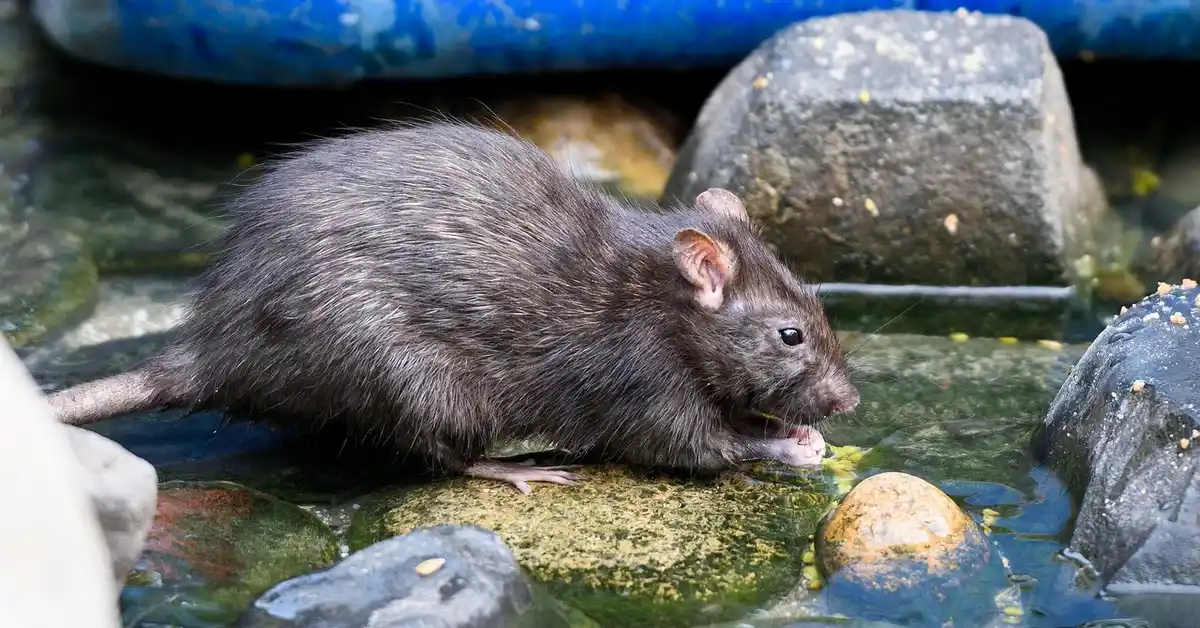
Our domestic companions still carry the wild heart of Mus musculus within them. Creating a habitat that honors their intrinsic needs is the single greatest gift you can give your pet mice. When their environment allows for natural expression, you will witness a profound increase in their activity, curiosity, and overall contentment. Watching my mice engage with a well-designed cage is a constant reminder that we are not suppressing their nature, but rather creating a sanctuary for it. Without enrichment, mice housed in barren environments can develop learned helplessness, showing reduced exploration and motivation. Thoughtful habitat design helps prevent this decline and supports their psychological well‑being.
What Enrichment Mimics Wild Behaviors Best?
The most effective enrichment directly translates a wild mouse’s daily challenges and activities into safe, engaging cage furniture and routines.
- Climbing and Exploring: Mice are phenomenal climbers. Provide a complex vertical landscape with ropes, branches (like applewood or manzanita), ladders, and multiple platforms. This turns their home into a three-dimensional jungle gym for them to survey their domain, just as they would scout for resources and predators in the wild.
- Foraging for Food: Scatter feeding is one of the simplest and most impactful changes you can make. Instead of a bowl, hide their daily seed and pellet ration throughout the bedding and in puzzle toys. This transforms a two-minute meal into hours of stimulating work that engages their brains and bodies. I love watching Jeffery’s nose twitch with excitement as he hunts for his favorite berry crumble treats.
- Nesting and Burrowing: In the wild, a secure nest is a matter of life and death. Offer an abundance of safe, shreddable materials like unscented toilet paper, paper towel strips, and hay. Provide a deep layer of bedding (6+ inches) so they can construct elaborate tunnel systems and cozy sleeping chambers, fulfilling their deep-seated need to dig and hide.
- Chewing and Gnawing: A mouse’s teeth never stop growing. A variety of chew toys is not a luxury; it is a necessity for dental health. Offer cardboard, untreated wood blocks, and Whimzees chews. This vital activity keeps their teeth trim and provides a constructive outlet for their natural gnawing behavior.
Frequently Asked Questions
What are the behavioral differences between field mice and house mice?
Field mice, such as deer mice, are typically more solitary and prefer outdoor habitats like fields and forests, where they build nests in burrows or under logs. They are often nocturnal and less dependent on human structures, focusing on foraging for seeds, insects, and plants in the wild. In contrast, house mice are highly social and synanthropic, meaning they thrive in human-made environments, forming colonies with complex hierarchies and relying on our resources for food and shelter. As pets, house mice benefit from group housing and enrichment that mimics indoor safety, while field mice might be more independent and require habitats that replicate natural, outdoor settings.
What is the typical personality of a house mouse?
House mice are generally curious, intelligent, and social animals that exhibit a range of individual personalities, from bold and adventurous to shy and cautious. They enjoy exploring their surroundings, engaging in play, and interacting with cage mates through grooming and communal nesting. As pets, their personality shines through in behaviors like problem-solving during foraging or showing preferences for certain toys, making them engaging companions when provided with a stimulating environment that supports their natural instincts.
Why is the plural of mouse given as mice while the plural of house is houses?
This difference stems from the historical development of English, where “mouse” comes from Old English “mūs,” which had an irregular plural form “mȳs” that evolved into “mice” due to a process called i-mutation. In contrast, “house” derives from Old English “hūs,” with a regular plural “hūsas” that standardized to “houses” over time as the language simplified many noun plurals. While this linguistic quirk doesn’t relate directly to pet care, it highlights the fascinating evolution of English, much like how understanding a mouse’s natural history enriches our approach to their care.
Your Path Forward
Providing a proper habitat, a balanced diet, and understanding their complex social behavior are the three pillars of exceptional mouse care. When you get these fundamentals right, you create an environment where your tiny companion can truly thrive, displaying all their natural curiosity and charm.
From my own experience with my curious mouse Kenny, the reward for this thoughtful setup is a deeply engaging and joyful relationship. Each mouse, like my calm Gregory, has a unique personality waiting to be understood, and your careful attention is the key that unlocks a wonderful world of companionship.
Further Reading & Sources
- House mouse | Behavior, Habitat & Diet | Britannica
- House Mouse – Facts, Diet, Habitat & Pictures on Animalia.bio
- Mus musculus (house mouse) | INFORMATION | Animal Diversity Web
Isabella is a passionate small pet enthusiast with over 8 years of experience in caring for mice. She loves sharing practical tips and heartfelt stories to help fellow mouse owners provide the best care for their tiny companions.
Mouse Biology & Anatomy