
Advanced Mouse Trapping: A Humane Guide to Bucket Traps and Smarter Solutions
Are you facing a clever mouse that outsmarts every conventional trap you set? I’ve been there, watching a crumb of cheese vanish overnight while the trap stays stubbornly unsprung.
This guide moves beyond basic snap traps to provide effective, humane strategies for even the most trap-savvy rodents. You will learn how to construct a reliable bucket trap, the proper steps for handling a captured mouse, and the clever tactics needed to catch those that consistently avoid danger.
Understanding Why Some Mice Avoid Traps
You might feel frustrated when a mouse consistently outsmarts your carefully placed traps. This behavior isn’t a sign of a “super-mouse,” but rather a reflection of their natural instincts and intelligence. In my years of caring for curious fellows like Kenny, I’ve learned that mice are neophobic, meaning they have a deep-seated fear of new objects in their environment. A sudden, shiny snap trap can be terrifying, not tempting.
Their incredible sense of smell also works against you. A trap that has been handled extensively will carry your human scent, which acts as a giant red flag for a cautious rodent. Older, wiser mice like my Gregory are especially adept at learning from near-misses. If a trap mechanism goes off once without catching them, they will remember and actively avoid that type of trap forever. They are not just avoiding a device; they are avoiding a remembered danger. You can find more about their cognitive abilities here.
- Neophobia: An instinctive wariness of new objects placed in their familiar paths.
- Scent Aversion: Human odors or the scent of a previously caught mouse on the trap acts as a powerful deterrent.
- Learned Avoidance: A single bad experience teaches them to associate a specific trap type with danger.
- Poor Placement: Placing a trap in the middle of an open room ignores their natural tendency to scurry along walls for safety.
How to Build a DIY Bucket Trap Step-by-Step
When conventional traps fail, a simple bucket trap can be a highly effective and humane alternative for live-capture. This method uses a mouse’s own curiosity and poor depth perception against them, creating a pit they cannot escape. I’ve used variations of this design to safely contain adventurous mice that managed to find their way into areas they shouldn’t be. It’s important to handle live-trapped mice carefully to ensure their safe release.
- Find a tall, smooth-sided bucket. A standard 5-gallon paint bucket is perfect, as its sides are too high for a mouse to jump or climb.
- Create a ramp for the mouse to climb. You can use a sturdy ruler, a thin piece of wood, or even a hardcover book leaned against the bucket.
- Cover the bucket’s opening. Stretch plastic wrap tightly over the top and secure it with a rubber band. For a more advanced version, you can cut a hole in the center of a cardboard circle and balance it like a seesaw over the bucket opening.
- Sprinkle a thin layer of bedding or torn-up paper towels at the bottom of the bucket. This provides a soft landing and helps prevent injury to the mouse upon entry.
- Place a generous amount of enticing bait directly in the center of the plastic wrap or cardboard. The goal is to lure the mouse onto the unstable surface.
Choosing the Right Bait for Your Bucket Trap
Bait selection can make or break your trapping success. Forget the cartoon cliché of cheese; the most effective baits are high-value, aromatic foods that a mouse would travel for. Think like a mouse: they are foraging for calorie-dense, smelly foods. My mouse Jeffery, for instance, would do backflips for a bit of peanut butter, while Gregory is far more tempted by a small piece of cooked pasta.
- Peanut Butter: The ultimate choice. Its strong smell and sticky texture force the mouse to linger, increasing the chance of a fall.
- Sunflower Seeds or Birdseed: A natural favorite for many mice, providing both scent and a rewarding crunch.
- Chocolate Spread or Nutella: An incredibly potent and sweet lure that is hard for them to resist.
- Small Pieces of Bacon or Hot Dog: The strong, greasy, savory smell is irresistible to many rodents.
- Oatmeal or Granola: A less messy alternative that still offers a tempting, food-like aroma.
Where to Place Your Homemade Mouse Trap
Location is just as critical as construction. You must place your trap directly in the mouse’s highway, not in a random spot you find convenient. Mice are creatures of habit and prefer to stick to established paths, usually along walls where they feel protected. Look for tell-tale signs like droppings, greasy smudges, or chewed materials to identify these runways.
Place the base of your ramp flush against the wall, creating a seamless path from their route onto your trap. An ideal location is a quiet, dimly lit corner where the mouse feels secure enough to explore the new “platform” you’ve provided. Avoid high-traffic areas with a lot of human or pet activity, as the noise and vibrations will keep even the boldest mouse, like my Kenny, far away. Check the trap frequently, as a live-caught mouse should not be left in the bucket for an extended period.
What to Do Immediately After Catching a Mouse
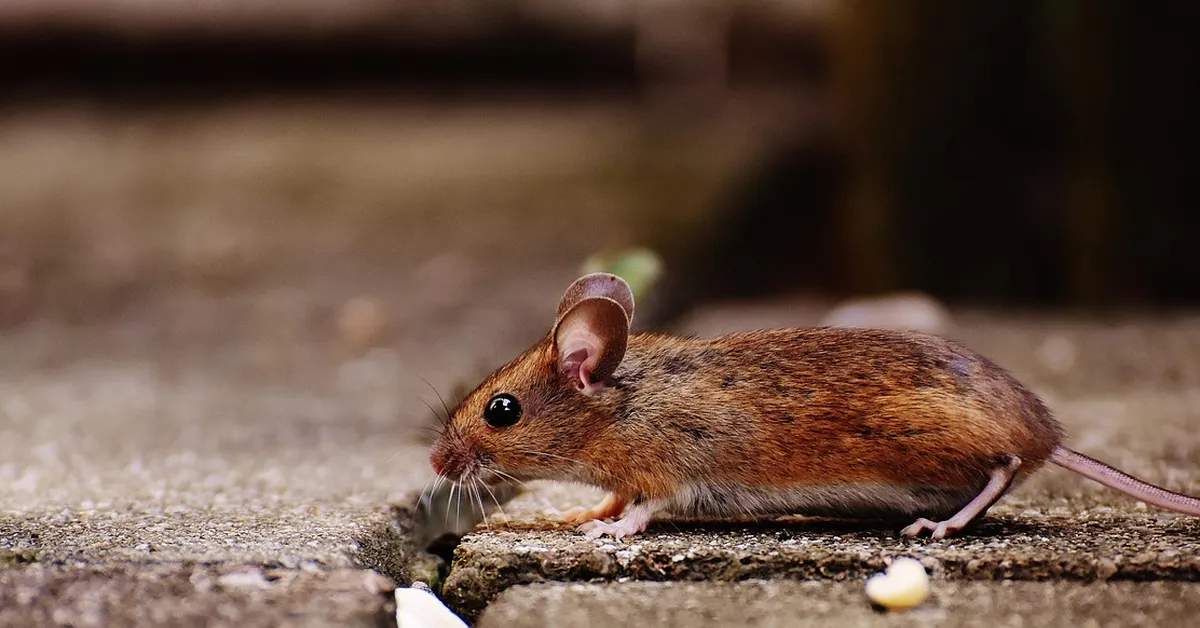
The moment you’ve successfully caught a mouse is critical for its well-being and your peace of mind. Your first action should always be to approach the trap calmly and quietly to avoid causing the mouse further stress. A frantic, panicked animal is harder to assess and can injure itself. Watch for signs of fear—freezing, trembling, or frantic movements—and avoid sudden handling. Gentle, calm behavior and a quiet, secure spot will help the scared mouse settle so you can help it.
Performing a Quick Health Check on Caught Mice
Before making any decisions, you need a clear picture of the mouse’s condition. I always perform this visual check from outside the trap first to minimize handling.
- Observe Breathing: Look for rapid, shallow breaths or any signs of labored breathing, which can indicate shock or respiratory illness.
- Check for Visible Injuries: Look for any limping, wounds, or patches of missing fur. A healthy mouse will have a sleek, clean coat.
- Assess Alertness and Movement: A mouse that is bright-eyed and responsive is a good sign. Lethargy, dull eyes, or a hunched posture can signal sickness or severe stress.
- Look for Discharge: Check around the eyes and nose for any crustiness or wetness, which are classic signs of a respiratory infection.
This initial health assessment is your most powerful tool for deciding the next right step for the animal.
Deciding Between Release, Keeping, or Other Options
This choice depends entirely on the mouse’s health, its origin, and your capacity for care.
- Release is the best option for a healthy, wild-caught mouse. Take it at least a mile from your home to a safe, green area with cover and a water source. Release it at dusk when it is naturally most active and can find shelter quickly.
- Consider temporary care and isolation if the mouse is a lost pet or shows minor signs of illness. You will need a separate, secure temporary enclosure. I’ve done this with a few strays over the years, providing a quiet space with food and water while I searched for an owner or decided on a vet visit.
- Seek immediate veterinary care for any mouse with obvious injuries or severe illness. Not all vets see “pocket pets,” so call ahead to find one that does.
Your empathy in this moment directly influences the animal’s chance at a good outcome, whether that’s freedom or recovery.
Advanced Tactics for Catching Trap-Avoidant Mice
Some mice, like my curious Kenny, seem to possess a sixth sense for danger and will expertly sidestep any obvious trap. Outsmarting them requires a more thoughtful, patient approach. At the same time, mice are social creatures and often form bonds with humans. Many pet mice learn to recognize their owners by scent, voice, or handling and will respond differently to familiar people.
Masking Human Scent and Trap Novelty
Mice rely heavily on their sense of smell, and your scent on a trap is a giant red flag.
- Wear disposable gloves every single time you handle a trap or bait.
- Wipe down new traps with a cloth dampened with white vinegar or simply leave them outside for a day to let smells dissipate.
- Rub a bit of bait, like a sunflower seed, on the trigger plate and exterior of the trap to mask other odors.
By eliminating your scent, you transform a scary, foreign object into a neutral, and ultimately interesting, part of the environment.
Rotating Bait and Trap Types
If peanut butter isn’t working, it’s time to get creative. Mice can be picky, and their preferences can change.
- Bait Variety: Move beyond standard fare. Try a tiny bit of unsalted pumpkin seed, a crumble of aged cheese (a favorite of my Gregory), or a smear of oatmeal mixed with a drop of honey.
- Trap Variety: Don’t just use one kind of trap. If a snap trap fails, try a different humane live trap or even a simple, baited cardboard tube placed over a deep bucket. The novel shape can pique their curiosity.
A clever mouse that ignores one offering might find another irresistible, so keep a small arsenal of bait and trap styles on hand.
Strategic Trap Placement for Clever Mice
Placement is everything. You must think like a mouse, which means hugging the walls and seeking cover.
- Place traps directly against walls, in corners, or in dark recesses where mice feel hidden and secure.
- Look for “runs”-the greasy, dusty trails left by frequent travel along baseboards or behind appliances. Placing a trap directly in this path is non-negotiable.
- Create a funnels using books or boards to guide a mouse’s movement toward your trap, making the bait the most obvious and accessible item in its path.
The goal is to make the path to the bait feel like the safest, most logical choice the mouse can make. This method finally worked for a particularly savvy mouse that had evaded me for weeks, leading it right into a humane trap tucked behind my bookshelf. That’s the same principle behind mouse bait stations: by providing secure, predictable access to bait along a clear path, they encourage mice to take the bait. Properly placed bait stations can be an effective component of indoor mouse control.
Maintaining Your Traps for Long-Term Success
Think of your traps not as one-time tools, but as part of your ongoing mouse-care toolkit. Proper maintenance is what transforms a sporadic success into a reliable system for managing your little visitors. A well-kept trap is a safe and effective trap. In our “Best Humane No Kill Mouse Traps 2025” review, we focus on durability, ease of cleaning, and consistent performance so you can choose options that fit into your long-term mouse-care routine.
Cleaning is Non-Negotiable
Mice have an incredible sense of smell, far superior to ours. A trap that smells of fear, old bait, or even your own scent can send a clear “danger” signal. I make it a habit to thoroughly wash my humane bucket traps with warm, soapy water after every single use, even if they appear clean. This removes invisible scent markers that could warn other mice. Mice scent-mark with urine and gland secretions to communicate territory and alert others, so residual human or bait odors can mask or mimic those olfactory signals. Keeping traps scent-free helps ensure the bait’s scent is the only message the mice receive, reducing avoidance.
- Use unscented soap to avoid introducing new, strange odors.
- Allow the trap to air dry completely before resetting.
- For a deep clean, a wipe with white vinegar can help neutralize stubborn odors.
Bait Refreshment Schedule
Old, stale bait is about as appealing as a wilted salad. Check and replace your bait every 24 to 48 hours to ensure it remains an irresistible temptation. I’ve found that my mouse, Jeffery, is particularly suspicious of anything that isn’t perfectly fresh.
- Remove any old, uneaten bait completely.
- Use small, high-value items like a dab of peanut butter or a fresh sunflower seed.
- Rotate your bait types occasionally to keep things interesting for curious mice like Kenny.
Mechanical Integrity Checks
A trap that fails mid-catch can educate a mouse to be trap-shy. Before each deployment, perform a quick function test to ensure the triggering mechanism is sensitive and works smoothly. A sticky or sluggish trap is worse than no trap at all. In our deep-dive review of the Catchmaster Smart Mouse Trap, we specifically assess trigger sensitivity and repeatability to see how it holds up in real use. Use those findings to judge whether the Catchmaster model meets your reliability needs.
- Test the trigger with a light touch to see if it releases as expected.
- Inspect for any warping, cracks, or damage that could cause malfunctions.
- Ensure all parts move freely without any grit or obstruction.
Preventing Future Intrusions After Trapping
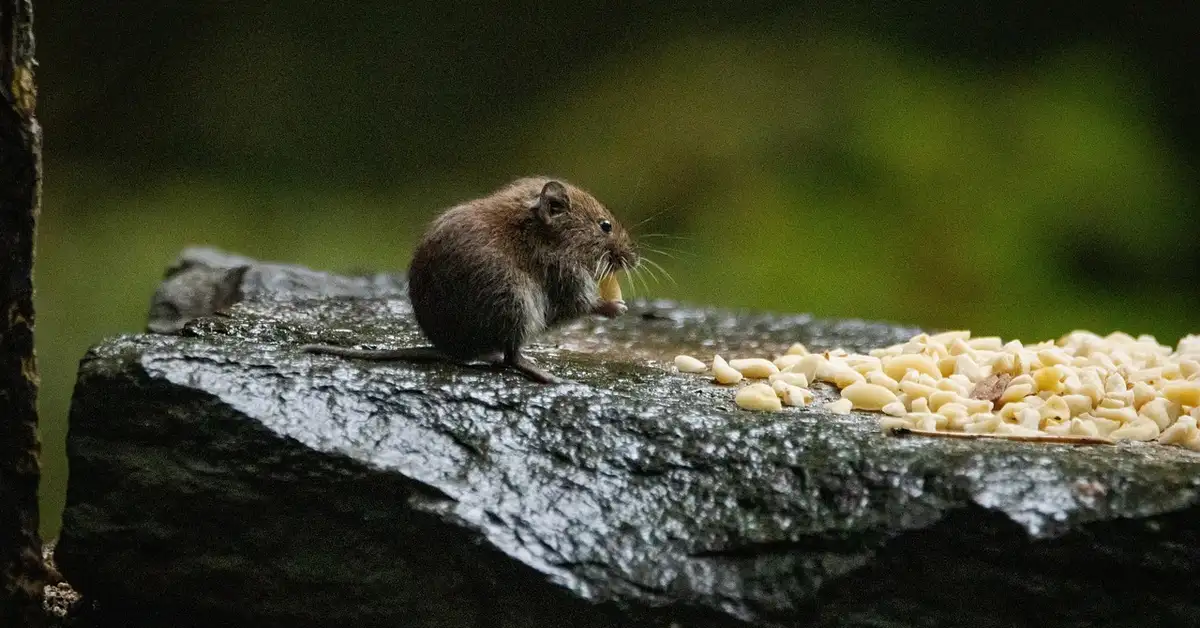
Catching a mouse is only half the battle; the real victory is ensuring they don’t feel the need to return. Prevention is a continuous process of making your space less appealing and accessible to wandering rodents. It’s about creating an environment where your pet mice feel secure and wild mice see no opportunity.
Seal the Deal on Entry Points
Mice can fit through holes the size of a dime. Conduct a meticulous inspection of your room’s perimeter, paying close attention to gaps around pipes, cables, and under doors. My old-timer, Gregory, has taught me that mice seek stability and will return to a known, safe path if it remains open. Check and seal entry points into walls, attics, and crawl spaces, since these are favorite nesting and travel areas. Blocking those gaps is the first step to rid your home of mice.
- Use steel wool or copper mesh to stuff small holes, as mice cannot chew through it.
- Seal larger gaps with a quality silicone caulk or expanding foam.
- Install door sweeps on exterior doors and any doors leading to garages or basements.
Eliminate the Allure of Food and Nesting
Your home becomes a target when it offers a free buffet and a five-star hotel. Store all pet food, bird seed, and human pantry items in sturdy, airtight glass or metal containers. This simple step removes the primary motivation for a mouse to venture inside.
- Never leave pet food bowls out overnight.
- Keep countertops free of crumbs and dispose of kitchen garbage regularly.
- Store linens, paper goods, and other potential nesting materials in sealed plastic bins.
Modify the Outdoor Environment
Make the area immediately outside your home less hospitable. Keep shrubbery, vines, and tree branches trimmed back from your home’s exterior walls. This removes natural highways and hiding spots that mice use to travel and scope out your home.
- Store firewood at least 20 feet away from your home’s foundation.
- Keep garbage cans sealed tightly and clean up any fallen fruit from trees.
- Consider using an outdoor ultrasonic repellent near potential entry points as a deterrent.
Frequently Asked Questions
What are Rentokil advanced mouse traps?
Rentokil advanced mouse traps are professional-grade devices designed for efficient and often humane rodent control, commonly used in commercial or large-scale settings. These may include electronic traps that deliver a quick, humane kill or multi-catch systems that allow for capturing several mice at once, focusing on reliability and minimal handling. While not typically aimed at pet care, they can offer insights into scalable solutions for those managing multiple or persistent mouse issues in a responsible manner.
How effective are live mouse traps?
Live mouse traps are highly effective when used correctly, as they allow for humane capture without harm, making them ideal for pet care scenarios where the well-being of the mouse is a priority. Their success depends on proper placement, bait selection, and regular monitoring, but they can achieve high catch rates for trap-avoidant mice by reducing fear through scent-masking and strategic setup. However, effectiveness may vary with mouse behavior and environmental factors, so combining them with other preventive measures is often recommended for best results.
What are the worst mouse traps?
The worst mouse traps are those that cause unnecessary suffering or are highly ineffective, such as glue traps, which can lead to prolonged stress, injury, or death without quick intervention. Additionally, poorly designed or outdated snap traps that misfire or fail to kill instantly can be inhumane and may educate mice to avoid traps altogether, worsening infestation issues. For ethical pet care, it’s best to avoid these in favor of humane, reliable options that prioritize the mouse’s welfare.
Your Path Forward
Moving from frustration to successful, humane resolution is entirely within your reach. The techniques you’ve explored-from the clever bucket trap design to the gentle handling of a captured mouse-are your new toolkit for restoring peace.
Remember that patience and observation are your most powerful tools, often revealing the small behavioral clues that lead to a breakthrough. You are now equipped not just with methods, but with the understanding to adapt them, ensuring every mouse is handled with the care and respect they deserve.
Further Reading & Sources
- Bucket Lid Trap by Vulcan – Multi-Catch, Humane or Lethal Rodent Trap
- Homemade Mouse Trap – Humane Bucket Trap
- Amazon.com : 2 Pack Humane Mouse Trap Bucket – Rolling Log No Kill Design, Auto Release Catch for Mice & Rats, Reusable Mouse Rat Trap Bucket Indoor/Outdoor (5 Gallon) : Patio, Lawn & Garden
Isabella is a passionate small pet enthusiast with over 8 years of experience in caring for mice. She loves sharing practical tips and heartfelt stories to help fellow mouse owners provide the best care for their tiny companions.
Humane Removal & Trapping