
How to Clean Sticky Eye in Young Mice
Have you ever spotted your young mouse with a gummy, sealed-shut eye that makes your heart sink? I’ve been there too, and I know how urgent it feels to help them feel better-this guide offers a reassuring, clear path to safely clean sticky eye and restore your little friend’s comfort.
We’ll walk through gentle cleaning steps tailored for tiny eyes, uncover what might be causing the stickiness, and highlight simple ways to support your mouse’s recovery at home.
What Causes Sticky Eye in Young Mice
A sticky eye, where one or both eyes appear gummed shut with a crusty discharge, is a common worry for mouse owners. This condition is rarely an eye problem in itself, but rather a symptom of something else happening with your little friend. The gunk is often a mixture of dried tears, skin oils, and debris that accumulates when a mouse cannot properly clean its face.
One of the most frequent culprits is the very bedding you provide for comfort. Dust from certain substrates, like softwood shavings or particularly fine paper bedding, can irritate the delicate eye membrane. Your mouse’s body responds by producing extra tears and mucus to flush out the irritant, which then dries and glues the eyelid shut. I’ve found that even bedding labeled as “low-dust” can sometimes be problematic for particularly sensitive individuals, like my Jeffery. Prolonged irritation can lead to conjunctivitis or other eye infections, causing redness, swelling, and persistent discharge. If you notice these signs, changing the bedding and consulting a veterinarian promptly can help prevent complications.
- Irritants: Dusty bedding, strong cage sprays, or perfumes in the room.
- Minor Injury: A tiny scratch from rough hay, a squabble with a cage mate, or an enthusiastic scratch.
- Underlying Illness: A respiratory infection can cause weepy eyes as part of a broader set of symptoms.
- Over-production of Porphyrin: This red-brown pigment, often mistaken for blood, is secreted from a gland behind the eye and can harden when a mouse is stressed or unwell.
How to Recognize Sticky Eye in Your Mouse
Catching this issue early makes treatment much simpler for both you and your pet. You will typically notice a visible crust or matted fur around one or both eyes, making the eye appear smaller or completely sealed. The mouse itself might seem perfectly normal otherwise, or it may squint and paw at its face more than usual. You may notice it grooming that area more often. Or it may avoid grooming because it hurts, leaving nearby fur greasy or unkempt.
I always watch for changes in behavior during their most active hours at dawn and dusk. A healthy mouse like Kenny is constantly grooming, so a failure to keep their face clean is a definite sign that something is amiss. It’s important to look for signs of stress in mice as well, as these can often be linked to physical issues. Compare the affected eye to the other one—is there any swelling, redness, or cloudiness underneath the gunk? That tells you a lot about the severity.
- Visible Crust: A hardened, whitish, reddish, or brownish discharge sealing the eye shut.
- Matted Fur: The fur on the cheek just below the eye is stuck together and messy.
- Squinting or Pawing: The mouse may keep the eye partially closed or rub its face against objects.
- Behavioral Change: A normally active mouse becoming more withdrawn or less interested in exploration.
When Sticky Eye Needs Veterinary Attention
While many mild cases can be managed at home, some symptoms are red flags that require professional care. If the eye itself looks swollen, bulging, or has a cloudy or milky appearance, this indicates a serious problem that needs a vet’s diagnosis. A simple sticky eye should resolve quickly with cleaning; if it keeps coming back every day despite your efforts, there’s likely an underlying cause that needs treatment.
Pay close attention to your mouse’s overall health. Any sign of labored breathing, wheezing, or lethargy paired with a sticky eye points toward a respiratory infection, which is a critical situation for a small rodent. My old boy Gregory once had a sticky eye that was my first clue he was fighting a cold, and prompt vet care made all the difference.
- The eye is swollen, bulging, or looks cloudy.
- The discharge is thick, yellow, or greenish pus.
- Your mouse is also sneezing, wheezing, or seems lethargic.
- The condition recurs repeatedly within a short period.
- Your mouse stops eating or drinking normally.
Supplies You Need for Cleaning Mouse Eyes
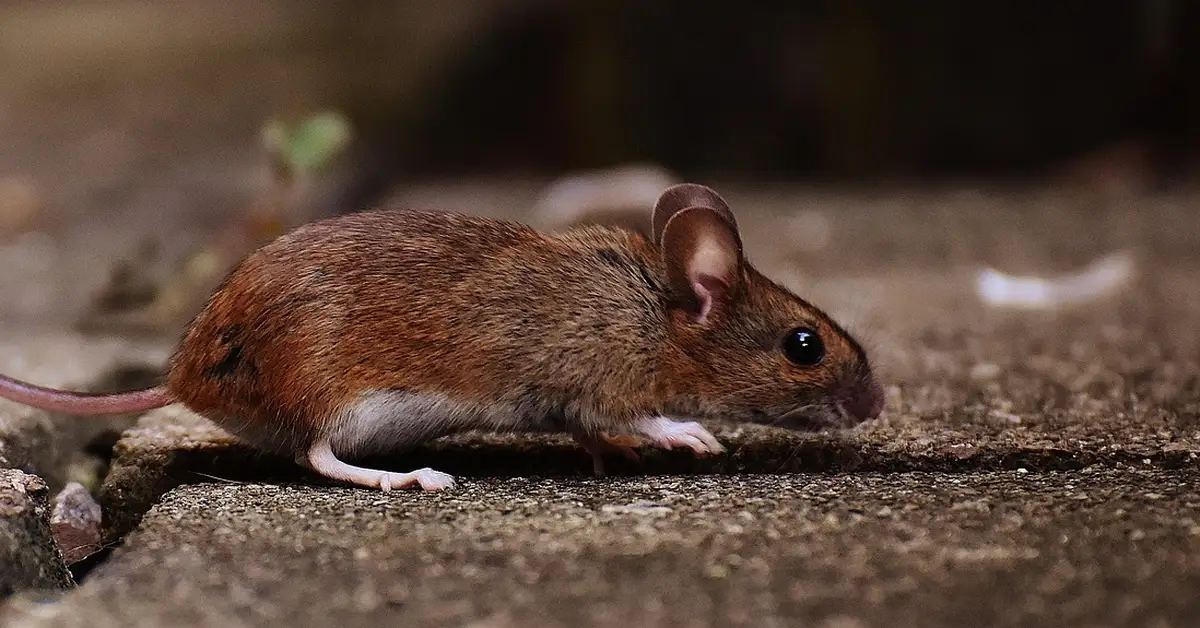
Gathering the right tools before you start is the first step to a successful and stress-free cleaning session. Having everything within arm’s reach prevents you from needing to move and potentially startling your tiny patient.
- Sterile Saline Solution: This is the gold standard. It’s perfectly pH-balanced and gentle on delicate eye tissue.
- Soft, Lint-Free Cloths: I use pieces of clean, white t-shirt fabric or medical-grade gauze pads. Avoid cotton balls, as the loose fibers can stick to the eye.
- A Small Bowl of Warm Water: You’ll use this to dampen your compress cloth.
- High-Value Treats: Something special like a tiny bit of banana or a sunflower seed helps create a positive association.
- A Safe, Flat Surface: A table covered with a small towel provides a non-slip area for you to work.
- A Good Light Source: Being able to see clearly is non-negotiable for such a precise task.
How to Safely Handle and Restrain Young Mice
Young mice are quick, fragile, and can be easily stressed. The goal of restraint is to gently immobilize, not to confine tightly, which can cause panic. I’ve found the most success with the “tent” method. When taming a scared, skittish mouse, gentle restraint like the tent method helps make early handling less frightening and allows you to perform brief checks safely. Use it only briefly and pair it with calm voices and treats so the mouse learns to associate handling with positive experiences.
- Let your mouse walk onto the towel-covered surface voluntarily. Never grab them from their enclosure.
- Using one hand, gently scoop the mouse from underneath and allow it to rest in your palm.
- With your other hand, use your thumb and forefinger to loosely gather the scruff of skin behind its head and neck. Do not lift the mouse by the scruff.
- The mouse is now “tented” in your palm. Its head is gently stabilized, but its body is fully supported. This prevents sudden twisting or jumping.
- Keep the hold secure but light. You should be able to fit a finger between your grip and its neck. If the mouse struggles, pause and try again later.
My little Jeffery, for instance, gets very anxious with any handling. With him, I spend extra time just letting him sniff my hands before I even attempt to pick him up. Patience is the most important tool you have when working with a nervous mouse. Only when he is calm do I gently scoop him up from underneath, supporting his body so he feels secure. This cautious approach helps me safely pick up, hold, and handle my pet mouse without causing undue stress.
Step by Step Guide to Cleaning Sticky Eyes
This process requires a calm demeanor and slow, deliberate movements. Rushing will only make the situation worse for both of you.
The Warm Compress Method
This is your first line of defense and often all that’s needed for mild stickiness. The warmth helps to soften and loosen the crusty discharge that’s sealing the eye shut.
- Dip a corner of your lint-free cloth into the bowl of warm water. Wring it out completely so it’s damp, not dripping.
- While gently restraining your mouse, hold the warm, damp cloth against the closed, sticky eye for 15-30 seconds. You might feel the mouse relax as the warmth soothes the area.
- Do not rub or press hard. The goal is to let the moisture and heat do the work.
- After holding the compress, very gently attempt to wipe from the inner corner of the eye outward. Often, the crust will have softened enough to wipe away easily.
- If the eye doesn’t open after one attempt, you can repeat the compress step once more.
The Gentle Cleaning Technique
If the compress alone isn’t enough, you’ll need to introduce a cleaning solution. This technique is for carefully flushing and wiping away persistent debris without causing irritation.
- Prepare your supplies: have your saline solution and a fresh, dry corner of your cloth ready.
- Restrain your mouse using the tent method, ensuring you have a clear view of the affected eye.
- Gently use your thumb to pull down the lower eyelid slightly. Do not force the eye open if it’s resistant.
- Squeeze a single drop of sterile saline solution into the inner corner of the eye. The liquid will flow across the eye surface, helping to flush out any gunk.
- Use a dry part of your cloth to gently catch the saline and debris as it drains from the outer corner of the eye.
- With a new damp section of cloth, gently wipe from the inner to the outer corner of the eye one final time to clear any remaining residue.
- Immediately reward your mouse with a special treat and return them to their familiar home.
What to Do After Cleaning Your Mouse’s Eye
Once you have gently cleared the sticky residue, your main goal is to support your mouse’s comfort and prevent the issue from recurring. Observing your mouse closely for the next few hours helps you catch any signs of discomfort or reinfection early. Place them back in a clean, familiar part of their habitat where they feel secure, and avoid handling them excessively to reduce stress. At the same time, safely clean and disinfect their cage and all accessories to remove any contaminants and lower the chance of disease transmission. Use pet‑safe cleaners and let everything dry completely before returning your mouse.
Ensure fresh water and their favorite treats are easily accessible to encourage normal behavior. I always offer a small piece of aged cheese to my older mouse Gregory after eye care, as it seems to soothe him and restore his calm demeanor. Keep an eye out for any renewed discharge, swelling, or squinting, which could mean the problem needs more attention.
- Monitor for redness or pus-these can signal infection.
- Limit cage disturbances to let your mouse rest peacefully.
- Check the eye again in 12-24 hours to ensure it remains clear.
If the stickiness returns quickly or your mouse acts lethargic, consult a veterinarian familiar with small pets. Prompt action can prevent minor issues from turning into serious health concerns for your tiny friend. To tell if your mouse is in pain, watch for signs like decreased activity, a hunched posture, poor grooming, changes in eating or breathing, or unusual vocalizations. Recognizing these signs early will help you seek veterinary care promptly.
Preventing Sticky Eye in Your Mouse Colony
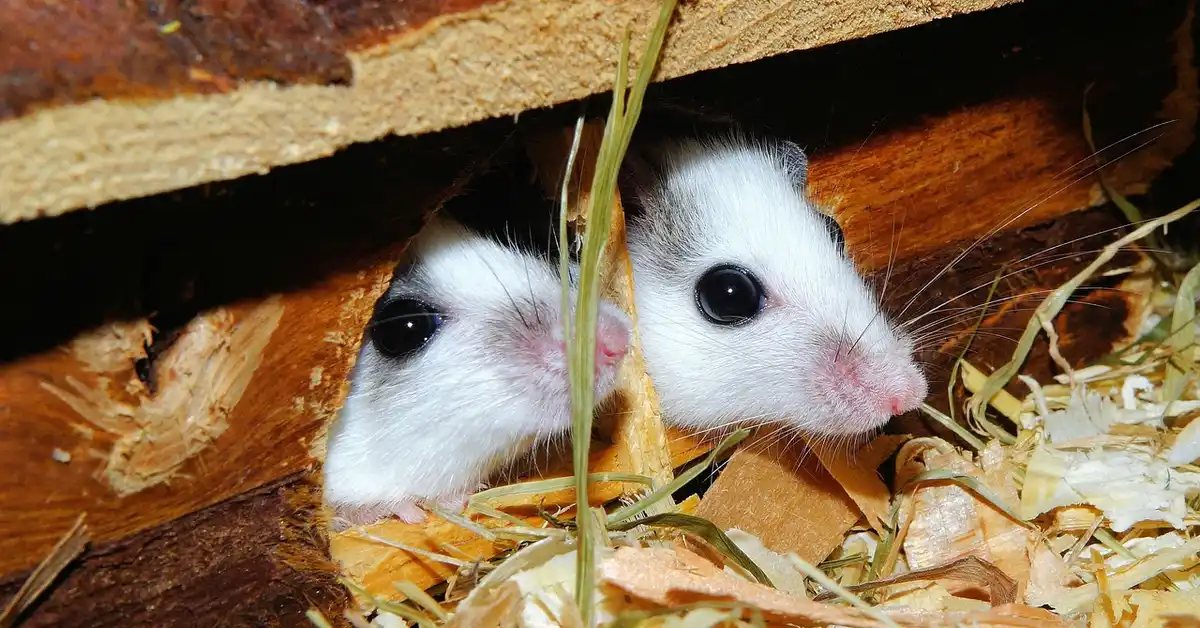
Stopping sticky eye before it starts involves creating a habitat that minimizes irritants and supports overall well-being. A clean, low-dust environment dramatically cuts down on eye irritation in active mice like my curious Kenny. Focus on bedding choices and daily observation to keep your colony healthy and happy.
Choosing Eye-Safe Bedding Materials
Bedding is a huge factor in eye health because dusty or aromatic materials can easily cause irritation. Opt for paper-based or aspen shavings, which are soft and produce minimal dust particles. I avoid cedar and pine shavings entirely, as their natural oils can lead to respiratory and eye issues over time.
- Paper bedding: Highly absorbent and gentle on sensitive eyes.
- Aspen wood: Low dust and safe for mice of all ages.
- Hemp or cellulose options: Good alternatives if allergies are a concern.
Test new bedding in a small area first to see how your mice react. Jeffery, my white mouse, is particularly sensitive, so I always choose bedding that feels soft and smells neutral to me. Replace bedding weekly to maintain freshness and reduce allergen buildup. For the best dust-free beddings for mice, opt for paper-based or kiln-dried aspen products labeled low-dust to help prevent respiratory irritation. Avoid pine or cedar shavings, which can release oils and dust that harm small rodents.
Daily Health Checks for Early Detection
Incorporating a quick health check into your daily routine lets you spot subtle changes before they worsen. Spend a few moments each morning watching your mice during their active periods to note any eye cloudiness or discharge. Look for clear, bright eyes and normal blinking—any deviation could be an early warning. Make these observations part of a short daily mouse care checklist — here are 5 practical tips to help you stay consistent and catch problems early.
- Observe from a distance first to avoid stressing them.
- Gently lift each mouse to check eyes for stickiness or redness.
- Note changes in behavior, like rubbing faces or avoiding light.
Keep a simple log if you have multiple mice to track who might need extra care. Regular checks help you bond with your pets and ensure issues like sticky eye are caught when they are easiest to manage. You can easily check mouse health at home. Look for changes in weight, coat, eyes, nose, breathing, and activity.
Frequently Asked Questions
How do I clean a mouse’s eyelashes?
To clean a mouse’s eyelashes, use a soft, lint-free cloth dampened with warm water or sterile saline solution. Gently wipe from the inner corner of the eye outward to remove any debris or discharge without irritating the delicate skin. Avoid using cotton balls or harsh materials, as loose fibers can stick to the lashes and cause further discomfort.
How do I clean mouse poop?
Regularly spot-clean your mouse’s enclosure by removing droppings with a small scoop or disposable tissue. Focus on high-traffic areas and nesting spots to prevent odor and bacterial buildup, replacing soiled bedding as needed. This daily maintenance helps keep the habitat sanitary and reduces the risk of health issues like sticky eye from environmental irritants.
How do I clean up mouse urine?
Blot fresh urine with paper towels, then wipe the area with a cloth dampened in a pet-safe disinfectant or a vinegar-water solution. Ensure the surface is thoroughly dried to prevent moisture-related problems and ammonia fumes, which can irritate your mouse’s eyes and respiratory system. Consistent cleaning supports a healthy environment and minimizes stressors that could contribute to issues like sticky eye.
Your Path Forward
With a gentle touch and a consistent routine, you can help your young mouse through a sticky eye episode and restore their bright, curious gaze. The most powerful tool you have is your own calm and patient presence, which reassures your tiny friend during the process.
Remember that a quick recovery hinges on gentle cleaning and keen observation of their overall health and behavior. Trust your instincts as their caregiver, and never hesitate to connect with a veterinarian if the situation doesn’t improve or you feel unsure. You are their greatest advocate.
Further Reading & Sources
- Eyes Clean Themselves in Much The Same Way Brains Do, Mouse Study Shows : ScienceAlert
- Visualization of the Retina in Intact Eyes of Mice and Ferrets Using a Tissue Clearing Method – PMC
- How to Clean a Laser Mouse
Isabella is a passionate small pet enthusiast with over 8 years of experience in caring for mice. She loves sharing practical tips and heartfelt stories to help fellow mouse owners provide the best care for their tiny companions.
Mice Grooming