
How to Ethically Rehome Mouse Pups: A Complete Guide
Have you found yourself with an unexpected litter of mouse pups and feel unsure about the next right step? It’s a situation that can bring a mix of joy and worry, and I’m here to help you navigate it with confidence and care.
This guide provides a clear, step-by-step process to ensure the well-being of both the pups and their mother. We will cover everything from preparing for the separation and finding a responsible new home to ensuring a smooth and gentle transition for the young mice.
When Should You Rehome Mouse Pups?
Why Timing Matters for Mouse Pup Development
Rehoming mouse pups at the right stage ensures they grow into healthy, well-adjusted adults. Moving them too early can disrupt vital bonding and learning from their mother, while delaying it might lead to overcrowding or stress in the colony. I’ve noticed that pups separated prematurely often struggle with eating solid foods and social cues, making their transition to new homes much harder.
Mouse development follows a rapid timeline, and hitting key milestones is essential for their future well-being. Proper timing supports their immune system development and reduces the risk of behavioral issues like excessive shyness or aggression. Think of it like teaching a child to walk-rushing or delaying the process can have lasting effects on their confidence and health.
Signs Your Pups Are Ready for New Homes
Watch for these clear indicators that your mouse pups are prepared to move to their new families. Pups typically show readiness around 4-5 weeks old, when they are fully weaned and no longer dependent on their mother for nutrition. This age aligns with their natural curiosity and ability to explore independently. You can therefore expect them to start leaving the nest and venturing out at about 4–5 weeks old. For pet or captive mice, handlers typically separate or rehome pups around this time to prevent overcrowding and early breeding.
- They eat solid food consistently and drink water on their own.
- Their eyes are open, and they move around the enclosure with confidence.
- They interact playfully with siblings without constant maternal guidance.
- Fur is fully grown and clean, indicating good health and grooming habits.
- They respond calmly to gentle handling, showing minimal stress or fear.
Observing these behaviors helps you avoid guesswork and ensures a smoother rehoming process. I always check that pups are active and curious, like my mouse Jeffery, who started venturing out on his own once he hit this stage.
Preparing Mouse Pups for Rehoming
Health Checks and Veterinary Documentation
Conducting thorough health assessments before rehoming gives new owners peace of mind and protects the pups’ welfare. A basic health check includes examining their weight, coat condition, eyes, and breathing to catch any issues early. I recommend using a small scale to track growth, as sudden weight loss can signal underlying problems.
- Look for clear, bright eyes without discharge or cloudiness.
- Check that the fur is smooth and free of bald patches or parasites.
- Observe their breathing-it should be quiet and regular, not labored.
- Ensure they are active and responsive, not lethargic or hiding excessively.
Providing veterinary documentation, like a health certificate or vaccination records, builds trust with adopters. Keep a simple log of vet visits and any treatments, as this transparency shows you prioritize the pups’ long-term health.
Socializing Pups Before Transfer
Socialization helps mouse pups adapt to human interaction and reduces anxiety in new environments. Start by handling them gently for short periods each day, gradually increasing time as they become more comfortable. I’ve found that pups exposed to varied sounds and smells, like quiet household noises, tend to settle in faster with their new families. If a pup shows fear or anxiety, approach slowly and speak softly to help calm them. Offering hiding places and small treats encourages a scared pet to explore at its own pace.
Use positive reinforcement, such as offering tiny treats during handling sessions. This approach encourages trust and makes the pups associate people with positive experiences, much like how Gregory responds well to calm, steady interactions. Avoid overwhelming them with too much stimuli at once—slow and steady wins the race. Regular, gentle exposure to different people and environments helps pups become confident and friendly. These calm, positive interactions build the foundation for a well-socialized, friendly temperament.
- Introduce them to different safe textures, like soft cloths or paper bedding.
- Allow supervised exploration in a secure, enclosed area outside their cage.
- Encourage gentle play with toys to build confidence and coordination.
Preventing Future Breeding
Taking steps to avoid unintended breeding supports responsible pet ownership and prevents overpopulation. Discuss spaying or neutering options with a veterinarian, as this is the most effective long-term solution for controlling reproduction. While not always feasible for very young pups, planning ahead ensures new owners are informed.
Educate adopters on proper housing to prevent accidental mating. I always emphasize separating pups by sex before rehoming and providing clear instructions on same-sex groupings to avoid surprises. Sharing resources on mouse care, like diet and environment tips, helps adopters maintain a stable, breeding-free home.
- Verify the sex of each pup accurately before placement.
- Include written guidelines for new owners on maintaining single-sex enclosures.
- Recommend consulting a vet for spay/neuter advice as the pups mature.
How to Find Responsible Adopters for Your Mouse Pups
Where to List Mouse Pups for Adoption
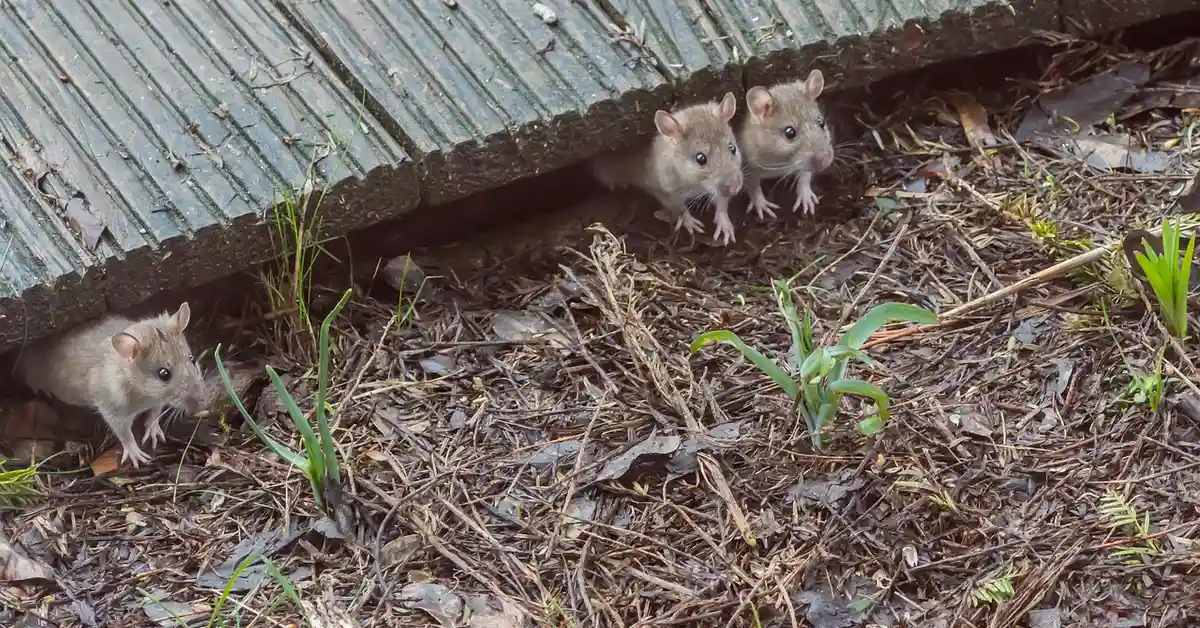
Finding the right platform is your first step toward connecting with a caring individual. I always begin with small pet-specific rescue networks and enthusiast forums, as these communities already understand rodent care requirements. Local Facebook groups dedicated to small animal rehoming often have moderators who enforce ethical standards. Petfinder is another excellent resource for listing animals, even for private owners. My personal rule is to avoid general classified sites, as they tend to attract impulse buyers rather than committed caregivers.
- Small Pet Rescue Organization Partner Sites
- Dedicated Rodent Enthusiast Forums and Groups
- Local Veterinary Office Bulletin Boards
- Specialized Rehoming Platforms like Petfinder
- Community Centers with Pet Sections
Questions to Screen Potential Adopters
A thoughtful conversation reveals more than any application form. Your goal is to assess their practical knowledge and long-term commitment, not just their initial enthusiasm. I ask open-ended questions that encourage people to describe their plans rather than just answer ‘yes’ or ‘no’. Listen carefully to how they talk about animal care – their language often reveals their true level of engagement and understanding.
- What type of enclosure are you planning to use, and what are its dimensions?
- Can you describe what a balanced daily diet for a mouse looks like?
- What is your plan for veterinary care if the mouse becomes ill?
- How will you introduce new mice to any existing pets in your home?
- What does your daily interaction and enrichment routine look like?
Red Flags When Screening Adopters
Recognizing warning signs protects your pups from unsuitable situations. An unwillingness to discuss basic care requirements often indicates someone who hasn’t done their research. I pay close attention to people who focus only on the mouse’s appearance or seem impatient with the screening process. Someone who views mice as disposable or temporary pets will likely not provide the stable home these complex creatures deserve.
- Vague or inconsistent answers about housing and care plans
- Focuses primarily on the mouse’s color or appearance
- Resistance to a home check or providing references
- Plans to house mice inappropriately (with other species, in tiny cages)
- History of frequently rehoming previous pets
Step-by-Step Rehoming Protocol
Step 1: Prepare Documentation and Records
Organization demonstrates your commitment to the pups’ lifelong welfare. Compile a folder with their birth date, known genetic background, and any observed health history. I include notes about each pup’s personality traits – which ones are bold like my Kenny, or more cautious like Gregory. Photocopies of any veterinary visits and a feeding schedule provide crucial context for the new owner.
Step 2: Educate the New Owner
Knowledge transfer ensures continuity of care between homes. Schedule a pre-adoption meeting where you demonstrate proper handling techniques and discuss common behavioral cues. I show people how to recognize signs of stress versus curiosity, and explain the importance of a gradual introduction to their new environment. This hands-on education builds confidence for both the owner and the mouse.
Step 3: Arrange Safe Transport
The journey to a new home should be as stress-free as possible. Provide a small, secure carrier with familiar bedding and a piece of their favorite food for the trip. I always recommend travel during mild weather conditions and suggest keeping the car quiet and calm. For longer journeys, include a slice of cucumber for hydration rather than a water bottle that might leak.
Step 4: Complete the Transfer
This final handoff requires attention to both practical and emotional details. Choose a neutral, quiet location where you can transport the mouse directly into its prepared new habitat. I always include a small bag of the food they’re accustomed to, enough for a gradual transition to any new diet. Take a moment to ensure the new owner feels comfortable with the process before departing.
Step 5: Provide Follow-Up Support
Your relationship with the adopter shouldn’t end at the transfer. Offer to be available for questions during the first critical weeks as everyone adjusts. I check in after 48 hours, then again after two weeks, to see how the integration is progressing. This continued support network often makes the difference between a successful placement and a stressful transition.
Creating a Rehoming Information Packet
Essential Care Instructions to Include
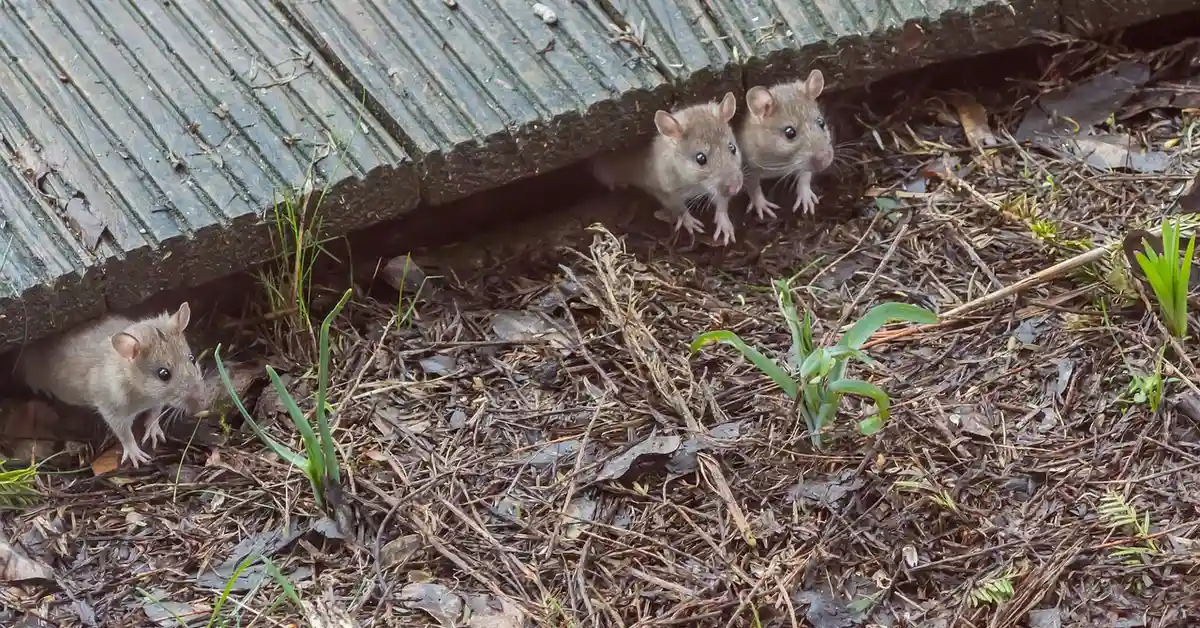
This document becomes the new owner’s primary reference guide. Structure your packet with clear headings and bullet points for quick reference during those first uncertain days. I organize mine by category – housing, diet, handling, and enrichment – with specific product recommendations and DIY alternatives. Include your personal observations about what toys and treats each individual mouse particularly enjoys.
- Detailed housing requirements including minimum space specifications
- Complete dietary guide with portion sizes and treat frequency
- Step-by-step habitat cleaning schedule and method
- Social needs and proper introduction techniques
- Enrichment ideas and toy rotation schedule
Health and Emergency Information
Preparedness can significantly impact outcomes during medical situations. List both normal vital signs and clear warning signals that warrant immediate veterinary attention. I include a section on common health issues with photos of healthy versus concerning physical signs. Provide contact information for exotic veterinarians in their area, and note any peculiarities you’ve observed in the pup’s health history.
- Normal temperature, breathing rate, and behavior baselines
- Common illness symptoms with specific action steps
- Recommended exotic veterinarian contacts
- First aid supplies checklist
- Emergency transportation instructions
What to Do If You Cannot Find Adopters
Finding Local Mouse Rescues and Shelters
When personal networks and online listings don’t yield results, turning to established organizations becomes your next best step. Specialized small animal or exotic pet rescues are often better equipped than general shelters to handle mouse pups, as they understand their unique needs. A simple online search for “small animal rescue near me” or “rodent rescue [your state]” can reveal dedicated groups. If you’re deciding where to get a pet mouse—breeder, rescue, or pet store—consider factors like health history, socialization, and aftercare support. Rescues often provide medical screening and behavioral info, while breeders and pet stores can vary in transparency and quality.
Be prepared to contact multiple places, as space is often limited. I’ve found that being honest and transparent about the situation helps; explain the litter’s age, health status, and how many pups need placement. Some rescues operate through foster networks, which can be a wonderful solution. If a shelter is your only option, call ahead to confirm they accept mice, as policies vary widely. If you come across a litter unexpectedly, know how to handle it before reaching out for help.
Temporary Care Solutions
While searching for a permanent solution, providing excellent interim care is vital for the pups’ development. Creating a separate, safe nursery enclosure prevents overcrowding and allows you to monitor the babies’ growth and health closely. A simple temporary bin cage works perfectly for this purpose.
Focus on these key areas for temporary care:
- Nutrition: Continue providing the mother’s high-quality lab block, but also introduce small amounts of softened foods like cooked oatmeal or moistened rodent kibble for weaning pups.
- Housing: Ensure the temporary space has low platforms, plenty of shredded paper bedding for burrowing, and a shallow water dish instead of a bottle for easier access.
- Socialization: Handle the pups gently for short periods daily to help them become comfortable with humans, making them more adoptable.
- Health Monitoring: Watch for any signs of illness like lethargy or poor appetite, and be ready to separate any pup that seems unwell.
From my experience with my trio, even a few weeks of thoughtful temporary care can make a significant difference in a mouse pup’s transition to their forever home. Plan to book a first vet visit within the first week. The vet will perform a basic health exam—weighing the pups, checking for parasites, and offering guidance on diet and general care.
Ethical Considerations Throughout Rehoming
Should You Charge a Rehoming Fee?
This question often divides the pet community, but I believe a modest fee serves several ethical purposes. A small rehoming fee acts as a filter, helping ensure the adopter is financially prepared for the ongoing costs of pet ownership. It discourages those seeking free animals for questionable purposes, such as reptile food or impulsive gifts.
Consider what the fee represents:
- Symbolic Value: Even $5-$10 demonstrates the mouse has value beyond being “free.”
- Cost Recovery: It can partially offset expenses you’ve incurred for food, bedding, or initial vet care.
- Commitment Test: The simple act of paying something often signals genuine interest.
That said, I never let a fee prevent a truly perfect home from taking a mouse. Use your judgment-if an experienced owner with excellent references cannot afford the fee, consider waiving it rather than losing an ideal placement. The ultimate goal is the pup’s welfare, not profit. Keep in mind the true cost of owning a pet mouse: initial setup and ongoing expenses like food, bedding replacements, and occasional vet care. Factor those costs into your decision about whether to waive a fee so the adopter is set up for long-term success.
Ensuring Long-Term Welfare After Placement
The ethical responsibility doesn’t end when the mouse leaves your care. Establishing an open line of communication with the new owner provides a safety net for the mouse and peace of mind for you. I always offer to be a resource for questions about diet, behavior, or health concerns. As an ethical breeder of pet mice, I also screen potential owners and follow up to ensure each mouse goes to a suitable home. I provide guidance on proper care and responsible breeding to protect the animals’ long-term welfare.
My post-placement protocol includes:
- Providing a care package with a few days’ worth of their current food and some familiar bedding to ease the transition.
- Sharing a simple care sheet covering basic needs, emergency signs, and my contact information.
- Following up with a brief, non-intrusive message after one week to check how the adjustment is progressing.
- Making it clear I would welcome the mouse back if circumstances change, creating a true “no questions asked” safety net.
This approach has helped me maintain positive relationships with adopters and ensured that mice like my curious Kenny found homes where they continue to thrive. The most ethical rehoming creates a circle of care that extends far beyond the initial handoff.
Frequently Asked Questions
How can I rehome mouse pups in Evanston Wyoming?
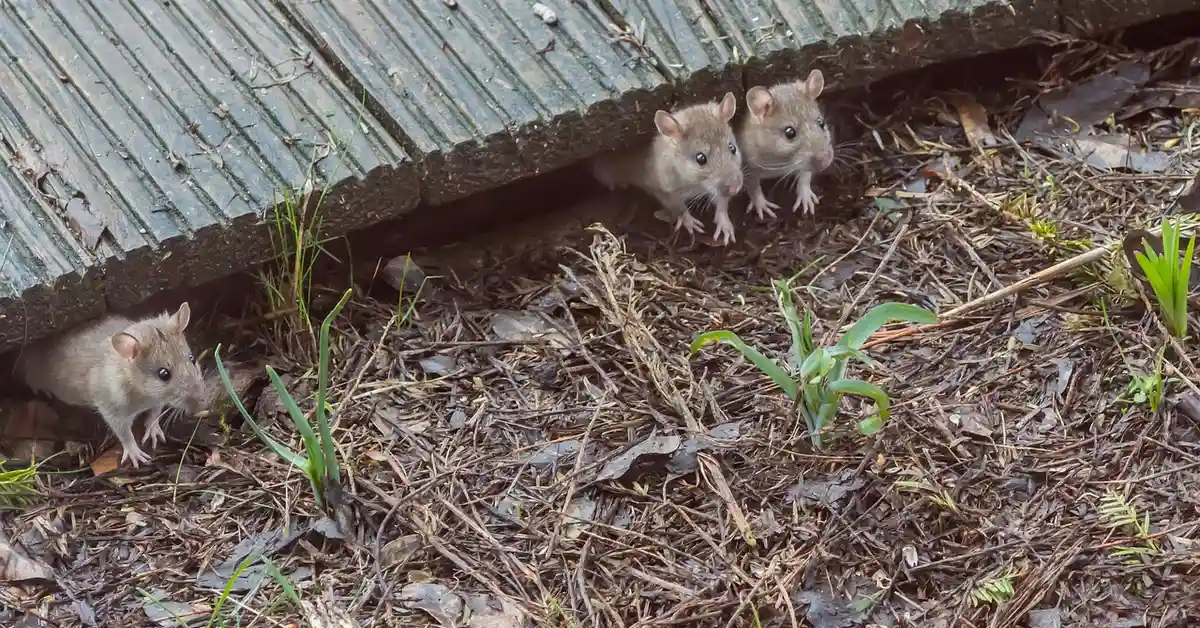
Start by checking local resources like Evanston’s community bulletin boards, veterinary offices, and small animal rescue groups in the area. You can also use online platforms such as Petfinder or Facebook groups specific to Wyoming pet rehoming, setting your location to Evanston to connect with nearby adopters who understand regional care needs.
Ensure you screen potential adopters thoroughly by asking about their experience with mice and housing plans. Offering to meet in a public, safe location in Evanston for the transfer can help facilitate a smooth and ethical rehoming process.
How can I rehome mouse pups in Utah?
Focus on Utah-specific networks, such as small pet rescues, rodent enthusiast clubs, and local veterinary clinics that may have adoption boards or referrals. Online tools like Petfinder or Utah-based Facebook groups for pet rehoming can help you reach responsible adopters in cities like Salt Lake City or Provo.
Always verify that adopters are prepared for long-term care by discussing their setup and commitment. Providing a rehoming packet with care instructions tailored to Utah’s climate and resources can support a successful transition for the pups.
How can I rehome mouse pups near me?
Use location-based searches on websites like Petfinder or adopt-a-pet sections of local shelter sites, and join community social media groups focused on small animal care in your area. This helps you find adopters within a reasonable distance, reducing travel stress for the pups.
Screen applicants by asking about their local veterinary options and housing conditions to ensure a good fit. Offering follow-up support after adoption can help maintain the pups’ welfare and build trust with their new families.
Your Compassionate Next Steps
Rehoming mouse pups with care means prioritizing their health, socialization, and matching them with prepared, loving homes. Your thoughtful approach ensures each little one transitions smoothly into a safe environment where they can thrive. These principles are especially important when raising orphaned mouse pups, who require extra warmth, regular feeding, and gentle handling. If you’re taking on orphaned pups, consult care guides or a veterinarian to support their best chance of survival.
Remember, your commitment to this process reflects a deep respect for these small lives. Every step you take toward ethical rehoming helps build a happier, healthier future for the pups and brings peace to your own heart as a responsible caretaker.
Further Reading & Sources
- Why All Healthy Laboratory Animals Should Be Rehomed, No Matter How Small – PMC
- AFRMA – Rodent Rescue
- Why All Healthy Laboratory Animals Should Be Rehomed, No Matter How Small
Isabella is a passionate small pet enthusiast with over 8 years of experience in caring for mice. She loves sharing practical tips and heartfelt stories to help fellow mouse owners provide the best care for their tiny companions.
Humane Removal & Trapping