
How to Find a Rodent Club or Mouse Show Near You
Have you ever felt that spark of excitement about your mice, only to realize you don’t know where to share it with like-minded people? I remember feeling that way before finding my own rodent community, and this guide is designed to turn your search into a straightforward, rewarding journey. You’ll learn proven methods to locate clubs and events that welcome mouse enthusiasts just like you.
We will walk through utilizing online platforms and specialized forums to pinpoint local gatherings, evaluating clubs to ensure they match your interests and your pets’ needs, and preparing for a mouse show so you and your furry friends feel confident and comfortable.
Why Join a Mouse Club or Attend a Rodent Show?
Stepping into a room filled with fellow mouse enthusiasts is a special kind of magic. You instantly find your people, a community that understands why you spend hours designing the perfect enclosure or get excited about a new type of foraging toy. The shared passion is palpable and incredibly validating.
Beyond the wonderful social connection, these gatherings are treasure troves of practical knowledge. You can learn directly from experienced owners who have solved the very problems you might be facing, from dietary issues to taming a skittish mouse. I’ve picked up countless tiny tips that have made a huge difference in my own mice’s quality of life. Owners often share whether mice interact with humans and how to tell if they recognize their owners. Hearing those experiences helps you understand bonding cues and how to encourage recognition.
Finding high-quality supplies can be a challenge for mouse owners. Shows often feature vendors selling unique items you simply cannot find in a standard pet store, from specialized wheels to safe, natural wood habitats. It’s the best place to upgrade your mouse’s home with enrichment they will truly love. When putting together a new mouse buying checklist, note any specialty items and vendors you discover. Including these finds will help you prioritize essentials and extras for a happier, healthier pet.
If you’re proud of your well-cared-for companions, showing them can be a rewarding experience. It’s not about intense competition, but rather a celebration of health, temperament, and proper care-a chance for your hard work to be recognized. Seeing my curious Kenny confidently explore the judging table was a moment of pure pride.
Where to Find Local Rodent Clubs and Mouse Shows
Search Rodent Association Websites for Show Schedules
Your first and most reliable stop should be the official websites of national and regional rodent fancy associations. These organizations are the backbone of the hobby and maintain detailed, up-to-date calendars of sanctioned events. They are your direct line to the most established and well-organized shows.
- National Fancy Mouse Association (NFMA) websites often have a “Events” or “Show Dates” section.
- Search for regional chapters of larger associations, as they host more local, accessible events.
- Look for downloadable show flyers or PDFs with specific dates, locations, and entry requirements.
- Bookmark these pages and check back periodically, as new shows are added throughout the year.
Check Local Pet Stores and Veterinary Offices
Never underestimate the power of your local pet care network. Independent pet stores that specialize in small animals or exotics are often hubs of information for niche hobbies like ours. The staff usually know their customer base well and may have flyers or know of nearby clubs.
- Ask at the store’s checkout counter or customer service desk.
- Look for community bulletin boards-this is a classic spot for club announcements.
- Veterinarians who treat “pocket pets” might have clients who are club members and leave information.
- Be specific in your ask: “I’m looking for a local mouse or rodent fancy club. Have you heard of any?”
Join Online Groups for Mouse Hobbyists
The digital world is where many mouse communities thrive daily. Facebook groups, dedicated online forums, and even subreddits are bustling with owners who share local event information the moment they hear about it. This is often how you find out about smaller, more informal meet-ups. Because mice are social animals, owners often use those meet-ups to let their pets interact and observe natural behaviors. These gatherings also give owners a chance to swap care tips and socialize with fellow enthusiasts.
- Search for terms like “Fancy Mouse Enthusiasts,” “[Your State] Rodent Fancy,” or “Mouse Pet Owners.”
- Once you join, use the search function within the group to look for “club” or “show.”
- Don’t be shy about posting a question asking if anyone knows of clubs in your city or state.
- These groups are also perfect for getting a feel for a club’s culture before you attend an event.
Look for Multi-Rodent Clubs in Your Area
While a dedicated “Mouse Club” is ideal, they can be rare depending on your location. Broadening your search to include general rodent or small mammal clubs dramatically increases your chances of finding a community. These groups warmly welcome mouse owners alongside rat, hamster, and gerbil enthusiasts. Many clubs have rich histories, some dating back to early 20th-century hobbyist movements. Learning a club’s history can reveal traditions, shows, and breeding practices that help explain how the community developed.
- Search for “Rodent Fanciers Club of [Your City/Region]”.
- Look for clubs associated with “Small Animal” or “Pocket Pet” shows.
- Attend a meeting as a guest-you’ll often find that mouse owners form a strong subgroup within the larger club.
- The knowledge exchange is fantastic, as care principles for different rodents often overlap in surprising ways.
What Actually Happens at Mouse Shows and Rodent Exhibitions
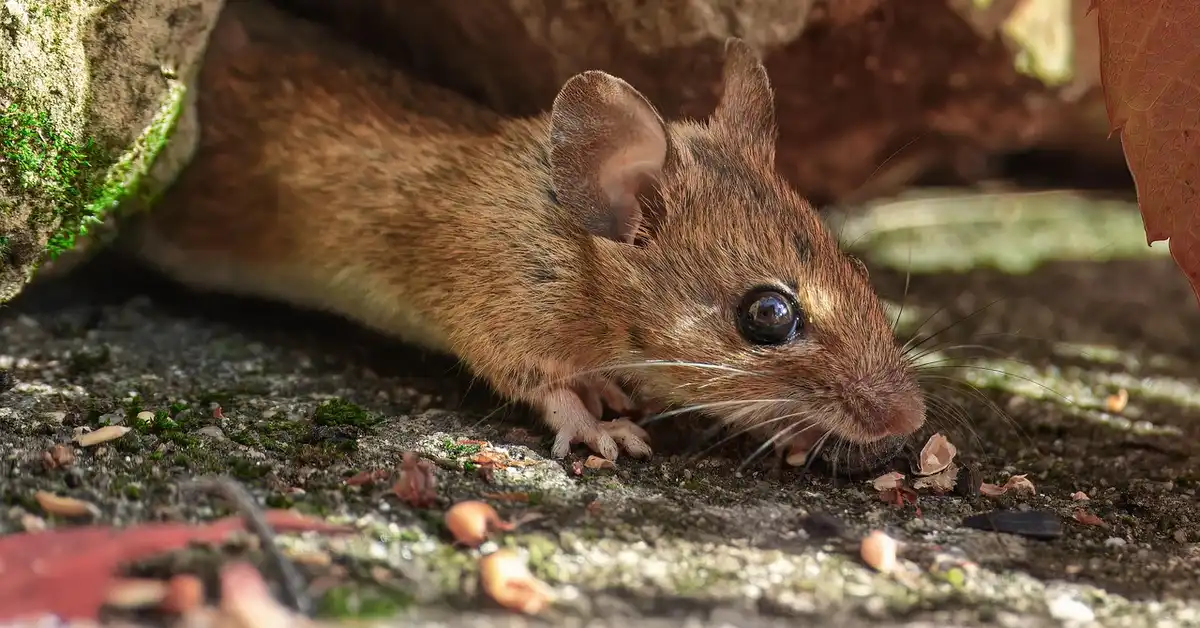
Walking into a rodent exhibition is a sensory delight for any mouse lover. The air hums with soft chitters and the gentle rustle of bedding, and you’re immediately surrounded by fellow enthusiasts. These events are vibrant community hubs where you can see hundreds of mice, from sleek satins to fluffy rexes, all in one place. It’s a fantastic opportunity to learn and connect. For beginners, it’s a friendly introduction to the world of mouse fancy and exhibiting. You can watch shows, study breed standards, and pick up practical tips on handling and show preparation.
How Judges Evaluate Show Mice
Judging is a meticulous process focused on the ideal standard for each variety. It’s not about finding the “cutest” mouse, but the one that most perfectly represents its breed and color according to show standards.
- Condition and Health: The judge will check for clear, bright eyes, a clean, full coat, and overall vitality. A healthy, well-cared-for mouse is the baseline.
- Conformation: This refers to the mouse’s body structure. Judges look for a well-proportioned body, a gracefully arched back, and a head that tapers nicely to the nose.
- Color and Markings: The coat color must be rich and even, matching the variety’s standard. For patterned mice, the symmetry and sharpness of the markings are critically assessed.
- Coat Type and Texture: Whether the mouse is a standard smooth coat, a rex with its wavy fur, or a satin with a high-gloss sheen, the texture must be correct and flawless.
- Temperament: While being handled, a show mouse should be calm and manageable. A judge appreciates a mouse that is confident and steady in their hands, as it demonstrates good socialization.
Mouse Show Registration and Entry Process
Getting your mouse entered is straightforward if you plan ahead. Most clubs use online pre-registration systems to keep event day running smoothly.
- Find the show’s official rules and entry form on the hosting club’s website.
- Fill out the form completely, listing your mouse’s variety, color, sex, and date of birth.
- Pay the small entry fee, which is usually just a few dollars per mouse.
- Print your confirmation and bring it with you on show day.
- Upon arrival, you’ll check in and receive a numbered benching card for each of your entries. Arriving early gives you and your mice time to settle in before the judging begins.
What You’ll See Beyond the Competitions
The main show ring is just one part of the experience. The rest of the hall is often buzzing with other activities.
- Vendor Tables: You’ll find specialized supplies you can’t get anywhere else, from unique wooden toys to high-protein food mixes.
- Breeder Displays: Many established breeders set up gorgeous displays of their mice, not for competition, but for exhibition. It’s a great way to see rare colors and varieties.
- Educational Seminars: Topics can range from advanced genetics to first-aid care, often led by experienced breeders and veterinarians.
- Meet-and-Greet: This is the heart of it. I’ve learned more from casual conversations with other owners than from any book, picking up little tips about diet or enrichment.
Preparing Your Mouse for a Show (If You Want to Enter)
Entering a show is a fun goal that can deepen your bond with your pet. The preparation is all about showcasing their natural health and beauty.
Understanding Basic Mouse Show Rules
Every show has a rulebook, but some principles are universal. Knowing them beforehand will make you a confident participant.
- Health is Paramount: Any sign of illness, like sneezing, watery eyes, or mites, will lead to immediate disqualification. This protects every mouse at the event.
- Age Requirements: Mice must typically be at least 8-10 weeks old to be shown and are often retired from competition after 12-14 months.
- Accepted Varieties: Only recognized varieties and colors can be entered in standard classes. Pet mice that are mixes or “fancies” are wonderful, but they don’t fit the breed standard.
- Proper Handling: You, or the steward handling your mouse for the judge, must be gentle and confident. A calm handler helps present a calm mouse, which is always viewed favorably.
Safe Transport to Rodent Events
How you get your mouse to the show is the first step in ensuring they have a positive experience. Stress from travel can affect their appearance and temperament.
- Use a Secure, Small Carrier: A well-ventilated, hard-sided small animal carrier is best. Line it with a familiar, paper-based bedding and a handful of their usual food.
- Maintain a Comfortable Temperature: Never leave the carrier in a hot car. I always keep the carrier on the seat next to me with the car’s climate control on.
- Minimize Pre-Show Stress: For a few days before the event, avoid making any changes to their cage or diet. Keep their routine as normal as possible.
- Bring a Show Kit: Pack a small bag with a water bottle, extra food, and a soft toothbrush for a last-minute gentle coat fluffing. My mouse Jeffery appreciates a small, familiar hide in his carrier to retreat to if the noise becomes too much.
Connecting with Mouse Breeders and Fellow Mouse Fanciers
Sometimes the most valuable connections happen outside the show ring. Building relationships with experienced breeders and long-time mouse owners provides a wellspring of knowledge you simply can’t get from a book. I’ve found that the community is incredibly generous with their time and advice, especially when they see genuine enthusiasm. Those conversations are invaluable for understanding fancy mouse breeds—their genetics, temperaments, and specific care needs. Experienced breeders can point out subtle variety differences and recommend strains that match your goals.
Where to Find Mouse Breeders
- Through Local and National Rodent Clubs: Breeders often hold membership in these organizations. Club directories or member lists are a fantastic, vetted starting point.
- On Dedicated Online Forums: Websites like The Fun Mouse or Pet Mouse Fanciers have active “Breeder Directories” and “Introductions” sections where reputable breeders connect.
- At Rodent-Specific Expos: Even if it’s not a formal “mouse show,” a general small animal expo will attract breeders who set up vendor tables.
When you do connect with a breeder, come prepared with thoughtful questions. Ask about their breeding philosophy, the typical temperament of their lines, and their specific care practices. This shows you’re serious and helps you find a breeder whose approach aligns with your own.
Building Relationships with Other Enthusiasts
- Join online groups and participate in discussions. Don’t just ask questions; share your own experiences and photos of your mice.
- Offer to help with local club events. Volunteering is a powerful way to meet people and learn the ropes.
- Be a respectful listener. The most seasoned fanciers have stories and insights that are pure gold for a newer owner.
Can’t Find a Show? Other Ways to Connect with the Mouse Community
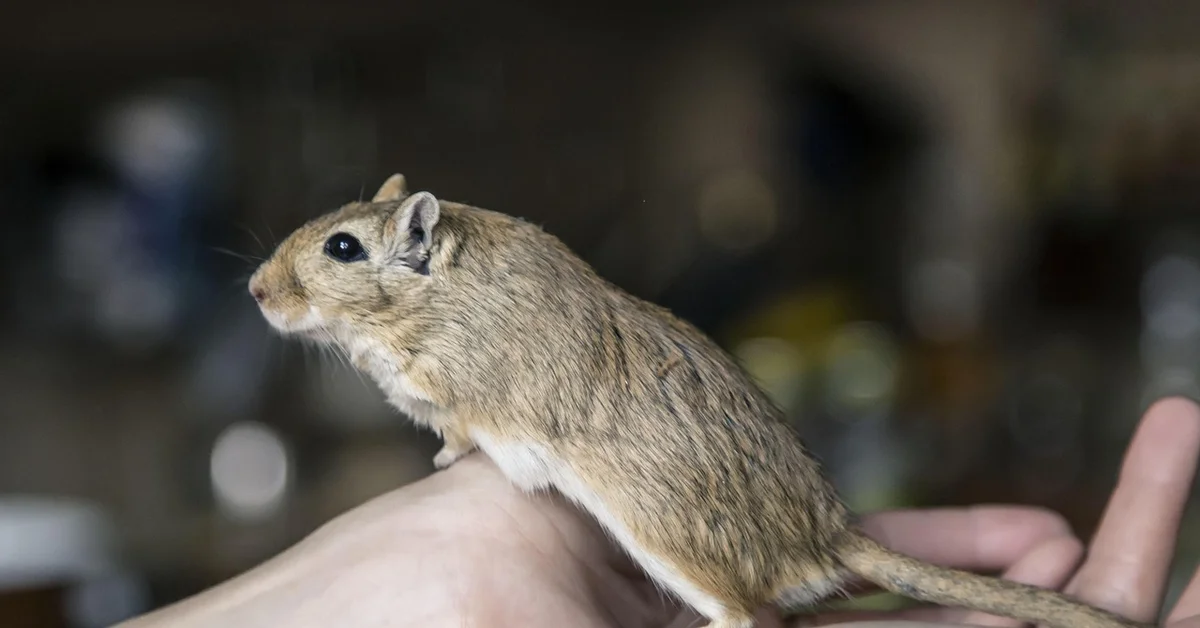
Don’t be discouraged if a formal mouse show isn’t happening nearby this season. The modern mouse community is vibrant and accessible through many digital and local channels. My own understanding of mouse behavior was transformed by a casual online conversation about different squeak patterns. It turned out those squeaks carry meaning—ranging from alarm and distress to curiosity or contentment. Learning to recognize these sounds deepened my appreciation and ability to respond appropriately.
Online Communities and Social Media
- Facebook Groups: Search for terms like “Fancy Mouse Lovers” or “Pet Mouse Care.” These groups are incredibly active, with daily posts ranging from health concerns to cage setup photos.
- Reddit Forums: Subreddits like r/PetMice offer a massive, global community where you can get quick advice and feedback.
- Dedicated Forums: These older-style message boards often contain deep archives of information on genetics, aging, and complex health issues.
Local Pet Clubs and Small Animal Groups
- Check with independent pet stores. They often host “Small Pet Meetups” or know of local clubs.
- Look for general “Rodent” or “Small Animal” clubs at local community centers or through platforms like Meetup.com.
- Connect with rat or hamster owners. While care differs, the communities often overlap, and they can be a great source of local information.
Starting your own local meetup can feel daunting, but even a small gathering at a pet-friendly café can spark wonderful friendships. I’ve met some of my closest mouse-owning friends simply by posting in a local group and seeing who was interested.
Common Questions About Finding Mouse Shows
What if I live in a rural area with no clubs nearby?
Your best bet is to focus on the robust online communities. Many people in these groups live in similar situations and can offer creative solutions for sourcing supplies and finding virtual camaraderie.
Are mouse shows only for people who want to breed or show their mice? Absolutely not. Many attendees are simply pet owners who want to learn more, see beautiful mice, and meet people who share their passion. It’s a fantastic family-friendly outing. Shows are a great place to hear the pros and cons of keeping mice as pets. You can get honest advice about their sociable nature and low upkeep, as well as challenges like short lifespans and specific housing needs.
How often do these events typically occur?
Larger national shows might happen once or twice a year. Local club meetings or smaller “fun shows” can be more frequent, sometimes quarterly or even monthly depending on the group’s activity level.
Frequently Asked Questions
Are there mouse shows near me?
To discover mouse shows in your area, start by checking the event calendars on national and regional rodent association websites, as they list sanctioned gatherings. You can also join online mouse hobbyist groups or forums, where members often share updates on local and upcoming events, making it easier to find one close to you.
Where is the nearest mouse shop?
The nearest shop specializing in mouse supplies can often be found by searching online for “small animal pet stores” or “rodent supply shops” in your location. Additionally, asking for recommendations in local rodent clubs or online communities can lead you to trusted vendors who offer high-quality products for mouse care.
How can I make a mouse show up in Minecraft?
In Minecraft, mice are not part of the vanilla game, but you can add them through mods like “Mo’ Creatures” or use custom resource packs. If you have the appropriate mod installed, you can typically spawn a mouse using commands like `/summon` followed by the entity ID specific to that mod.
Your Mouse Community Awaits
Finding a local rodent club or attending a mouse show transforms pet ownership from a solitary hobby into a shared passion. You gain access to a wealth of collective wisdom, from health tips to habitat hacks, and the pure joy of being around people who understand your fascination. Clubs often share guides on mouse social behavior, helping you learn whether a mouse is best kept solitary or with companions. That advice also covers safe introductions and group management.
Take that first step to connect; a quick online search is all it takes to find your tribe. The friendships you build and the knowledge you gain will enrich your life and bring new levels of happiness to your tiny companions.
Further Reading & Sources
- American Fancy Rat & Mouse Association
- American Fancy Rat and Mouse Association – Wikipedia
- Rat & Mouse Club of America
Isabella is a passionate small pet enthusiast with over 8 years of experience in caring for mice. She loves sharing practical tips and heartfelt stories to help fellow mouse owners provide the best care for their tiny companions.
Mice in Culture & Media