
How to Keep Your Mouse Entertained: More Than Just a Wheel
Have you ever watched your mouse and wondered if their life is truly as vibrant and stimulating as it could be? I’ve been there, watching my own mice, and realized that a wheel alone isn’t enough for their clever, curious minds. This guide will show you how to transform their habitat into a dynamic world of discovery, ensuring they live a life full of engaging activities.
We will explore a variety of enrichment strategies that cater to your mouse’s natural instincts. You will learn about creating complex habitats, providing safe foraging opportunities, and introducing novel toys that encourage exploration and play. We’ll also cover how to recognize the positive signs that your efforts are truly enriching your pet’s daily life.
Why Your Mouse Needs More Than Just a Wheel
While an exercise wheel is a fantastic piece of equipment, it primarily addresses one need: physical exertion. Your mouse is a complex little creature with a brain that craves challenges, exploration, and problem-solving just as much as its body needs to run. Relying solely on a wheel is like giving a person a treadmill but no books, puzzles, or friends to talk to.
In the wild, a mouse’s life is a constant scavenger hunt. Their days are filled with foraging for food, navigating intricate burrows, and avoiding predators. Captive enrichment aims to replicate these natural, stimulating behaviors to prevent the lethargy and stress that comes from a monotonous life. My mouse Kenny, for instance, will run on his wheel for a bit, but his true joy comes from dismantling a puzzle to find a hidden sunflower seed.
Mental exercise is just as tiring as physical exercise for a small animal. A bored mouse can develop repetitive, stereotypic behaviors like barbering (over-grooming themselves or cage mates) or endlessly circling the cage. Providing a variety of enrichment is the single best way to support your mouse’s complete well-being, from its whiskers to its tail.
Signs Your Mouse Is Bored or Under-Stimulated
Mice are subtle communicators, but they will show you when their environment isn’t meeting their needs. Learning to read these signs is the first step to providing a happier home. Yes — mice do communicate, using vocalizations, scent marks and subtle body language. Noticing those signals helps you understand what they need.
- Repetitive Bar Chewing or Climbing: While some climbing is normal, constantly gnawing at the cage bars or scrambling up them is a classic sign of frustration and a desperate attempt to find an escape from monotony.
- Excessive Over-Grooming: A mouse that licks or nibbles at its own fur, or a cage mate’s, to the point of creating bald patches is likely stressed from a lack of stimulation.
- Lethargy and Lack of Interest: If your mouse spends most of its time sleeping in a corner and shows little curiosity when you approach or add new items, it may be depressed from an under-stimulating environment. My older mouse, Gregory, is naturally calm, but I know he’s content when he slowly investigates a new cardboard tube.
- Repetitive Pacing or Route Tracing: You might notice your mouse following the exact same path along the cage walls over and over again. This isn’t exploration; it’s a sterile, compulsive behavior born from having nothing else to do.
- Lack of Nest-Building Activity: A happy, engaged mouse will frequently rearrange its bedding and nesting material. A mouse that leaves its nest untouched for long periods might have given up on making its home interesting.
- Changes in Appetite: A sudden lack of interest in food or, conversely, frantic hoarding can both be indicators of stress related to boredom.
Spotting even one of these behaviors is a clear signal that it’s time to refresh and expand your enrichment strategies. I noticed a positive change in my anxious mouse Jeffery when I started scattering his food; his quick, hesitant movements became more purposeful and playful as he foraged.
Foraging and Food-Based Enrichment Activities
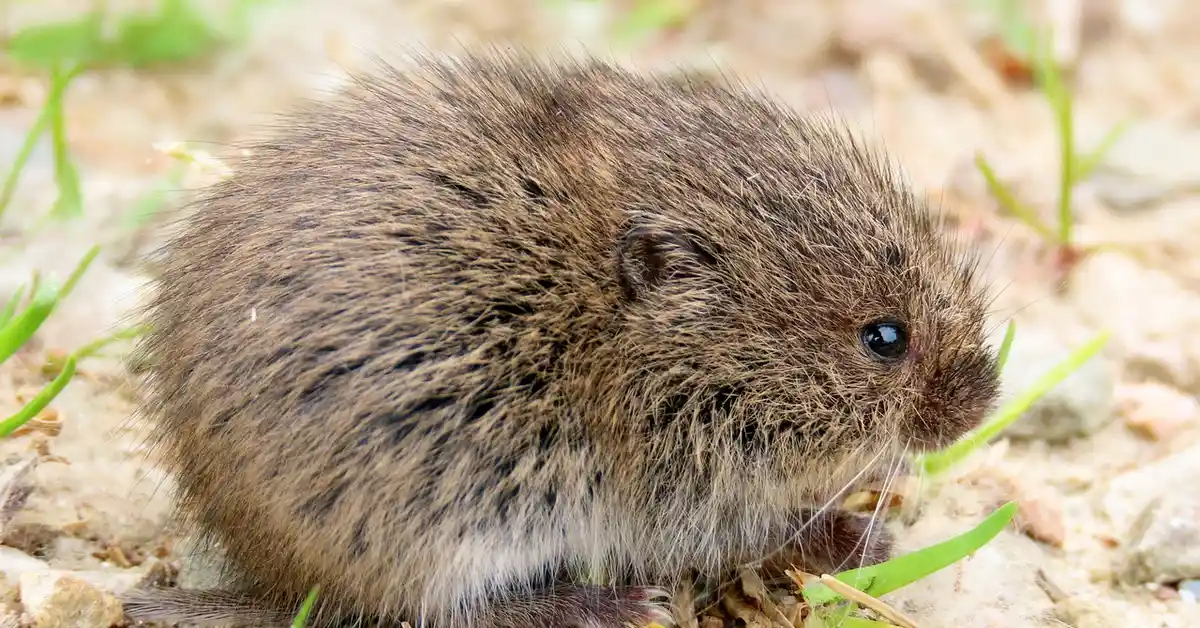
DIY Puzzle Feeders You Can Make at Home
You can easily turn everyday items into engaging puzzles that make your mouse work for their treats. Simple puzzle feeders encourage natural foraging instincts and keep your mouse mentally sharp. I often use empty toilet paper rolls or small cardboard boxes to create these fun challenges. Try a DIY Foraging Toys Challenge—a set of easy-to-make feeders that step up in difficulty so your mouse stays curious and rewarded. Rotate through the ten puzzles to provide variety and ongoing mental stimulation.
- Stuff a toilet paper roll with hay and hide a few sunflower seeds inside-my mouse Kenny adores tearing into these.
- Place a small treat under an overturned, clean yogurt cup with a tiny hole cut in the side for your mouse to explore.
- Scatter their regular food in a shallow tray of clean, crinkled paper to mimic searching through leaves and debris.
Rotate different puzzle types every few days to prevent boredom. This variety keeps their problem-solving skills sharp and adds excitement to mealtime.
Scent Enrichment and Herbal Foraging
Introducing new scents can turn their habitat into a sensory adventure. Herbs like dried lavender or mint provide safe, stimulating smells that appeal to your mouse’s curiosity. I sprinkle a pinch of these in their bedding or hide them in foraging toys.
- Offer small bundles of pet-safe herbs such as chamomile or basil for them to sniff and nibble.
- Rub a clean rock or wooden block with a fragrant herb and place it in their enclosure for investigation.
- Create a “scent trail” by dragging a herb sprig along a path leading to a hidden treat.
Jeffery, who is often a bit anxious, seems to calm down when I add lavender to his area. Using scent enrichment can help reduce stress and encourage exploratory behavior in timid mice.
Physical Enrichment: Climbing, Tunneling, and Exploration
Creating Tunnel Systems and Hideouts
Tunnels and hideouts give your mouse a sense of security and endless fun. Connecting multiple hideaways with tunnels mimics the burrowing they would do in the wild. I use cardboard tubes from paper towels or purchase safe plastic tunnels designed for small pets.
- Link several cardboard tubes with non-toxic tape to form a maze-Gregory loves to patrol these routes.
- Place small boxes with entry holes around the cage, filled with soft bedding for cozy naps.
- Ensure tunnels are wide enough to prevent sticking and check regularly for wear and tear.
Changing the layout weekly keeps the environment fresh. A dynamic tunnel system promotes exercise and satisfies their need to explore hidden spaces.
Building Climbing Areas and Platforms
Mice are natural climbers, and adding vertical elements can transform their space. Safe climbing structures help build muscle and provide high vantage points for curious mice. I use untreated wood branches, rope ladders, and sturdy platforms.
- Secure a small wooden ladder to the side of the cage using safe ties or clips.
- Add platforms at different heights made from non-toxic wood or plastic, ensuring they are stable.
- Incorporate dangling ropes or woven grass toys for them to grab and climb on.
Kenny, being the bold explorer, always races to the highest spot first. Climbing areas not only boost physical health but also offer mental stimulation as they navigate new heights.
Chewing and Gnawing Enrichment
Chewing is a vital behavior for keeping your mouse’s teeth healthy and occupied. Providing a variety of safe chew toys prevents dental issues and channels natural gnawing instincts. I keep a mix of untreated wood blocks, wicker balls, and cardboard chews in their cage.
- Offer applewood sticks or seagrass toys-they are durable and satisfying to gnaw on.
- Rotate chew items weekly to maintain interest and replace any that become soiled or worn out.
- Avoid materials with dyes or glues that could harm your mouse if ingested.
Jeffery often prefers softer items like cardboard, while Gregory goes for the tougher wood. Mixing textures and hardness levels ensures every mouse finds something they enjoy chewing.
Nesting and Bedding Manipulation Activities
Observing a mouse construct its nest is one of the most rewarding parts of pet ownership. Providing a variety of nesting materials engages their natural instincts to shred, carry, and arrange, offering hours of focused entertainment. I always keep a basket of options for my trio to choose from.
You can offer a whole spectrum of textures for your mice to explore. My mice, for instance, have distinct preferences; Kenny adverts to crinkly paper, while Jeffery seeks out the softest fleece.
- Unscented, dye-free paper tissues and toilet paper
- Strips of plain, unprinted paper or cardboard
- Soft, paper-based bedding they can tunnel through
- Cut-up pieces of fleece fabric (ensure no loose threads)
- Timothy hay or orchard grass for a natural, chewable element
To turn simple materials into an engaging puzzle, try hiding treats within a pile of nesting fodder. This foraging behavior mimics their wild instincts and encourages deep, satisfying digging. I’ll often sprinkle a few oat flakes or a broken-up pea flake deep within a paper pile and watch them diligently work to uncover every last morsel.
DIY Enrichment Toys and Projects
You don’t need a big budget to create a stimulating environment. Some of the best mouse toys are hiding in your recycling bin, waiting for a second life as a source of rodent fun. Simple DIY items—cardboard mazes, puzzle feeders, and paper-towel-roll hideouts—make excellent enrichment toys that stimulate a mouse’s mind. Rotate and vary them regularly to keep curiosity high. The key is to prioritize safety—avoid anything with sharp edges, toxic glues, or small parts that could be swallowed.
Cardboard is your best friend in the world of DIY mouse enrichment. It’s cheap, safe to chew, and endlessly versatile. Many of the best enrichment puzzle toys for mice can be made or enhanced with simple cardboard pieces—think treat-dispensing boxes, tunnels, and mazes. Using cardboard lets you mimic store-bought puzzle toys at a fraction of the cost while keeping your mouse mentally stimulated.
- Toilet Paper Tube Treat Balls: Simply fold the ends of a tube inward, place a treat inside, and watch your mouse figure out how to unravel it.
- Cardboard Castle: Use non-toxic glue or simply slot cardboard pieces together to create multi-level structures with doors and windows to explore.
- Egg Carton Forager: Cut a cardboard egg carton into sections, place a tiny treat in each cup, and let your mouse hunt for their snacks.
For a more advanced project, consider creating a dig box. A dedicated digging area filled with a novel substrate provides a completely different sensory experience that many mice adore. I use a shallow, sturdy plastic container filled with sterilized, child-safe play sand or Coco Soil. My mouse Gregory, who is usually quite reserved, will spend ages methodically tunneling in his personal sandbox. Burrowing is instinctive: mice dig and tunnel to hide from predators, make nesting chambers, and help regulate temperature. Providing a dig box lets them satisfy those natural urges safely.
Social Interaction and Supervised Playtime
While mice entertain each other, your interaction is a vital part of their enrichment. Building a bond based on trust transforms you from a scary giant into a source of security and fun. Always move slowly and let the mouse initiate contact, especially in the beginning. Over time you’ll notice telltale signs of a strong bond—mutual grooming, huddling, and relaxed exploration together. Recognizing these cues shows your efforts are working and helps you strengthen their social ties.
Start with short, positive sessions inside a secure, mouse-proofed area. A dry, empty bathtub with a towel on the bottom works perfectly.
- Bring a few familiar items from their cage, like a hideout or a favorite toy.
- Sit quietly in the space and let your mouse approach you on their own terms.
- Offer a high-value treat from your open palm, like a tiny piece of unsalted sunflower seed.
- Keep sessions brief-just five to ten minutes is plenty to start.
Pay close attention to their body language during these sessions. A confident, curious mouse will have ears up and whiskers twitching, while a hunched posture or freezing indicates it’s time to end the session. My adventurous Kenny is usually the first to climb onto my hand, while Jeffery prefers to observe from a safe distance before tentatively taking a treat. Respecting their individual comfort levels is the fastest way to build a lasting, positive relationship.
Rotating Enrichment to Maintain Interest
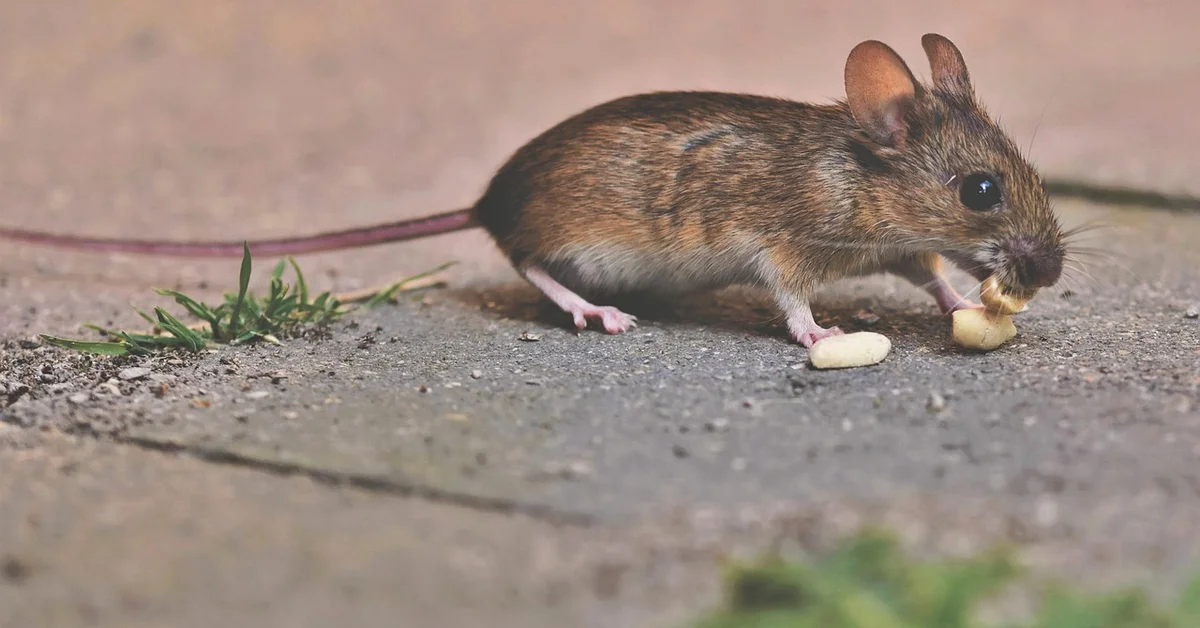
Mice are incredibly intelligent, and a static environment can quickly become a boring one. The most effective way to keep your mouse’s mind sharp is to treat their habitat like a dynamic playground, not a fixed exhibit. I rotate toys and structures in my own mouse enclosure every few days, which consistently sparks fresh curiosity and exploration.
Creating a Simple Rotation Schedule
You don’t need a massive stockpile of items to make this work. A small, manageable collection is perfect.
- Group A & Group B: Divide your toys, hides, and climbing structures into two sets. Swap them out every three to four days.
- The “Surprise” Item: Introduce one completely new or long-forgotten item each week, like a new type of untreated wooden chews or a novel cardboard puzzle.
- Rearrange the Landscape: Sometimes, simply moving their familiar wheel to a different corner or creating a new tunnel path with their old tubes is enough to make the space feel brand new.
I’ve noticed that my mouse Kenny, who is always seeking adventure, will immediately investigate any change I make, while Gregory prefers to observe the new layout from a distance before tentatively exploring.
Sensory Stimulation Beyond Physical Toys
Entertainment for mice isn’t just about what they can climb on or run through. Engaging their powerful senses of smell, hearing, and touch provides a deeper, more satisfying form of enrichment. This approach mimics the complex information-gathering they would do in the wild. Applying principles of rodent psychology to play helps caretakers choose toys that encourage natural exploration and interaction. Scented, textured, or noise-making toys tap into these instincts and promote sustained engagement.
Engaging the Nose and Ears
- Scent Trails: Dab a tiny amount of a mouse-safe scent like vanilla or banana extract on a clean rock or piece of wood. Place it in their enclosure and watch them follow the intriguing new smell.
- Audio Ambiance: I sometimes play very soft, calming classical music or nature sounds for short periods during the day. The gentle, unfamiliar noises can be a source of calm curiosity.
- The Foraging Mix: Instead of a food bowl, create a sensory foraging experience. Hide their daily seed and pellet mix within a pile of fragrant, dust-free hay or crinkly paper bedding. This turns a simple meal into a rewarding hunt that engages their sense of smell, touch, and hearing all at once.
The Power of Texture
Providing a variety of surfaces for your mouse to walk on and manipulate is a simple yet profound enrichment.
- Place a flat, smooth river stone in a cool area of the cage.
- Offer a small ceramic tile for them to sprawl on.
- Include different bedding materials in shallow dishes, such as aspen shavings in one and crinkle-cut paper in another.
My mouse Jeffery, who is often a bit anxious, seems to find great comfort in gently digging his paws through a small cup of soft, shredded paper.
What to Avoid When Enriching Your Mouse’s Environment
Enthusiasm for providing fun is wonderful, but safety must always come first. A well-meaning but unsafe toy can turn a place of comfort into a place of danger in an instant. I’ve learned this through careful research and a couple of close calls early on.
- Plastic Tubes and Tight Spaces: Avoid long, enclosed plastic tubing systems. Mice can get stuck, and poor ventilation can lead to a dangerous buildup of ammonia from their urine. Opt for wide, open platforms and short, easily monitored tunnels instead.
- Unsafe Woods: Never use wood from pine or cedar trees. The aromatic oils in these woods are toxic to mice and can cause severe respiratory issues. Safe options include apple, birch, and willow wood.
- Flimsy Wire Wheels: A wheel with rungs or wire mesh can catch tiny toes and tails, leading to serious injury. Always choose a solid-surface running wheel, either plastic or metal, that is large enough for your mouse to run with a straight back.
- Overcrowding: While a busy cage looks fun, too many items can make it difficult for your mouse to move around freely and establish clear, safe pathways. They need open space to run and play as much as they need things to climb on.
- Sticky or Sugary Treats: Do not use honey or other sticky substances to attach treats to toys. It can mat their fur, get stuck in their pouches, and is unhealthy for them.
Frequently Asked Questions
What are some mouse enrichment ideas?
Mouse enrichment ideas focus on stimulating their natural instincts through varied activities. Key approaches include providing opportunities for foraging, such as hiding food in bedding or using scatter feeding, and incorporating physical challenges like multi-level platforms or dig boxes filled with safe substrates. Additionally, sensory enrichment with novel scents or textures and social interaction during supervised playtime can greatly enhance their mental and physical well-being.
What are some mouse enrichment toys?
Mouse enrichment toys range from commercial items to simple objects that encourage exploration and play. Common options include solid-surface running wheels, puzzle feeders that dispense treats, and chew toys made from untreated wood or seagrass. Climbing structures like rope ladders and hanging toys, as well as tunnel systems that can be rearranged, also provide engaging physical and mental stimulation.
What are some rodent enrichment ideas?
Rodent enrichment ideas generally involve activities that promote natural behaviors such as foraging, climbing, and nesting. For mice specifically, this can include creating complex habitats with hiding spots and varied textures, introducing safe materials for shredding and nest-building, and offering rotational toys to maintain interest. Always tailor enrichment to the species’ size and needs, ensuring all items are non-toxic and safe to prevent injury or stress.
Your Path Forward
Keeping your mouse entertained is a continuous, rewarding journey of observation and creativity. The goal isn’t a single perfect toy, but a dynamic habitat filled with opportunities to explore, forage, and problem-solve, changing things up regularly to keep their clever minds engaged.
Pay close attention to what makes your individual mouse’s whiskers twitch with excitement. One might adore a challenging puzzle feeder, while another finds pure bliss in a deep dig box. Your thoughtful efforts will build a life of vibrant curiosity and joyful activity for your tiny companion.
Further Reading & Sources
- r/PetMice on Reddit: How do you provide your mouse with fun and enrichment?
- Rat & Mouse Toys: Enrichment & Fun | Petco
- DIY Rodent Toys and Enrichment Activities – Allan’s Pet Center
Isabella is a passionate small pet enthusiast with over 8 years of experience in caring for mice. She loves sharing practical tips and heartfelt stories to help fellow mouse owners provide the best care for their tiny companions.
Enrichment Ideas