
Knowing When It’s Over: How Do You Know When the Mice Are Gone?
Have you ever peered into your mice’s habitat, heart aching with uncertainty, wondering if their playful days have truly ended? As a longtime mouse caretaker who has shared my home with curious souls like Kenny and steady companions like Gregory, I understand that hollow feeling all too well. This guide will provide you with clear, reliable methods to recognize the signs that your mice have passed on, offering you the closure and confidence you deserve.
We’ll walk through the subtle shifts and unmistakable clues together, focusing on behavioral changes, physical evidence, and environmental cues that signal this difficult transition. You’ll learn how to interpret the silence and stillness, ensuring you can move forward with certainty and care.
Clear Signs the Mice Have Left Your Home
Fresh Droppings Have Stopped Appearing
This is your most reliable visual cue. Mouse droppings are small, dark, and pointed at the ends. When you go several days without finding any new droppings in their usual hotspots-like along baseboards, inside cabinets, or near food sources-it’s a powerful indicator that the residents have moved on. I always check the same few corners daily; a clean sweep for a full week gives me immense peace of mind.
- Check known high-traffic areas daily.
- Clean existing droppings thoroughly to establish a baseline.
- A consistent absence over 5-7 days is a very positive sign.
No More Scratching or Squeaking Noises
Your ears become finely tuned to the sounds of a mouse household. The sudden silence is profound. The absence of those subtle scratches inside walls, faint pitter-patters in the ceiling, or the high-pitched squeaks of communication during the night is a clear auditory signal that the space is now vacant. Spend some quiet time in the evening listening; the lack of that familiar rustling is often the first relief you’ll feel.
The Mouse Odor Has Disappeared
A mouse infestation has a distinct, musky smell, often compared to stale ammonia. When that persistent, unpleasant odor finally dissipates from your rooms and cupboards, it strongly suggests the source is no longer present and replenishing the scent. A fresh, neutral smell returning to your home is a wonderful sensory confirmation that you’re in the clear. However, it’s important to take steps to reduce mouse odor effectively after elimination.
- The odor is strongest in enclosed spaces like cabinets and pantries.
- Good ventilation helps, but the smell fading on its own is the key.
Gnaw Marks Stop Getting Fresher
Mice must constantly gnaw to keep their teeth from overgrowing. When the tiny teeth marks on furniture legs, wiring, or food containers no longer show bright, pale wood or fresh plastic shavings, it means no new gnawing activity is occurring. Existing marks will look old and may even start to gather a bit of dust, which is exactly what you want to see.
Food Containers Stay Intact
Mice are relentless in their pursuit of food and can chew through surprisingly tough packaging. Finding your cereal boxes, pasta bags, and pet food containers completely undisturbed for an extended period is a fantastic sign that your pantry is no longer a target. This kind of success usually comes from simple habits like using airtight containers and promptly cleaning up spills. Proper food storage is one of the best ways to prevent mice from making your pantry their buffet. This practical, everyday evidence is one of the most satisfying confirmations of success.
How to Monitor for Rodent Activity After Treatment
Setting Up Monitoring Traps the Right Way
Don’t pack away your traps immediately after you think the mice are gone. Leaving a few unbaited, non-lethal monitoring traps or glue boards in active areas acts as a silent security system, providing physical proof of any lingering visitors. Place them flush against walls where mice prefer to travel, and check them every morning. If you do catch a live mouse, release it promptly and humanely in suitable cover (woods or brush) at least 100–200 yards from your home. Always wear gloves, avoid direct handling, and follow local wildlife rules when relocating animals.
- Use a small number of traps to cover key areas without cluttering your home.
- Focus placement near former nesting sites and food sources.
- Empty traps are a good sign; reset them for continued monitoring.
Using Tracking Methods to Confirm They’re Gone
Beyond traps, a simple tracking method can offer undeniable evidence. A light dusting of flour or talcum powder in suspected runways will reveal any fresh footprints, giving you a visual trail that confirms whether any activity is still happening. This low-tech approach is incredibly effective and provides a clear, immediate answer.
- Apply a thin layer of powder in a small, discreet area.
- Check for tracks each day for at least a week.
- No new tracks combined with other signs strongly points to a mouse-free home.
Common Mistakes That Make You Think Mice Are Still There
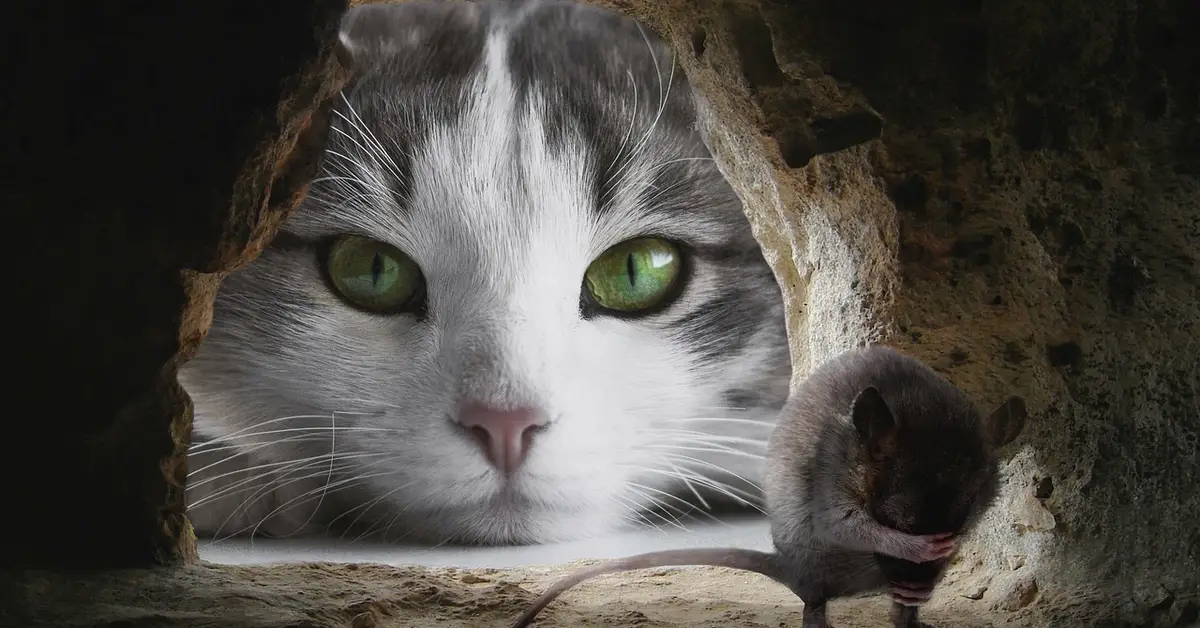
Your mind can play tricks on you after a beloved mouse passes. Every tiny sound or misplaced item can feel like a sign. It’s completely normal to experience these moments of hope and confusion; your vigilance is a testament to your care. Let’s look at some frequent false alarms.
Misinterpreting Household Noises
Your home is full of tiny sounds that can mimic a mouse’s movements. The heating system kicking on, a house settling, or even a distant car can create vibrations. But certain noises — faint scratching or scurrying or rhythmic thumping coming from inside the walls — are more likely to indicate mice. Listening at night or when the house is quiet makes these “mouse wall sounds” easier to identify.
- Cracking or Popping: Wooden floors and furniture naturally expand and contract with temperature changes, creating noises that sound like scurrying.
- Scratching in Walls: This is often pipe noise or branches from an outdoor tree brushing against the siding.
- Rustling Sounds: A piece of paper caught in a draft or a forgotten plastic bag can sound exactly like nesting activity.
Finding “Evidence” That Isn’t
You might spot something out of the corner of your eye and immediately think it’s a mouse. I’ve done this myself, even calling out for my mouse Kenny, only to find a dust bunny. But sometimes it really is Kenny, sitting motionless and looking right at me. That makes you wonder: why is my mouse staring at me?
- Small, Dark Debris: Flecks of dirt, spilled bedding, or coffee grounds can be mistaken for droppings.
- Food Spillage: Crumbs from your own snack can look like someone has been nibbling.
- Misplaced Items: A stray piece of fluff or a shredded bit of toilet paper from a different source can trigger that familiar feeling.
Overthinking Normal Cage Activity
If you have other mice, their behavior can be misleading. After one of my previous mice passed, his cage-mate, Gregory, would move bedding around in a new pattern. Your remaining pets will adjust to the new social dynamic, and their changed routines can sometimes feel like the presence of another. Mice are highly social animals and use scent and behavior to communicate, so changes in companions often lead to new routines as they re-establish hierarchy. That social nature likely explains why Gregory rearranged the bedding.
The Waiting Game: How Long Before You Can Be Sure
There is no single, perfect timeline that applies to every situation. Certainty comes from a consistent absence of all signs over a period of time, not from a ticking clock. Your observation skills are your greatest tool here.
The General Timeline for Confidence
Based on their natural rhythms and needs, you can build a reasonable expectation.
- 24-48 Hours: A healthy, active mouse cannot go this long without drinking water. A complete lack of new droppings in this timeframe is a very strong initial indicator.
- 3-5 Days: This period solidifies the evidence. No new food is taken from a favorite dish, no nesting material is disturbed, and no sounds are heard during their most active hours (typically dusk and dawn).
- One Full Week: After seven days with zero signs of activity, you can be virtually certain. Their essential needs would have forced them to break cover long before this.
Key Behaviors to Monitor For
Don’t just wait passively. Look for the absence of these specific, normal behaviors.
| What to Watch For | What Its Absence Means |
|---|---|
| Fresh, moist droppings in usual corners | The digestive system has stopped. |
| Food disappearing from a dedicated dish | They are not eating. |
| The water bottle level dropping | They are not drinking. |
| Nest being rearranged or added to | Instinctual nesting behavior has ceased. |
| Sounds of climbing, chewing, or digging at night | There is no physical activity. |
Trust the silence and the stillness; they are the final, gentle messages your pet sends. When my curious Kenny was ill, the moment his energetic darts across the cage stopped was the moment I knew his spirit was fading. The absence of action speaks volumes.
What to Do If You See Signs of Mice Returning
Checking Entry Points and Sealed Areas
Finding a fresh dropping or a tiny, new chew mark can send a jolt of panic right through you. Your first instinct is to act fast, and that’s the right one. Immediately revisit every single entry point you previously sealed, paying extra attention to corners and edges where materials can shrink or pull away. I run my fingers along all the steel wool and sealant I used, feeling for any gaps or looseness. Mice can compress their bodies to fit through holes the size of a dime, so no potential opening is too small to ignore. Look for new grease marks or disturbed dust, which are clear signposts of recent activity.
- Grab a flashlight and inspect during the evening when mice are most active; the angle of light can reveal shadows in tiny cracks you’d miss during the day.
- Focus on areas where utilities enter your home, like pipes and wires, as these are common failure points for seals.
- Listen carefully at night for any faint scratching or skittering sounds behind walls, a surefire audio cue that your defenses have been breached.
When One Mouse Doesn’t Mean Full Infestation
Spotting a single, lone mouse can feel like a major setback, but please don’t despair. Finding one adventurous mouse does not automatically mean a full-blown re-infestation has taken root. In my experience, especially with bold mice like my Kenny, a solitary explorer will sometimes find a new, unguarded path. They are incredibly curious and opportunistic creatures. This single mouse might just be a scout, testing your defenses rather than leading a full-scale invasion. The key is to assess the evidence around it. Start by checking common mice homes—attics, basements, wall voids, and cluttered storage—for droppings, nesting material, or gnaw marks. Finding signs in these spots can help you determine whether more are hiding nearby.
- Are there multiple, fresh droppings in several different areas, or just a small cluster in one spot?
- Is there evidence of new nesting material being gathered, or just a few exploratory nibbles on a baseboard?
- Have you found a food source that was recently accessed, or does it seem untouched?
A solitary mouse is a warning to tighten your protocols, not a signal that you’ve failed. I’ve had this happen, and a quick reinforcement of entry points was all it took to restore the peace.
After the Mice Are Gone: Keeping Them Out for Good
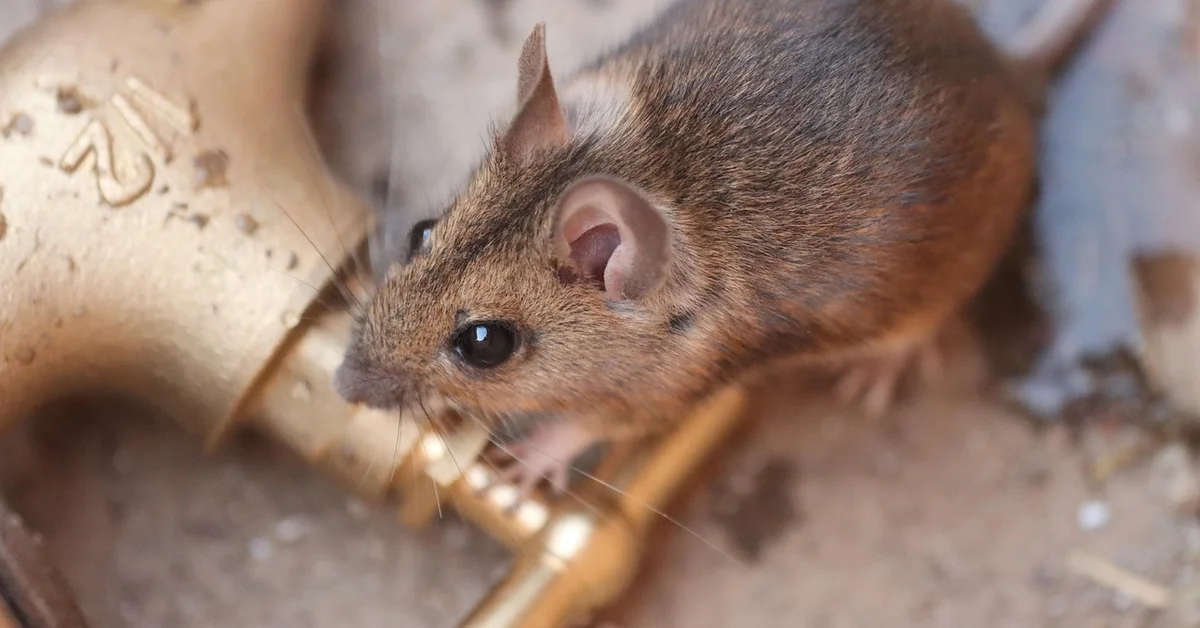
Regular Inspection Schedule to Stay Mouse-Free
Complacency is the true enemy of a mouse-free home. The peace you feel after they’re gone is wonderful, but it must be protected with a simple, consistent routine. Establishing a bi-weekly ‘mouse patrol’ is the single most effective habit for preventing a repeat problem. I set a calendar reminder for myself every other Sunday to do a quick 15-minute walkthrough. This isn’t a deep clean; it’s a strategic inspection. You are looking for the earliest, subtlest signs before they ever become a real issue again. That means checking for mouse droppings — an early, reliable sign — and addressing them promptly. Because droppings can pose health risks, take care with cleanup or consult a professional if you’re unsure.
Here is my personal inspection checklist:
- Check all known previous entry points with your eyes and hands.
- Look along baseboards and in the back corners of pantries for any new, rice-sized droppings.
- Inspect pet food bags and bird seed containers for tiny chew holes.
- Sniff the air in closets and cabinets for any faint, new, musty odors.
- Verify that all food, including my mice’s own snacks, is stored in thick plastic or glass containers.
This proactive habit transforms your mindset from reactive problem-solver to proactive guardian. Consistency in these small checks builds a powerful, long-term defense that is far easier than dealing with another infestation. It gives you a wonderful sense of control and allows you to enjoy your pets’ company without the underlying worry of uninvited guests.
Frequently Asked Questions
What are some symbolic signs that mice are gone?
In some cultural or superstitious beliefs, the absence of mice might be interpreted symbolically, such as a return to peace and order in the home. For pet mouse caretakers, this can translate into a sense of emotional closure and harmony, where the quiet and cleanliness feel like a positive shift after a loss. However, it’s essential to rely on practical evidence rather than symbols to confirm their absence for sure.
Are there any products for sale that indicate mice are gone?
While there aren’t specific “mice gone” signs for sale, you can find monitoring devices like non-lethal traps, motion-activated cameras, or electronic repellents that help verify no activity. These tools serve as additional safeguards, providing tangible proof through lack of triggers or captures, complementing your own observations without replacing them.
What are considered signs of good luck after mice are gone?
In folklore, a mouse-free home might be seen as a sign of good luck, symbolizing protection and prosperity, such as undisturbed food stores or a calm environment. For mouse pet owners, this “luck” often feels like regained peace of mind and the ability to focus on cherished memories without worry, marking a positive new chapter.
Final Thoughts
Recognizing when your mouse companion has passed involves observing quiet cages, unchanged food, and a lack of daily activity. Trust your instincts and the small, consistent signs you’ve learned to watch for over time, similar to when you learn to identify signs of stress in mice. In my experience with pets like Kenny and Jeffery, these subtle shifts became clearer with each shared moment.
Allow yourself space to reflect and heal, knowing you offered a caring home. Your attentiveness and love made their life meaningful, and that bond remains a cherished part of your journey together.
Further Reading & Sources
- How do you know when all the mice are gone? The mouse droppings
- How Do You Know When All the Mice Are Gone? Here’s Everything You Need To Know
- How Do You Know When All the Mice Are Gone?
Isabella is a passionate small pet enthusiast with over 8 years of experience in caring for mice. She loves sharing practical tips and heartfelt stories to help fellow mouse owners provide the best care for their tiny companions.
Signs of Infestation