
Life in the Lab: Understanding a Research Mouse’s World
Have you ever wondered what daily life is truly like for the mice living inside research laboratories?
This guide will demystify the precise conditions of these specialized habitats. We will explore their unique housing, strictly managed diets, and the daily routines that define their existence.
Understanding the Vivarium: Where Research Mice Live
Temperature, Humidity, and Light-Dark Cycles
Research mice reside in a meticulously managed environment called a vivarium. Every single factor, from the air they breathe to the light they see, is regulated to ensure consistency across scientific studies. This controlled stability is vital for producing reliable data, as even minor fluctuations can alter a mouse’s biology and behavior. The temperature is typically kept within a very narrow range, often between 68-79°F (20-26°C), which is the thermoneutral zone where mice don’t have to expend extra energy to stay warm or cool down.
Humidity levels are also carefully monitored and controlled. Maintaining a relative humidity of 30-70% is crucial for preventing respiratory distress and ensuring the mice do not become dehydrated through their skin. If you’ve ever noticed your own pet mice seeming uncomfortable on a very dry or muggy day, you’ve witnessed a tiny version of why this control matters so much for their well-being.
Perhaps one of the most fascinating controls is the strict light-dark cycle. Vivariums operate on automated timers to simulate a perfect 12-hour day and 12-hour night. This consistent circadian rhythm is not just for sleep; it governs nearly every physiological process, from hormone release to metabolism. In my own home, I use blackout curtains in my mice’s room to mimic this stability, and I’ve noticed a positive difference in their energy levels and overall health.
Cage Conditions and Density Standards
Inside the vivarium, mice live in specialized cages designed for maximum hygiene and environmental control. These are often made of durable, transparent plastic with stainless-steel wire lids for ventilation and feeding. The cage itself acts as a micro-isolation unit, protecting the mice from pathogens and cross-contamination between different research groups. Bedding is autoclaved (sterilized with steam) before use and changed on a strict schedule to maintain a clean and ammonia-free environment.
The number of mice housed together is governed by detailed density standards. These guidelines are based on the animals’ welfare, ensuring each mouse has sufficient space for normal postural adjustments and movement without overcrowding. For example, a typical standard might require a specific floor area per mouse, with adjustments made for particularly large or pregnant animals. These evidence-based minimums contradict common myths that mice can thrive in tiny enclosures. Understanding the proper minimum cage size helps owners avoid misconceptions and promotes better care.
- Space is allocated to allow for species-typical behaviors like standing on hind legs, turning around, and nesting.
- Group composition is carefully considered to minimize stress and aggression, often housing littermates or compatible individuals together.
- Environmental enrichment, such as nesting material and simple structures, is almost always provided to encourage natural behaviors and mental stimulation.
Daily Life: Diet, Water, and Feeding Protocols
The diet of a research mouse is the definition of standardized. They are fed a specially formulated pellet diet called a lab chow. Every single pellet is nutritionally identical, providing a precise balance of proteins, fats, carbohydrates, vitamins, and minerals. This eliminates diet as a variable in experiments, ensuring that any changes observed in the mice are due to the study parameters and not their food.
This is a stark contrast to the varied diet I provide for my own mice, Kenny, Gregory, and Jeffery, who enjoy small bits of fresh vegetables, cooked grains, and the occasional mealworm. While my mice get culinary variety for enrichment, research mice get dietary consistency for scientific integrity. Their food is often provided ad libitum, meaning it’s available at all times, to prevent food-related stress from influencing the study’s outcomes.
Water access is just as rigorously controlled. Mice receive autoclaved or filtered water, typically delivered through sipper tubes attached to their cages, to prevent any microbial contamination. The water bottles and sipper tubes are cleaned and sanitized on a strict rotation to ensure a constant supply of fresh, clean water. This level of control over their most basic needs highlights the immense effort put into creating a stable and humane living world for these animals.
Enrichment and Behavioral Needs in the Laboratory
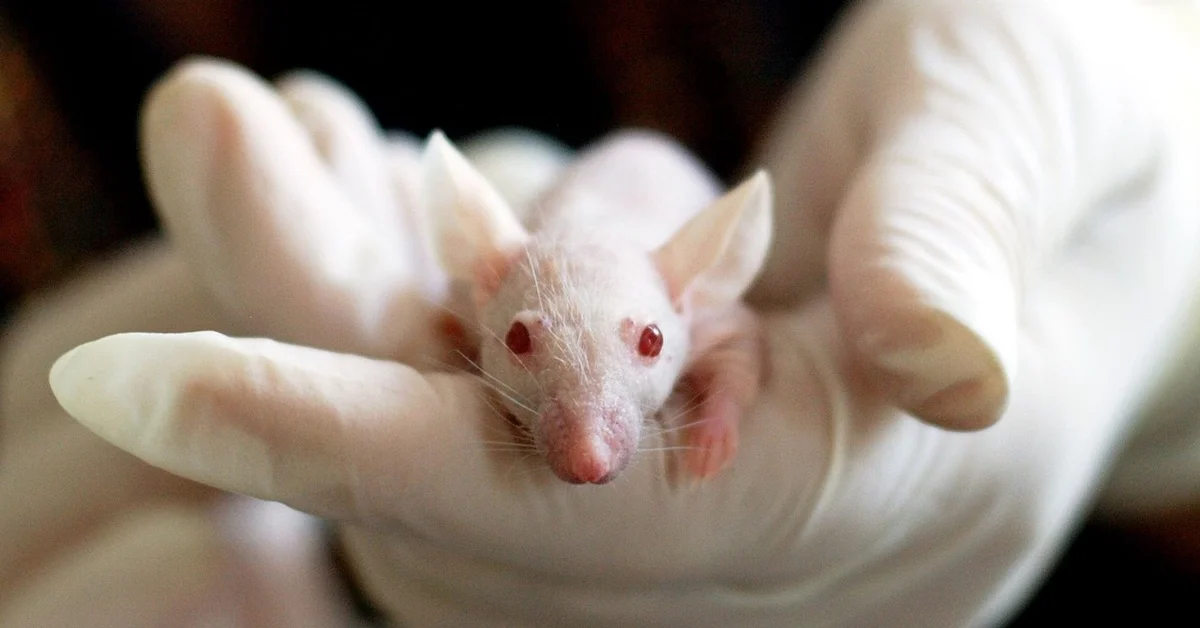
Laboratory mice thrive when their natural instincts for exploration and social interaction are nurtured, much like your own pets at home. Enrichment isn’t a luxury in research settings; it’s a fundamental component for maintaining mouse welfare and ensuring reliable scientific data. Mice are intelligent, curious creatures, and without proper stimulation, they can develop repetitive behaviors or heightened stress, which skews experimental outcomes. Enrichment supports healthy brain development and helps prevent stress-induced neural changes. For that reason, understanding how enrichment affects the mouse brain is crucial for interpreting behavioral and neurological studies.
Common enrichment items you’d recognize include running wheels for exercise, cardboard tubes for hiding, and nesting materials for comfort. Providing a variety of textures and structures allows mice to express natural behaviors like foraging, climbing, and burrowing, which keeps their minds active and bodies healthy. I’ve seen how my own mouse, Kenny, becomes more engaged and less prone to mischief when his habitat includes tunnels and things to chew on-it’s a simple change that makes a big difference, especially when paired with stimulating toys designed to challenge their minds.
- Social housing with compatible cage mates to prevent loneliness
- Manipulable objects like wooden blocks or paper for gnawing
- Occasional diet variations or puzzle feeders to encourage foraging
- Structured play areas that mimic natural environments
Regular observation by trained staff helps tailor enrichment to individual needs, ensuring each mouse stays content. This careful attention to behavioral health means that lab mice lead lives that are not only controlled but also enriched, reducing anxiety and promoting overall well-being.
Husbandry Practices and Health Monitoring
Daily care in a laboratory is meticulous, focusing on consistency to keep mice healthy and stress-free. Husbandry routines include scheduled feeding with nutritionally balanced diets, sterile bedding changes, and controlled temperature and humidity levels. Just as I monitor my mice Gregory and Jeffery for any signs of illness, lab technicians perform regular health checks, looking for changes in weight, coat condition, or activity that might indicate a problem.
Veterinary care is always on standby, with protocols for隔离 sick animals to prevent disease spread. This proactive approach minimizes health issues and ensures that any mouse needing attention receives it promptly, much like how a watchful pet owner would act.
Breeding Colonies and Genetic Lines
Maintaining specific genetic lines is crucial for research consistency, as it allows scientists to study diseases or traits without variable factors. Breeding colonies are carefully managed to preserve genetic purity, often through controlled pairings and detailed record-keeping. This ensures that each generation of mice has predictable characteristics, which is vital for experiments that require uniform subjects.
- Use of inbred strains to reduce genetic variability
- Regular genetic testing to confirm lineage integrity
- Housing conditions that prevent unintended breeding
By keeping genetic backgrounds stable, researchers can trust that results are due to the experimental treatment, not random differences. This level of control helps advance medical knowledge in a reliable way, benefiting both animal and human health studies.
Common Laboratory Procedures
Routine procedures in labs are designed to be as gentle as possible, prioritizing mouse comfort. Handling mice with calm, confident movements reduces stress, similar to how I approach my anxious mouse Jeffery with slow, reassuring gestures. Common activities include weighing to track health, administering substances via safe methods, and non-invasive imaging.
- Weighing sessions to monitor growth and diet effects
- Oral gavage or injections for precise dosing in studies
- Blood sampling from tail veins with minimal discomfort
- Behavioral tests in mazes or open fields to assess cognition
Each procedure follows strict guidelines to ensure it’s humane and necessary. Training for lab personnel emphasizes low-stress techniques, so mice experience minimal disruption to their daily routines (ethics of animal testing).
Why Such Extreme Control? Understanding Experimental Reproducibility
You might wonder why every detail in a lab environment is so tightly managed, from diet to light cycles. Extreme control is the backbone of scientific reproducibility, meaning that experiments can be repeated by other researchers with the same results. Without it, variables like temperature fluctuations or diet changes could alter outcomes, making findings unreliable.
Think of it like following a recipe-if you use different ingredients each time, you can’t be sure why the cake turns out differently. In mouse research, consistent environments allow scientists to pinpoint exact causes and effects, leading to breakthroughs that are trustworthy and applicable. This precision helps translate lab discoveries into real-world benefits, such as new medications or therapies.
By maintaining uniform conditions, labs ensure that the mice’s contributions to science are meaningful and valid. This careful balance of control and care means that research moves forward ethically and effectively, honoring the role these small animals play in advancing knowledge. Beyond laboratory medicine, mice also provide important ecological insights — their behavior, population dynamics, and role in disease transmission help scientists understand and manage ecosystems. These findings illustrate clear ecology-related benefits from mouse research, informing conservation and environmental health strategies.
Lifespan and Life Stages: How Long Do Lab Mice Live?
In the pristine, predictable world of a laboratory, a mouse’s life is meticulously charted from birth to its natural endpoint. Laboratory mice typically live for 1.5 to 2.5 years, a lifespan made possible by their controlled genetics, consistent nutrition, and near-total absence of predators or disease. This controlled longevity provides a fascinating benchmark for us pet owners. Pet mice often have shorter average lifespans due to more variable conditions. Understanding and applying the same factors—genetics, diet, housing, and veterinary care—can help owners maximize their pets’ lifespan.
The life stages of a lab mouse are clearly defined and observed with scientific precision.
- Neonatal (Birth – 2 weeks): Completely dependent on the dam, these pups are hairless, blind, and develop rapidly in a climate-controlled incubator.
- Weaning (3 – 4 weeks): This is the stage of separation, where young mice are moved to their own standardized housing, a practice that ensures accurate data collection.
- Adolescent (5 weeks – 6 months): A period of rapid growth and social structuring within their cage groups, crucial for behavioral studies.
- Adult (7 months – 1.5 years): This is the prime data-collection phase, where mice are at their most physically stable and behaviorally predictable.
- Senior (1.5+ years): Just like my older mouse Gregory, lab mice in this stage may show signs of slowing down, with research often focusing on aging processes.
Observing this structured timeline in a lab setting underscores a simple truth for pet owners. The stability of their environment is the single greatest factor influencing how long and how well our own mice will live. While we can’t replicate a sterile lab, we can strive for that same level of consistency in their daily care.
Lab Mice vs. Pet Mice: Key Differences That Matter

At first glance, a mouse is a mouse, but the lives of a research subject and a cherished pet like my curious Kenny are worlds apart. The most profound difference lies in their fundamental purpose: one exists for data, the other for companionship. This core distinction ripples out into every aspect of their existence. If you’re considering a pet, learning about fancy mouse breeds shows how selective breeding shapes coat, color and temperament. That knowledge helps you choose a mouse whose appearance and personality suit your home.
Let’s break down the critical distinctions that shape their daily experiences.
- Genetics and Breeding: Lab mice are isogenic, meaning they are virtually genetically identical to control variables. Our pet mice have wonderfully diverse and unpredictable genetic backgrounds, which gives them unique personalities and appearances.
- Housing and Environment: A lab mouse lives in a sterilized, sparse plastic box designed for easy observation and cleaning. Our pets thrive in complex, enriching habitats filled with tunnels, wheels, and hiding spots that stimulate their natural behaviors.
- Social Structure: Laboratory protocols often dictate specific group compositions based on research needs. In our homes, we carefully curate mischief groups based on personality compatibility, like my trio of Kenny, Gregory, and Jeffery, to ensure lifelong harmony.
- Diet: Lab mice eat a scientifically formulated, uniform pellet. We get the joy of providing a varied diet that includes healthy treats, watching them discover new favorites with clear delight.
- Human Interaction: Handling in a lab is minimal, standardized, and often stressful for the mouse. Our relationship is built on gentle, positive interactions that build trust and turn us into a source of safety and fun.
Understanding these differences is not about judging one lifestyle as superior. It’s about appreciating that our pet mice are individuals with complex emotional needs that go far beyond the baseline survival ensured in a lab. They don’t just need to be physically healthy; they need to be happy.
What Pet Mouse Owners Can Learn from Laboratory Standards
While we would never want our pets to live in a sterile lab cage, there are brilliant nuggets of wisdom we can borrow from their rigorous world. We can adopt the scientific principles of consistency and observation to become more attentive and effective caretakers. It’s about taking their gold-standard practices and infusing them with heart.
Here are the key laboratory standards that can dramatically improve your pet mouse’s quality of life.
- Impeccable Hygiene Protocols: Labs prevent disease through strict cleaning schedules. We can emulate this by performing spot cleans daily and full cage cleans weekly to keep ammonia and bacteria at bay.
- Meticulous Record Keeping: Researchers log everything. You can keep a simple journal noting your mouse’s weight, food intake, and behavior; this helps you spot subtle health changes early, just like a trained technician would.
- Environmental Consistency: Labs control temperature, light, and noise. We can provide this stability by placing cages away from drafts, direct sunlight, and loud noises, creating a calm and predictable home.
- Nutritional Precision: The lab diet is perfectly balanced. We can strive for this by using a high-quality lab block as our staple food, using seed mixes and treats as supplements, not the main course.
- Structured Enrichment: Even labs provide enrichment for psychological well-being. We can take this further by rotating toys and rearranging cage layouts weekly to satisfy their need for novelty and exploration.
Applying these methods transforms pet care from a guessing game into an informed practice. The goal is to merge the unwavering reliability of a lab environment with the loving, stimulating home every pet mouse deserves. Watching my mice, especially the anxious Jeffery, visibly relax in a clean, predictable space confirms that this hybrid approach truly works.
Frequently Asked Questions
How much do laboratory mice typically cost?
Laboratory mice are not sold to the general public and are sourced by research facilities from specialized breeders. Prices vary based on factors like strain, age, and genetic modifications, but they generally range from $20 to over $100 per mouse. For pet owners, this reflects the high level of specialized care involved, though pet mice from stores or breeders are far more affordable, often costing under $10 each.
What methods are used for humane euthanasia of lab mice?
In research, euthanasia follows strict animal welfare protocols to ensure it is painless and stress-free. Common methods include carbon dioxide (CO2) inhalation or anesthetic overdose, which are designed to be quick and minimize suffering. For pet owners, this highlights the importance of consulting a veterinarian for end-of-life care to ensure it is handled compassionately and ethically.
Do white lab mice have a different lifespan than other lab mice?
The lifespan of white lab mice, such as common strains like BALB/c, is generally consistent with other laboratory mice, averaging 1.5 to 2.5 years under controlled conditions. Factors like genetics and environment have a greater impact on longevity than coat color. For pet mice, this emphasizes that quality care, including a stable habitat and balanced diet, is crucial for a healthy life, regardless of appearance.
Your Path Forward
Seeing the meticulous world of research mice illuminates why our own care at home matters so profoundly. This controlled existence highlights that our pet mice, with their individual personalities and freedoms, experience a much richer, more dynamic life. The lab’s focus on uniformity makes our role as providers of varied enrichment and gentle handling even more significant. That raises the question: do pet mice recognize their owners and how do they interact with people? Studies and everyday observations indicate mice can learn to identify and prefer familiar handlers through scent, voice, and consistent gentle interaction.
Let this knowledge inspire you to observe your own mice with fresh eyes, appreciating the complex little beings they are. You have the wonderful opportunity to offer them a life filled with security, soft bedding, tasty treats, and the social bonds they naturally crave. Mice are social animals who thrive on companionship and interaction. Encouraging group housing and shared play helps support their emotional and physical well-being. Use these insights not as a strict rulebook, but as a foundation for building a trusting and joyful relationship with your small companions.
Further Reading & Sources
- Mouse Behavioral Phenotyping Laboratory | The Carolina Institute for Developmental Disabilities
- Methods and Protocols | Mouse Behavior Ethogram | Stanford Medicine
- Housing and husbandry: Mouse | NC3Rs
Isabella is a passionate small pet enthusiast with over 8 years of experience in caring for mice. She loves sharing practical tips and heartfelt stories to help fellow mouse owners provide the best care for their tiny companions.
Mice in Science & History