
Marked Mice: A Guide to Roan Spotted and Irregular Markings
Have you ever gazed at your pet mouse and marveled at the intricate patterns on its fur, wondering what stories those roan spots or irregular markings might tell?
This guide will unravel the mysteries behind these beautiful coat variations, offering clear insights into their characteristics and care. We’ll explore how to identify roan spotted and irregular markings, discuss what these patterns can reveal about your mouse’s health and background, and share practical tips for supporting their well-being.
How to Identify Roan and Spotted Patterns in Pet Mice
What Roan Markings Look Like on Your Mouse
Roan markings create a beautiful, salt-and-pepper effect across your mouse’s coat. Instead of solid patches, you’ll see a fine, even mixture of white hairs sprinkled throughout the colored fur. This gives the mouse an overall frosty or grizzled appearance, as if their base color has been lightly dusted with powdered sugar. On my light gray mouse, Kenny, his roan areas make him look like he’s been exploring in a gentle snowfall. The pattern is often densest along the back and flanks, creating a soft, blended look rather than harsh lines.
Recognizing Spotted and Piebald Patterns
Spotted and piebald mice display distinct, solid patches of white against their base color. True spotting involves well-defined, separate white spots that look like someone carefully placed them with a tiny paintbrush. Piebald is a related pattern, but the white patches are typically larger and more irregularly shaped, often forming a “belt” or “blaze.” You might find a perfect white spot on the hip, a splash on the forehead, or a white-tipped tail. Each spotted mouse is a unique work of art, and no two patterns are ever exactly the same. When trying to differentiate them in the wild, refer to our wild mouse identification area guide for additional clues.
- Look for crisp, isolated white spots on a colored background
- Check for common placements: head, back, hips, and sides
- Notice if the white areas have sharp, clean edges
- Observe whether the pattern is symmetrical or randomly distributed
Understanding Irregular and Unpredictable Markings
Some mice sport markings that don’t fit neatly into any category. Irregular markings are the delightful surprises of the mouse world, creating one-of-a-kind patterns you won’t see replicated. These can include brindling (fine streaks of color), ticking (single colored hairs in white areas), or asymmetrical patches that seem to follow their own rules. My mouse Jeffery has a charming, lopsided white mark on his shoulder that looks like a tiny cape. These unpredictable patterns often result from complex genetic interactions, making each mouse truly special. In this pet mouse colors and markings guide, you’ll learn how to identify and describe these irregular patterns. We’ll also touch on the basic genetics behind why they occur and how to record them accurately.
What Causes These Coat Patterns in Mice?
The Genetics Behind Roan and Spotted Mice
The beautiful patterns on your mice are written in their DNA. Roan patterns are typically controlled by a specific gene that prevents pigment cells from fully populating the hair follicles across the body. This creates that characteristic intermingling of colored and white hairs. Spotted and piebald patterns, on the other hand, are often caused by genes that affect the migration of melanocytes (pigment-producing cells) during embryonic development. These cells simply don’t reach certain areas of the skin, leaving those patches pure white. To connect these visible patterns to genetics, researchers study classic coat-color loci such as Best choice: “classic coat-color loci”, along with alternatives like “coat color and pattern” and “B, C, D and P loci.” These loci affect pigment type, pigment production or dilution, and spotting, and their interactions explain much of the diversity in mouse coat color and pattern.
- Roan: Partial pigment restriction throughout the coat
- Spotted: Limited pigment cell migration to specific areas
- Piebald: Larger areas without pigment cell settlement
- Multiple genes can interact to create complex patterns
When Irregular Markings Appear Unexpectedly
Sometimes, a mouse’s markings might not match what you’d expect from their parents’ patterns. Unexpected markings can emerge from hidden recessive genes, spontaneous mutations, or complex gene interactions that even experienced breeders can’t always predict. I’ve cared for mice from solid-colored parents who produced offspring with stunning spotted patterns that hadn’t appeared in generations. Environmental factors during the mother’s pregnancy can sometimes influence how genes express themselves too, though genetics remains the primary architect of these beautiful variations. This often comes down to dominant versus recessive genes: dominant alleles will show up if at least one parent contributes them, while recessive patterns only appear when an offspring inherits two copies. Understanding these inheritance rules helps explain why surprise markings can still turn up in a litter.
Age can also transform a mouse’s appearance over time. Some mice develop more white hairs as they mature, gradually shifting their overall pattern in ways you couldn’t have anticipated when they were young. My older mouse, Gregory, has developed a distinguished frostiness around his muzzle that makes him look even wiser. These natural changes add to the joy of watching your mice throughout their lives.
Can You Find Roan or Spotted Mice as Pets?
You absolutely can find these beautifully patterned mice, though your search might require a little more patience than picking a standard solid-colored mouse. Roan and spotted varieties are not typically mass-produced by large-scale pet stores, which tend to stock more common, uniformly colored mice. Your best bet is to seek out dedicated, small-scale mouse breeders who specialize in fancy mice and their diverse genetics. I found my own spotted boy, Kenny, through a network of enthusiast breeders who prioritized both health and aesthetic traits.
Another wonderful avenue is small animal rescues. Mice with unique markings frequently appear in rescue populations. Adopting a roan or spotted mouse from a rescue gives a special animal a loving home and allows you to skip the uncertainties of the breeding world. Rescues sometimes take in marked mice — even less common types like broken Dutch patterns — so don’t hesitate to ask. Mentioning these specific coat names helps staff notify you when one becomes available. Just be prepared to describe the specific coat pattern you’re hoping for, as rescue availability changes constantly.
- Specialty Breeders: Connect with breeders who focus on fancy mouse varieties and can provide health history.
- Rescue Organizations: Check local and national small animal rescues; you might be surprised by the unique mice needing homes.
- Online Communities: Fancy mouse forums and social media groups are excellent places to find leads on available mice.
Do Coat Markings Affect Your Mouse’s Health?
Health Considerations for Mice with Irregular Patterns
The short, and crucial, answer is yes, some markings are directly linked to specific health conditions. The roan pattern, and the extreme white spotting often seen in pied mice, are caused by genes that can also impact normal bodily development. This isn’t just a cosmetic issue; it’s a part of their fundamental genetic blueprint. The same gene that creates that beautiful salt-and-pepper or patchy look can sometimes interfere with the proper formation of nerves in the colon.
This specific condition is known as megacolon. Essentially, a section of the large intestine lacks the necessary nerve cells to push waste along, causing a fatal blockage. Watching for early signs like a persistently bloated or distended abdomen, even in a young mouse that is eating, is vital for their wellbeing. My old mentor mouse, Gregory, who was a steady dark brown, never showed such issues, highlighting how coat color can be a health indicator.
However, it is absolutely essential to remember that not every roan or high-white spotted mouse will develop megacolon. Many of these beautifully marked individuals live full, healthy, and completely normal lives without any complications. The key is to be an observant and prepared owner, not to live in constant fear. A preventative mouse health guide offers simple steps—proper diet, housing, and routine vet checks—to minimize risks and catch problems early. Use it to monitor behavior and recognize warning signs.
- Know the Signs: Look for a swollen belly, lethargy, and smaller or absent droppings.
- Diet is Key: A high-quality lab block diet provides balanced nutrition and helps maintain digestive regularity.
- Veterinary Partnership: Find an exotics vet familiar with fancy mouse genetics before any health crisis occurs.
- Focus on Quality of Life: Provide a rich, low-stress environment with plenty of enrichment, as a happy mouse is a healthier mouse.
Caring for Your Roan or Spotted Mouse
Daily Care Requirements
Roan and spotted mice thrive on a consistent routine that supports their overall well-being, not just their distinctive coats. Offer a high-quality lab block as their main diet, supplemented with small amounts of fresh vegetables and the occasional treat like a sunflower seed for my bold Kenny. In the wild, mice forage for seeds, grains, fruits, and occasional insects. Mirroring that mix with safe plant foods and occasional protein treats helps keep pet mice satisfied and healthy. Their habitat should be spacious with plenty of soft, paper-based bedding to prevent skin irritation that might affect their markings.
Engage their curious natures with enrichment items like tunnels, wheels, and chew toys. Regular, gentle handling helps build trust and allows you to check for any subtle changes in their skin or fur condition during your interactions. Always provide fresh water in a sipper bottle, checking it daily to ensure it hasn’t clogged or leaked.
- Feed a balanced pellet diet with fresh veggies like broccoli or carrot shreds.
- Clean the cage weekly to avoid ammonia buildup that can stress their systems.
- Include hiding spots and climbing structures to reduce anxiety and encourage natural behaviors.
- Handle them calmly and support their entire body to prevent falls or injuries.
Monitoring Your Mouse’s Coat Over Time
Roan and irregular markings can evolve as your mouse ages, so gentle observation becomes part of your care ritual. Look for gradual lightening or darkening of spots, which is often normal, but sudden bald patches or redness need a vet’s attention. Also watch grooming — excessive scratching, overgrooming, or a dull, matted coat can signal skin problems or stress. If grooming seems off along with sudden color or patch changes, contact your vet. In my older mouse Gregory, his dark brown coat has subtly faded over time, a common sign of aging that hasn’t affected his health.
Run your fingers lightly over their fur during handling to feel for lumps, bumps, or thinning areas. Keep a simple journal or take monthly photos to track coat changes-this helps you spot trends and discuss them confidently with your veterinarian. Seasonal shifts might bring slight variations in density, but persistent issues like scratching or hair loss warrant a professional check-up.
- Note any new spots or color shifts during weekly health checks.
- Watch for excessive grooming that could indicate stress or mites.
- Compare current coat appearance to photos from previous months.
- Consult a vet if you see rapid hair loss or skin inflammation.
Should You Breed Mice with These Markings?
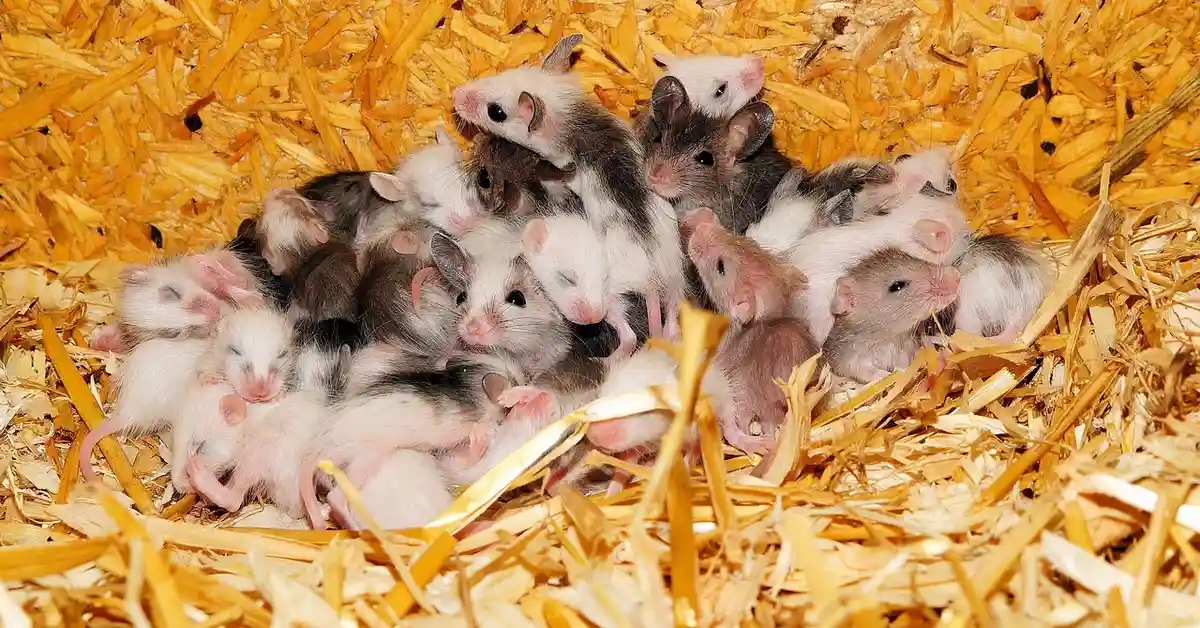
Breeding mice specifically for roan or spotted patterns involves complex genetics that can unintentionally pass on health risks. Many of these markings are linked to genes that may also cause weaker immune systems or skin sensitivities, leading to unnecessary suffering for offspring. I’ve found greater joy in providing a loving home for mice like my cheerful Jeffery, focusing on their individual personalities rather than their appearance.
Responsible pet ownership means prioritizing health over aesthetics. Instead of breeding, consider adopting from rescues where you can give a marked mouse a second chance at a happy life without contributing to potential genetic issues. If you end up with unexpected pups, work with reputable rescues or rehoming networks to place them ethically. Provide care information and screen adopters so the pups go to knowledgeable, committed homes. Supporting ethical sources ensures that these charming companions receive the care they deserve, free from the complications of selective breeding.
Frequently Asked Questions
Can I find roan spotted mice in Louisiana?
Yes, roan spotted mice can be located in Louisiana through dedicated channels. Check with local small-scale breeders who focus on fancy mouse varieties, or explore regional animal rescues and shelters that may have these uniquely marked mice available for adoption. Online communities and forums for mouse enthusiasts in the South can also provide leads and connections to reputable sources in the state.
Where are roan spotted mice for sale?
Roan spotted mice are sometimes available for sale from ethical breeders who specialize in fancy mice and prioritize health and genetics. However, it’s recommended to consider adoption from small animal rescues first, as this provides a home for mice in need and avoids potential health risks associated with certain breeding practices. Always research breeders thoroughly to ensure they follow responsible practices and offer transparency about the mice’s background.
Are there roan spotted mice available in New Orleans?
In New Orleans, roan spotted mice may be found through local rescues or breeders in the area. Reach out to organizations like the Louisiana SPCA or regional small animal groups, and join online social media communities focused on pet mice in New Orleans for updates on available mice. Be prepared to describe the specific markings you’re interested in, as availability can vary.
Your Mice, Your Markings
Every pattern on your mouse, from the most symmetrical roan spots to the most chaotic splashes of color, tells a story written in fur. These markings are a beautiful, living signature of your pet’s unique genetic background. Observing them is a special part of the bond you share. Those markings are shaped by pattern genes that determine where pigments appear during development, so the spots and splashes you admire are literally written into your pet’s DNA.
Whether you’re admiring a perfectly balanced coat or a wonderfully irregular one, the joy they bring is what truly matters. Your focus on providing excellent, consistent care is far more significant than any pattern they wear. Enjoy the wonderful individuality of your marked companions.
Further Reading & Sources
- AFRMA – Breeding Roan Mice
- AFRMA – Explanation of Roan Mouse Inheritance Factors
- AFRMA Fancy Mice – Marked
Isabella is a passionate small pet enthusiast with over 8 years of experience in caring for mice. She loves sharing practical tips and heartfelt stories to help fellow mouse owners provide the best care for their tiny companions.
Mice Genetics