
Do Mice Fart? The Truth About Pet Mouse Digestion
Have you ever watched your pet mouse scurry around and wondered if they experience gas like we do? This is a common curiosity for mouse owners, and I’ve spent years caring for my own mice to provide you with a reliable, science-backed answer.
In this article, we’ll examine how mouse digestion works, what signs might indicate flatulence, and simple ways to keep your mouse’s tummy happy and healthy.
The Short Answer: Yes, Mice Do Fart
While it’s not a common topic of conversation at the water cooler, the answer is a definitive yes. Mice, like most mammals, produce gas as a natural byproduct of their digestive processes, and that gas must find a way out. You might not always hear or smell it, but the internal mechanics are certainly at work.
Why Mouse Flatulence Happens
Think of your mouse’s digestive system as a tiny, high-efficiency factory. This factory is constantly breaking down food to extract every last bit of nutrition, and this breakdown process naturally creates gas. It’s a simple sign of a busy and functioning gut. Mice commonly practice coprophagy — eating their soft feces — to re-digest food and reclaim nutrients and beneficial gut microbes that weren’t absorbed the first time. Though unpleasant to us, it’s a normal and useful way for them to maximize the value of their diet.
How Mouse Digestion Creates Gas
The journey of a mouse’s meal is a fascinating one. Here’s a simplified look at how gas is created:
- Fermentation Begins: Once food enters the intestines, trillions of gut bacteria get to work. These helpful microbes are essential for breaking down complex fibers and carbohydrates that the mouse’s own enzymes can’t handle.
- Gas is a Byproduct: This microbial fermentation process produces various gases, including hydrogen, carbon dioxide, and sometimes methane. This gas production is a normal and healthy part of a well-balanced digestive ecosystem.
- The Need for Release: This gas accumulates and creates pressure within the intestines. The body’s solution is to periodically expel this buildup, resulting in a toot.
Foods That Cause More Gas in Pet Mice
Just like in humans, a mouse’s diet plays the biggest role in how much gas they produce. Knowing which foods are the prime suspects can help you understand your pet’s digestive patterns. Here are some common culprits:
- Certain Vegetables: Broccoli, cauliflower, Brussels sprouts, and cabbage are famous for causing gas. They contain complex sugars that are fantastic fuel for gas-producing gut bacteria.
- Beans and Legumes: While a rare, tiny nibble might be okay, these are packed with complex fibers that can lead to significant gas and bloating in a small mouse.
- High-Starch Foods: Too many starchy treats like bread, pasta, or corn can be difficult for them to process fully, leading to increased fermentation.
- Sudden Diet Changes: Introducing any new food too quickly can upset the delicate balance of gut flora. Always introduce new foods in tiny, pea-sized amounts over several days to allow their system to adjust.
I’ve noticed my own mouse, Jeffery, tends to be a bit more, let’s say, ‘musical’ after he’s managed to snag an extra piece of broccoli. It’s a gentle reminder that even healthy foods need to be offered in moderation to keep their tiny tummies comfortable. A simple daily mouse care checklist can help you remember moderation and other essentials. Here are 5 quick tips to keep Jeffery happy and healthy.
Can You Hear or Smell When Mice Fart?
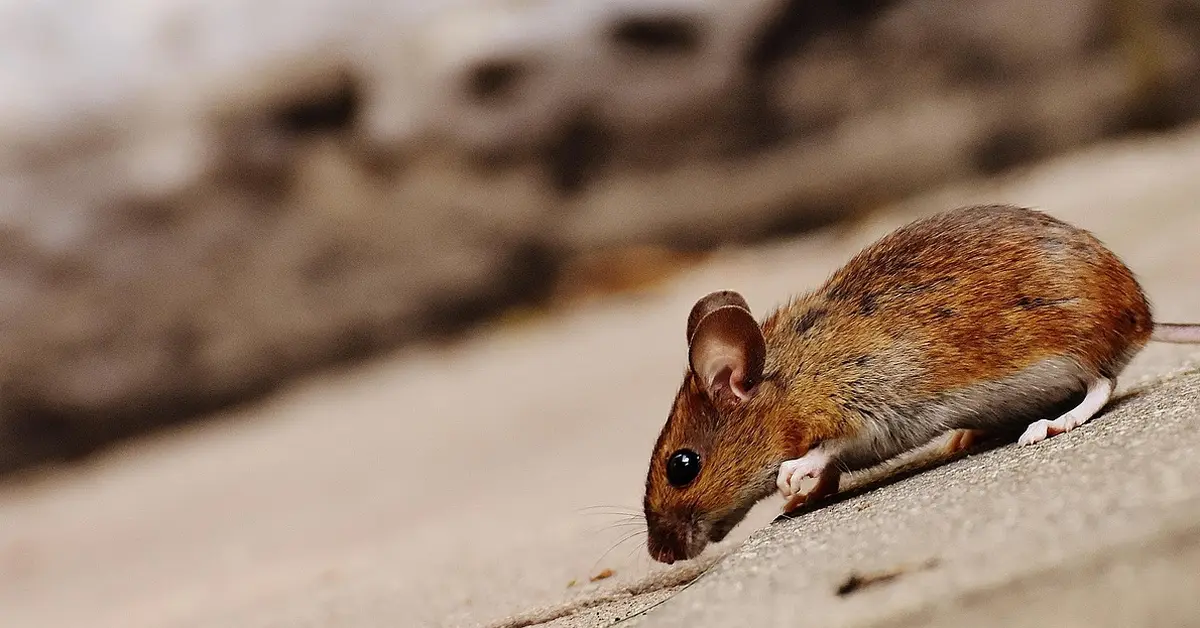
Given their tiny size, a mouse passing gas is an incredibly subtle event. You are highly unlikely to ever hear a mouse fart; the volume is simply too minuscule for human ears to detect. The same generally holds true for smell. A healthy mouse on a proper diet produces such a small amount of gas that any odor dissipates almost instantly into the vastness of their enclosure and your room. That said, mice inhabit a sensory world quite unlike ours. They depend heavily on scent, ultrasonic sounds, and the sensitive whiskers on their face to navigate and communicate.
My curious mouse, Kenny, has had his share of dietary experiments, and even then, the evidence was never auditory or strongly olfactory. The real signs of digestive activity are more often found in their behavior and physical state, not in sounds or smells from their rear. If you ever do notice a persistent foul odor, it’s far more likely coming from soiled bedding that needs changing than from the mice themselves. To reduce mouse odor at home, change bedding regularly and spot-clean the cage daily. A weekly full clean, removing uneaten food, and good ventilation will keep smells at bay.
Do Mice Burp or Just Fart?
This is a fascinating question that highlights a key difference between our digestive systems and theirs. Mice are physically incapable of burping or vomiting due to a powerful esophageal valve and the structure of their diaphragm. This is a biological trait shared with other rodents like rats and rabbits. Because they can’t relieve gastric pressure by vomiting, behaviors such as bruxing (teeth grinding) or the so-called boggling can be important indicators of digestive discomfort. Comparing how mice and rats display these signs helps clarify species-specific responses and welfare needs.
Because gas cannot escape upwards, any air swallowed during eating or drinking, or gas produced during fermentation in the gut, has only one exit route. All gastrointestinal gas is expelled as flatulence, making it the sole release valve for their entire digestive tract. So, while we might experience gas in two ways, for your mouse, it’s a one-way street.
Normal Flatulence vs. Signs of Digestive Problems
What Normal Mouse Flatulence Looks Like
A healthy mouse with a well-functioning digestive system will have gas that is completely undetectable to you. Normal flatulence in mice is a silent, odorless, and invisible process that causes them no discomfort whatsoever. You will see zero behavioral changes. If you do notice smelly, noisy, or excessive gas—or any change in behavior—that can indicate digestive distress or pain. In that case, look for reduced appetite, hunched posture, or lethargy and consult a veterinarian.
Signs of a happy, gasseless mouse include:
- A soft, rounded belly that is not hard or tight to a gentle touch
- Normal, consistent appetite and water consumption
- Regular production of well-formed, solid droppings
- Engaging in typical activities like running on a wheel, climbing, and nesting
In essence, if you don’t notice anything unusual, their digestive system, including gas production, is almost certainly functioning perfectly.
Warning Signs That Gas Is a Problem
While silent and scentless gas is normal, painful gas buildup, or bloat, is a serious medical issue. You will not see or hear the gas itself, but you will see clear and distressing signs of its effects on your mouse. This is when you need to pay close attention.
Be concerned if you observe any of the following:
- A visibly swollen, hard, or drum-like abdomen
- Hunched posture or obvious signs of pain, such as wincing when touched
- Lethargy, inactivity, or hiding more than usual
- A sudden loss of appetite or refusal to drink water
- Audible teeth grinding, which is a sign of pain in mice
A bloated abdomen combined with lethargy is a veterinary emergency that requires immediate professional attention. Dietary causes for such severe gas can include a sudden introduction of high-sugar fruits, certain vegetables like cabbage or broccoli in large quantities, or spoiled food.
Managing Gas and Digestive Health in Pet Mice
Diet Adjustments to Reduce Excess Gas
Just like people, a mouse’s diet is the primary driver of their digestive comfort. I’ve noticed my own mouse, Kenny, becomes noticeably more restless after a feast of broccoli. High-fiber vegetables, while healthy, are common culprits for creating gas in a mouse’s tiny digestive system. Think of their belly as a miniature fermentation tank; what you put in directly affects what comes out. Over time, repeatedly feeding problematic or unbalanced foods can contribute to chronic digestive issues and other long-term health problems. Choosing a balanced, species-appropriate diet helps prevent those lasting effects.
To keep things running smoothly, consider these dietary tweaks:
- Limit gas-producing vegetables like broccoli, cauliflower, and beans to very small, occasional treats.
- Introduce new foods one at a time and in tiny amounts to see how your mouse’s system reacts.
- Soak dried peas and corn before offering them, as this can make them easier to digest.
- Ensure their main diet is a high-quality lab block, which provides balanced nutrition without digestive surprises.
Supporting Healthy Gut Bacteria
A happy gut is a quiet gut. The community of bacteria living in your mouse’s intestines does most of the digestive work, and keeping that community balanced is key. A diverse and stable gut microbiome is your best defense against excessive gas and digestive upset. I make a point of supporting my older mouse Gregory’s gut health, as his system seems more sensitive with age.
You can foster this beneficial bacteria in a few simple ways:
- Offer a tiny bit of plain, unsweetened yogurt as a probiotic treat once or twice a week.
- Provide a small piece of whole-grain bread or a sprinkle of old-fashioned oats for prebiotic fiber.
- A small fragment of a fermented vegetable, like a bit of sauerkraut juice, can introduce good bacteria.
- Always ensure unlimited access to fresh, clean water, as it helps everything move through the system properly.
When Mouse Flatulence Needs Veterinary Attention
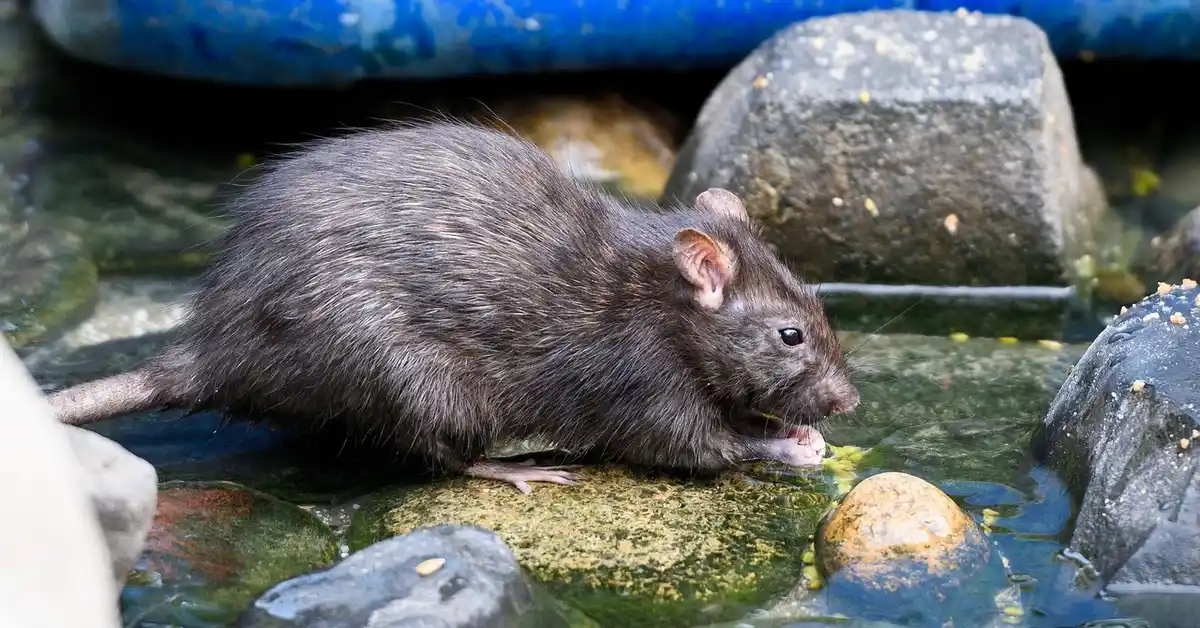
While the occasional toot is normal, some signs indicate a deeper problem that needs a professional eye. A sudden, persistent change in your mouse’s digestion is often the first clue. You know your mouse’s normal behavior better than anyone, so trust your instincts if something seems off. My little Jeffery once had a bout of digestive trouble, and his change in energy was my first warning.
Contact an exotics veterinarian if you observe any of the following alongside what you suspect is excessive gas:
- A visibly swollen or hard abdomen that causes your mouse obvious discomfort.
- Lethargy, hunched posture, or a refusal to eat and drink.
- Diarrhea or unusually soft stools that persist for more than a day.
- Audible signs of pain, such as frequent teeth chattering or whimpering.
These symptoms can point to serious conditions like a gastrointestinal blockage or a systemic infection. Prompt veterinary care is critical for such small creatures, as their health can decline very rapidly. It is always better to have a potential issue checked and receive peace of mind than to wait and hope it resolves on its own.
Frequently Asked Questions
Do mice fart loud?
No, mice farts are not loud at all. Due to their small size, the volume of gas released is minimal, and the sound is typically undetectable by human ears. You will almost never hear your pet mouse pass gas, as it is a silent and normal part of their digestion. If you’re wondering about sounds mice hate, focus on high-pitched or sudden loud noises rather than quiet bodily sounds. Mice are more sensitive to ultrasonic frequencies and abrupt noises, which they tend to avoid.
Can mice fart in the morning?
Yes, mice can fart in the morning or at any time of day. Digestion is a continuous process, so gas production occurs based on when they eat and how their gut bacteria break down food. If your mouse has consumed a meal, flatulence can happen regardless of the time, but it remains subtle and unnoticeable. Small amounts of gas are normal, but changes in droppings—such as diarrhea, discolored, or misshapen pellets—are clearer signs of digestive issues. A guide to mouse digestive health can help you know what to watch for and when to consult a vet.
Do rats fart?
Yes, rats do fart, much like mice. As rodents, they have similar digestive systems where fermentation by gut bacteria produces gas that must be expelled. However, in healthy rats on a balanced diet, this flatulence is usually silent and odorless, just as it is in mice. People often ask whether mice burp too; like rats, mice can release gas but audible burping is uncommon. Many common mice burp/fart biology questions usually come down to diet, gut bacteria, and overall health.
Wrapping Up
A little bit of gas is simply a normal sign of a healthy, functioning digestive system in your tiny companion. The sounds and smells are usually so minor that they go completely unnoticed, so there’s truly no need for concern.
Your focus is best placed on the bigger picture of their well-being-providing a balanced diet, a clean habitat, and plenty of love. Keep observing your curious friends, and you’ll continue to learn the wonderful, quirky details of what makes them who they are.
Further Reading & Sources
- Can mice and rats pass gas? – Saxon Pest Management
- Mouse Fart! – YouTube
- Do Pet Mice Fart? » Petsoid
Isabella is a passionate small pet enthusiast with over 8 years of experience in caring for mice. She loves sharing practical tips and heartfelt stories to help fellow mouse owners provide the best care for their tiny companions.
Mouse Biology & Anatomy