
Do Mice Have Bones? The Surprising Answer
Have you ever watched a mouse slip through an impossibly small space and wondered how their bodies manage such feats? As a longtime mouse caretaker, I’ve seen my own curious Kenny twist and turn in ways that made me question everything about rodent anatomy.
This guide will settle your curiosity with clear, reliable facts and insights from hands-on experience. You’ll learn about their unique skeletal design, why flexibility is key to their survival, and how to recognize signs of bone health in pet mice.
The Basics: Yes, Mice Have Complete Skeletal Systems
How Many Bones Does a Mouse Have?
A healthy adult mouse possesses a surprisingly intricate skeleton, typically composed of between 225 and 231 individual bones. The exact count can vary slightly from mouse to mouse, influenced by factors like the number of vertebrae in their remarkably long tails. This places their bone count in a similar range to our own, despite the vast difference in our sizes. It’s a complete and complex framework that provides structure, protects their organs, and enables their signature quick, darting movements.
Mouse Bone Anatomy: A Labeled Guide to Their Skeletal Structure
Understanding the layout of your mouse’s skeleton helps you appreciate their incredible physical capabilities and informs safer handling. Their entire bone structure is a masterclass in lightweight, flexible design built for survival. These features are the core components of the mouse skeletal system — from skull and vertebrae to delicate limb bones and the flexible tail. Understanding these regions explains how mice move, balance, and protect vital organs. Let’s explore the key regions that make up this fascinating internal architecture.
The Mouse Skull and Cranial Bones
The mouse skull is a delicate fusion of numerous thin bones that form a protective case for their brain and sensory organs. Unlike our own, many of the skull bones in a young mouse are not fully fused, allowing for growth. This delicate construction is why you must never squeeze or apply pressure to a mouse’s head. You can often see the subtle lines where these plates meet, especially in younger, lighter-colored mice like my curious Kenny.
- Fused plates create a strong yet lightweight dome.
- Large eye sockets (orbits) for their prominent, bulging eyes.
- Specialized jawbones and constantly growing incisors that require gnawing.
Spine and Tail Vertebrae
A mouse’s spine is an incredibly flexible chain of small bones, crucial for their acrobatic contortions. The tail alone contains a long series of tiny vertebrae, making it both a balancing tool and a highly sensitive structure. Never pick up a mouse by its tail, as this can cause serious injury or even degloving, where the skin slips off the bone. I’ve seen my cautious mouse, Gregory, use his tail with precise control for balance when climbing.
- Cervical vertebrae: Support the head and allow for wide-ranging neck movement.
- Thoracic and lumbar vertebrae: Form the main trunk and provide attachment points for ribs.
- Caudal vertebrae: The numerous small bones that form the long, scaly tail.
Ribcage and Thoracic Bones
Encasing the heart and lungs is a delicate ribcage, a bony cage that expands and contracts with every rapid breath. You can sometimes see this gentle movement along their sides when they are resting calmly. The ribs are paper-thin and surprisingly flexible, which is part of why mice can squeeze through openings the size of a dime. Their bodies are designed to compress, not because they lack bones, but because their bones are so pliable.
Limb Bones: Femur, Humerus, and Tiny Feet
The limbs are powered by familiar-sounding bones, just in a miniature, hyper-efficient form. The femur in the upper leg and the humerus in the upper arm are strong and provide powerful leverage for jumping and climbing. Their tiny wrists and ankles are complex assemblies of numerous small bones that grant them incredible dexterity. Watching my mouse Jeffery manipulate a piece of food with his front paws is a perfect demonstration of this intricate bone work in action.
- Femur: The main bone of the upper hind leg, built for powerful pushes.
- Tibia/Fibula: The lower leg bones that contribute to spring-like leaps.
- Humerus: The upper arm bone, crucial for climbing and holding food.
- Radius/Ulna: Allow the front paws to rotate for delicate tasks.
- Carpals/Metacarpals/Phalanges: The many tiny bones of the “hands” and “feet” that end in sharp claws.
Are Mouse Bones Flexible? Understanding Bone Density and Cartilage
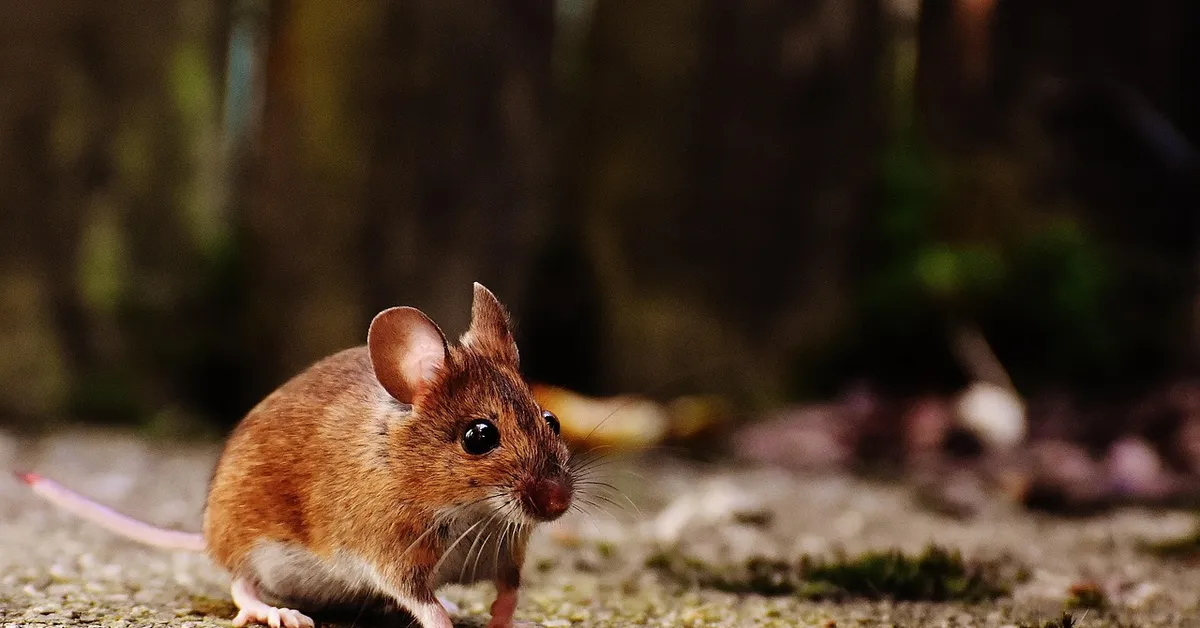
Many people assume mice are boneless because they can squeeze through incredibly tiny spaces, but this is a common misconception. Their remarkable contortion ability stems from a specialized skeletal structure designed for survival, not from a lack of bones. A mouse’s skeleton is a masterpiece of lightweight engineering. Their muscles work with that lightweight skeleton to produce quick, precise movements. This combination allows mice to climb, squeeze, and maneuver in tight spots.
While their bones are indeed delicate, they are not rubbery or overly pliable. The real secret lies in the high proportion of cartilage, particularly in younger mice and in areas like the ribcage. This cartilage provides a spring-like quality that allows the ribcage to compress significantly under pressure. Think of it like a firm but flexible basket that can be temporarily squashed and then pop back into shape.
Their overall bone density is lower than that of larger animals, contributing to their light weight and agility. This combination of a light skeleton and strategic cartilage makes them nature’s expert escape artists. My mouse Kenny once vanished, only for me to find he had compressed his body to slide under a door with a gap I would have sworn was too small for a marble.
Mouse Bone Development and Growth Plates
Watching a young mouse like Jeffery grow is a fascinating process that happens remarkably fast. Mice are born with a significant amount of soft cartilage that gradually hardens into bone through a process called ossification. Their growth plates, the areas of developing tissue at the ends of long bones, are highly active during their first few months of life.
The timeline for skeletal maturity is surprisingly quick. Most pet mice reach their full skeletal size by about three to four months of age, though bone density continues to increase slightly into adulthood. This rapid development means their nutritional needs as juveniles are critical.
- Provide a high-quality lab block as a staple diet to ensure balanced calcium and phosphorus.
- Offer occasional, tiny amounts of calcium-rich veggies like broccoli florets.
- Avoid diets too high in seeds and fats, which can lack the necessary minerals for strong bone formation.
Once a mouse reaches adulthood, like my older fellow Gregory, their growth plates close and their skeleton is fully formed. Proper nutrition during youth sets the foundation for a strong, resilient skeleton that will support them throughout their life.
Bone Fragility in Pet Mice: What You Need to Know
Despite their incredible flexibility, a pet mouse’s bones are quite fragile and susceptible to injury. Their small size means that even a short fall can generate enough force to cause a fracture. A drop from just a foot or two onto a hard surface can be disastrous.
Creating a safe habitat is your most powerful tool for prevention. Always ensure the distance between climbing platforms and the cage floor is minimal, and use plenty of soft bedding to cushion any potential falls. I line the bottom of my cage with a deep layer of paper-based bedding and add hay or torn-up tissues in high-traffic areas for extra padding. When building ledges, platforms, and ramps in the cage, keep them low, wide, and covered with non-slip material. Securely attach each piece and avoid large gaps between levels to minimize fall risk.
- Avoid wire mesh wheels and floors, as tiny feet and tails can easily get caught and broken.
- Provide solid-surface ramps and platforms instead of relying solely on ropes or ladders.
- Supervise all out-of-cage playtime in a secure, enclosed area.
Older mice can be more prone to issues as their bone density may decrease with age. Gregothy, in his elder years, gets around his cage much more deliberately, and I’ve modified his setup with lower platforms to accommodate his need for stability. I also added gentle ramps, thicker bedding, and moved his food and water to ground level so he doesn’t have to climb. These small adjustments help reduce the risk of falls and make daily life easier for an elderly or disabled mouse.
Signs Your Mouse May Have a Bone Injury
Mice are prey animals and experts at hiding pain, so you must be a diligent observer. A sudden change in behavior is often the very first and most telling clue that something is wrong. They instinctively mask weakness, so by the time symptoms are obvious, the issue is often severe. Watch for subtle signs such as reduced activity, hunched posture, decreased grooming, or changes in eating and nesting. These clues can help you tell if your mouse is in pain and when to seek veterinary care.
Look for these specific physical and behavioral signs:
- A noticeable limp or refusing to put weight on a limb.
- Holding a leg or foot in an unusual, awkward position.
- Dragging a limb instead of using it normally.
- Excessive grooming or licking of one specific area, which can indicate localized pain.
- Unusual lethargy or reluctance to move, play, or climb.
- Vocalizing, such as squeaking, when touched or when moving in a certain way.
- A visible swelling or bump on a leg, tail, or the body.
If you notice any of these symptoms, the single most important action you can take is to contact an exotics veterinarian immediately. Do not attempt to splint or wrap an injury yourself, as this can cause more damage and immense stress to your pet. At home, prepare a small “hospital” cage with soft bedding and minimal clutter to reduce stress and prevent further injury. Provide shallow dishes and moistened food so your mouse can eat and drink easily; keep this quiet tank available until you can get professional help.
Supporting Healthy Bones in Your Pet Mice
Just like any other living creature with a skeleton, a mouse’s bone health is foundational to its overall well-being. Providing the right nutritional building blocks and practicing gentle handling are the two most impactful things you can do for their skeletal strength. A balanced diet rich in calcium, vitamin D, and protein gives their bones the raw materials to develop and stay strong. Over time, poor nutrition can lead to brittle bones and other chronic health problems. A strong frame supports all their energetic climbing, burrowing, and exploring.
Calcium and Phosphorus Balance
Think of calcium and phosphorus as a delicate dance partnership inside your mouse’s body. They need to be in a specific ratio, ideally around 2:1 (calcium to phosphorus), for optimal bone density. An imbalance can lead to weak, brittle bones that are prone to fractures from even minor falls. I always check the ingredient panel on my commercial mouse food to ensure it’s formulated with this balance in mind.
You can support this balance through thoughtful dietary additions:
- Excellent Calcium Sources: A tiny crumble of aged cheddar cheese (a favorite of my mouse Gregory), a small piece of plain yogurt drop, or a flake of fortified cereal.
- Foods to Offer Sparingly: Many seeds and nuts are high in phosphorus. While my boy Kenny adores sunflower seeds, I give them as a rare treat, not a staple, to maintain that crucial mineral ratio.
- Leafy Greens: Small pieces of kale or broccoli can offer a nice nutrient boost, but introduce them slowly to avoid digestive upset.
Safe Handling to Protect Delicate Bones
A mouse’s light body and slender bones mean you must be their primary safety net. Falls that seem insignificant to us can cause serious injury to a mouse, making confident and secure handling non-negotiable. I’ve learned that a calm, predictable approach is best for both of you.
Follow these steps for safe interactions every time:
- Always handle your mice close to a soft surface, like over a bed or a sofa, or just a few inches above their cage bedding.
- Let the mouse walk onto your open hand voluntarily rather than scooping it up from above, which can feel like a predator attack.
- Use a gentle but secure cupping technique with both hands to form a little “cave” for them. This prevents startling jumps.
- Never hold a mouse by its tail. The tail is an extension of the spine and can be injured easily, or the skin can deglove.
- Supervise children closely, teaching them to sit on the floor while holding the mouse to minimize any falling risk.
Mouse Skeleton Compared to Other Small Pets

It’s fascinating to see how the mouse skeleton is uniquely adapted compared to its rodent cousins. While all small mammals share a basic mammalian bone structure, the differences lie in the proportions and specific adaptations for their lifestyle. Understanding these nuances helps you appreciate why mouse care has its own specific requirements. Those adaptations — a very flexible spine and slender, compressible bones — allow mice to flatten their bodies to slip through narrow gaps, explaining why they can squeeze under doors or into tiny crevices.
- Versus Hamsters: Mice have a more elongated and flexible spine, contributing to their incredible agility and ability to squeeze through tiny gaps. A hamster’s body is generally more compact and robust.
- Versus Gerbils: Both are agile, but gerbils have stronger, more powerful hind legs built for jumping and digging in a sandy environment. A mouse’s limbs are more generalized for climbing and swift, darting movements.
- Versus Rats: This is a simple matter of scale. A rat’s skeleton is a larger, sturdier version of a mouse’s. Their bones are proportionally thicker and can withstand more impact, though gentle handling is still vital.
- The Ribcage: A mouse’s ribcage is exceptionally delicate. You can often feel the gentle, rapid heartbeat through their sides, a reminder of how fragile they are. This is why a tight squeeze is so dangerous-it takes very little pressure to cause severe internal injury.
Frequently Asked Questions
Are there any books specifically about mouse bone anatomy for pet owners?
While there are no widely known books solely dedicated to mouse bone anatomy for pet owners, many comprehensive rodent care guides include detailed sections on skeletal health. For reliable information, look for books like “The Complete Guide to Mouse Care” or “Rodent Anatomy for Pet Owners,” which often cover bone structure, common injuries, and preventive care to help you support your mouse’s well-being.
Where can I find labeled diagrams of a mouse skeleton for educational purposes?
Labeled diagrams of mouse skeletons are available on reputable websites such as veterinary educational portals, university biology departments, or organizations like the American Fancy Rat and Mouse Association. These resources often provide detailed, accurate illustrations that can help you visualize bone structures discussed in care articles, enhancing your understanding of your pet’s anatomy without the need for dissection or advanced tools. If you’re using a mouse anatomy diagram guide, these labeled skeletons make an excellent starting point by providing clear terminology and bone landmarks. Many guides then layer muscles and organs onto the skeleton to create a complete, easy-to-follow anatomical reference.
Do mouse bones become less flexible as they age?
Yes, mouse bones can become less flexible with age due to reduced cartilage and changes in bone density. In younger mice, higher cartilage content allows for greater compressibility, but as they mature and ossification completes, their skeleton becomes more rigid. This is why older mice may show less agility and require habitat modifications to prevent injuries from falls or strain.
Wrapping Up
So, the answer is a definitive yes-your tiny companions are equipped with a full and intricate skeleton. This framework of tiny bones is precisely what allows them to be such incredible little athletes, scurrying, climbing, and exploring their world.
This knowledge transforms how you interact with your pet. You can now appreciate the delicate engineering behind every leap and handle them with the gentle care their fragile structure deserves. Your mindful support ensures their bony architecture remains healthy for a long, active, and joyful life by your side.
Further Reading & Sources
- Do Mice Have Bones – Where a Mouse in the House Can Fit In
- Do Mice Have Bones In Their Body? – Technology Org
- Do Mice Have Bones? | Macaroni KID Androscoggin
Isabella is a passionate small pet enthusiast with over 8 years of experience in caring for mice. She loves sharing practical tips and heartfelt stories to help fellow mouse owners provide the best care for their tiny companions.
Mouse Biology & Anatomy