
Will Mice Leave If They Smell a Cat?
Have you ever spotted a mouse in your home and immediately hoped that a cat’s scent might be the simple solution to make them vanish? That instinct makes perfect sense, as we often rely on natural predator-prey dynamics for pest control. In this guide, I’ll share insights from my years of mouse care to help you understand exactly how these clever creatures respond to the presence of a cat.
You’ll receive a clear, evidence-based answer to put your mind at ease. We examine the survival instincts that shape mouse behavior, the real impact of cat odors, and reliable methods to address unwanted visitors without causing harm.
How Mice Actually Respond to Cat Scent
The Science Behind Predator-Prey Detection
A mouse’s nose is a sophisticated survival tool, equipped with a specialized organ called the vomeronasal organ dedicated to detecting pheromones. This powerful biological hardware allows them to identify the chemical signature of a predator like a cat with startling accuracy. When they catch that telltale whiff, their tiny bodies are flooded with stress hormones, triggering a primal fear response. Their heart rate skyrockets, and their instincts scream at them to freeze or flee.
This reaction isn’t just about a generic “bad smell.” Mice can discern specific proteins found in cat saliva and dander, which signal immediate and present danger. It’s a deeply ingrained, non-negotiable alarm system that has kept their wild ancestors alive for millennia. I’ve observed my own curious mouse, Kenny, instantly switch from playful explorer to a tense, statuesque ball of fur when he once encountered the lingering scent of a visiting feline on my sleeve. It’s the kind of instincts that you can’t help but marvel at—just like the ones that make us wonder if cats can smell mice in return.
Why Some Mice Stay Despite Cat Presence
Even with this powerful fear response, you might still find evidence of mice in a home with a cat. This contradiction often comes down to a simple, powerful motivator: need. A reliable food source or safe, warm nesting site can outweigh the perceived risk of a predator. A hungry mouse is a desperate mouse, and desperation can override caution.
Another key factor is habituation. If a cat is lazy, well-fed, or simply not a skilled hunter, the mouse may learn that the scent doesn’t always lead to a direct confrontation. Mice are intelligent creatures that can become desensitized to a threat that never materializes, treating the cat more as a noisy roommate than an active hunter. My older mouse, Gregory, has a calm demeanor that seems to come from understanding his environment’s actual risks versus its perceived ones.
- Resource Availability: Consistent access to food, water, and shelter creates a powerful anchor.
- Learned Safety: If the cat never acts on its predatory instincts, the scent loses its meaning.
- Established Territory: A mouse with a established nest and young may be reluctant to abandon its home.
- Lack of Direct Encounters: Never seeing the cat in action diminishes the immediate threat.
Do Cats Actually Deter Mice From Your Home?
Domestic Cats Versus Feral Cats as Deterrents
Not all cats are created equal when it comes to pest control. A feral cat that must hunt to survive presents a constant, active threat. The scent of a feral cat is frequently replenished and associated with real predation, making it a far more effective deterrent. Their presence is unpredictable and deadly.
In contrast, a pampered house cat may see a mouse as a toy rather than a meal. A well-fed domestic cat’s scent may initially cause alarm, but mice quickly learn it’s not a reliable indicator of danger if the cat is uninterested in the hunt. The deterrent effect diminishes when the predator is no longer motivated to predate.
When Cat Scent Works as a Repellent (And When It Doesn’t)
Cat scent can be a powerful repellent in specific, controlled scenarios. For a new mouse just entering a space, the unfamiliar scent of a cat can be enough to make it turn around and seek easier territory. The scent works best as a preventative barrier, discouraging new mice from moving in and setting up shop. It acts as a “Beware of Dog” sign for the rodent world. Commercial options like d-CON Mice Odor Control aim for a similar effect with formulated scents and barriers. They can be used as a complement to natural methods when you need a more consistent or longer-lasting deterrent.
However, this method often fails with an established mouse population. Once mice have built nests and are raising young, they are far less likely to be driven out by scent alone. Their investment in the location is too high, and their learned experience with the non-threatening cat trumps their initial fear. Mice also use scent marking and other olfactory signals to communicate territory and safety, which makes nests chemically familiar. Those familiar scent profiles can override new smells, helping explain Jeffery’s quick acclimation. For my nervous mouse Jeffery, the first hint of a new smell is terrifying, but he soon acclimates if no danger follows.
- It Works For: Deterring new explorers, protecting unused areas like attics or sheds, and creating an initial perimeter of fear.
- It Fails For: Evicting an established colony, dealing with a mouse facing starvation, or when used against a rodent that has become habituated to the cat’s passive presence.
Protecting Your Pet Mice From Cat Stress
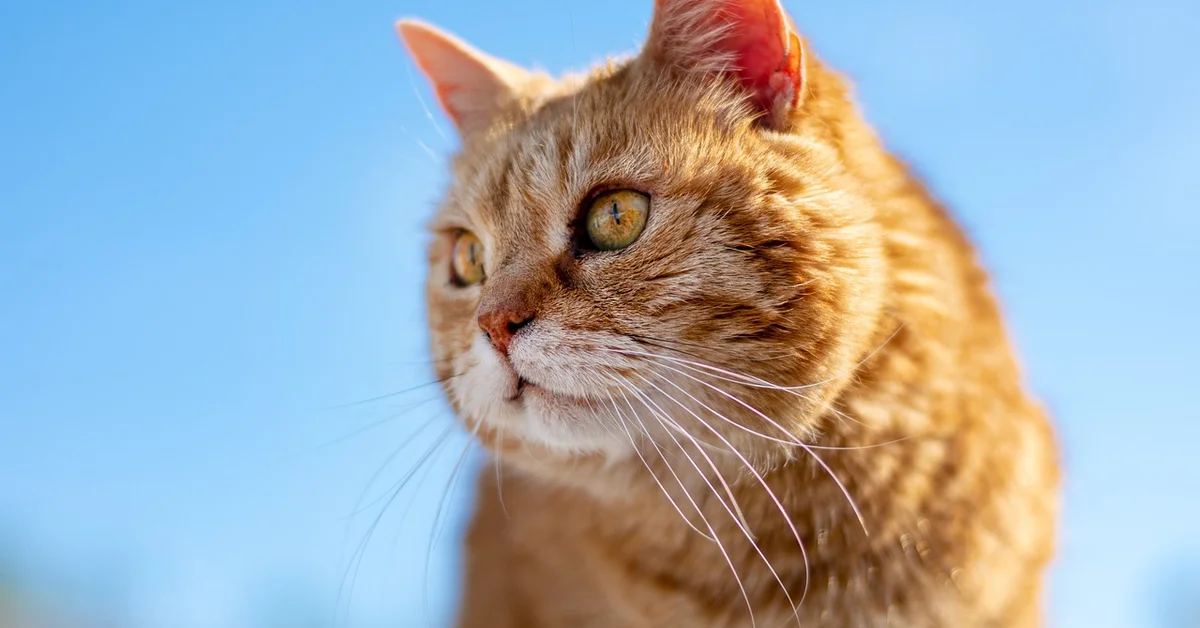
Creating a Cat-Free Zone for Pet Mice
Your mice’s primary enclosure should be a fortress of solitude, a dedicated room where your cat is never permitted. The single most effective action you can take is establishing a room with a door that reliably closes, creating a true scent and sound barrier. I keep my mice, Kenny, Gregory, and Jeffery, in my home office, a space my cat has never entered. This guarantees their core living area remains a sanctuary, far from where wild mice might lurk.
Beyond the room itself, the enclosure must be impenetrable. A tall, metal stand can elevate the cage, but a securely locking lid is non-negotiable.
- Opt for a tank with a tightly fitted, locking mesh lid instead of a bar cage that curious paws can hook into.
- Ensure all ventilation holes are far too small for even a single curious claw to fit through.
- Double-check every latch and door before you leave the room; a moment of diligence prevents a lifetime of regret.
Managing Multi-Pet Households Safely
Living with both species requires a mindful routine that prioritizes the psychological well-being of your smallest family members. Your calm, predictable energy is the anchor that helps your mice feel secure even when they know another animal exists in the home. I’ve noticed my more anxious mouse, Jeffery, is far more relaxed when our household rhythm is consistent and quiet.
Think of your movements between the cat’s areas and the mouse room as a decontamination process.
- Wash your hands thoroughly with unscented soap after handling or petting your cat.
- Consider keeping a dedicated sweater or smock in the mouse room to avoid transferring cat dander on your clothes.
- Never bring cat toys, beds, or blankets into the mouse zone, as these items are saturated with threatening scent markers.
Using Cat-Related Methods for Humane Mouse Control
Effective Alternatives to Cat-Based Deterrents
The idea of using cat scent as a repellent is not only stressful for pet mice but also wildly ineffective for wild ones. Wild rodents quickly learn that a static, non-living source of cat smell does not equate to an actual predator. They will simply find a new path, often deeper into your walls, creating more problems. If you keep pet mice or other small pets, introducing cat scent can cause them unnecessary stress and confusion. Instead, focus on exclusion, secure enclosures, and good sanitation to protect both your pets and your home.
For addressing unwanted wild mice, focus on exclusion and habitat modification. Your goal is to make your home uninteresting and inaccessible. These methods are often more effective than traditional pest control for mice.
- Seal every crack and hole larger than a dime using steel wool and caulk, as mice cannot chew through metal.
- Eliminate all food sources by storing pantry items in glass or thick plastic containers and keeping countertops crumb-free.
- Use peppermint oil-soaked cotton balls in areas like attics or garages; the potent smell is a strong irritant they prefer to avoid.
Health Risks When Cats and Mice Interact
Even without a physical confrontation, the mere presence of a cat can pose serious health threats to a pet mouse. The stress of living under constant perceived threat can severely compromise a mouse’s immune system, leaving them vulnerable to illnesses they might otherwise fight off. This isn’t just a theory; I’ve seen normally robust mice become listless and prone to sniffles when they feel unsafe.
The Danger of Direct Contact
A single scratch or bite from a cat can be fatal for a mouse, not just from physical trauma but from bacteria. Cat saliva contains Pasteurella multocida, a bacterium against which mice have little to no natural defense, often leading to rapid and fatal septicemia. A wound that looks minor can turn deadly within hours.
The Silent Threat of Parasites
Cats can carry and shed the parasite Toxoplasma gondii in their feces. While cats themselves may show no symptoms, this parasite can cause severe neurological and respiratory issues in mice, a condition known as toxoplasmosis. This is a primary reason you must ensure your mouse’s habitat is completely inaccessible to your cat and its litter box.
Chronic Stress and Its Consequences
A mouse living in fear is a mouse in poor health. The physiological impact is measurable and includes:
- Suppressed Immune Function: Their bodies are too busy producing stress hormones to effectively fight off common pathogens.
- Digestive Issues: Stress can disrupt their delicate gut flora, leading to diarrhea or loss of appetite.
- Behavioral Decline: You may see a decrease in normal, happy behaviors like exploring, playing, and grooming.
My mouse Jeffery, who is naturally anxious, becomes almost immobile with fear at the faintest hint of a cat, and it takes him days to return to his cheerful self.
What Mouse Behavior Tells Us About Cat Deterrence
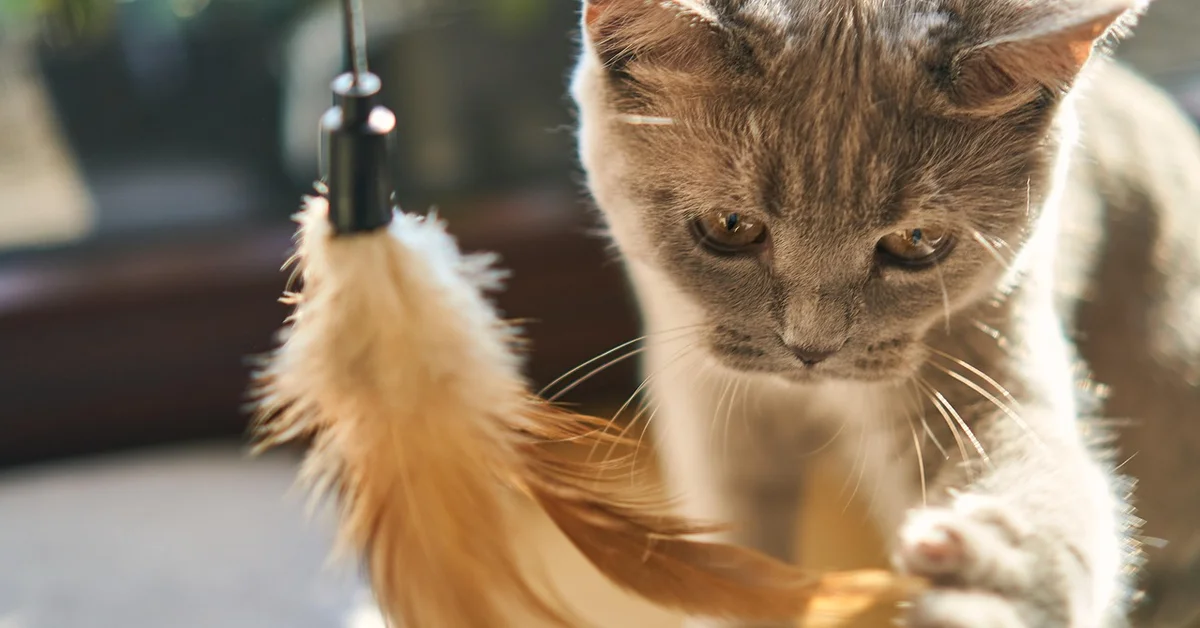
Observing my own mice has taught me that the idea of a cat’s scent acting as a simple repellent is a vast oversimplification. Mice are complex creatures whose reactions are shaped by individual personality, past experience, and their profound need for a secure home. They don’t just smell “cat” and automatically flee. Those same traits can let house mice survive outdoors: they exploit small shelters, alter their activity patterns, and use past experience to avoid danger. This helps explain why escaped or feral house mice can persist around homes and in yards.
Individual Personalities Dictate Response
In my mischief, a whiff of cat scent produces three distinct reactions:
- The Bold Explorer (Kenny): His curiosity often overrides his caution. He might actually investigate the new smell, which is a terribly dangerous trait.
- The Cautious Mentor (Gregory): He becomes hyper-vigilant. He won’t run, but he’ll freeze, watch, and refuse to engage in his usual activities until he’s certain the coast is clear.
- The Anxious Observer (Jeffery): He exhibits pure panic, darting for the nearest hide and staying there, trembling. For him, the scent is utterly paralyzing.
This spectrum of behavior proves you cannot rely on a universal “flee” instinct to protect your pets.
Scent Alone Is Not a Reliable Deterrent
Mice are neophobic, meaning they fear new things. A sudden, strong cat smell in their established territory will initially cause alarm. However, if the scent does not lead to a tangible threat—an actual cat appearing—they will gradually habituate to it. The smell becomes a background part of their environment, losing its power to scare them away. Mice experience the world largely through smell, with sound and touch also guiding their behavior, so persistent but harmless odors tend to fade into their sensory background.
The Primacy of a Safe Territory
A mouse’s drive to stay in its safe, resource-rich home is incredibly powerful. Their territory contains everything they need for survival: food, water, nesting materials, and familiar pathways. Abandoning this over a smell, without a direct and repeated attack, goes against their core survival instincts. They would rather become more secretive and cautious than leave their home entirely.
Frequently Asked Questions
Are cats effective for controlling mouse populations?
Cats can act as a deterrent to mice due to their predatory scent, which may discourage new mice from entering an area. However, their effectiveness is limited, as established mice often become habituated to a non-hunting cat’s presence and will not leave if resources like food and shelter are readily available.
Can cats catch diseases from mice?
Yes, cats can contract illnesses from mice, such as parasites like roundworms or viruses like hantavirus, if they hunt and consume wild rodents. This highlights the importance of keeping pet cats away from wild mice to prevent potential health issues for both animals.
Do mice instinctively avoid cats?
Mice have an innate fear response to cat scent, driven by their ability to detect predator pheromones, which can cause them to avoid areas where cats are present. However, this instinct can be overridden by necessity, such as hunger or the safety of an established nest, leading some mice to remain despite the risk.
Final Thoughts
While the scent of a cat can certainly influence wild rodent behavior, it’s a different world entirely for our cherished pet mice. For your small companions, this smell doesn’t signal a new home to find, but a constant state of alarm in the one they already have. Their well-being hinges on a habitat that feels consistently safe and predictable, free from the shadow of a perceived predator. Consistent, gentle handling and familiar cues from a caretaker matter. Pet mice can learn to recognize their owners by scent, voice, and routine, which helps them feel safer and interact more willingly.
Focus your energy on crafting a positive environment filled with enrichment, not on introducing stressful scents. Your thoughtful care is the ultimate shield, creating a space where your mice feel snug and secure enough to simply be their wonderful, curious selves. From my own experience, watching a mouse like Jeffery relax into a peaceful nap is the best confirmation you’re on the right path.
Further Reading & Sources
- Will Mice Leave If They Smell a Cat? Vet-Reviewed Prevention Tips & Advice – Catster
- Scent marking behavior as an odorant communication in mice – PMC
- r/CatAdvice on Reddit: Does cat scent scare mice? serious question.
Isabella is a passionate small pet enthusiast with over 8 years of experience in caring for mice. She loves sharing practical tips and heartfelt stories to help fellow mouse owners provide the best care for their tiny companions.
Understanding Mice Behavior