
Are Mice Rodents? A Simple Guide to Their Animal Classification
Have you ever gazed at a mouse and questioned where it fits in the vast animal world? This article will clarify any confusion by breaking down the scientific classification in a way that’s easy to grasp.
You’ll gain a solid foundation in rodent basics, including the defining features of rodents and exactly how mice meet those criteria.
What Makes a Rodent a Rodent?
The Defining Feature: Those Ever-Growing Incisors
If you’ve ever watched your pet mouse nibble, you’ve seen their most famous feature in action. The single most defining characteristic of all rodents is a pair of continuously growing incisor teeth in their upper and lower jaws. These teeth have extremely hard orange-yellow enamel on the front and much softer dentine behind, creating a self-sharpening chisel edge as they wear down. This is not a minor detail; it’s a fundamental survival tool. Without constant gnawing on hard objects, their teeth would grow so long they could prevent them from eating.
Rodent Anatomy Basics
Beyond those incredible teeth, rodents share a common body plan that makes them masters of adaptation. Rodents typically have robust bodies, short limbs, and long tails that often serve as a crucial fifth limb for balance. Their skeletons are built for scurrying and squeezing into tight spaces. They possess a single pair of incisors followed by a significant gap called a diastema, and then a set of grinding molars in the back for processing their food. This combination of powerful gnawers and efficient grinders allows them to exploit a vast range of food sources, from seeds and nuts to fruits and vegetables.
From my own experience, you see this anatomy in everything they do. My mouse Kenny’s lightning-fast dashes and Gregory’s deliberate climbs are both expressions of a body perfectly tuned for a life of exploration and foraging.
Where Mice Fit in the Animal Kingdom
Mammals First: Warm Blood and Fur
Before they are rodents, your pet mice are mammals, just like you and me. This means they are warm-blooded, have fur or hair covering their bodies, and the females produce milk to feed their live-born young. That soft coat you feel when you gently pet them is a hallmark of their mammalian heritage. Their constant, high metabolism requires them to eat frequently, which is why you’ll see them visiting their food dish many times throughout the day and night.
The Rodentia Order: Largest Mammal Group
Within the class Mammalia, mice belong to the order Rodentia. Rodents are, by a huge margin, the largest order of mammals, making up over 40% of all mammalian species. Think of rodents as the rock stars of the mammal world in terms of sheer diversity and population. This group includes not just mice and rats, but also squirrels, beavers, guinea pigs, hamsters, and capybaras. Many mice are highly social animals. They live in colonies with clear hierarchies and use grooming, scent-marking, and vocalizations to communicate and cooperate. They have colonized every continent except Antarctica through their remarkable ability to adapt.
Family Muridae: The Mouse and Rat Family
Drilling down further, our pet mice are part of the family Muridae. This is the largest family of mammals and includes all the “true” mice and rats, as well as gerbils and their close relatives. Members of this family are generally small, nimble rodents with pointed snouts and long, often naked, tails. They are known for their intelligence and complex social behaviors. When you observe the intricate hierarchy and interactions between my trio-Kenny the bold explorer, Gregory the patient mentor, and Jeffery the cheerful follower-you are witnessing classic Muridae social dynamics at play.
Genus Mus: True Mice
Finally, we arrive at the specific genus for the most common pet and laboratory mouse: Mus. The house mouse, Mus musculus, is the primary species we welcome into our homes as companions. This genus contains over 30 species of small rodents characterized by their compact size, large ears, and a tail about as long as their body. Understanding that your pet belongs to this specific group helps you appreciate their natural instincts, from their crepuscular (most active at dawn and dusk) nature to their innate drive to burrow and hoard food. To further understand their habits, you can explore the house mouse habitat, diet, and behavior.
Are Mice and Rats the Same Species?
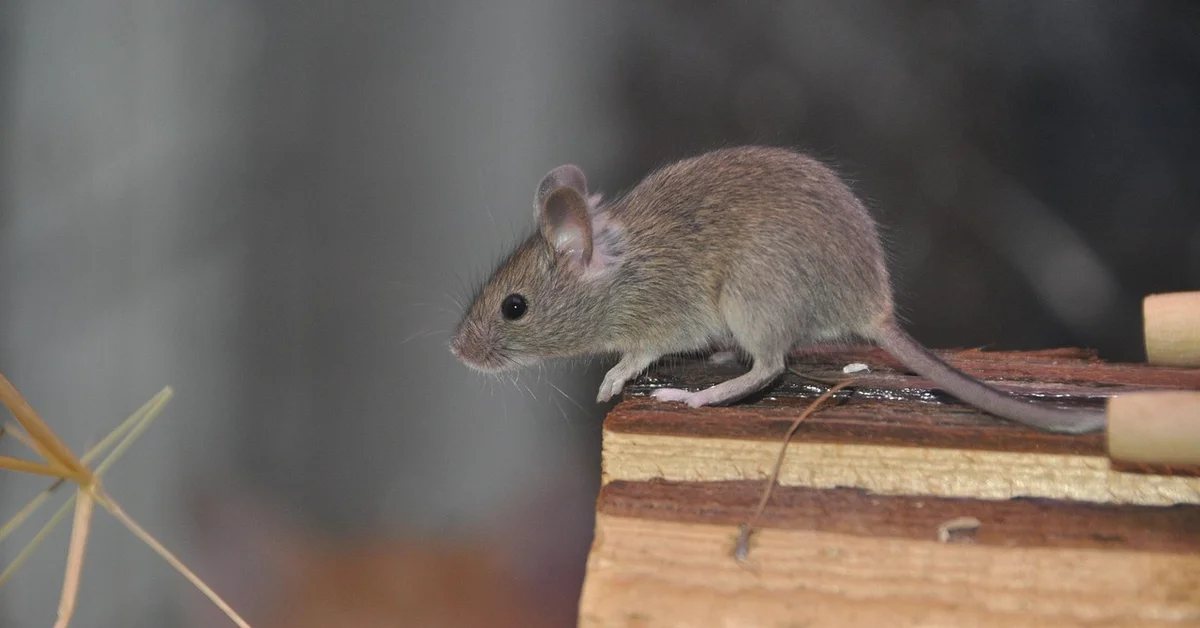
While mice and rats are both rodents, they are distinctly different species, much like cousins in the same large family. I’ve observed my own mice, Kenny and Jeffery, and they share many rodent traits with rats but are fundamentally separate creatures. They cannot interbreed and have unique needs, behaviors, and physical characteristics that set them apart. This guide will outline the key traits to look for when telling mice and rats apart. You’ll learn simple cues—like size, head and tail shape, and behavior—to identify which rodent you’re seeing.
Key Differences Between Mice and Rats
Understanding these distinctions helps you provide the best care for a pet mouse, whose requirements are not simply a smaller version of a rat’s needs.
| Feature | Mice | Rats |
|---|---|---|
| Average Body Size | Small and delicate, typically 2.5 to 4 inches long | Larger and stockier, often 9 to 11 inches long |
| Tail Characteristics | Long, thin, and covered in a light layer of fine hair | Thick, scaly, and almost entirely hairless |
| Head and Ears | Triangular faces with large, prominent ears relative to their head | Blunter snouts with proportionally smaller ears |
| Social Dynamics | Thrive in small, harmonious groups of females or neutered males | Highly social and often do well in larger, mixed-sex groups if neutered |
| Lifespan | Generally 1 to 2 years | Typically 2 to 3 years |
Rodent vs. Vermin: What’s the Difference?
This is a crucial distinction for any mouse owner to understand, as it separates biological fact from human perception. The term “rodent” is a scientific classification, while “vermin” is a label based on context and behavior. My mouse Gregory is a rodent by nature, but he is certainly not a pest in his carefully maintained habitat.
Let’s break down what these terms really mean for your pet.
- Rodent (Scientific Identity)
- A biological order (Rodentia) characterized by a single pair of continuously growing incisors in each jaw.
- This is an unchangeable fact of their anatomy and genetics.
- Includes a vast range of animals from tiny hamsters to large capybaras.
- Vermin (Situational Label)
- A descriptive term for any animal or insect seen as troublesome or destructive to human interests.
- This is not a scientific category and depends entirely on the circumstances.
- A wild mouse in a food warehouse is considered vermin; a beloved pet mouse in a secure cage is not.
The environment and the relationship we build with an animal determine whether it is viewed as vermin, not its innate rodent qualities. Providing a clean, safe, and enriching home for your mouse completely redefines its role from a potential nuisance to a cherished companion.
What Being a Rodent Means for Your Pet Mouse
Gnawing Needs and Dental Health
As rodents, mice possess incisor teeth that never stop growing, a biological reality that directly shapes their daily life. You must provide a constant supply of safe chewing materials to keep these ever-growing teeth filed down and healthy. What materials can mice chew is an important consideration for any pet owner. I always keep a variety of wooden chews, cardboard tubes, and even hard, dog-style biscuits in my mouse enclosure. Without these items, their teeth can become painfully overgrown, leading to an inability to eat. My mouse Kenny is a particularly vigorous chewer, and I find his favorite apple wood sticks need replacing weekly to satisfy his need to gnaw.
Their dental structure is perfectly designed for this constant activity. The hard orange enamel on the front of their incisors is significantly tougher than the white dentin on the back, creating a natural chisel-like edge with every bite. This self-sharpening mechanism is a brilliant piece of rodent evolution. Observing my mice, I see them systematically working on different textures, from soft cork to hard wood, which seems to keep their teeth in perfect condition and provides essential mental stimulation.
Diet Requirements Based on Rodent Physiology
The rodent digestive system is built for processing a wide variety of foods, but it has specific limitations. A high-quality commercial lab block should form the foundation of their diet, as it is scientifically formulated to meet all their nutritional needs without allowing picky eating. These dense blocks also encourage the gnawing necessary for dental health. I supplement this base diet with a small, measured amount of a seed mix for foraging enrichment, watching carefully to ensure one mouse doesn’t hoard all the high-fat favorites.
Their fast metabolisms and small size mean they need to eat frequently but can only handle small portions. Fresh vegetables and the occasional piece of cooked egg or mealworm provide vital variety and protein, but these should be offered in tiny, teaspoon-sized amounts to avoid digestive upset. I’ve learned that Jeffery, for instance, adores a single frozen pea, while Gregory prefers a sliver of carrot. Always remove uneaten fresh food within a few hours to prevent spoilage in their habitat.
Natural Behaviors Rooted in Rodent Biology
So much of what we see as charming mouse behavior is hardwired rodent instinct. Your pet mouse will have a powerful, innate drive to burrow and create complex, hidden nests, a behavior stemming from their wild ancestors’ need for safety from predators. Providing a deep layer of safe, dust-free bedding paper or aspen shavings allows them to express this fundamental behavior. I provide at least six inches of bedding in one section of the cage, and it’s wonderful to see the intricate tunnel systems they engineer overnight. It’s important to ensure the bedding is deep enough to facilitate proper burrowing.
Other deeply ingrained rodent traits include:
- Hoarding: Don’t be surprised to find a secret stash of food in a hideout or nesting area.
- Thigmotaxis: A preference for moving along walls and edges rather than venturing into open spaces, which makes them feel secure.
- Social Hierarchy: In groups, they will establish a gentle pecking order, which is normal rodent social structure.
Understanding these behaviors not as mischief but as natural biology helps you create a home where your mouse can truly thrive.
Housing Considerations for Rodent Safety
A rodent’s biology demands a home that acknowledges their unique physical capabilities and limitations. The bar spacing on any wire cage must be no more than 1/4 inch to prevent escapes, as a mouse can squeeze through any gap their skull can fit through. I learned this the hard way with an adventurous young mouse years ago! A solid, escape-proof tank or critter nation-style cage is often the safest choice for these nimble little Houdinis. Wire cages can be great for ventilation, climbing, and easy cleaning, but they also bring risks like drafts, limb injuries, and escapes if the bar spacing is too wide. For mice, always choose cages with 1/4-inch (≈6 mm) or smaller spacing and sturdy, chew-resistant construction.
Their respiratory systems are another critical consideration. Rodents have extremely sensitive lungs, making them highly susceptible to respiratory infections from ammonia buildup or dusty bedding. Excellent ventilation and a strict weekly cleaning routine are non-negotiable for their long-term health. I also avoid cedar and pine shavings entirely, opting for paper-based or aspen substrates that are much kinder to their delicate respiratory tracts.
Common Questions About Mouse Classification
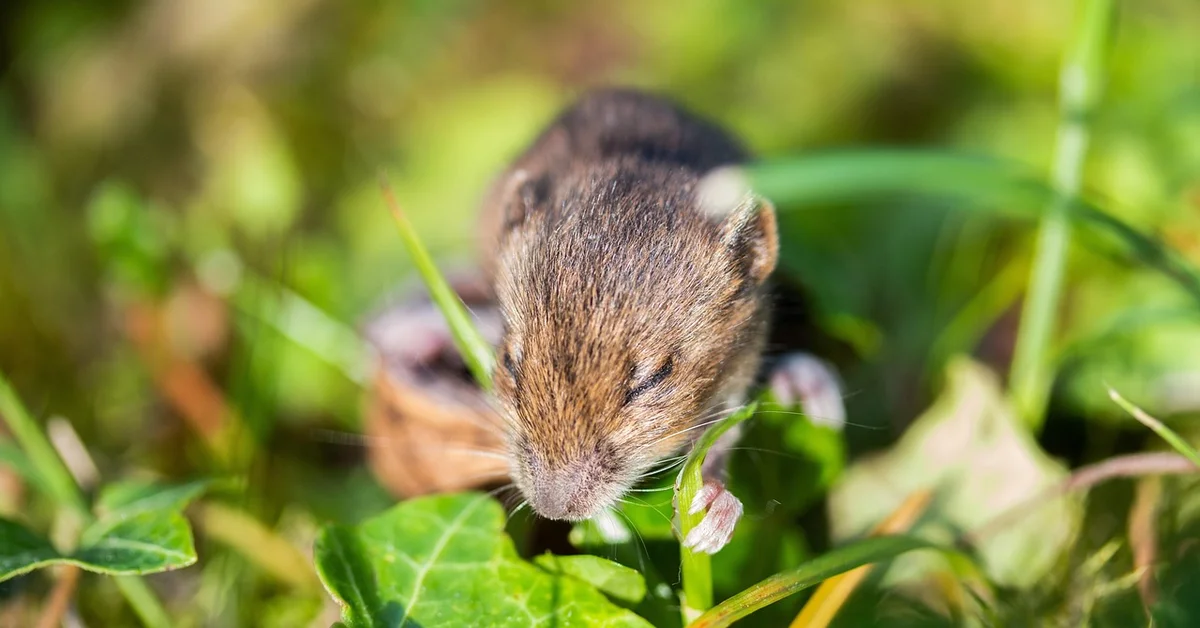
Are Pet Mice Different from Wild House Mice?
While they belong to the same species, *Mus musculus domestics*, decades of selective breeding have created significant differences. Pet mice have been bred for docile temperaments and a wide variety of colors and coat types, making them far more suited to life with humans than their wild cousins. A wild house mouse is primarily driven by survival instincts-they are typically more nervous, aggressive, and prone to biting. My pet mice, like the cheerful Jeffery, are curious and readily interact with my hand, a level of trust that is rare in a wild individual.
The differences extend beyond temperament. Pet mice often have slightly different genetic predispositions to health issues and generally live longer in captivity due to consistent access to food, water, and protection from predators and disease. Bringing a wild mouse into your home is not recommended, as they can carry parasites and diseases transmissible to humans and existing pets.
Do All Mice Have the Same Characteristics?
Even within the pet mouse category, there is a beautiful spectrum of individuality. While all pet mice share core rodent traits like gnawing and burrowing, their personalities, activity levels, and social preferences can vary dramatically from one mouse to the next. In my own group, Kenny is a bold explorer, Gregory is a calm observer, and Jeffery is a playful follower. That begs the question: do mice have individual personalities? These differences are shaped by a combination of genetics, age, and their unique place within the social group.
Some common variations you might observe include:
- Energy Levels: Some mice are constantly on the move, while others prefer long naps in a cozy hide.
- Curiosity: A mouse might be a fearless climber or prefer to keep all four paws on the ground.
- Sociability: Most enjoy company, but some individuals are more outgoing with humans than others.
Getting to know your mouse’s unique character is one of the great joys of being a pet owner.
Are Mice Nocturnal Like Rats?
This is a common point of confusion! Mice are not strictly nocturnal but are most accurately described as crepuscular. This means they are most active during the twilight hours of dawn and dusk, which is a natural adaptation for avoiding daytime and nighttime predators. You will likely notice your pets having energetic bursts of activity in the early morning and again in the evening before you go to sleep.
You will still see them up and about during the day and night, just in shorter, more frequent bursts of activity interspersed with naps. This schedule often works well for pet owners, as you can enjoy their playful antics in the evening. I often hear the gentle rustling of bedding and the soft whir of the wheel as my mice begin their “day” just as I’m settling down for the night.
Frequently Asked Questions
Are mice rodents or mammals?
Mice are mammals and rodents. As mammals, they share traits like being warm-blooded, having fur, and producing milk for their young. Within the mammal class, they specifically belong to the rodent order (Rodentia), defined by their continuously growing incisor teeth and other anatomical features. These mammalian traits influence their behavior and life cycle—for example, mother mice nurse and protect their pups until they are independent. Because of these shared features, mice are also widely used as models to study mammalian biology.
Are mice rats babies?
No, mice are not baby rats. They are separate species within the same rodent family, with distinct physical and behavioral differences. For example, adult mice are smaller and have different tail and head shapes compared to rats, and they cannot interbreed or develop into one another.
Mice are rodents true or false?
True. Mice are classified as rodents due to key biological traits, such as their ever-growing incisors that require constant gnawing. This places them firmly in the Rodentia order, alongside other animals like squirrels and hamsters, based on scientific taxonomy.
Your Path Forward with Mice
Recognizing your small companion as a rodent isn’t just a biology lesson-it’s the key to understanding their fundamental needs. This simple classification explains their constant need to chew, their intricate social structures, and their boundless, curious energy. Embrace this knowledge, and you open the door to providing a truly fulfilling life for your pet.
Every gentle rustle in the bedding and every eager nibble from your hand is a testament to their remarkable rodent heritage. Caring for a mouse means appreciating this incredible legacy in a tiny, whiskered package living right in your home. Your journey as a mouse owner is now built on a foundation of insight, setting the stage for a deeper, more rewarding bond.
Further Reading & Sources
Isabella is a passionate small pet enthusiast with over 8 years of experience in caring for mice. She loves sharing practical tips and heartfelt stories to help fellow mouse owners provide the best care for their tiny companions.
Mouse Biology & Anatomy