
Mouse Anatomy: Your Visual Guide to Understanding Your Pet
Have you ever been curious about what makes your mouse so nimble and perceptive, or wondered how their tiny body supports their big personality?
This guide offers a clear, detailed breakdown of mouse anatomy with easy-to-follow diagrams, so you can confidently recognize how each body part contributes to their health and behavior. We will cover the external features like whiskers, ears, and paws, as well as internal systems including digestion and respiration, giving you a full picture of your mouse’s physical makeup.
Understanding Mouse External Anatomy: What You See on the Outside
Mouse Head and Facial Features
Your mouse’s face is a hub of sensory activity, designed for a life of constant exploration. Their long, sensitive whiskers, or vibrissae, are not just cute adornments-they act as a primary navigation tool, helping them gauge the width of tunnels and sense air currents. I’ve watched Kenny use his whiskers to expertly judge whether he can squeeze behind a cage accessory, a skill that never fails to impress me. Their eyes, positioned on the sides of their head, provide a wide field of vision to spot predators, though they see the world in a blur of grays and don’t perceive depth well. Those large, circular ears are incredibly mobile, twitching and rotating to capture the faintest sounds, from a treat bag rustling to your approaching footsteps.
Mouse Body Structure and Limbs
A mouse’s body is a masterpiece of compact design, built for speed and agility. Their flexible spine allows them to contort into surprisingly small spaces. The forelimbs are dexterous, almost like tiny hands, used for grasping food, grooming meticulously, and scaling cage bars. Their powerful hind legs are coiled springs, enabling those astonishing leaps and rapid directional changes you often see during playtime. Each paw has small, sharp claws perfect for climbing and digging. I notice distinct movement styles in my trio; Gregory’s steps are deliberate and steady, while Jeffery’s are quick and a little twitchy, reflecting their unique personalities.
Mouse Tail Anatomy and Function
That long, scaly tail is far more than just an appendage; it’s a critical tool for balance and communication. It acts as a counterbalance during high-wire acts on cage ropes and helps them make sharp turns while running. The tail is also a key thermoregulator, with a network of blood vessels that help release excess body heat to prevent overheating. Contrary to popular belief, you should never pick up a mouse by its tail, as the skin can easily deglove. A relaxed, trailing tail indicates a content mouse, while one held stiffly or thumping can signal agitation or excitement.
Mouse Fur and Skin
A healthy mouse sports a soft, dense coat that lies smooth against its body. This fur provides insulation and some protection. You might notice the coat’s texture changes slightly with age; my older mouse Gregory has a slightly coarser feel than the silky fur of young Jeffery. Regular grooming is a social and hygienic behavior, and a ruffled or puffed-up coat can be one of the first visible signs that your mouse is feeling unwell or stressed. You may also see changes in grooming — either a drop in self- or social-grooming or excessive licking that causes bald patches. Watch for messy, unkempt fur or over-groomed sore spots, as these grooming habits often indicate concern. Their skin is thin and delicate, so it’s vital to check for any lumps, scratches, or parasites during gentle handling sessions.
Mouse Internal Organs: The Systems That Keep Your Pet Healthy
Mouse Digestive System
Mice are natural foragers with a digestive system tailored for a diverse diet. They lack a gallbladder, and their simple stomach leads to a relatively short intestinal tract. This means food passes through them quickly, which is why they eat small amounts frequently throughout the day and night. A specialized organ called the cecum houses bacteria that help break down fibrous foods. In the wild, mice typically forage for seeds, grains, fruits, green plant matter and the occasional insect—foods that suit this digestive strategy. Providing a high-quality lab block as a staple, supplemented with fresh veggies and the occasional treat like a sunflower seed for Kenny, supports this efficient system.
Mouse Respiratory System
Mice are obligate nasal breathers, meaning they must breathe through their nose. Their respiratory rate is incredibly fast-anywhere from 80 to 230 breaths per minute! This highly efficient system is also very sensitive, making them prone to respiratory infections from ammonia buildup in dirty bedding or drafts. Listening for any clicking, wheezing, or labored breathing is crucial, as these are often the first signs of a problem that needs immediate veterinary attention.
Mouse Circulatory System and Heart
To power their energetic lifestyles, mice have a remarkably fast heart rate, beating between 300 and 800 times per minute. Their circulatory system is a closed network that swiftly delivers oxygen and nutrients to all body tissues. A healthy circulatory system is what gives them the energy for their bursts of speed and sustained periods of exploration. Keeping their environment stress-free and providing a proper diet are the best ways you can support their heart health throughout their lives.
Mouse Nervous System and Brain
Don’t let their size fool you—mice are highly intelligent and curious creatures. Their brain is complex, capable of learning, problem-solving, and forming strong social bonds. The nervous system processes a constant stream of sensory information, which is why a stimulating environment with tunnels, wheels, and toys is so vital for their mental well-being. I see this every day with my mice; Jeffery’s anxious nature calms with a familiar hideout, while Kenny’s boldness leads him to master new puzzle feeders quickly. Choosing the right puzzle toys channels that curiosity into safe, rewarding challenges. Below are some of the best enrichment puzzle toys for mice, suited to different personalities and skill levels.
Mouse Urinary System and Kidneys
The urinary system, centered on two efficient kidneys, works hard to filter waste from the blood and maintain fluid balance. Mice produce urine that is highly concentrated, a trait evolved to conserve water. You will notice they don’t urinate large volumes, but they do mark their territory with small, scattered droplets. This system is another reason why a clean habitat is non-negotiable, as concentrated urine can quickly lead to dangerous ammonia levels that harm their sensitive respiratory tracts.
Mouse Reproductive System
Mice reach sexual maturity very early, at just 5-6 weeks of age. Females have a short estrous cycle and can produce large litters. For the pet owner, the most critical thing to know is that housing males and females together will inevitably lead to pregnancy, which is why same-sex housing is the standard practice. Many owners therefore choose to keep all-female doe colonies, which are easier to manage and largely prevent unplanned breeding. The following guide outlines best practices for establishing and maintaining healthy all-female doe colonies. Responsible pet ownership involves understanding this basic biology to prevent accidental litters and ensure the well-being of your pets.
Mouse Skeletal System: Bones, Spine, and Movement

A mouse skeleton is a masterpiece of lightweight engineering, built for speed and squeezing into impossibly tight spaces. The entire frame is remarkably flexible, with a spine that acts like a coiled spring, allowing for those lightning-fast direction changes you see during playtime. This agility is a direct result of their bone structure. These traits are part of the mouse skeletal system, which combines lightweight bones, numerous vertebrae, and flexible joints to enable rapid, precise movements. Examining this system reveals how bone shape and joint arrangement create both strength and flexibility.
Let’s break down the key components that make this possible.
- Vertebral Column: A mouse has a highly flexible spine with numerous small vertebrae. This long, curving backbone is the secret behind their ability to contort their bodies and dart under furniture.
- Rib Cage: This bony cage is surprisingly pliable, protecting the heart and lungs while allowing the mouse to compress its chest to fit through openings barely wider than its skull.
- Skull: The skull is delicate but strong, with large eye sockets that give them a wide field of vision to spot predators-or treats!
- Limbs: Their front paws are designed for dexterous gripping and digging, while the powerful hind legs provide explosive power for jumping and running.
Watching my mouse Kenny navigate his cage is a perfect lesson in applied anatomy. His bold, impulsive leaps from platform to platform showcase the incredible power stored in those slender hind leg bones and the shock absorption of his spine. In contrast, my older mouse Gregory moves with a deliberate, steady grace, his movements speaking to a lifetime of experience within that very same skeletal framework.
How to Read a Mouse Anatomy Diagram
Anatomy diagrams can look intimidating at first, but they are simply detailed maps of your pet’s body. Think of them as a helpful guide to understanding the incredible little creature sharing your home. You don’t need to be a scientist to get value from them; you just need to know what to look for.
External Anatomy Diagrams and Labels
These diagrams show the outside of the mouse and are the easiest place to start. Familiarizing yourself with external features helps you perform quick health checks and better understand your mouse’s normal behavior. Use this visual guide to help you choose a healthy, active mouse. It highlights key external signs—bright eyes, smooth coat, alert posture, and lively movement—that indicate good health. You’ll start to see your pet in a whole new light.
- Vibrissae (Whiskers): These are not just hairs; they are highly sensitive touch organs. Notice how they are arranged in groups on the snout and above the eyes. Your mouse uses them like a blind person uses a cane, to sense the world immediately around them.
- Pinnae (Ears): Look at their size and position. Large, upright ears are excellent for detecting the faintest sounds, which is why your mice might startle at a quiet noise you can’t even hear.
- Dewclaws: These are small, thumb-like claws on the front feet. They aren’t used for walking but are crucial for gripping food, climbing, and grooming.
Internal Organ Diagrams and System Maps
Internal diagrams reveal the hidden world inside your mouse. Seeing where organs are located gives you context for symptoms; a bloated abdomen, for instance, points to digestive organs. This knowledge transforms worry into informed observation.
Focus on a few key systems first:
- Digestive System: Trace the path from the mouth, through the relatively simple stomach, to the long intestines. This system is compact but efficient, designed for processing a high-energy diet.
- Respiratory System: The lungs are the prominent feature here. Mice are susceptible to respiratory issues, so knowing their location helps you understand what’s happening when you hear a sniffle or wheeze.
- Cardiovascular System: The heart is a tiny, powerful pump. Its rapid beat is normal for such a small, fast-metabolism animal.
Skeletal and Muscular Anatomy Charts
These charts show the framework and the engines that drive all that frantic activity. Connecting the bone and muscle diagrams explains how your mouse can leap, balance on a thin wire, and clean its face with such precise movements. It’s the blueprint for their every action.
- Look for Connections: See how major leg muscles attach to long bones. This is where the power for jumping comes from.
- Notice the Core: A complex set of back and abdominal muscles stabilizes the flexible spine, allowing for those acrobatic twists and turns.
- Observe in Action: The next time you see Jeffery, my smallest mouse, tentatively stretch up on his hind legs, you’re watching his entire muscular and skeletal system work in perfect, if slightly nervous, harmony.
Using Anatomy Knowledge for Mouse Health Checks
Checking External Body Parts
A regular, gentle physical check is your first line of defense. I do this weekly when my mice are relaxed, perhaps after a treat. Start by observing your mouse from a short distance as it moves naturally in its enclosure. Look for smooth, fluid motion without any limping or hesitation.
Next, with a calm and confident approach, you can do a hands-on check. Gently scoop your mouse into your hand and use your thumb to softly stroke its back and sides.
- Fur and Skin: The coat should be smooth and full, not patchy or greasy. Part the fur to check for tiny red mites (which look like moving dust) or any scabs or flaky skin.
- Eyes and Nose: Both eyes should be bright, black, and fully open. There should be no redness, swelling, or a crusty discharge. The nose should be clean, without any red staining (porphyrin) which can signal stress or illness.
- Ears and Whiskers: Ears should be upright (for standard-eared mice) and clean inside. Check that the long, delicate whiskers are intact and not broken off short, as this can indicate barbering from a cage mate.
- Feet and Tail: Inspect the tiny pink feet for any sores or swelling on the pads. The tail should be flexible, uniformly colored, and free of any rings of dead skin or kinks.
Monitoring Internal Health Through External Signs
You can’t see their heart or lungs, but their body gives you clear signals about what’s happening inside. Your mouse’s daily behavior and physical presentation are the most honest reports on its internal well-being. A sudden change is often the biggest clue.
- Respiration: Watch their sides while they rest. Breathing should be quiet and effortless. Rapid, shallow breaths or any audible clicking or wheezing needs immediate veterinary attention.
- Hydration: Gently pinch the skin on the back of their neck. In a well-hydrated mouse, it will snap back instantly. If it retracts slowly, your mouse could be dehydrated.
- Weight and Body Condition: A healthy mouse feels solid but not bony. You should be able to feel the ribs with light pressure, but they shouldn’t be prominent. A sudden weight loss, even with a good appetite, can point to internal parasites or other issues.
- Waste Output: Check their droppings. They should be firm, dark, and oval-shaped. Soft, misshapen, or unusually colored droppings, or a dirty bottom, can indicate digestive trouble.
Recognizing Anatomical Abnormalities
Knowing what normal looks like makes spotting problems much easier. Early detection of these physical changes can dramatically improve the outcome for your little friend. Trust your instincts-you know your mouse best.
- Lumps and Bumps: Any unusual swelling, especially around the mammary chains (along the belly and sides) or under the jaw, should be checked by a vet. In older mice, tumors are a common concern.
- Posture and Gait: A hunched back, where the mouse looks like a little hairy peanut, is a classic sign of pain or discomfort. A head tilt or walking in circles suggests a potential inner ear infection.
- Overgrown Teeth: If your mouse is drooling, having difficulty eating, or you notice its bottom teeth protruding straight out instead of curving, its incisors are likely overgrown and need to be trimmed.
- Eye Issues: A suddenly bulging eye or an eye that appears cloudy or sunken is not normal and requires a professional diagnosis.
Mouse Physiology: How Body Systems Work Together
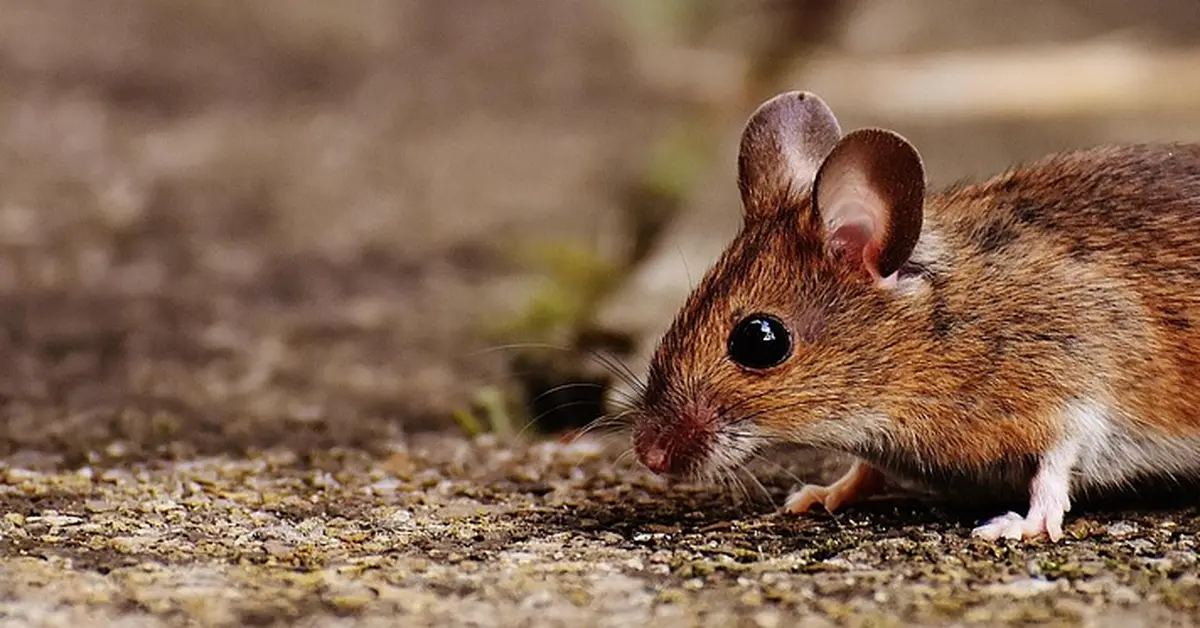
A mouse is a masterpiece of tiny, interconnected systems. Every action, from a simple sniff to a frantic dash, is a symphony of biological processes working in perfect harmony. Their high metabolism is the engine that drives everything.
Consider their respiratory and circulatory systems. Mice have incredibly fast breathing and heart rates to fuel their energetic lifestyle. This is why respiratory infections are so dangerous for them; their bodies consume oxygen so rapidly that an illness can overwhelm them in just a day or two.
The digestive system is a non-stop processing plant. Mice are natural foragers, designed to eat many small meals throughout the day and night. A empty stomach for even a short period can lead to a dangerous drop in blood sugar. This is why I always make sure Kenny, Gregory, and Jeffery have a constant supply of their lab block food, supplementing with fresh treats.
Their skeletal and muscular systems are built for agility and escape. A mouse’s spine is remarkably flexible, allowing it to compress its body to squeeze through impossibly small gaps. This great escape artistry relies on lightweight bones and powerful hind leg muscles for jumping and propulsion. These anatomical traits explain why mice can flatten themselves. A flexible spine, pliable rib cage, and a shoulder girdle that lets the forelimbs tuck close to the body all help reduce their profile to slip through tight spaces.
Finally, the nervous and sensory systems are on constant high alert. Those large ears and twitching whiskers are not just for show; they are critical survival tools that gather information about their world. A sudden, loud noise doesn’t just startle them-it can trigger a full-body stress response, which is why a calm, quiet environment is so vital for their long-term health.
Frequently Asked Questions
What is a mouse dissection diagram used for?
A mouse dissection diagram is typically used in educational or scientific contexts to illustrate the internal anatomy of a mouse through a step-by-step dissection process. It helps students and researchers identify organs and systems by showing layers of tissue as they are exposed. However, for pet owners, these diagrams are not necessary for routine care, as non-invasive methods like observing behavior and using external anatomy guides are safer and more appropriate for monitoring your mouse’s health.
How can a labeled male mouse anatomy diagram benefit pet owners?
A labeled male mouse anatomy diagram can help pet owners understand the unique reproductive structures, such as the testes and associated glands, which are important for identifying health issues like tumors or infections. By recognizing these features, you can better monitor for signs of discomfort or abnormalities during routine checks, ensuring early intervention if needed, without the need for invasive procedures.
Why might someone refer to a mouse brain anatomy diagram?
Referring to a mouse brain anatomy diagram can provide insight into how the brain influences behavior, learning, and sensory processing in your pet. This knowledge helps you recognize signs of neurological issues, such as seizures or disorientation, and underscores the importance of a stimulating environment to support cognitive health. For pet care, it reinforces why activities like puzzle toys are essential for mental well-being. Understanding the mouse nervous system and brain is crucial for providing proper care.
Your Journey with Mouse Anatomy
Knowing your mouse’s anatomy transforms pet care from simple maintenance into a rich, informed partnership. You’re no longer just seeing a small animal; you’re appreciating the delicate whiskers that map their world, the powerful hind legs built for explosive jumps, and the ever-growing teeth that demand constant care. This knowledge empowers you to spot subtle signs of health or discomfort long before a minor issue becomes a major concern.
Use this guide as a living reference to better understand the unique creature sharing your home. Watch how your mouse uses its body during play, eating, and exploration. You’ll start to see the brilliant design in every twitch of a nose and flick of a tail, deepening the bond you share with your fascinating little friend.
Further Reading & Sources
- Anatomy of the laboratory mouse: normal anatomy | vet-Anatomy
- The Anatomy of the Laboratory Mouse
- The Anatomy and Physiology of Laboratory Mouse | SpringerLink
Isabella is a passionate small pet enthusiast with over 8 years of experience in caring for mice. She loves sharing practical tips and heartfelt stories to help fellow mouse owners provide the best care for their tiny companions.
Mouse Biology & Anatomy