
The Mouse in Chinese Zodiac: Traits and Significance
Have you ever met someone born under the Mouse sign and been captivated by their intelligence and charm, yet puzzled by their complex nature?
This guide offers a clear path to understanding the Mouse’s unique place in Chinese astrology, blending cultural wisdom with relatable insights. We will explore the core personality traits that define Mouse individuals, their approach to relationships and career, and the symbolic meanings that give this zodiac sign its enduring appeal.
Understanding the Rat in Chinese Astrology
Which Years Are Rat/Mouse Zodiac Years?
The Rat, which also represents the mouse, is the first and most celebrated sign in the 12-year Chinese zodiac cycle. People born under this sign are believed to inherit the mouse’s sharp wit and pioneering spirit, leading the parade of animals. If you were born in one of the following years, you are a Rat: 1936, 1948, 1960, 1972, 1984, 1996, 2008, and 2020. The next Rat year will be 2032.
The Five Elements and the Rat Sign
Each zodiac sign is further influenced by one of five rotating elements, which adds a unique layer to the core Rat personality. This elemental cycle deeply colors a Rat’s inherent traits, making a Wood Rat fundamentally different from a Metal Rat. Understanding this can even offer a fun lens through which to view your own pet mouse’s quirks.
- Wood Rat (1924, 1984): These Rats are rooted, persistent, and often more patient. Think of a mouse meticulously building a perfect, sturdy nest.
- Fire Rat (1936, 1996): Passionate, energetic, and sometimes impulsive. This is the mouse who is first to explore a new toy with fearless enthusiasm.
- Earth Rat (1948, 2008): Practical, stable, and reliable. An Earth Rat mouse might be the one who calmly hoards food while others play.
- Metal Rat (1960, 2020): Determined, ambitious, and strong-willed. You might see this as a mouse who consistently solves a puzzle feeder faster than its cage mates.
- Water Rat (1912, 1972): Intuitive, communicative, and adaptable. A Water Rat mouse is often the most sensitive to subtle changes in its environment and your mood.
Core Personality Traits of the Zodiac Rat
Intelligence and Resourcefulness
Rats are famed for their quick minds and ability to find solutions where none seem to exist. Watching my own mice, like Kenny, outsmart complex latch systems on their playpen confirms this ancient wisdom in real time. They are natural problem-solvers who thrive on mental stimulation, which is why providing puzzle toys and varied environments is so vital for their well-being. To channel that curiosity, I’ve put together 10 DIY foraging puzzles that will make your mouse think. These simple projects tap into their natural foraging instincts and offer rewarding mental challenges.
Adaptability and Curiosity
This sign thrives on change and new experiences, a trait any mouse owner will recognize immediately. A curious mouse will investigate every new scent, texture, and tunnel you introduce, demonstrating a remarkable capacity to adjust. I find that regularly rotating their toys and rearranging cage furniture keeps this innate curiosity healthily engaged and prevents boredom.
Sociability and Charm
Despite a reputation for caution, the Rat is profoundly social and uses its charm to build strong connections. My trio-Kenny, Gregory, and Jeffery-display a complex social world full of gentle grooming and communal nesting. They are at their happiest when living in harmonious groups, where their affectionate and communicative natures can truly flourish.
Ambition and Opportunistic Nature
Driven by a desire for security and success, the Rat is always alert for an advantage. You’ll see this trait when your mouse instantly seizes the best treat or claims the highest platform in the cage as its own. This isn’t greed; it’s a deep-seated instinct to secure resources, making them fascinating and determined little companions.
Caution and Cunning
This is the flip side of their bold curiosity-a survival-based wariness that should be respected. A new mouse will often watch and learn from a distance before fully engaging, a strategy that keeps them safe. When taming a new mouse, patience is everything. Moving slowly and letting them approach you honors this cautious nature and builds a bond of trust that feels truly earned.
How Zodiac Rat Traits Show Up in Pet Mice
Quick Thinking and Problem-Solving
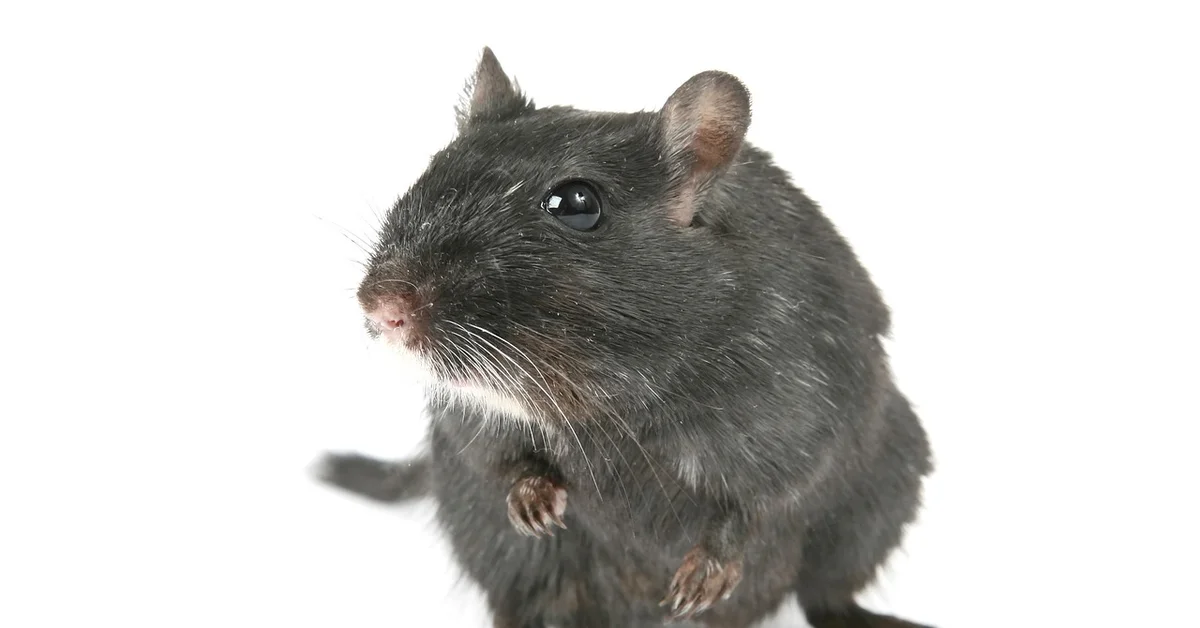
Your pet mouse’s mind works at lightning speed, often outsmarting simple obstacles in their path. I’ve watched Kenny figure out how to nudge open a loosely fastened cage door within minutes, demonstrating that innate cleverness. They excel at puzzles, like mazes or treat-dispensing toys, where they must use logic and persistence to reach a reward. To keep that intellect active, choose the best enrichment toys that challenge their problem‑solving skills. These kinds of toys stimulate natural foraging and exploration while providing a satisfying mental workout.
- Navigating complex tunnel systems with ease
- Learning to associate sounds or actions with feeding times
- Manipulating lightweight objects to access hidden food
Social Dynamics and Family Bonds
Mice thrive in groups, mirroring the Zodiac rat’s emphasis on community and loyalty. Observing my trio, Gregory often grooms Jeffery when he’s anxious, showing how they support each other emotionally. These behaviors show that mice are social animals, relying on close bonds and communication for stability. Scent, touch and soft vocalizations help them coordinate and comfort one another. They establish subtle hierarchies through gentle nudges or shared nesting, rarely showing aggression when housed properly.
- Sleeping curled together for warmth and security
- Communicating through high-pitched chirps and body language
- Teaching younger mice safe behaviors through example
Adventurous Exploration
Curiosity drives your mouse to investigate every nook of their environment, much like the Zodiac’s adventurous rat spirit. Kenny’s boldness leads him to scale new climbing structures first, while Jeffery cautiously follows after observing. They relish changes in scenery, whether it’s a rearranged cage layout or supervised playtime outside their habitat.
- Bursting into sudden sprints to survey unfamiliar areas
- Chewing on novel textures to understand their surroundings
- Hiding in temporary spots to watch household activities
Hoarding and Resource Management
Your mouse’s instinct to gather and stash resources is a direct link to the Zodiac rat’s prudent nature. I often find small caches of sunflower seeds tucked into bedding corners, a behavior all my mice share. They prioritize saving treats for later, showing an impressive memory for hiding places.
- Moving food from bowls to secret storage spots
- Using nesting materials to conceal prized items
- Revisiting hoards to check on their supplies
Caring for Mice Based on Zodiac Personality Traits
Enrichment for Intelligent and Curious Mice
Stimulate your mouse’s sharp mind with activities that challenge their problem-solving skills. Rotate toys weekly to prevent boredom, like puzzle balls or ladder mazes that reward exploration with treats. I’ve seen Jeffery’s confidence grow when he successfully completes a new task, reducing his anxious habits. When choosing the best enrichment puzzle toys for mice, pick small treat-dispensing puzzles, hide-and-seek tunnels, and multi-level mazes made for tiny paws. These options promote natural foraging and keep playtime interesting longer.
- Introduce foraging toys that require manipulation to access food
- Create obstacle courses using cardboard tubes and platforms
- Offer varied textures, such as crumpled paper or untreated wood blocks
Creating Safe Spaces for Cautious Personalities
Shyer mice, like Gregory, need quiet retreats to feel secure in their home. Provide multiple hideouts, such as small igloos or fabric pouches, where they can observe without being exposed. Positioning these away from high-traffic areas helps nervous mice relax and engage more freely over time — especially when there are other pets around.
- Use opaque shelters instead of clear ones for added privacy
- Place bedding deeply in one corner for burrowing opportunities
- Avoid sudden loud noises or bright lights near their cage
Supporting Their Social Nature
Since mice are inherently social, housing them in compatible groups prevents stress and loneliness. Introduce new mice gradually in neutral territory to build trust, much like how my boys bonded through shared play sessions. Monitor interactions for positive signs, like mutual grooming or sleeping close together. Note that some mice are more solitary than others, so observe individual preferences and adjust housing if a mouse consistently avoids company or shows aggression. A mouse social behavior guide can help you decide when to keep a mouse solitary or in a group.
- Keep at least two mice together, ensuring same-sex pairs to avoid breeding
- Provide ample resources-multiple food dishes and water bottles-to reduce competition
- Schedule daily interaction time to strengthen your bond with them
Satisfying Their Resourceful Instincts
Encourage natural hoarding behaviors by making resources available for collection and storage. Scatter small portions of food throughout their enclosure instead of using only a bowl, letting them “forage” as they would in the wild. This not only entertains them but also promotes physical activity and mental engagement.
- Offer nesting materials like hay or shredded paper for building and hiding items
- Include durable toys that can be moved or rearranged, such as wooden blocks
- Respect their hoards by not disturbing stored food unless it spoils
Zodiac-Inspired Mouse Names
Naming a new pet mouse is a special moment, and drawing inspiration from the Chinese Zodiac can give you a name rich with meaning. I’ve always found that a name with a story helps deepen the bond you share with your tiny companion. You can choose names that reflect the Rat’s celebrated attributes of wit, charm, and resourcefulness. Below are some of the best pet mice names and creative ideas inspired by those qualities. Feel free to mix and match to create a name that perfectly fits your mouse’s personality.
Here are some name ideas, blending tradition with a modern touch perfect for a pet:
- Jin: Meaning “gold,” this name celebrates the Rat’s association with wealth and prosperity.
- Ling: Translating to “clever” or “quick,” this is a perfect nod to the Zodiac Rat’s famed intelligence.
- Felix: A Latin name meaning “lucky” and “successful,” capturing the Rat’s fortunate nature.
- Pippin: This cheerful name suggests a lively, curious spirit, much like the adventurous mouse.
- Kai: A short, spirited name that can mean “triumph” in Chinese, fitting for a determined little friend.
Observing your mouse’s unique personality for a few days can guide you to the perfect fit. My own mouse, Kenny, with his bold and impulsive nature, almost earned the name “Spark” for his energetic spark of life. A name that mirrors their innate character feels the most authentic and loving.
The Cultural Significance of the Zodiac Rat
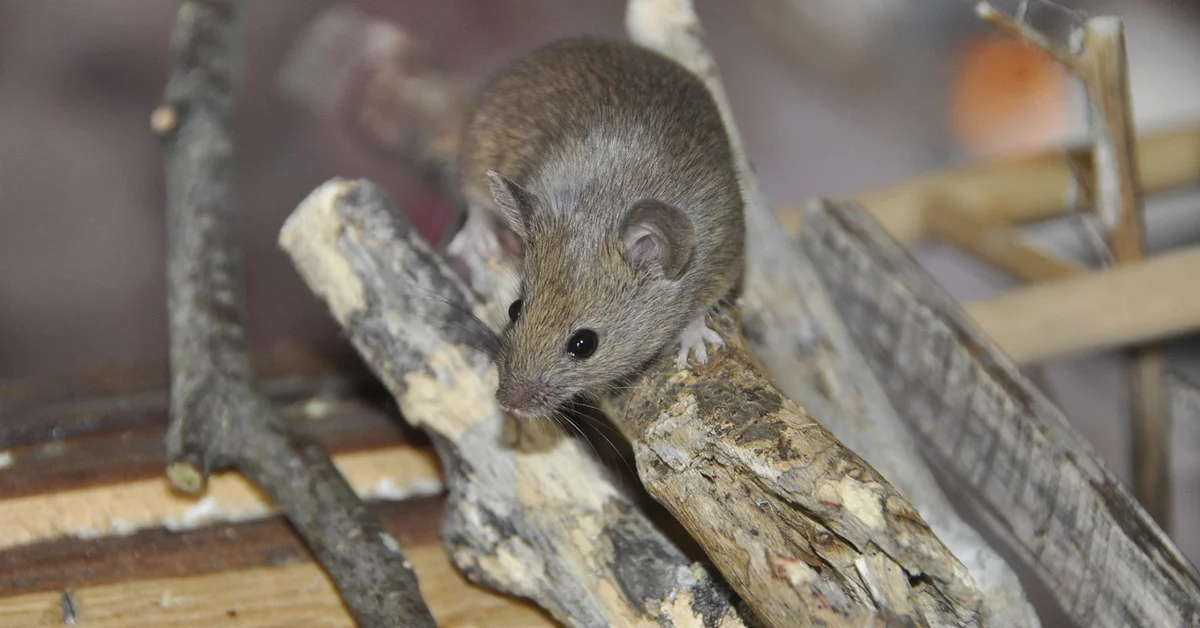
In Western cultures, mice are often viewed with caution, but the Chinese Zodiac offers a wonderfully different perspective. The Rat is honored as the first sign of the zodiac cycle, a position symbolizing new beginnings, initiative, and leadership. This prestigious placement tells you a lot about the respect this small creature commands.
The Rat’s personality in the zodiac is a fascinating blend of traits that many mouse owners will recognize in their own pets. Research and owner observations show mice display consistent individual differences in behavior. That means many mice do have distinct personalities.
- Intelligence and Cunning: Rats are praised for their sharp minds and ability to navigate complex situations. I see this daily in my mice as they solve simple puzzles to reach a treat.
- Charm and Sociability: They are seen as charismatic and able to win people over, a trait anyone who has watched a mouse wash its face with tiny paws can understand.
- Resourcefulness and Adaptability: The Zodiac Rat is a survivor, known for making the most of any circumstance. This mirrors a pet mouse’s incredible ability to turn any cardboard box into a grand palace.
- Prosperity and Abundance: The Rat is closely linked with wealth and a full pantry. In my home, a well-stocked food dish is our own little symbol of this prosperity.
This cultural view transforms how we see these small beings. Instead of a pest to be managed, the mouse becomes a symbol of smart ambition and thriving life. It’s a beautiful reminder that greatness and charm come in all sizes, a truth I am reminded of every time I watch my trio of mice explore their world with such determination and grace. This perspective has deep roots in the history of fancy mice—the long tradition of breeding and celebrating them for color, temperament, and companionship. Learning that history helps explain why we now cherish these tiny creatures as pets rather than dismiss them as pests.
Frequently Asked Questions
What are male zodiac traits?
In Chinese astrology, zodiac traits are not divided by gender; they apply universally to all individuals born under a specific sign, such as the Mouse. This means that both male and female Mice share the same core characteristics, like intelligence, adaptability, and sociability, which can be observed in pet mice regardless of sex. Understanding this helps in providing consistent care, as these traits influence behavior, such as problem-solving and social bonding, in all pet mice.
What does the mouse zodiac sign mean?
The Mouse zodiac sign symbolizes new beginnings, resourcefulness, and prosperity in Chinese culture, as it leads the 12-year cycle. This meaning translates to pet mice care by highlighting their natural curiosity and ability to thrive in enriched environments, much like the zodiac’s emphasis on seizing opportunities. Recognizing this can inspire owners to create stimulating habitats that support their mice’s innate drive to explore and manage resources, fostering a happy and healthy pet.
What is the mouse zodiac personality?
The Mouse zodiac personality is characterized by intelligence, charm, and caution, making these individuals quick-witted and socially adept but also wary in new situations. For pet mice, this means they often display clever problem-solving skills and form strong bonds with cage mates, yet they may need patience and safe spaces to feel secure. By acknowledging these traits, owners can tailor care to include mental challenges and gentle socialization, enhancing their mice’s well-being.
Your Path Forward
Embracing the wisdom of the Chinese Zodiac offers a delightful new perspective on your tiny companion. Seeing your mouse’s natural cleverness and charm through this cultural lens can deepen the bond you share, transforming simple care into a more meaningful connection. Their intelligence isn’t just a biological trait; it’s a celebrated part of their ancient spirit.
I’ve watched my own mice, like the ever-inquisitive Kenny, display the very resourcefulness and social nature the Zodiac describes. Let this knowledge inspire you to provide an environment rich with opportunities for exploration and problem-solving, honoring the vibrant, complex creature living in your care. Your journey with your pet mouse is now layered with a beautiful, centuries-old story.
Further Reading & Sources
- The Clever Mouse: Exploring the First Animal in the Chinese Zodiac
- Rat: Zodiac Sign
- Chinese Zodiac Rat/Mouse Child Personality & Traits | Chinese Zodiac for Kids
Isabella is a passionate small pet enthusiast with over 8 years of experience in caring for mice. She loves sharing practical tips and heartfelt stories to help fellow mouse owners provide the best care for their tiny companions.
Mice in Culture & Media