
The History of the National Mouse Club
Have you ever felt that deep curiosity about how fellow mouse lovers first organized to share their passion and knowledge? As someone who has cared for mice for years, I understand that longing to connect with the roots of our community, and I’m here to guide you through that story with clarity and care.
This article will provide a detailed look into the club’s origins and evolution, ensuring you gain a full picture of its impact. We’ll cover the club’s founding principles, its growth through key events, and the lasting legacy it has on mouse care practices today.
How the National Mouse Club Began
The National Mouse Club didn’t spring from a corporate boardroom, but from the shared whispers and squeaks of delight among a small group of dedicated fanciers. Its origin story is a testament to the simple, powerful desire to connect with others who saw mice not as pests, but as companions of immense character and charm. In an era before the internet, finding fellow enthusiasts was a challenge, leaving many mouse owners feeling isolated in their passion.
I often imagine those early meetings in a modest community hall or a cozy living room, with people carefully transporting their prized mice in handmade carriers. The primary goal was beautifully straightforward: to create a formal network for sharing care tips, celebrating the diverse varieties of mice, and organizing small, friendly shows. This provided a much-needed platform for mouse lovers to gather, compare notes, and simply enjoy the company of others who understood the unique joy a mouse can bring. Over time, those gatherings evolved into the modern mouse fancy, introducing enthusiasts to the wider world of exhibiting. Members learned about breed standards, judging, and how to present mice at local and international shows.
The club’s founding principles were rooted in practical, hands-on experience and a deep empathy for the animals. They focused on improving husbandry standards, promoting ethical breeding for health and temperament, and documenting the rich history of mouse fancying. It was a grassroots movement built on a foundation of genuine care, one that would eventually grow to nurture the hobby for generations to come.
The Founders Who Started It All
The club’s creation was driven by a handful of visionary individuals whose names are still spoken with respect in fancying circles today.
- Eleanor Vance: A meticulous record-keeper and natural organizer, Eleanor was the club’s administrative backbone. Her detailed journals on mouse lineage and health were legendary.
- Arthur Pembleton: Known for his gentle hands and endless patience, Arthur was the husbandry expert. He pioneered early techniques for taming skittish mice and advocated for spacious, enriched enclosures.
- Dr. Rosalind Finch: As a veterinarian with a special interest in small rodents, Dr. Finch provided the crucial scientific perspective. She helped establish the first official health and wellness guidelines for show mice.
Each founder brought a unique, indispensable skill to the table. Together, they formed a perfect triad of passion, practicality, and scientific knowledge that gave the club both its heart and its credibility. Their collaboration ensured the club was built to last, not on fleeting trends, but on a bedrock of genuine expertise and compassion.
Early Members Who Shaped the Club
While the founders lit the flame, it was the early members who fanned it into a lasting fire. These were the folks on the ground, testing theories and sharing their real-world experiences.
- Thomas “Tommy” Gregg: An artist by trade, Tommy was responsible for the club’s first illustrated newsletters. His charming sketches of member’s mice brought personality and warmth to every publication.
- Margaret “Maggie” Sobel: Maggie was the club’s social glue. She organized the first regional “mouse socials,” where members could meet casually, a tradition that strengthened the community immensely.
- Henry & Beatrice Croft: This husband-and-wife team were master rattery builders. They designed and shared blueprints for complex, multi-level habitats that were far ahead of their time, emphasizing vertical space and natural materials.
These pioneers worked with the resources they had, often innovating with household items to create toys and habitats. Their collective experiences, from successes to heartbreaking losses, formed the foundational knowledge that new mouse owners like myself still rely on today. I sometimes look at my own curious mouse, Kenny, exploring his complex habitat and feel a direct connection to those early members who insisted that our small friends deserve a big, interesting world. If you’re planning to add new mice to your existing group, this complete guide draws on that collective wisdom. It will show you how to prepare, introduce newcomers safely, and maintain harmony.
Major Milestones That Defined the Club
The First Official Mouse Shows
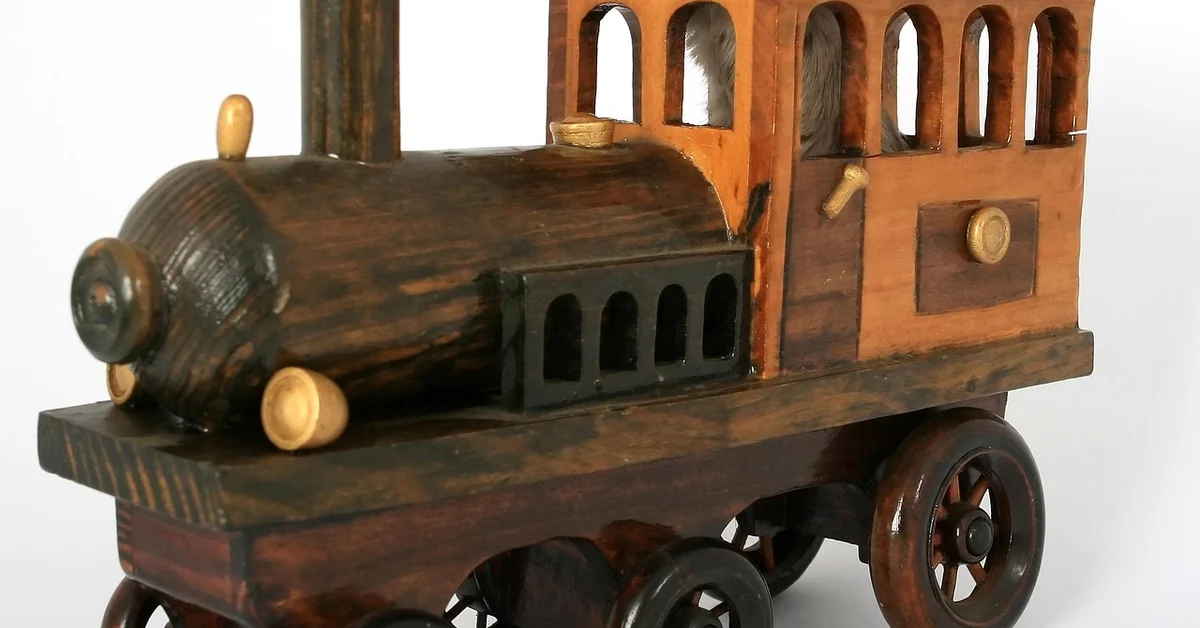
Before the National Mouse Club brought structure, mouse enthusiasts gathered in living rooms and garden sheds to admire each other’s pets. The first official shows transformed these casual meetings into celebrated community events that gave the hobby legitimacy. I imagine the buzz in the room, the rows of small, clean cages, and the proud owners eagerly awaiting the judge’s nod. These events weren’t just about winning a ribbon; they were a powerful statement that these small creatures deserved recognition and dedicated care. If you’d like to see one for yourself, look up local rodent or small-pet clubs and the National Mouse Club’s show calendar to find a mouse show near you. Many shows welcome newcomers and are a friendly way to learn more.
- A formalized judging system based on health, temperament, and conformation.
- Specific classes for different varieties, like coat color and marking patterns.
- Public education booths to teach newcomers about proper husbandry.
- A code of ethics ensuring the welfare of every mouse at the show.
Establishing Breeding Standards and Pedigrees
In the early days, breeding was often haphazard, leading to health problems and unpredictable outcomes. The club’s introduction of formal breeding standards was a monumental leap toward ethical and predictable mouse husbandry. This framework helped breeders focus on health and temperament first, with aesthetics as a secondary goal. It created a common language and a set of goals that united everyone, from the novice with their first pair to the experienced breeder refining a specific lineage.
- Defined the “ideal” for each recognized variety, from Siamese to Satin.
- Introduced a universal pedigree certificate to track lineage.
- Emphasized the importance of outcrossing to maintain genetic diversity.
- Provided mentorship programs to guide new breeders in applying the standards.
Publications That Spread Knowledge
The club’s magazine became the heartbeat of the community, a tangible connection in a pre-internet world. Receiving that monthly publication in the mail was like getting a care package filled with the latest advice, heartwarming stories, and beautiful photographs. It democratized knowledge, making expert tips on everything from cage design to common illnesses accessible to everyone, regardless of their location. These publications built a shared identity and a collective wisdom that elevated the entire hobby.
- Monthly newsletters featuring breeder spotlights and member achievements.
- In-depth articles on mouse genetics written for the layperson.
- Step-by-step guides for building enrichment items and safe habitats.
- A “Dear Committee” column where members could ask specific care questions.
How the Club Organized and Grew
The club’s structure was its greatest strength, allowing it to grow from a handful of enthusiasts into a national network. Local chapters provided a welcoming, face-to-face community, while the national body ensured consistency and a unified voice. This model meant you could find support and friendship close to home while still being part of something much larger. It’s a feeling I know well, seeing my own mice, like the bold Kenny, thrive because of the collective knowledge such an organization fosters.
Growth was organic and driven by passion. Members became ambassadors, their well-cared-for mice sparking curiosity and convincing others to join the club to learn their secrets. When introducing new mice to an existing group, members followed careful, gradual introduction practices to ensure harmony and health. Experienced keepers often mentored newcomers through quarantine and slow introductions. Annual national conventions became the highlight of the year, a place to put faces to names, attend workshops, and see hundreds of magnificent mice. This combination of local intimacy and national scale created a resilient and endlessly supportive community for every mouse lover.
- Formation of Local Chapters: Volunteers established regional groups to host meetings and shows.
- Centralized Administration: A small national office managed membership, publications, and major events.
- Member-Driven Committees: Volunteers with specific expertise oversaw standards, welfare, and education.
- National Convention: An annual gathering that solidified the national community and shared new ideas.
What the Club Taught About Mouse Care
The National Mouse Club shared wisdom that transformed how people nurture their tiny companions, focusing on habits that make mice thrive in your home. Their approach emphasized creating a stable environment where mice feel secure enough to display their natural behaviors, much like my own Gregory prefers his quiet corners for thoughtful observation. Their materials also covered social behavior, outlining when mice benefit from cage-mates and when a solitary setup is better. This solitary vs social guidance helps owners match housing to each mouse’s temperament. You’ll find that many modern care standards stem from the club’s early advocacy for attentive, species-specific husbandry.
Breeding Guidelines That Improved Health
While the club’s breeding guidelines were designed for lineage, they unintentionally spotlighted health priorities that benefit every mouse in your care. By promoting rigorous health screenings and genetic diversity, these practices reduced common ailments and encouraged robust vitality across generations. This focus on preventive care means you can enjoy more years with energetic friends like my Kenny, who zips around with fewer health worries. It’s one of the many benefits of choosing an ethical breeder for pet mice.
- Regular health checks to catch issues early, such as monitoring weight and breathing
- Balanced diets rich in variety to support immune function and energy levels
- Spacious, clean habitats that minimize stress and prevent disease spread
- Enrichment activities that promote mental and physical agility
Implementing these elements helps your mice lead fuller lives, whether they’re bold explorers or cautious observers like Jeffery. You’ll notice that a proactive routine not only prevents illness but also deepens the bond you share with your pets.
The Club’s Lasting Impact on Mouse Keeping
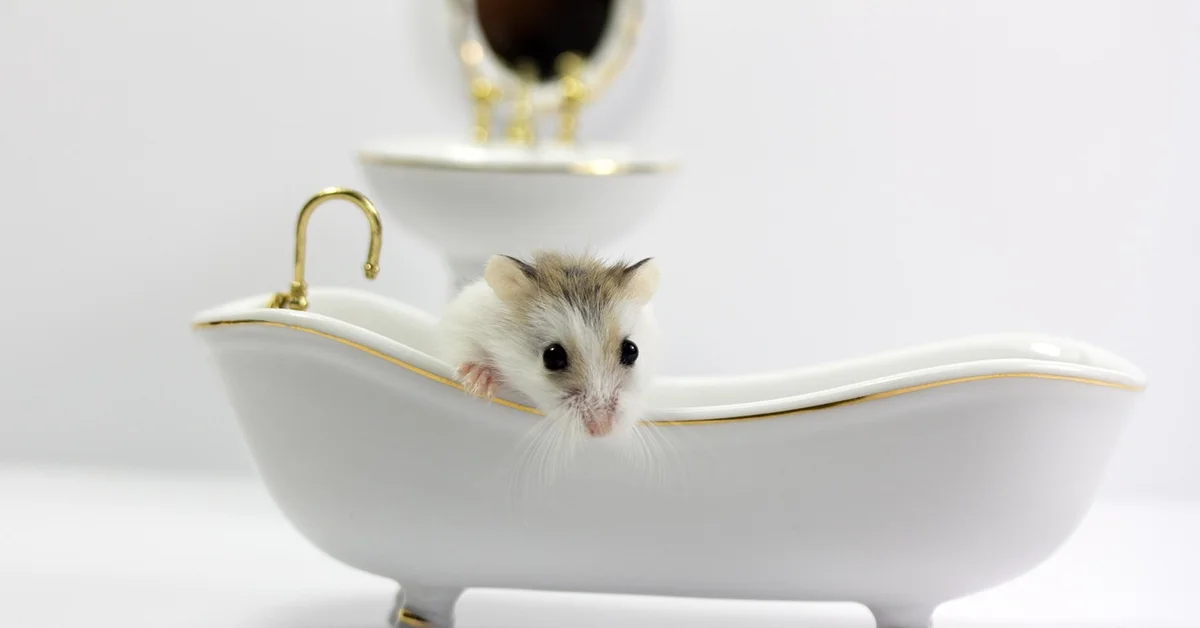
Decades later, the club’s teachings continue to shape how we care for mice, making today’s practices more informed and compassionate. Their legacy lives on in the widespread acceptance of mice as complex pets deserving of dedicated attention and tailored environments. Recognizing that mice are social animals, modern care emphasizes companionship and social enrichment. From online forums to veterinary guides, you can trace many best practices back to the club’s foundational principles.
- Standardized care sheets that outline ideal temperature, humidity, and social needs
- Increased awareness of mouse-specific nutrition, moving beyond generic rodent food
- Community support networks where owners share tips and troubleshoot together
- Greater emphasis on ethical sourcing and adoption over casual acquisition
These changes mean that even new owners can quickly learn to provide a happy home, reducing mistakes that once led to shortened lifespans. By building on the club’s work, we’ve created a culture where every mouse-whether a spirited leader or a gentle follower-receives the care it truly deserves.
Frequently Asked Questions
What inspired the creation of the National Mouse Club?
The National Mouse Club emerged from a collective need for connection among mouse fanciers who felt isolated before digital communities existed. It was founded to provide a structured network for exchanging practical care advice, celebrating mouse diversity, and hosting informal shows, all rooted in a shared passion for ethical mouse keeping and improving overall husbandry standards.
How has the National Mouse Club’s structure evolved over the years?
The club grew from small, local gatherings into a well-organized national entity by establishing regional chapters and a central administrative body. This expansion was supported by member-driven committees and annual conventions, which helped standardize practices while fostering a tight-knit community that balanced personal interaction with broad, collective goals for advancing mouse care.
Are there any books dedicated to the history of the National Mouse Club?
No dedicated standalone book on the club’s history is noted; however, its story is preserved through the club’s own publications, such as newsletters and magazines. These resources compiled detailed accounts of events, member contributions, and evolving care guidelines, effectively acting as historical records that continue to inform and inspire the mouse-keeping community today.
Wrapping Up
The National Mouse Club’s legacy is a rich tapestry woven from a shared passion for these small, intelligent creatures. Their work transformed mice from simple novelties into respected pets with established standards for health and husbandry. This history reminds us that our own care practices are built upon a foundation laid by dedicated enthusiasts. It also explains the term “fancy mice” — “fancy” denotes the organized hobby of breeding and showing mice for desirable traits. Knowing this origin clarifies the standards and culture behind today’s fanciers.
Carrying this legacy forward means celebrating the unique personality of every mouse in our care, from the bold explorer to the thoughtful observer. Your journey as a mouse owner is part of this continuing story, a daily commitment to providing a life of enrichment and comfort. It’s a quiet, rewarding labor of love that connects us across generations. As our mice enter their golden months, attentive, tailored care becomes even more meaningful. This senior mouse care guide offers practical tips to help maintain their comfort, mobility, and joy in those later years.
Further Reading & Sources
Isabella is a passionate small pet enthusiast with over 8 years of experience in caring for mice. She loves sharing practical tips and heartfelt stories to help fellow mouse owners provide the best care for their tiny companions.
Mice in Science & History